

Scythe
Neal Shusterman
Arc of a Scythe, book 1
Average Goodreads rating4.5

Book series · 3 books
Aliens save humanity - at a price. Oankali offer survival through genetic merger. Lilith chooses: extinction or transformation. Butler's trilogy on colonialism, consent, hybridity. Hugo/Nebula nominated. Amazon series. Library of America edition.

Start the series here · book 1
Lilith wakes 250 years after nuclear war. Tentacled Oankali offer survival through genetic merger. No human child without alien DNA. Saviors or colonizers? Butler's 1987 masterpiece. Amazon series. Locus nominee. Consent, autonomy, humanity's fatal flaw.
320 pages
Retailer links may earn Trope Trove a commission, at no extra cost to you.
Start here 320 pages Goodreads rating4.3

336 pages Goodreads rating4.4

304 pages Goodreads rating4.4
Conceived against a backdrop of Reagan-era nuclear brinksmanship, Lilith's Brood: The Xenogenesis Trilogy - a classic of Afrofuturist speculative fiction - offers profound reflections on race, biology, colonialism, resistance, consent, sexuality, community, hybridity, technology, power, and the future of humankind. Also published as Xenogenesis, this groundbreaking trilogy comprises Dawn (1987), Adulthood Rites (1988), and Imago (1989) - three novels exploring humanity's survival through forced transformation.
The first novel in the trilogy, Dawn, begins with Lilith Iyapo, a Black human woman, alone in what appears to be a prison cell. Centuries later, she is resurrected by miraculously powerful unearthly beings, the Oankali. Creatures covered in writhing tentacles, the Oankali had saved every surviving human from a dying, ruined Earth. They healed the planet, cured cancer, increased strength, and were now ready to help Lilith lead her people back to Earth - but for a price. The Oankali are genetic traders who survive by merging their DNA with other species. No human child will be born without an Oankali parent. It's salvation - or is it colonization?
Adulthood Rites tells the story of Lilith's son, Akin, as he comes of age on a newly repopulated Earth. The first true hybrid is a boy named Akin - son of Lilith Iyapo - and to the naked eye he looks human, for now. He is born with extraordinary sensory powers, understanding speech at birth, speaking in sentences at two months old, and soon developing the ability to see at the molecular level. Kidnapped by human resisters who refuse genetic merger, Akin becomes a bridge between species, ultimately negotiating Mars as a refuge for humans who choose extinction over transformation.
Imago follows another of Lilith's hybrid progeny, Jodahs, through the jungles of a regenerating Earth. Raised as a male child, he discovers in his adolescence that he is becoming the first part-human ooloi, a member of the Oankali's shapeshifting, astonishingly powerful and perceptive third sex - a discovery with intense personal and planetary consequences.
Each novel was nominated for the Locus Award for Best Science Fiction Novel. In 2020, Amazon Studios acquired streaming rights with Ava DuVernay's Array Filmworks producing and Victoria Mahoney directing. Butler's unflinching exploration asks: Can you consent under duress? Is genetic assimilation genocide or evolution? The trilogy challenges readers to question whether humanity's "fatal flaw" - our hierarchical nature breeding violence - justifies forced transformation, making this essential reading about colonialism, bodily autonomy, and what we're willing to sacrifice for survival.
Perfect for readers seeking Afrofuturist classics, explorations of colonialism through alien contact, stories questioning human exceptionalism, genetic engineering ethics, and science fiction that refuses easy answers about consent, hybridity, and whether salvation from saviors is truly freedom.
Grand Dame of Science Fiction. First sci-fi writer to win a MacArthur "Genius" Grant. Hugo, Nebula, PEN Lifetime Achievement winner. Afrofuturism pioneer exploring race, power, and hybridity. Dyslexic visionary who changed the genre forever.
Books, series and tropes by Octavia E. Butler
Neal Shusterman
Arc of a Scythe, book 1
Average Goodreads rating4.5

Adrian Tchaikovsky
Children of Time, book 1
Average Goodreads rating4.5

Jay Kristoff
LIFEL1K3, book 1
Average Goodreads rating4.3

Emily St. John Mandel
Average Goodreads rating4.2
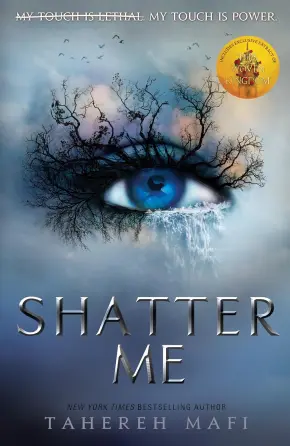
Tahereh Mafi
Shatter Me, book 1
Average Goodreads rating4.2
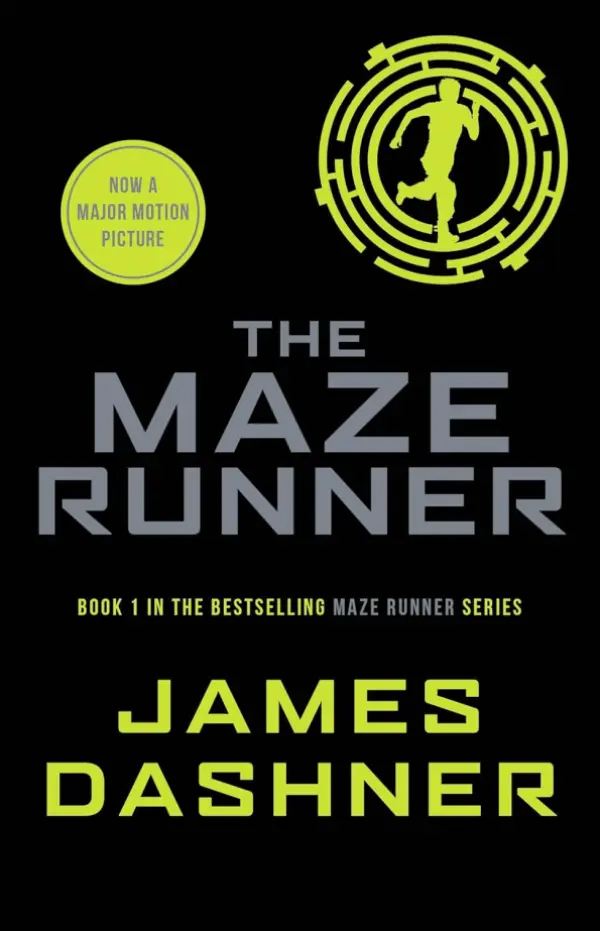
James Dashner
The Maze Runner, book 1
Average Goodreads rating4.5
Brandon Sanderson
3 books
Sarah J. Maas
5 books
Brandon Sanderson
4 books
Sarah J. Maas
7 books
Hannah Kaner
3 books · complete series
Pierce Brown
6 books · complete series
Occasional emails with new recommendations, series news and trope round-ups.


