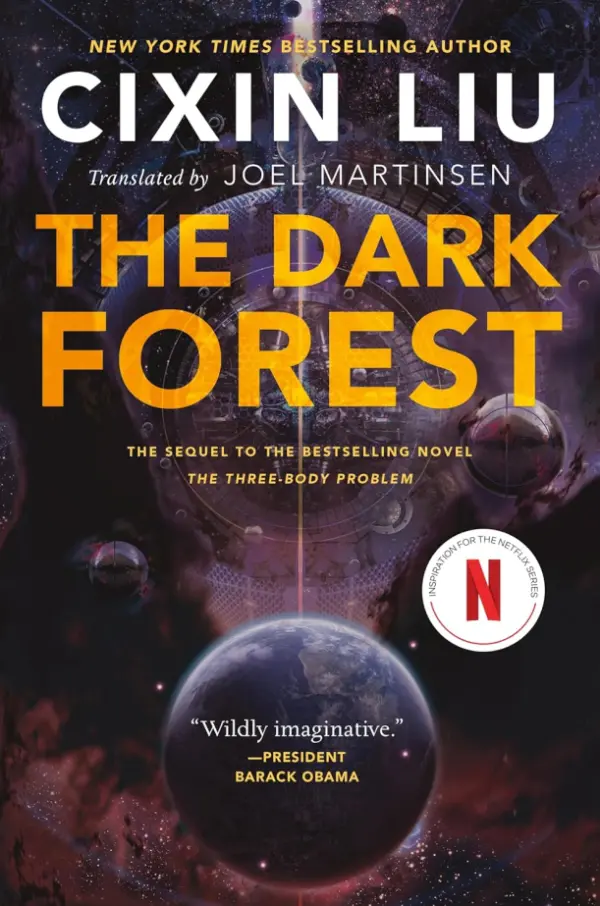
The Dark Forest
Liu Cixin
The Three-Body Problem, book 2
Average Goodreads rating4.4
- Deception
- Twist Ending

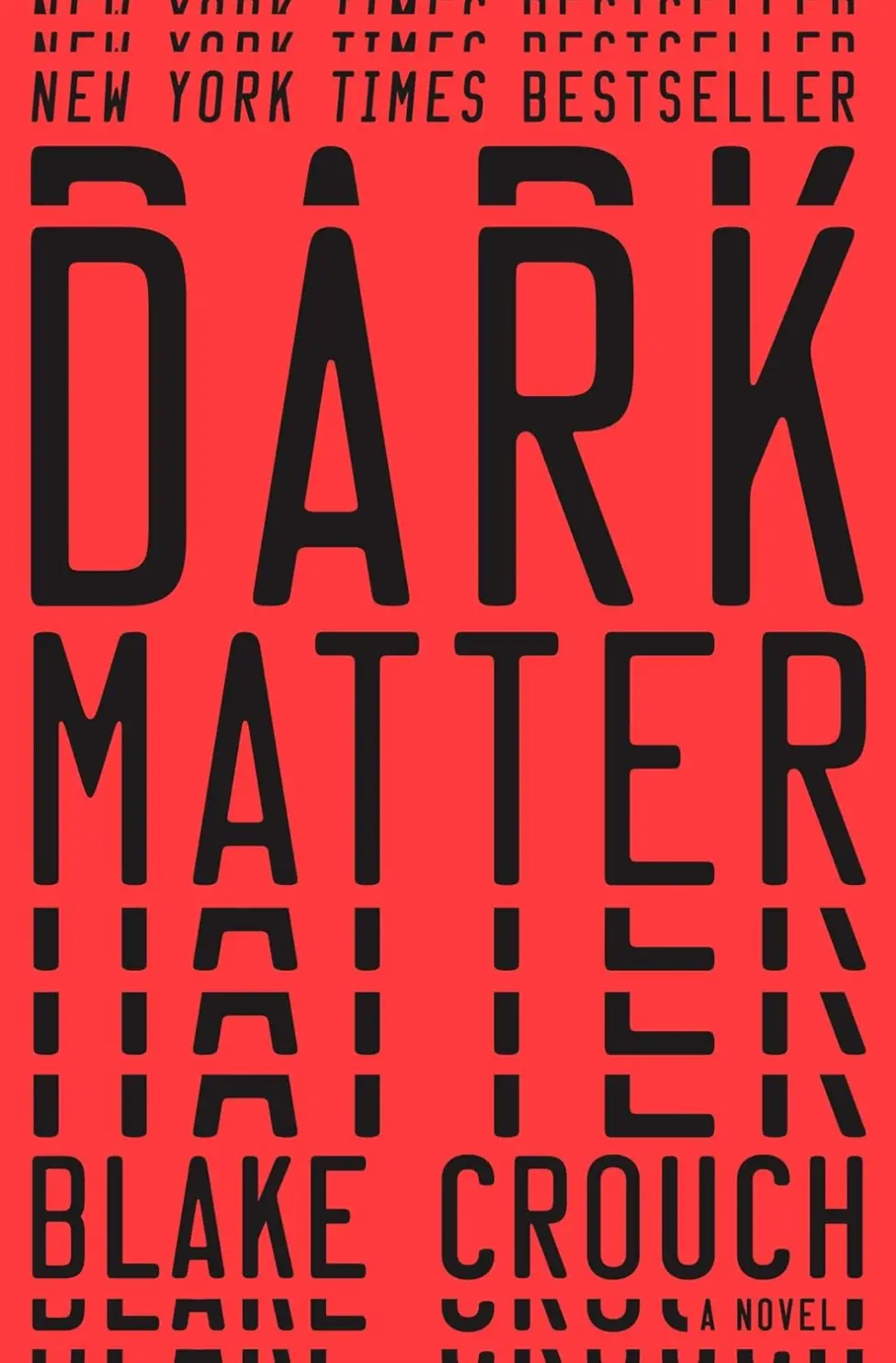
by Blake Crouch
We independently select and recommend books. Purchases made through our links may earn us a commission, at no extra cost to you. Prices and availability are set by each retailer.
Dark Matter by Blake Crouch is a gripping science fiction thriller where one man is forced to navigate infinite realities to reclaim his life, love, and identity.
Dark Matter by Blake Crouch is a fast-paced, emotionally charged science fiction thriller that explores the terrifying possibilities of the multiverse and the fragile nature of identity. Blending cutting-edge physics with deeply personal stakes, the novel asks a profound question: what would you sacrifice to reclaim the life you believe was meant to be yours?
The story follows Jason Dessen, a physicist who chose family over ambition - until one night he is abducted and wakes up in a world that is not his own. In this reality, Jason is a celebrated scientific genius, his wife is not his partner, and the son he loves does not exist. As Jason struggles to understand what has happened, he discovers that countless versions of his life are possible, each shaped by different choices.
At its core, Dark Matter is about identity and choice. Crouch uses the concept of parallel universes not as abstract theory, but as an emotional engine. Every alternate reality represents a path not taken - a reminder of how easily life can diverge. The novel explores the haunting idea that success, happiness, and fulfillment are deeply subjective, shaped as much by love and connection as by achievement.
The multiverse in Dark Matter is not wondrous - it is hostile, unstable, and unforgiving. Jason is forced to navigate endless versions of reality, many of them dangerous or profoundly alien. Survival depends on adaptability, intelligence, and emotional resilience. This framing reinforces the novel’s emphasis on survival under pressure, where intellect and determination become the only constants in an ever-shifting world.
Relationships anchor the story emotionally. Jason’s love for his wife and son drives the narrative forward, grounding the speculative science in human connection. The novel strongly embodies love as motivation, showing how devotion can fuel extraordinary endurance - but also dangerous obsession. Crouch does not shy away from the darker implications of desire when multiplied across infinite realities.
Pacing is relentless. Short chapters and escalating stakes keep tension high, while revelations arrive with brutal efficiency. Despite the complexity of its concepts, Dark Matter remains accessible, favouring clarity and momentum over dense exposition. Science serves the story, not the other way around.
Morality in the novel is intentionally blurred. As Jason encounters alternate versions of himself, the story interrogates whether identity is defined by memory, action, or intent. The idea of a “true” self begins to fracture, replaced by the unsettling truth that given enough opportunities, anyone could become something unrecognisable.
Dark Matter is ideal for readers who enjoy Science Fiction that combines high-concept ideas with emotional intensity. Thrilling, thought-provoking, and deeply human, the novel delivers a powerful meditation on choice, regret, and the lives we imagine - proving that the most dangerous universe may be the one where everything is possible.
Liu Cixin
The Three-Body Problem, book 2
Average Goodreads rating4.4
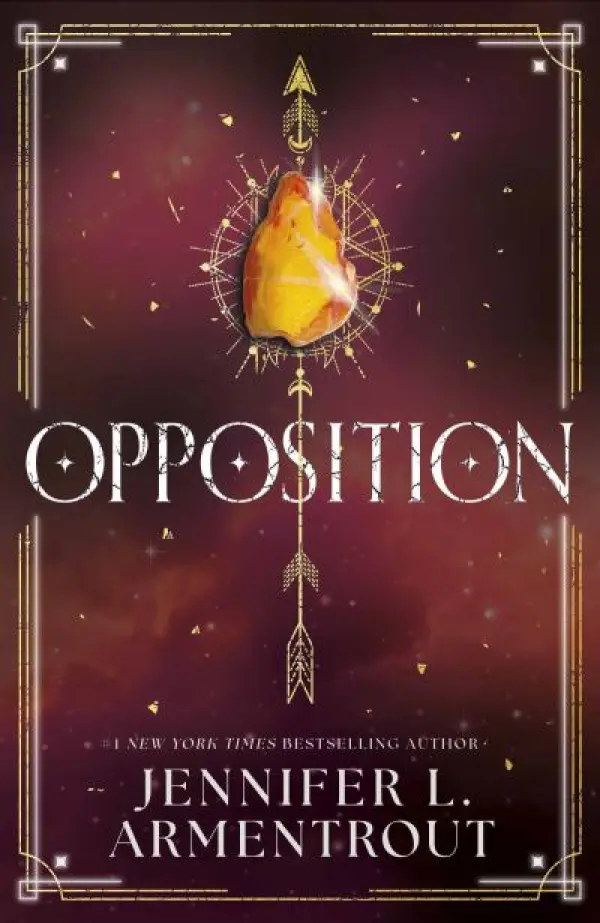
Jennifer L. Armentrout
Lux, book 5
Average Goodreads rating4.2
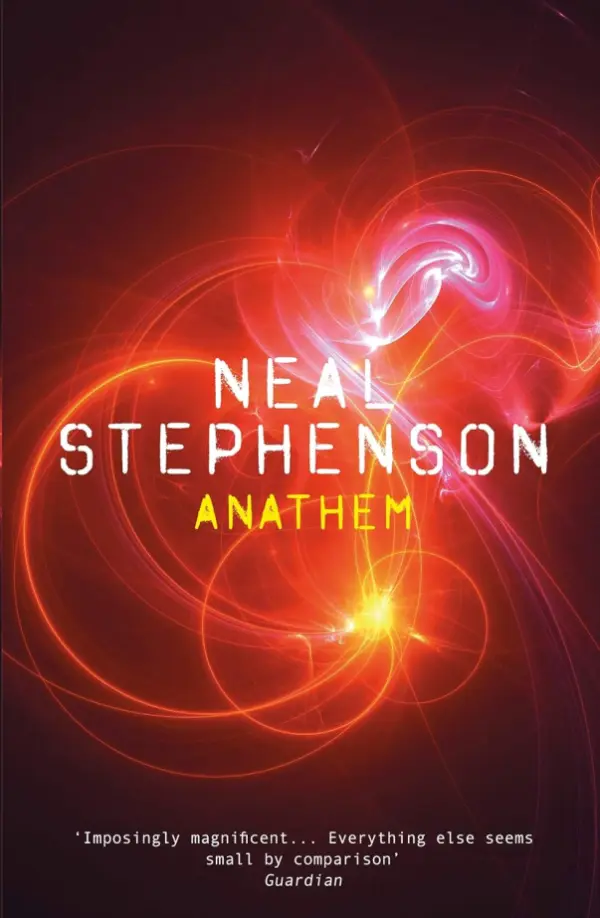
Neal Stephenson
Average Goodreads rating4.4
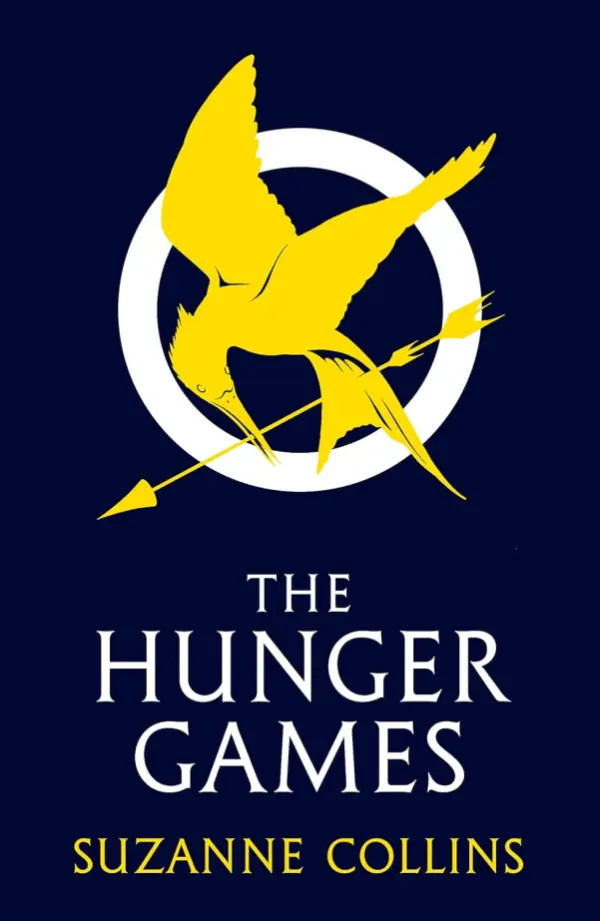
Suzanne Collins
Hunger Games, book 1
Average Goodreads rating4.7

Cormac McCarthy
Average Goodreads rating4.4

Adrian Tchaikovsky
Children of Time, book 1
Average Goodreads rating4.5
Still Looking?
Further down our similarity list, but still sharing tropes and genres with this book.

Octavia E. Butler
Parable, book 1
Average Goodreads rating4.4
Buy from Amazon (opens Amazon in a new tab)
Megan O'Keefe
The Scorched Continent, book 1
Average Goodreads rating4.1
Buy from Amazon (opens Amazon in a new tab)
Neal Shusterman
Arc of a Scythe, book 1
Average Goodreads rating4.5
Buy from Amazon (opens Amazon in a new tab)Blake Crouch is a bestselling author of high-concept thrillers and speculative fiction known for twisting reality, mind-bending plots, and emotional stakes tied to identity and memory.
Books, series and tropes by Blake Crouch
If you devoured Project Hail Mary's brilliant science, loveable protagonist, and unexpected friendship, discover 13 hard sci-fi books with the same addictive blend of problem-solving and heart.
Dark Matter
Buy from Amazon (opens Amazon in a new tab)Occasional emails with new recommendations, series news and trope round-ups.