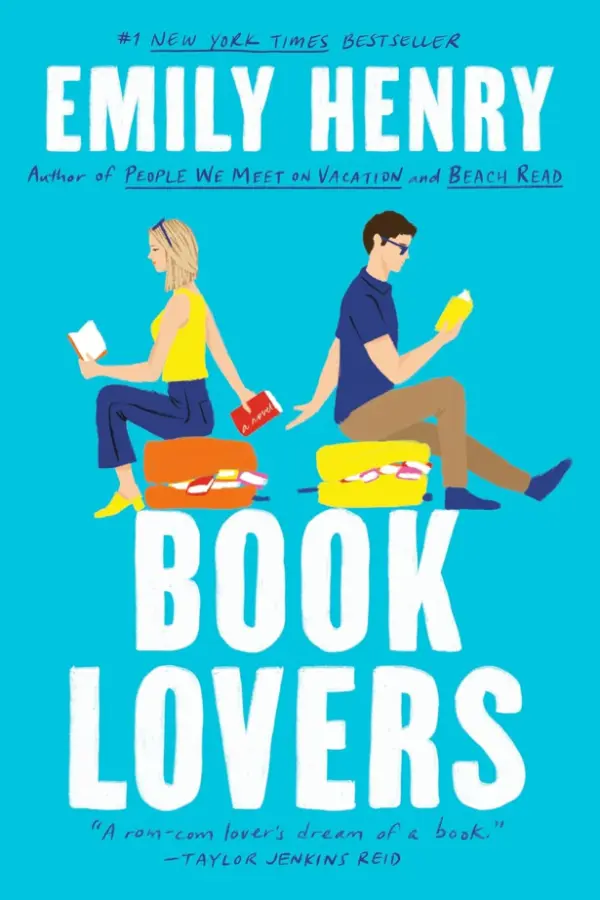
Book Lovers
Emily Henry
Average Goodreads rating4.1
- Witty Banter & Sharp Dialogue
- Trauma and Healing

Book trope · 19 books
Two characters who can't stand each other — and then, gradually, desperately, can't stand to be without each other. That's the core of rivals to lovers, one of the most reliably electric dynamics in both fantasy and romance fiction.
More about the Rivals to Lovers trope4 are tagged with Rivals to Lovers individually. The others belong to a series tagged with it, which doesn’t mean every book in it features the trope, so they’re marked “Matched via its series”.
Updating books…
19 books found
Emily Henry
Average Goodreads rating4.1
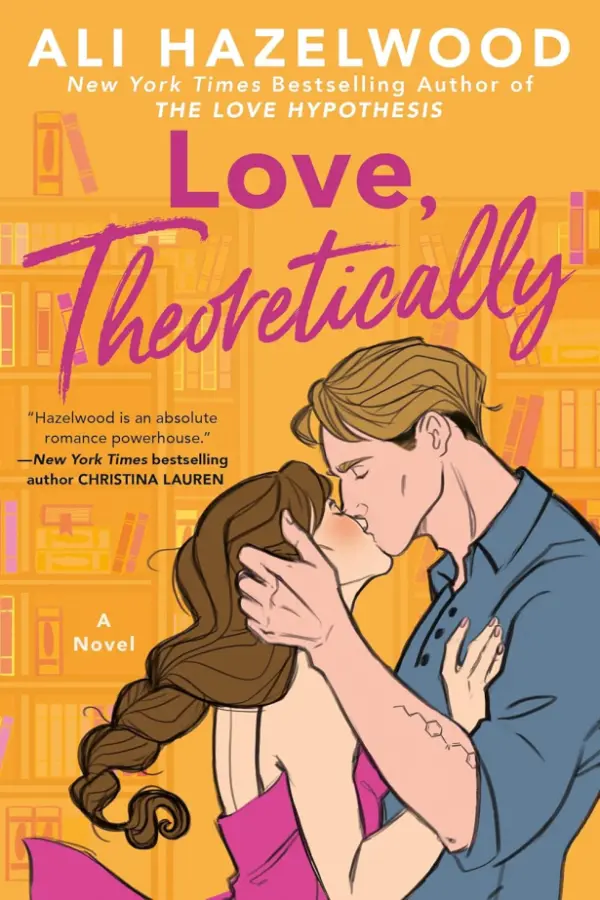
Ali Hazelwood
Average Goodreads rating4.1
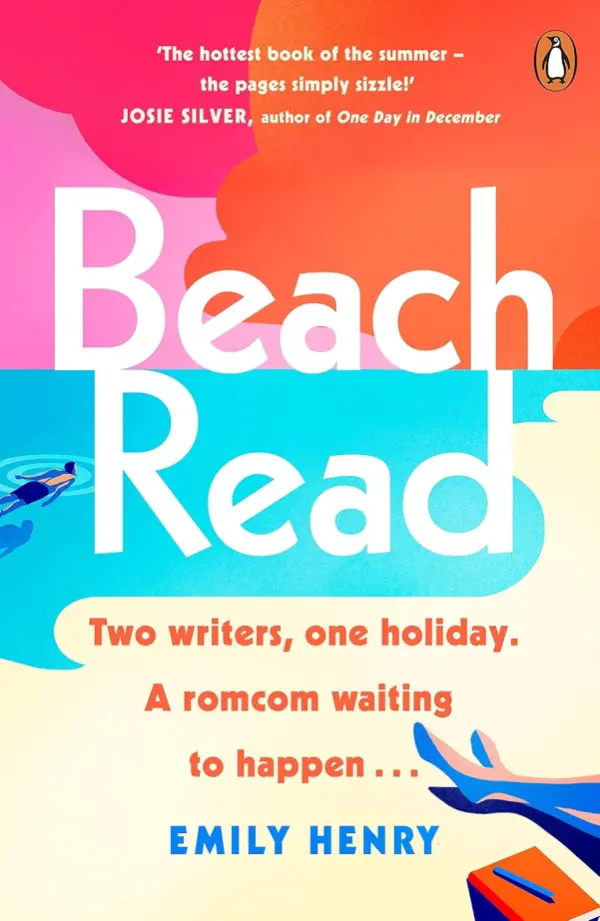
Emily Henry
Average Goodreads rating4.0
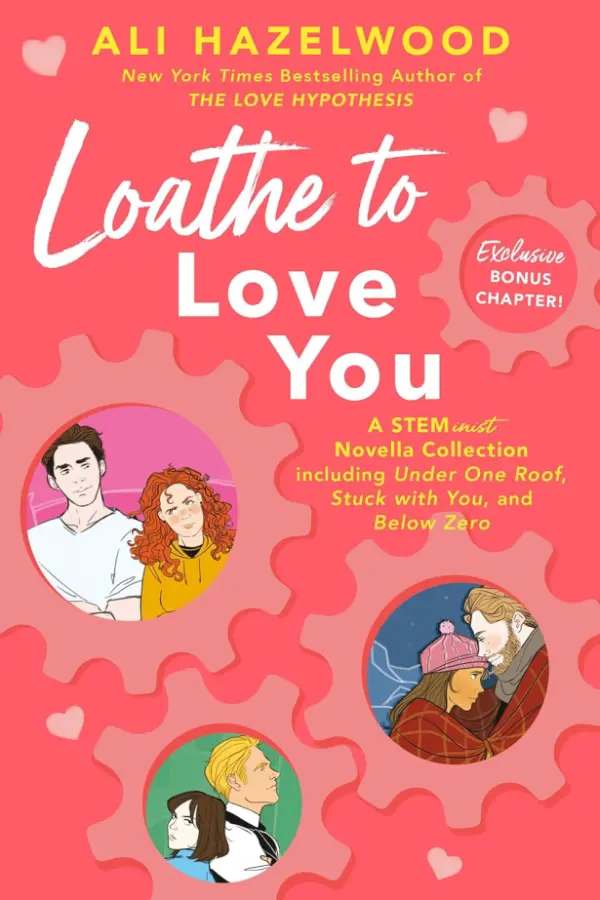
Ali Hazelwood
Average Goodreads rating3.8
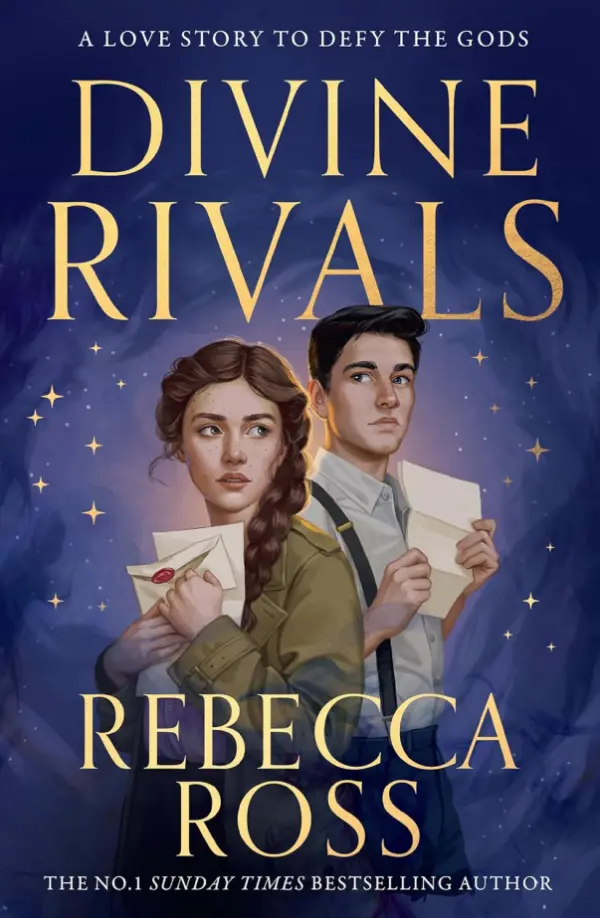
Rebecca Ross
Letters of Enchantment, book 1
Average Goodreads rating4.3
Matched via its series
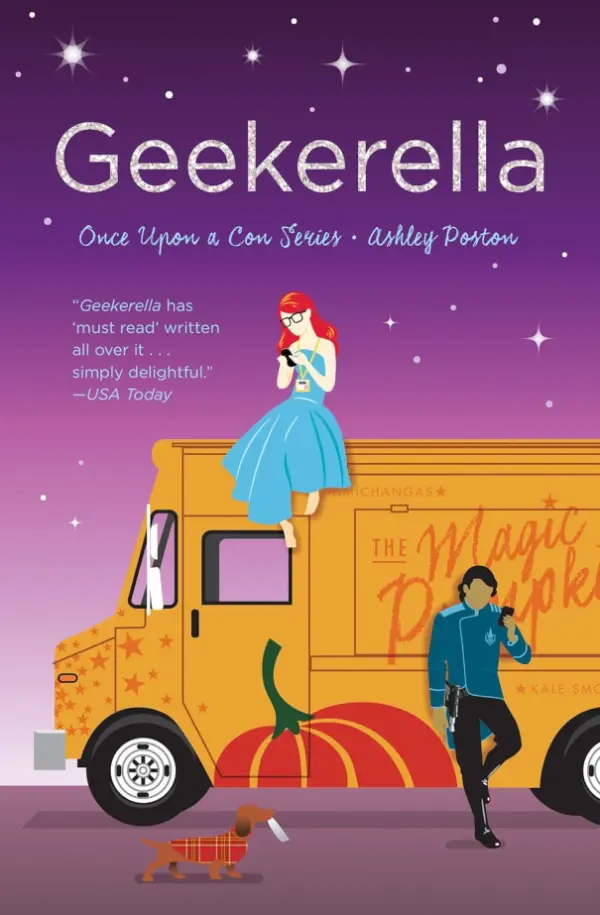
Ashley Poston
Once Upon A Con, book 1
Average Goodreads rating3.9
Matched via its series
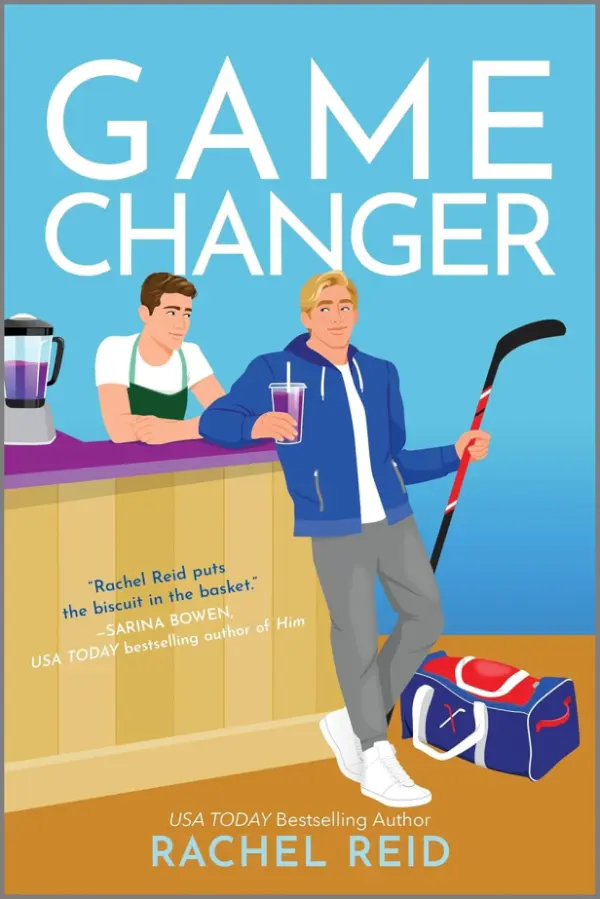
Rachel Reid
Game Changers, book 1
Average Goodreads rating3.9
Matched via its series
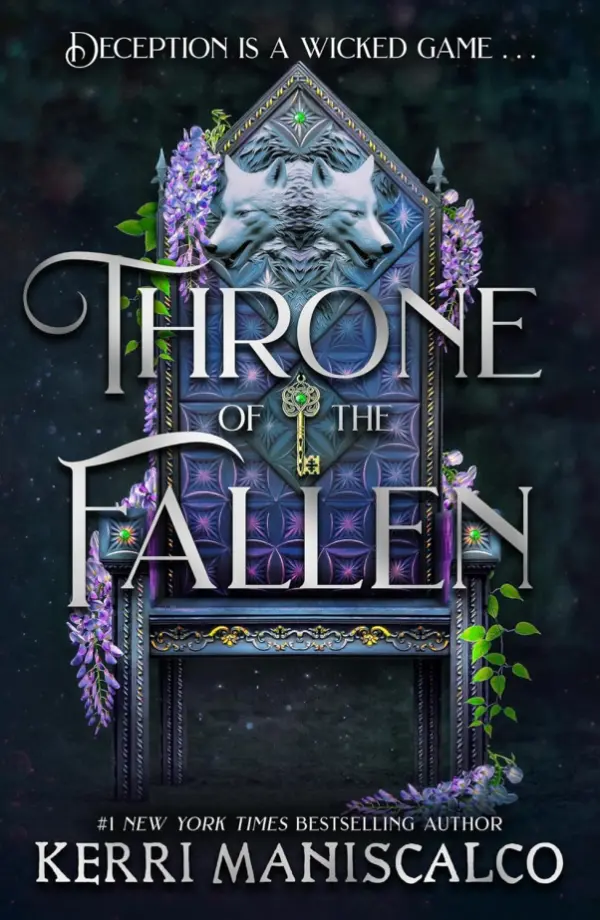
Kerri Maniscalco
Prince of Sin, book 1
Average Goodreads rating4.0
Matched via its series
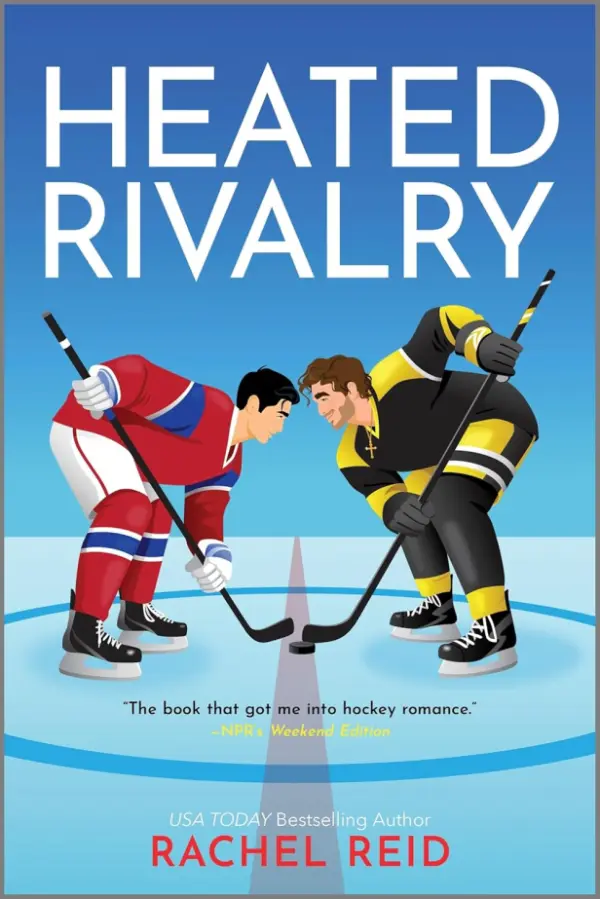
Rachel Reid
Game Changers, book 2
Average Goodreads rating4.3
Matched via its series
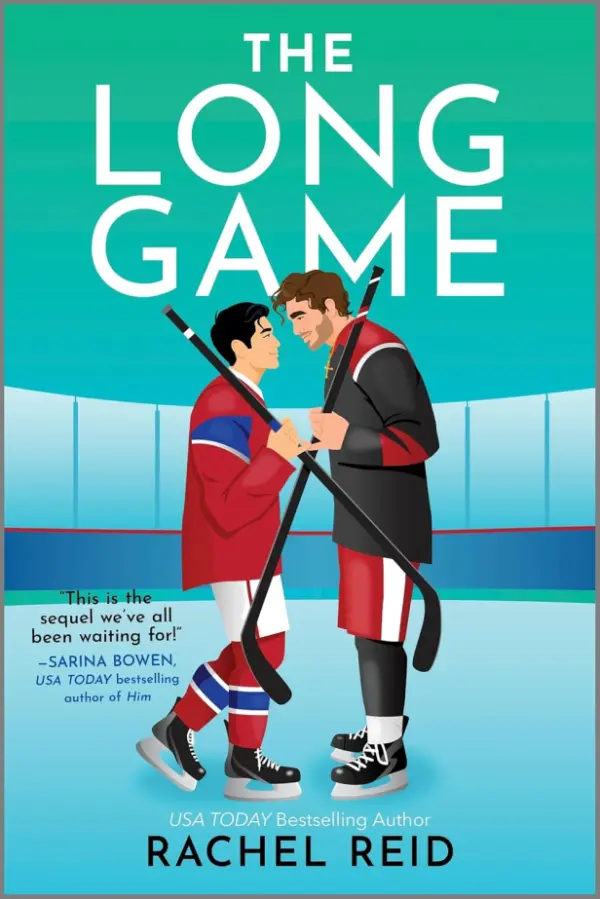
Rachel Reid
Game Changers, book 6
Average Goodreads rating4.5
Matched via its series
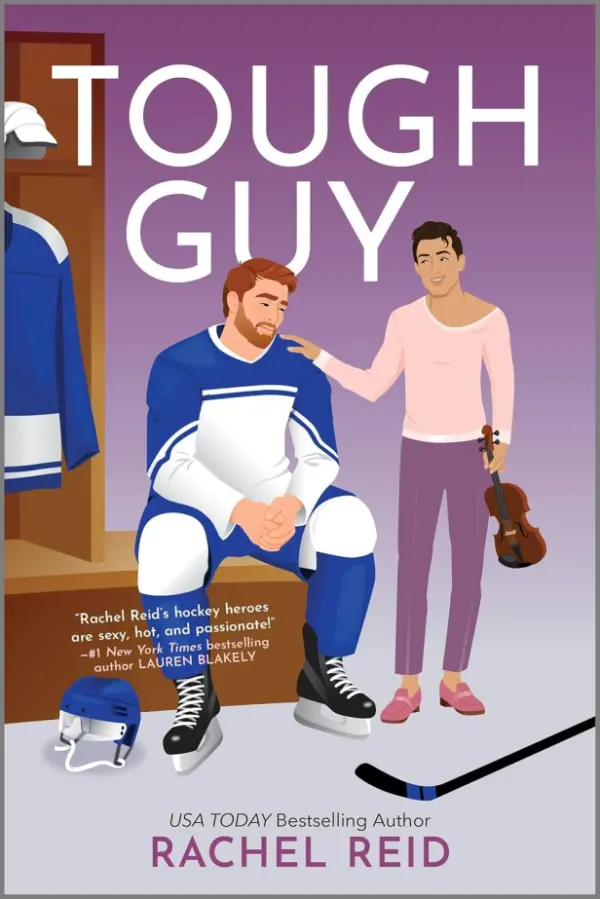
Rachel Reid
Game Changers, book 3
Average Goodreads rating3.6
Matched via its series
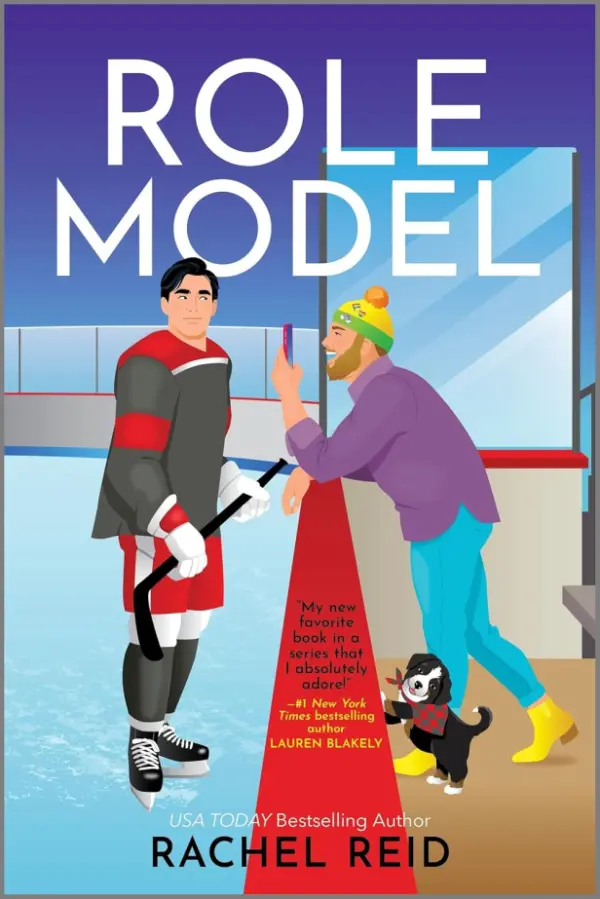
Rachel Reid
Game Changers, book 5
Average Goodreads rating4.2
Matched via its series
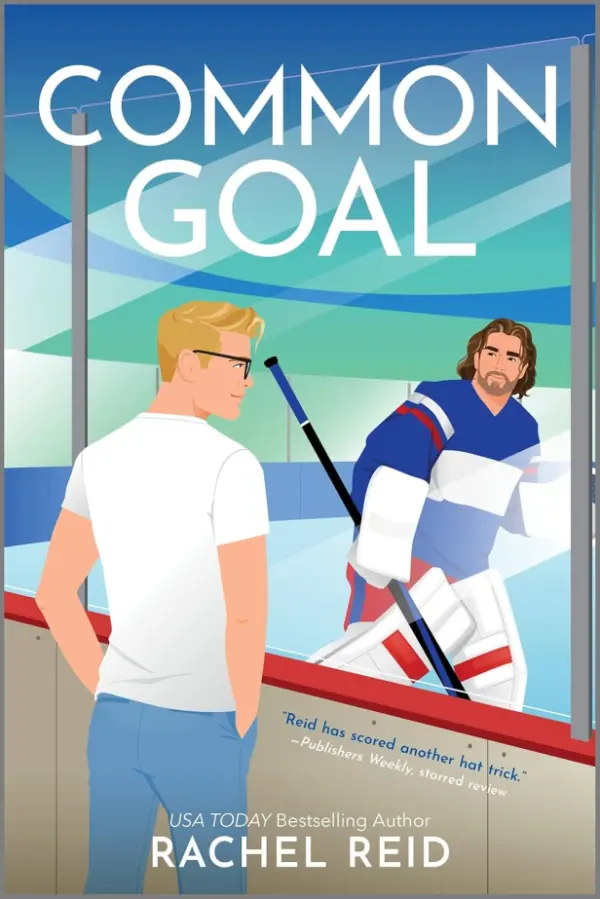
Rachel Reid
Game Changers, book 4
Average Goodreads rating3.7
Matched via its series
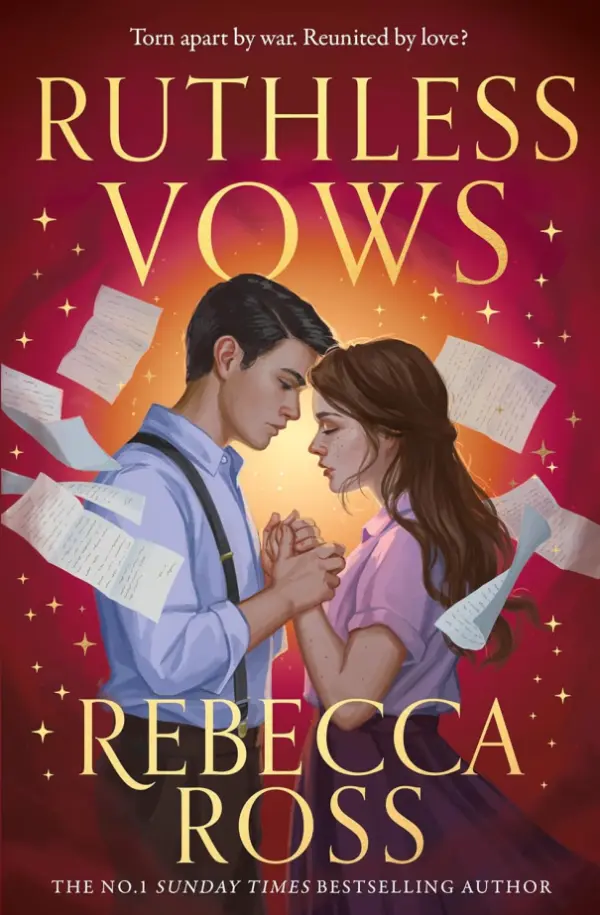
Rebecca Ross
Letters of Enchantment, book 2
Average Goodreads rating4.2
Matched via its series
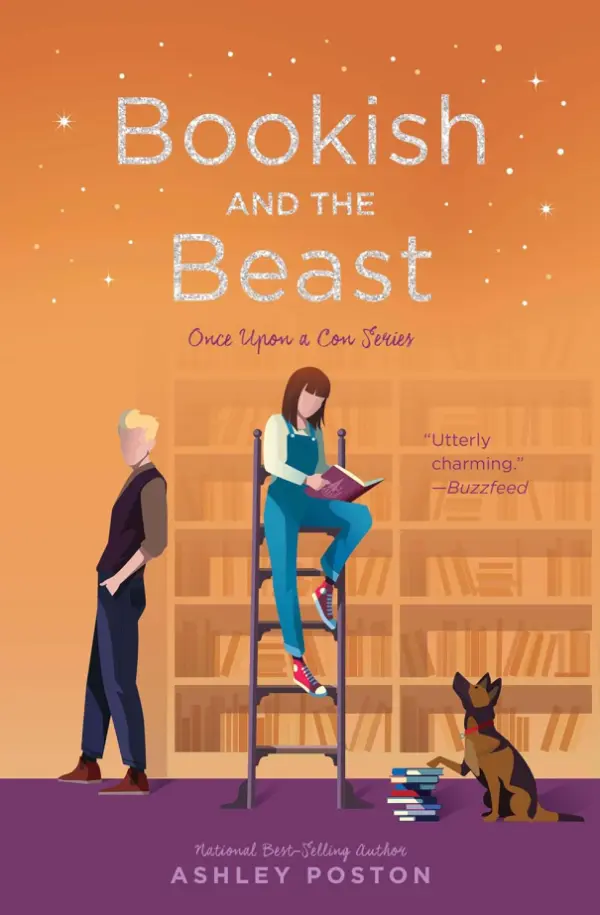
Ashley Poston
Once Upon A Con, book 3
Average Goodreads rating3.7
Matched via its series
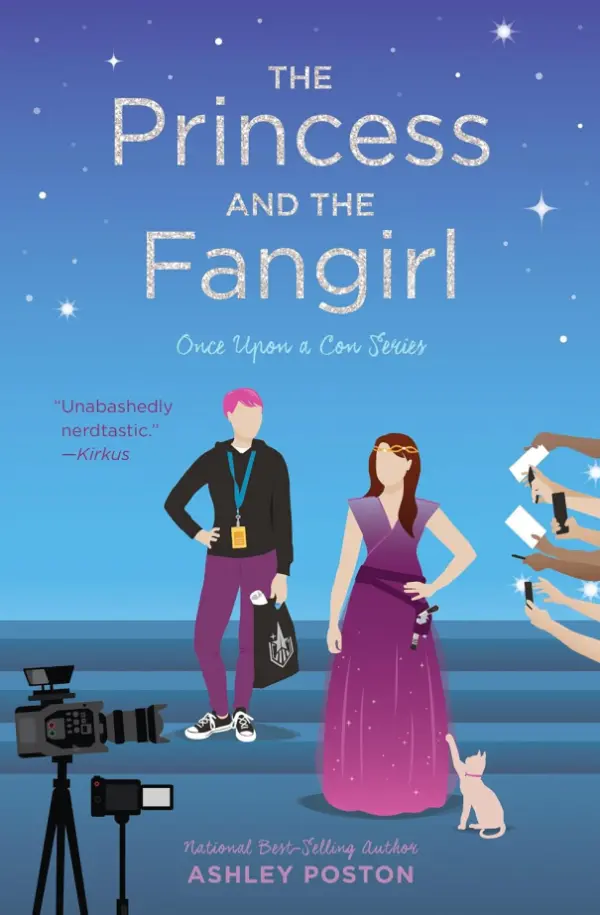
Ashley Poston
Once Upon A Con, book 2
Average Goodreads rating3.7
Matched via its series
Kerri Maniscalco
Prince of Sin, book 3
Average Goodreads rating4.0
Matched via its series
Kerri Maniscalco
Prince of Sin, book 2
Average Goodreads rating4.0
Matched via its series
Rachel Reid
Game Changers, book 7
Matched via its series
Tropes that share the most books with Rivals to Lovers
Two characters who can't stand each other — and then, gradually, desperately, can't stand to be without each other. That's the core of rivals to lovers, one of the most reliably electric dynamics in both fantasy and romance fiction. The tension isn't borrowed from external circumstances. It comes entirely from the relationship itself, built up through friction, history, and the slow, often unwilling recognition that the person who irritates you most is also the one you understand best.
What separates this from a simple enemies-to-lovers arc is the competitive dimension. These characters aren't just opposed by circumstance or allegiance — they're actively measuring themselves against one another. They've been each other's benchmark. The rivalry often predates the romance by years, sometimes a lifetime, which means by the time feelings complicate matters, there's real emotional weight behind every glare and every grudging compliment.
The appeal is rooted in something pleasingly contradictory: rivalry is a form of attention, and sustained, intense attention is uncomfortably close to desire. Readers feel that irony long before the characters are willing to admit it. There's enormous satisfaction in watching someone argue passionately against their own feelings, particularly when the person they're arguing about is right there, being infuriating and compelling in equal measure.
Banter is the trope's primary currency, and good rivals-to-lovers banter does double work — it's genuinely funny, and it's also a kind of coded emotional vocabulary between two people who aren't ready to be honest yet. Every sharp exchange carries what the characters won't say outright. Readers clock it immediately. That dramatic irony, that sense of knowing more than the protagonist does, is deeply satisfying to sit with.
The trope appears across a striking range of subgenres. In fantasy, rivalry often maps onto magical competition — two students vying for the same prestigious position, two warriors from opposing factions, two heirs to the same power. The stakes of the rivalry mirror the stakes of the wider world, which means the emotional pivot feels genuinely consequential rather than incidental to the plot.
In contemporary and historical romance, the competition tends to be professional or social — law firms, ballrooms, academic departments, sporting arenas. The setting shifts but the mechanics stay consistent: forced proximity, a moment where the mask slips, a reluctant alliance that complicates everything. That alliance is usually the turning point. Cooperation is far more dangerous than combat when you've spent years convinced someone is your opposite.
There's also significant variation in how the rivalry began. Some stories open mid-feud, trusting readers to feel the history without being shown it all. Others trace the rivalry back to a specific wound — a betrayal, a moment of humiliation, a competition one of them won unfairly. That origin shapes the emotional texture of the whole arc. A rivalry born of misunderstanding resolves differently from one rooted in genuine past harm, and the best versions of this trope take that distinction seriously.
Every rivals-to-lovers story is really building toward one thing: the crack in the armour. It might be a moment of unexpected vulnerability, a sacrifice neither character can explain away, or simply a quiet scene where the performance of rivalry drops and two people are suddenly just themselves. These scenes land so hard precisely because the reader has earned them through all the tension that came before.
The rivals-to-lovers trope endures because it understands something true about how people actually work — that our most intense relationships, the ones that shape us, rarely begin in comfort. Sometimes the person who challenges you most is doing something kinder than they know.
Occasional emails with new recommendations, series news and trope round-ups.