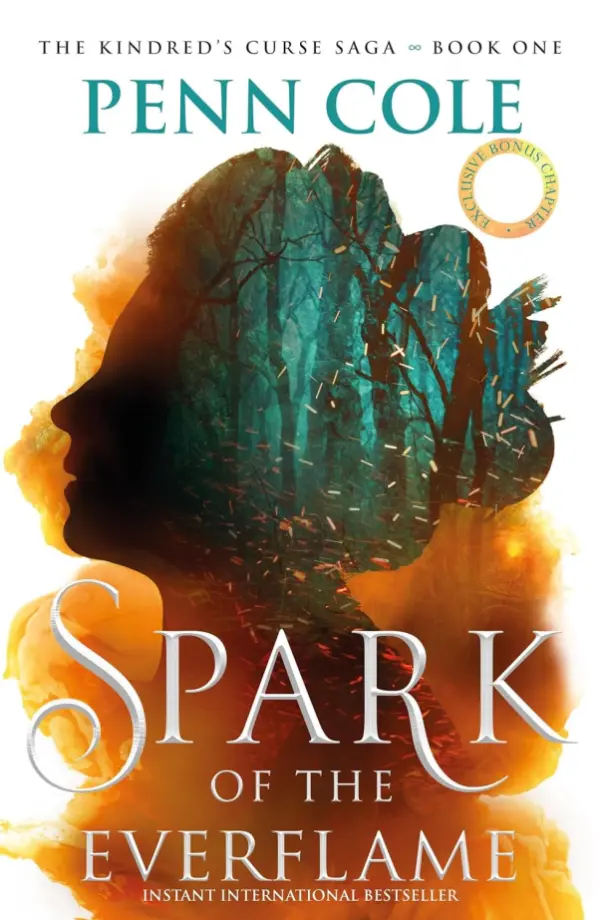
Spark of the Everflame
Penn Cole
The Kindred's Curse Saga, book 1
Average Goodreads rating4.4

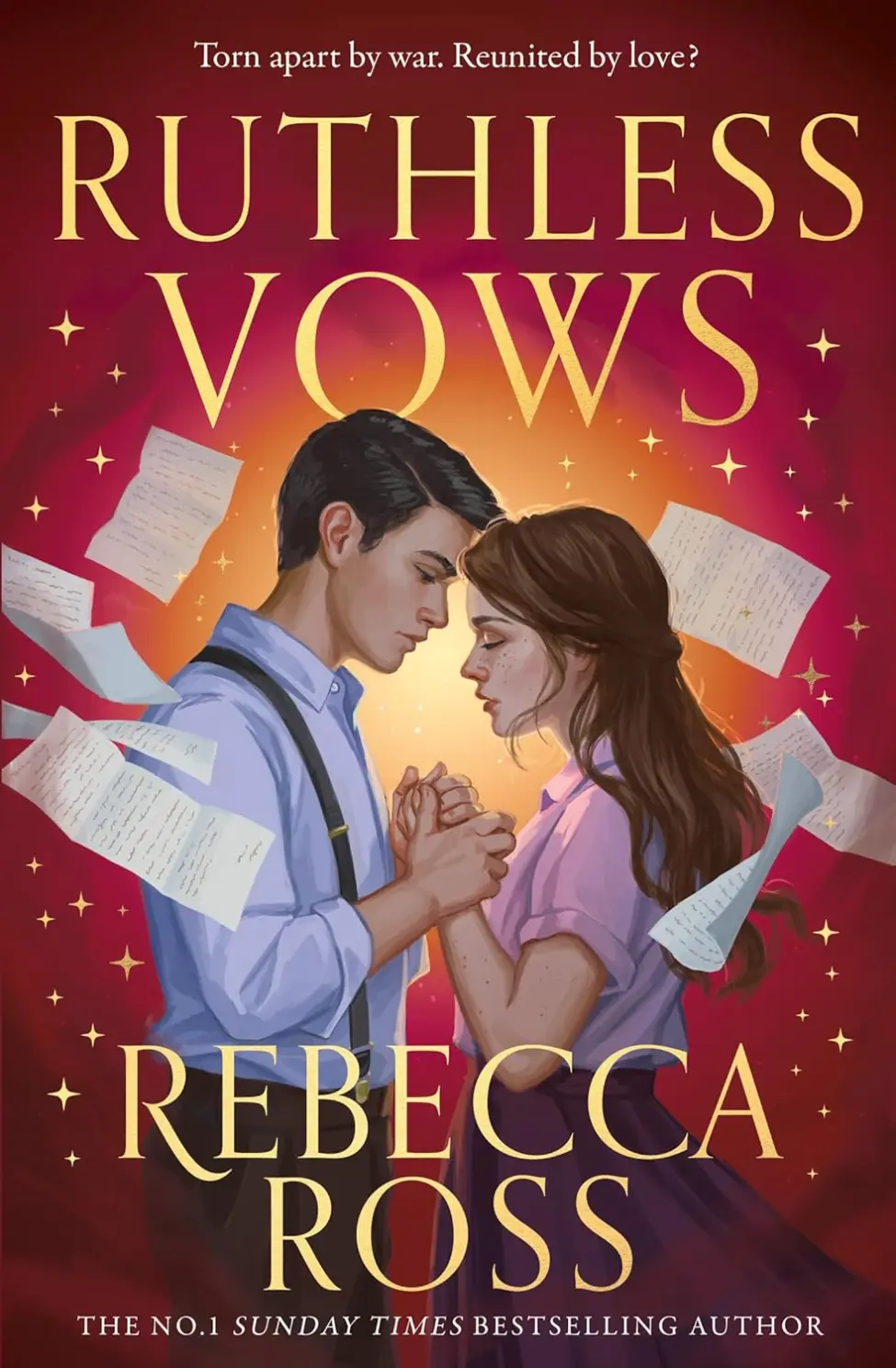
Book 2 in Letters of Enchantment
by Rebecca Ross
We independently select and recommend books. Purchases made through our links may earn us a commission, at no extra cost to you. Prices and availability are set by each retailer.
Ruthless Vows by Rebecca Ross continues Iris and Roman's story as identity revelation transforms their relationship whilst divine war escalates. This Letters of Enchantment sequel delivers emotional depth, wartime stakes, and the lyrical prose fans adore.
Tagged on the series as a whole, so not every book will feature each one.
Ruthless Vows is Rebecca Ross's 2024 conclusion to the Letters of Enchantment duology, continuing the epistolary fantasy romance that captivated readers whilst navigating the complicated terrain after the magical typewriter pen pal identity is revealed. Following Iris Winnow and Roman Kitt as they process the devastating realization that their anonymous correspondent - the person they've shared their deepest vulnerabilities with through letters - is their supposed rival, the novel explores what happens when epistolary connection must transform into physical proximity relationship, when the war between gods Dacre and Enva escalates to threaten everything, and when characters must choose between safety and the people they love. Through Ross's signature lyrical prose and emotionally resonant storytelling, the sequel delivers both the swoony romance readers expect and the wartime stakes that ground fantasy in genuine danger.
The novel opens with the aftermath of Divine Rivals's revelations. Iris and Roman now know their pen pal's identity, transforming their understanding of each other and their supposed rivalry. The vulnerability they shared through anonymous letters - admissions of fear, loneliness, family trauma - can no longer be hidden behind the safety of distance and anonymity. They must navigate building relationship face-to-face whilst processing that the person they fell for through words is the same person they thought they understood (and disliked) based on surface impressions.
Ross explores the complications of transitioning from epistolary romance to physical proximity. The intimacy built through letters doesn't automatically translate to comfort in person - vulnerability that felt safe when anonymous becomes terrifying when the person reading your fears can see your face. Iris and Roman must learn each other anew, reconciling the pen pal they fell for with the real person standing before them, complete with complications letters could safely omit.
The divine war escalates dramatically as Dacre's forces advance and Enva's resistance falters. The gods' conflict isn't background but immediate threat - cities fall, people Iris and Roman care about face danger, and the stakes extend beyond personal romance to survival of everyone in their world. Ross uses the wartime setting to explore how ordinary people navigate extraordinary circumstances, how journalists witness and document atrocities, and whether individual love matters when thousands suffer.
The separation that defined much of book one through letters becomes literal separation in the sequel as circumstances pull Iris and Roman apart. Ross employs letters again - but now written with full knowledge of recipient's identity - to maintain connection across distance whilst war threatens to make that distance permanent. The correspondence takes on new weight when characters know exactly who reads their words and fears they might be the last communication if worst happens.
Supporting characters face their own crucibles as war forces everyone to make impossible choices. Iris's search for her brother Forest reaches resolution, Roman confronts his family dynamics under wartime pressure, and fellow correspondents navigate the ethical dilemmas of documenting conflict whilst remaining human enough to care about outcomes.
Themes of vulnerability in known relationships versus anonymous safety, war's impact on love and survival, choosing courage despite fear, words as connection across distance, and whether individual happiness matters during collective crisis run throughout.
Ross's prose maintains the lyrical quality that made the first book beloved whilst delivering the emotional payoffs readers invested across two books to reach. The letters between Iris and Roman - now written with full awareness - carry different intimacy than anonymous correspondence whilst proving connection through words remains powerful even when identities are known.
The ending provides resolution for both the romantic arc and the divine war's immediate stakes whilst honouring the complexity of wartime romance.
Penn Cole
The Kindred's Curse Saga, book 1
Average Goodreads rating4.4
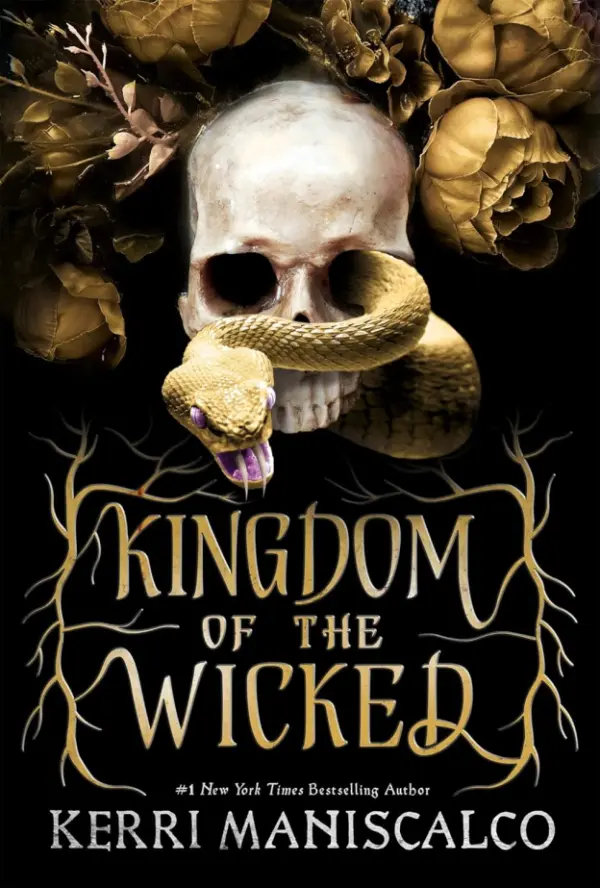
Kerri Maniscalco
Kingdom of the Wicked, book 1
Average Goodreads rating4.2
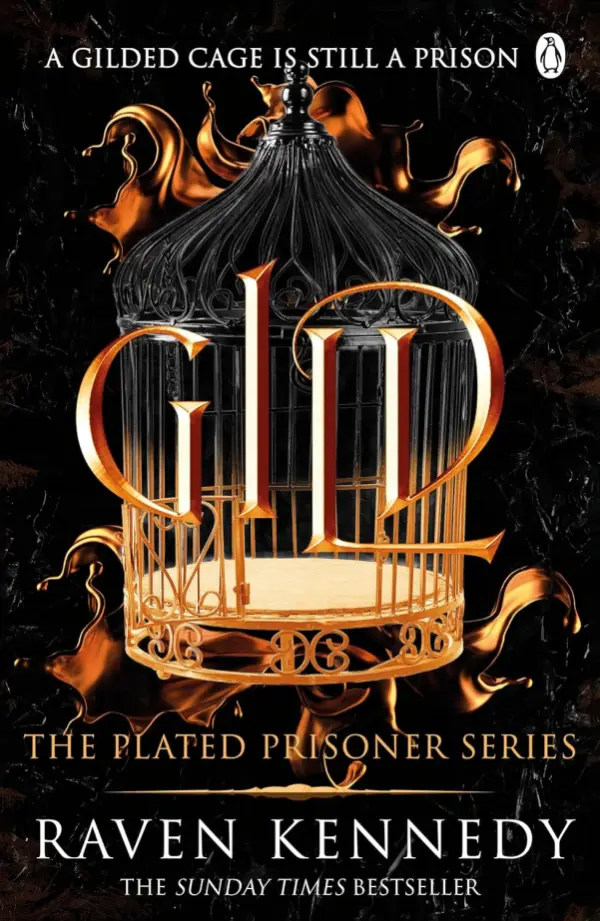
Raven Kennedy
The Plated Prisoner Series, book 1
Average Goodreads rating4.0
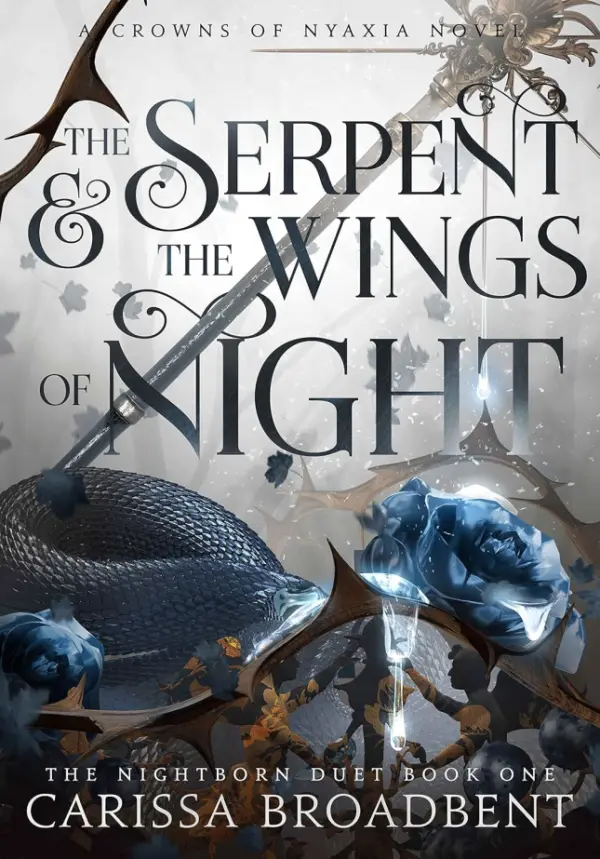
Carissa Broadbent
Crowns of Nyaxia, book 1
Average Goodreads rating4.5
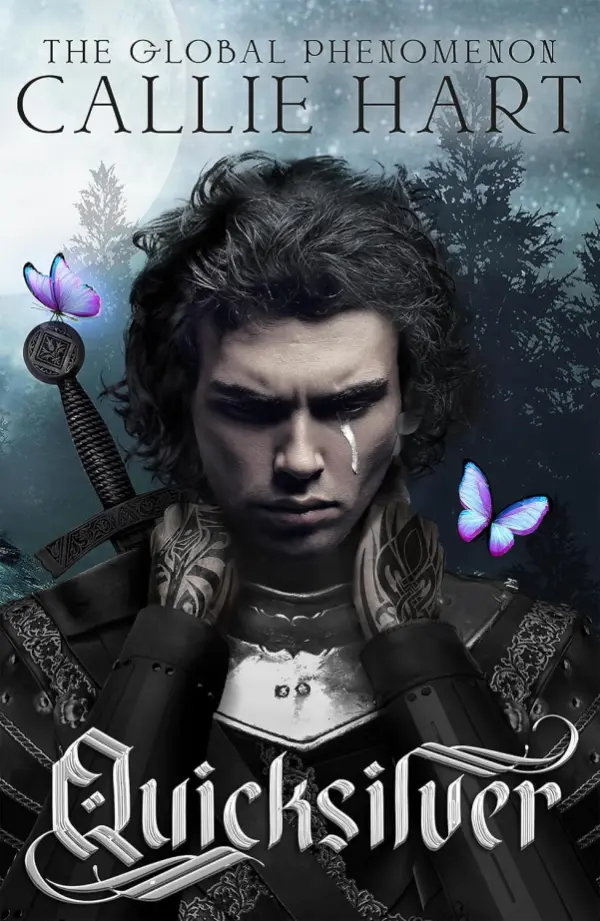
Callie Hart
Fae & Alchemy, book 1
Average Goodreads rating4.6

Sarah J. Maas
A Court of Thorns and Roses (ACOTAR), book 1
Average Goodreads rating4.5
Still Looking?
Further down our similarity list, but still sharing tropes and genres with this book.
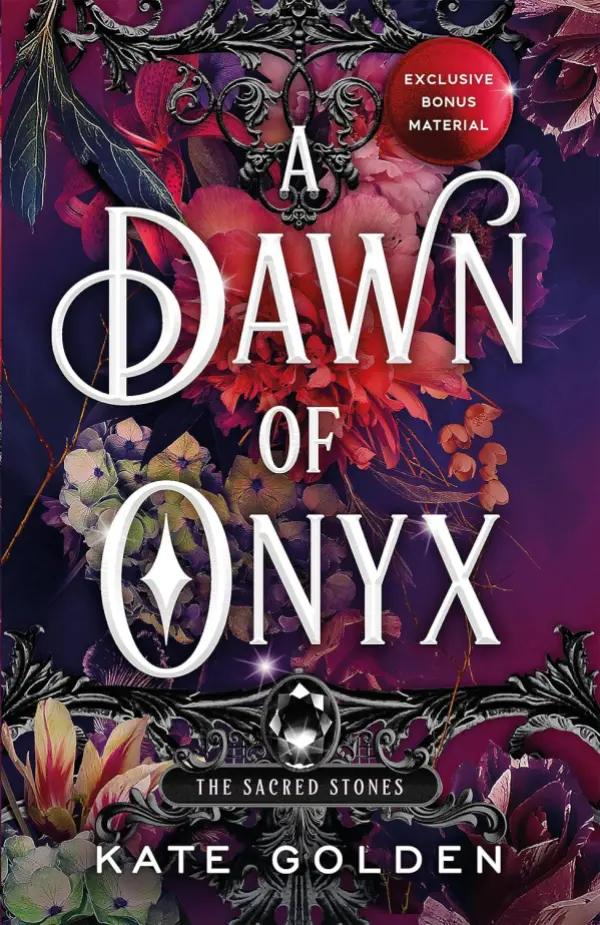
Kate Golden
Sacred Stones, book 1
Average Goodreads rating4.3
Buy from Amazon (opens Amazon in a new tab)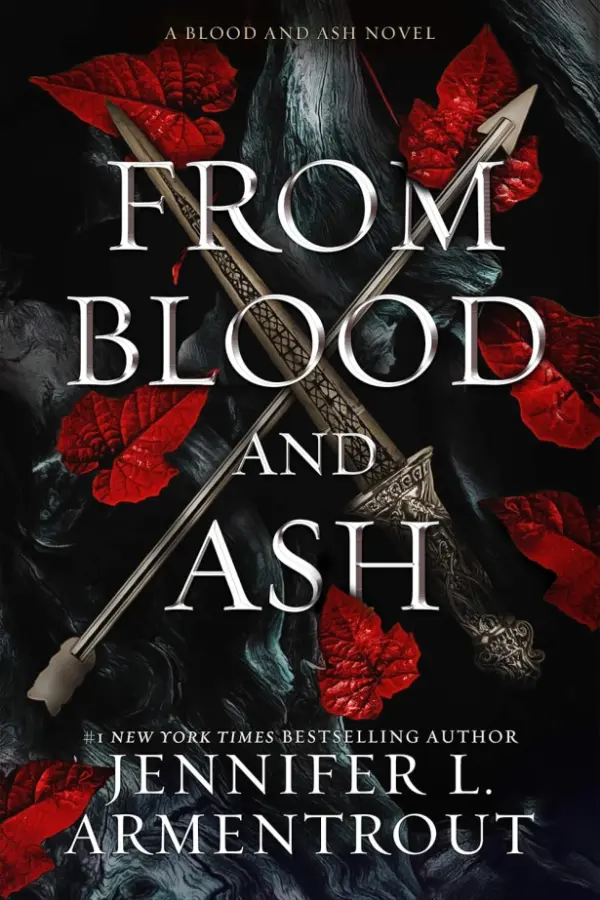
Jennifer L. Armentrout
Blood And Ash, book 1
Average Goodreads rating4.6
Buy from Amazon (opens Amazon in a new tab)
Stephanie Garber
Caraval, book 1
Average Goodreads rating4.2
Buy from Amazon (opens Amazon in a new tab)Rebecca Ross is a bestselling fantasy romance author known for lyrical prose and emotional depth. Celebrated for Divine Rivals and Elements of Cadence duology, she crafts romantasy blending war, letters, music magic, and swoony relationships with literary quality.
Books, series and tropes by Rebecca RossRuthless Vows
Buy from Amazon (opens Amazon in a new tab)Occasional emails with new recommendations, series news and trope round-ups.