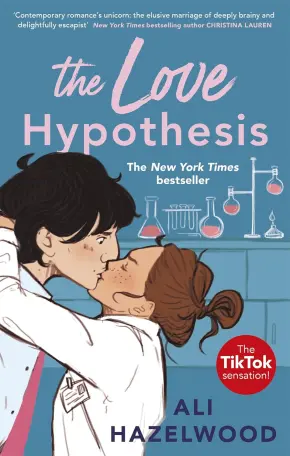
The Love Hypothesis
Ali Hazelwood
Average Goodreads rating4.1
- Witty Banter & Sharp Dialogue
- Grumpy-Sunshine Dynamic

Book trope · 38 books
At its core, emotional vulnerability is the moment a character stops pretending they're fine. It's the crack in the armour, the confession that comes out wrong, the tears held back for too long finally breaking through.
More about the Emotional Vulnerability trope19 are tagged with Emotional Vulnerability individually. The others belong to a series tagged with it, which doesn’t mean every book in it features the trope, so they’re marked “Matched via its series”.
Updating books…
38 books found
Ali Hazelwood
Average Goodreads rating4.1
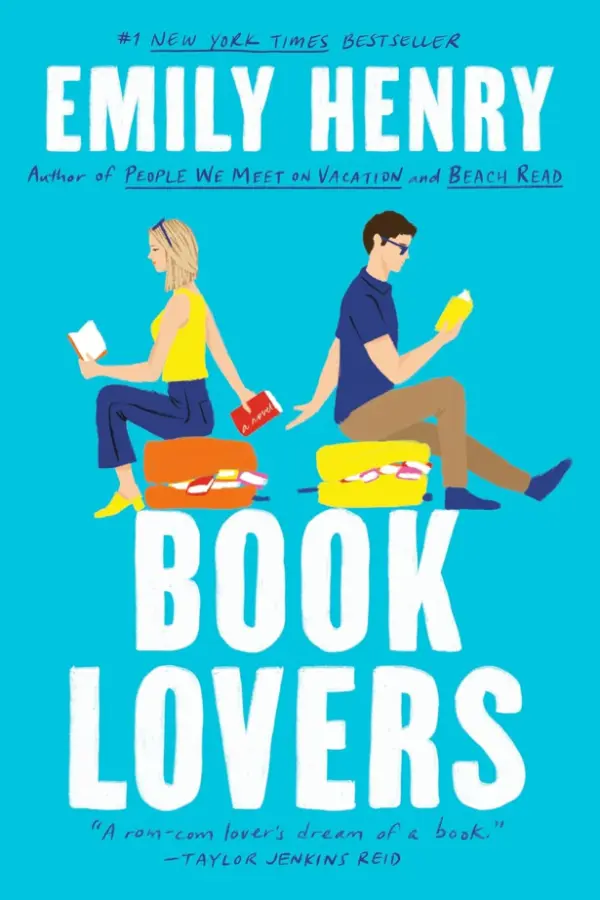
Emily Henry
Average Goodreads rating4.1

Emily Henry
Average Goodreads rating4.2
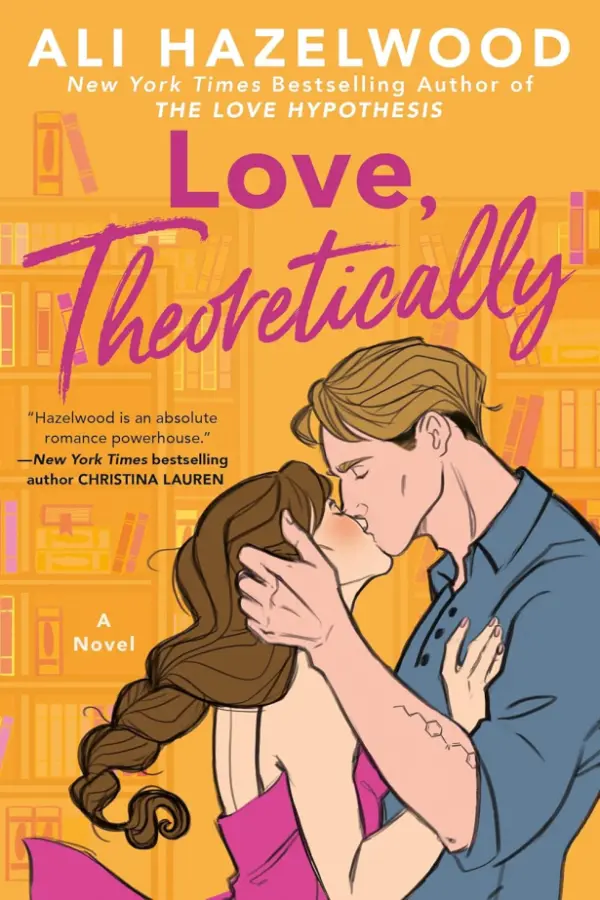
Ali Hazelwood
Average Goodreads rating4.1
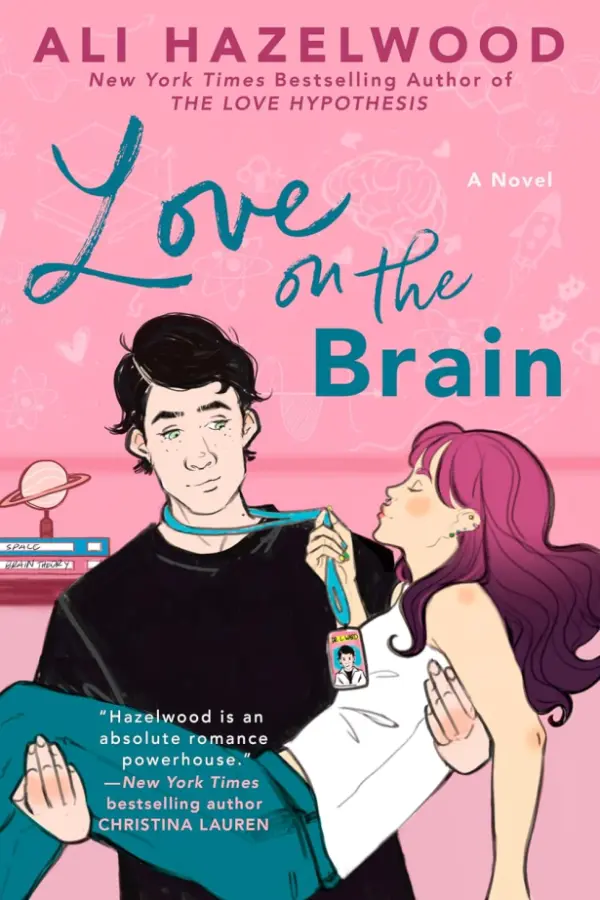
Ali Hazelwood
Average Goodreads rating3.9
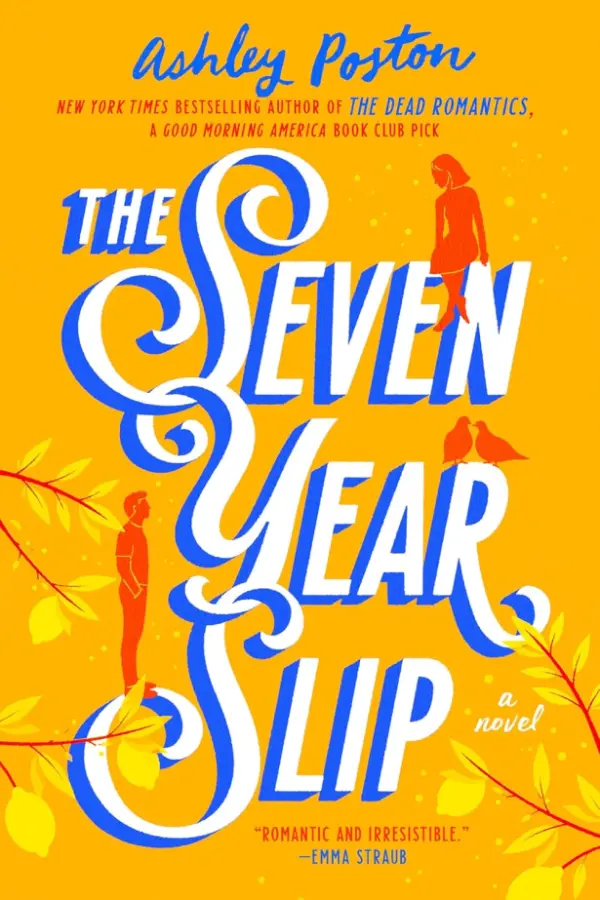
Ashley Poston
Average Goodreads rating4.1
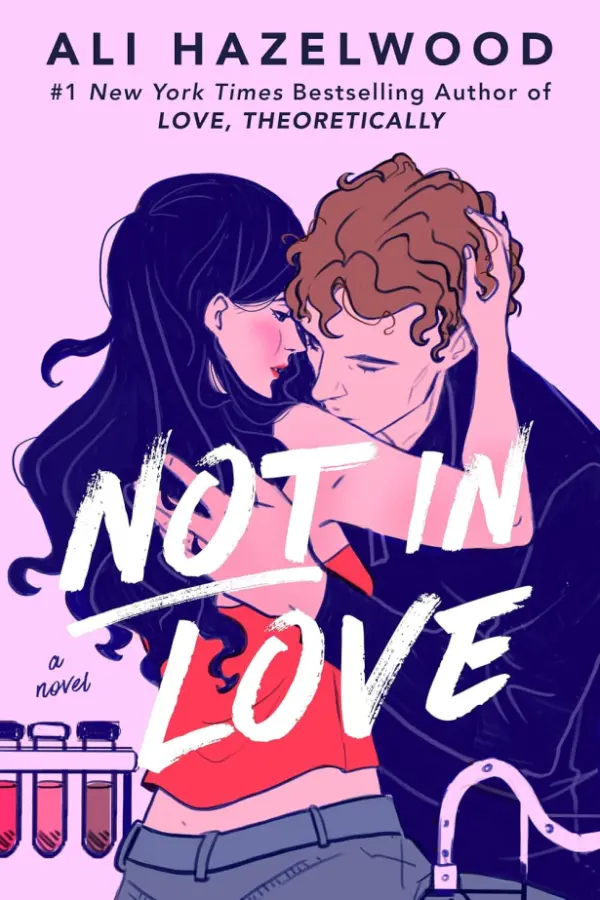
Ali Hazelwood
Average Goodreads rating3.6
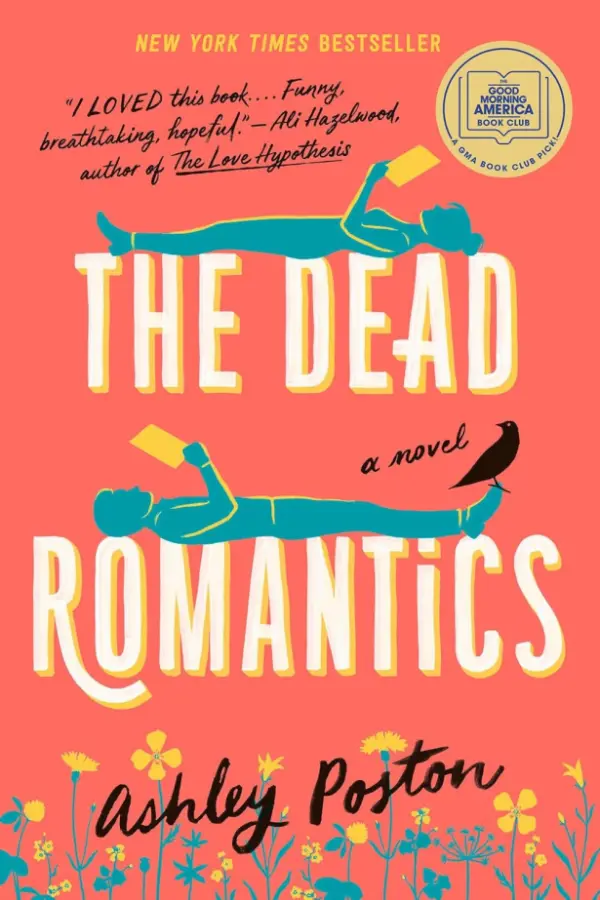
Ashley Poston
Average Goodreads rating3.9
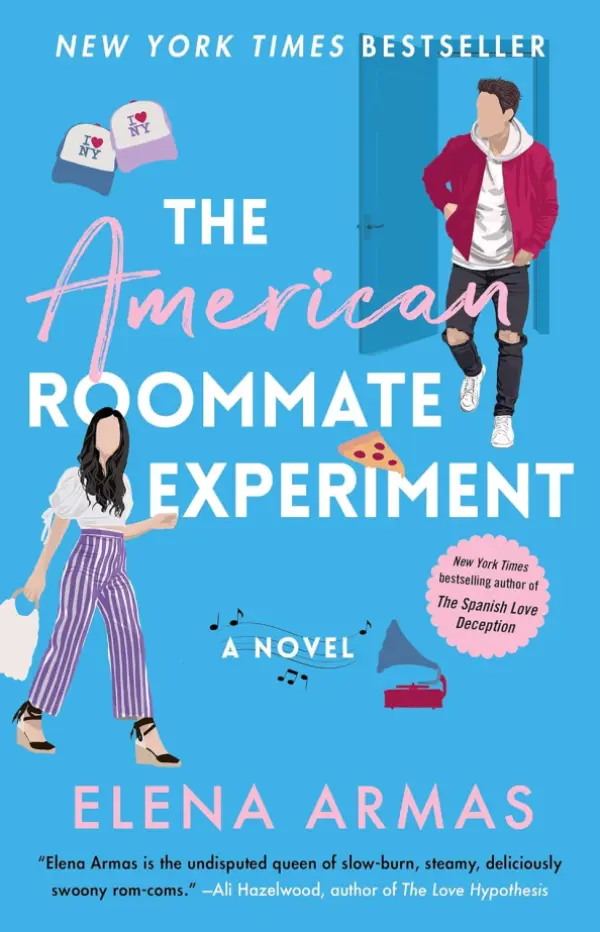
Elena Armas
Average Goodreads rating3.8
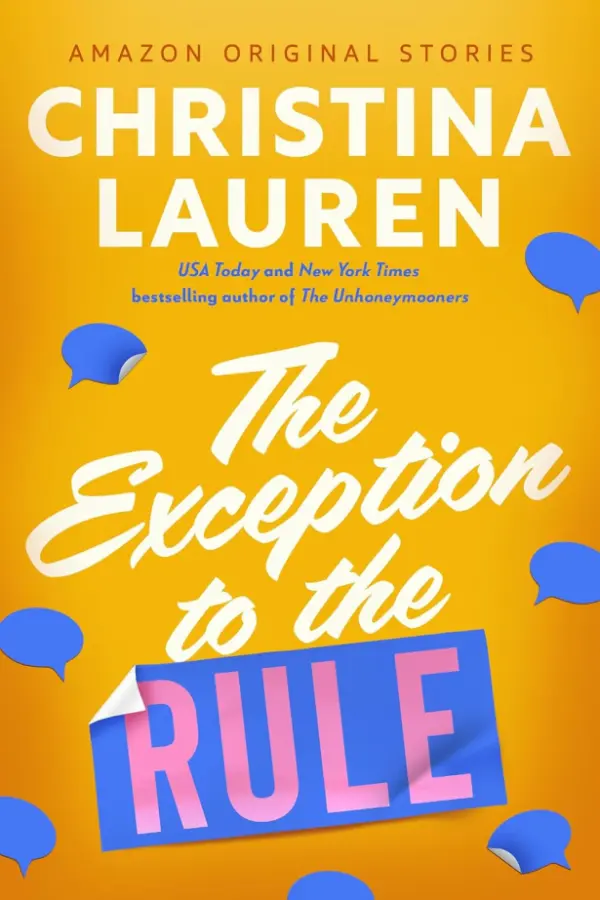
Christina Lauren
Average Goodreads rating4.2
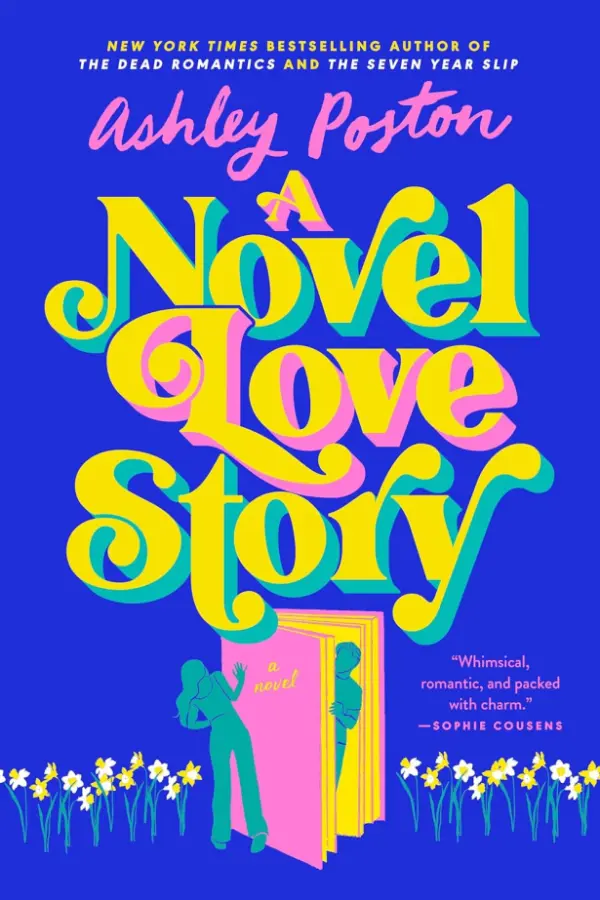
Ashley Poston
Average Goodreads rating3.6
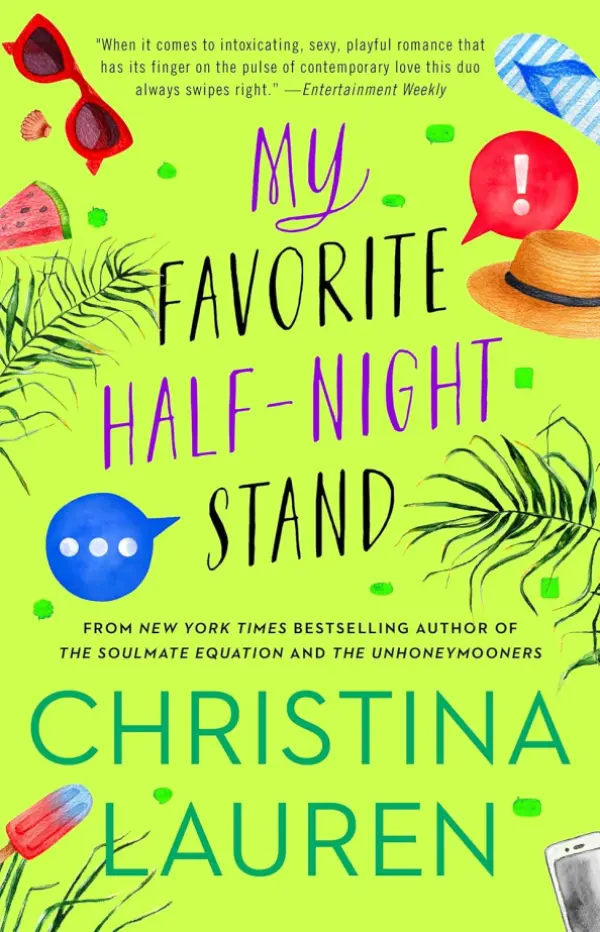
Christina Lauren
Average Goodreads rating3.7
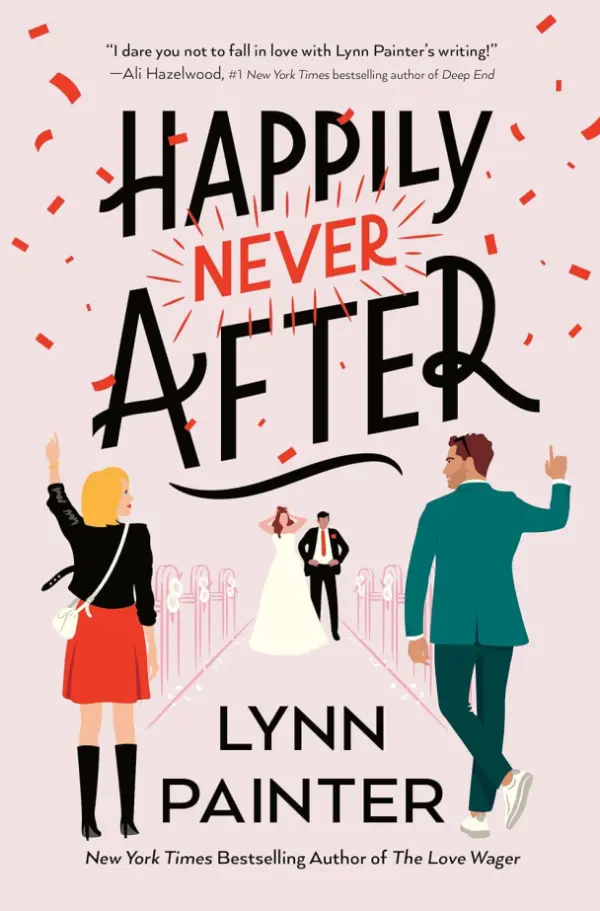
Lynn Painter
Average Goodreads rating3.7
Ashley Poston
Average Goodreads rating3.8
Christina Lauren
Average Goodreads rating4.6

Lynn Painter
Average Goodreads rating3.8
Lynn Painter
Average Goodreads rating4.5
Ashley Poston
Average Goodreads rating4.1
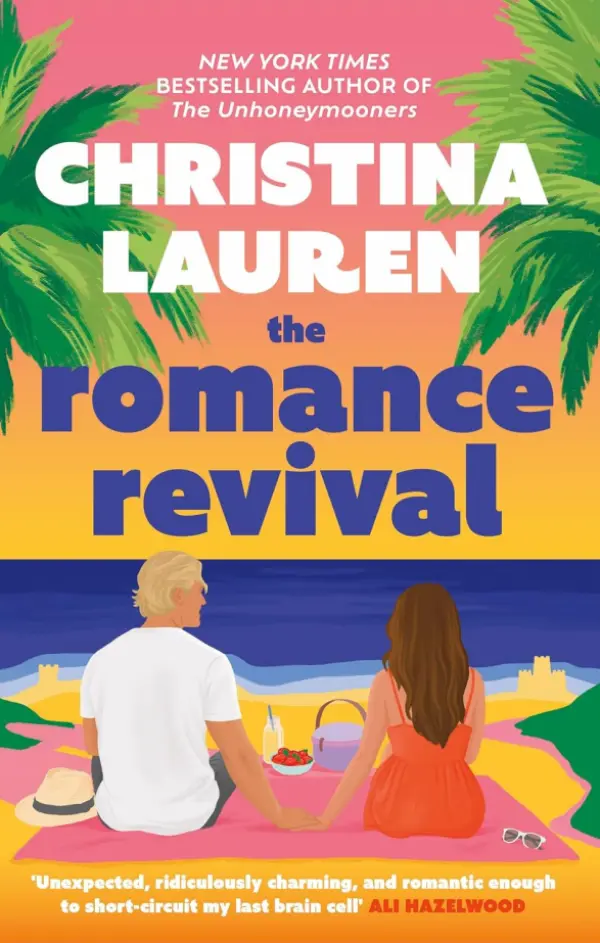
Christina Lauren
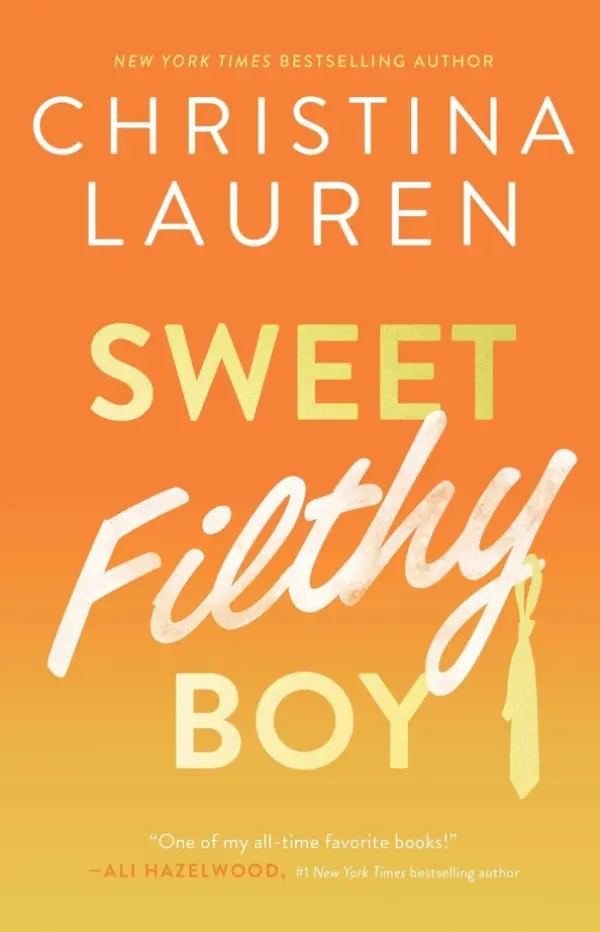
Christina Lauren
Wild Seasons, book 1
Average Goodreads rating3.9
Matched via its series
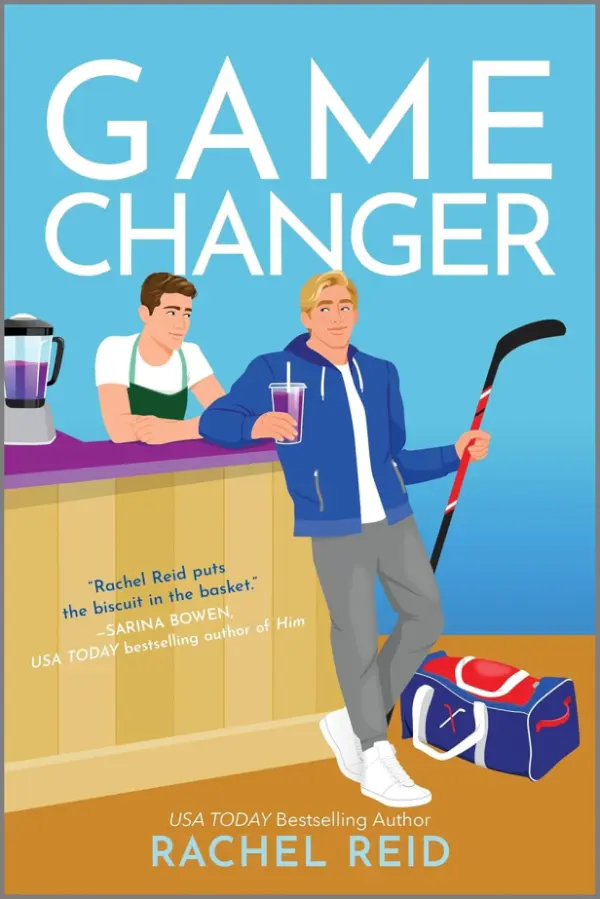
Rachel Reid
Game Changers, book 1
Average Goodreads rating3.9
Matched via its series
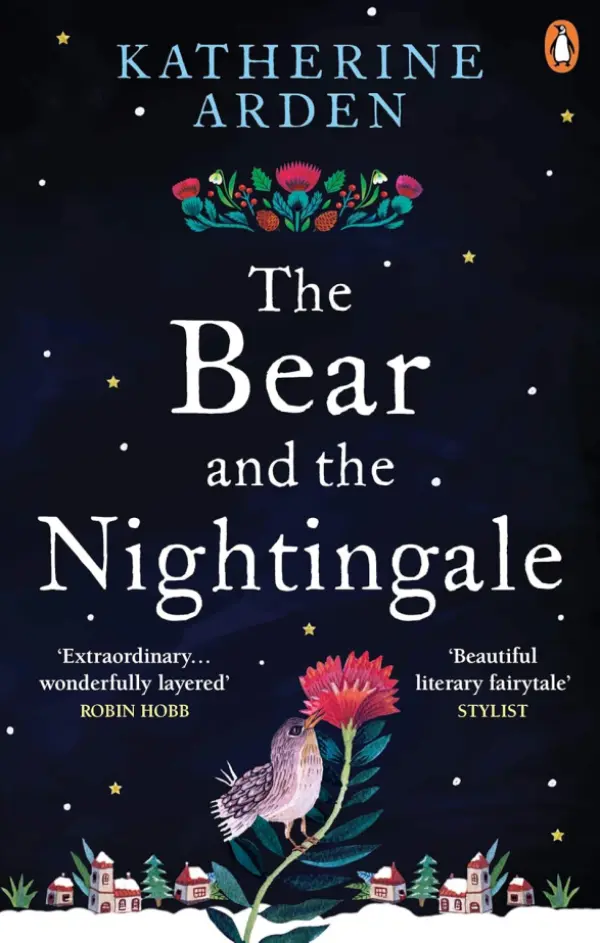
Katherine Arden
Winternight Trilogy, book 1
Average Goodreads rating4.4
Matched via its series

Brandon Sanderson
The Stormlight Archive, book 1
Average Goodreads rating4.7
Matched via its series

Rachel Reid
Game Changers, book 2
Average Goodreads rating4.3
Matched via its series
Rachel Reid
Game Changers, book 6
Average Goodreads rating4.5
Matched via its series
Rachel Reid
Game Changers, book 3
Average Goodreads rating3.6
Matched via its series
Rachel Reid
Game Changers, book 5
Average Goodreads rating4.2
Matched via its series
Rachel Reid
Game Changers, book 4
Average Goodreads rating3.7
Matched via its series
Christina Lauren
Wild Seasons, book 2
Average Goodreads rating4.1
Matched via its series
Christina Lauren
Wild Seasons, book 3
Average Goodreads rating3.9
Matched via its series
Tropes that share the most books with Emotional Vulnerability
At its core, emotional vulnerability is the moment a character stops pretending they're fine. It's the crack in the armour, the confession that comes out wrong, the tears held back for too long finally breaking through. Readers gravitate towards it because it feels honest in a way that action and plot rarely do. Swords and magic can carry a story, but a character admitting they're scared — or grieving, or lonely, or desperately in love — is what makes readers close a book and sit quietly for a moment.
The trope is less about what happens and more about what's revealed. A character becomes emotionally vulnerable when they allow another person — or sometimes just the reader — to see the parts of themselves they'd rather keep hidden. That exposure is the whole point.
The key ingredient is risk. Vulnerability without stakes is just confession; what gives the trope its power is the possibility that the person on the receiving end might not respond well. A guarded warrior admitting their grief to someone they barely trust, a love interest finally saying the thing they've been swallowing for chapters — these moments land because something real could go wrong. The character is out on a ledge, and the reader holds their breath alongside them.
It shows up in how characters speak as much as what they say. Broken sentences, deflection followed by honesty, a quiet admission after pages of deflection — the writing itself often mirrors the difficulty of the moment. Authors working with this trope well understand that vulnerability sounds hesitant, not eloquent.
Romance is the most obvious home for it, particularly slow-burn stories where the emotional payout has been earned over hundreds of pages. The vulnerability scene often functions as the turning point — the moment the relationship either deepens or fractures. In fantasy, it tends to appear during periods of stillness between conflict, characters stripped of their roles and titles and left with nothing to hide behind. Grimdark fiction uses it sparingly, which is precisely why it hits so hard when it arrives.
Found family stories lean on it heavily too. Characters who've built walls because the world has given them every reason to trust no one — and who slowly, painfully, begin to lower those walls in the presence of people who stay. That arc, played out in small, accumulating moments, is one of the most beloved structures in both fantasy and romance.
There's something almost cathartic about reading a character go through the thing most people find hardest to do in their own lives. Emotional vulnerability in fiction creates a kind of permission — to feel the same things, to recognise the same fears. The best examples aren't tidy or particularly articulate. They're messy, a little embarrassing, and deeply recognisable.
It also rewards patient readers. Stories that build carefully towards a moment of genuine emotional exposure give their readers something to carry with them long after the final page. Not the plot, not the magic system — the moment someone finally said the true thing out loud.
Occasional emails with new recommendations, series news and trope round-ups.