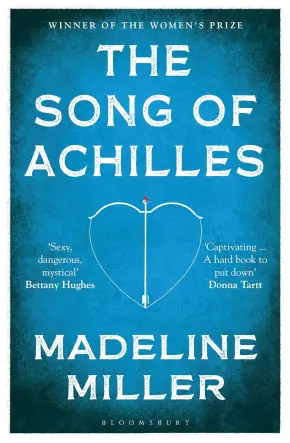
The Song of Achilles
Madeline Miller
Average Goodreads rating4.5
- Brutality of War
- Morally Grey Characters

Book trope · 11 books
Queer protagonists are exactly what they sound like: central characters whose LGBTQ+ identity is part of who they are, woven into their experience of the story rather than treated as a footnote or a subplot.
More about the Queer Protagonists trope1 is tagged with Queer Protagonists individually. The others belong to a series tagged with it, which doesn’t mean every book in it features the trope, so they’re marked “Matched via its series”.
Updating books…
11 books found
Madeline Miller
Average Goodreads rating4.5
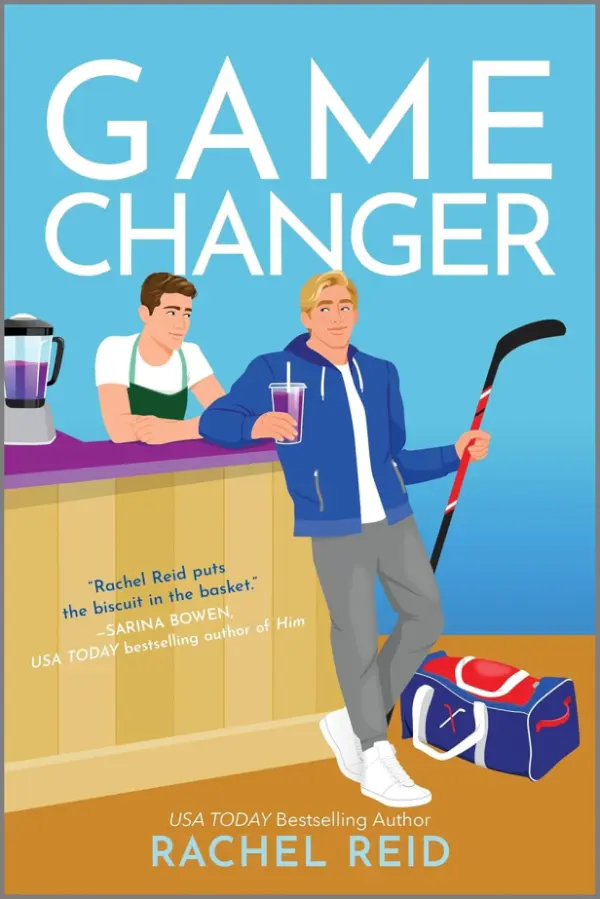
Rachel Reid
Game Changers, book 1
Average Goodreads rating3.9
Matched via its series
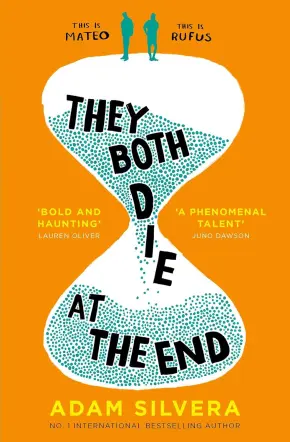
Adam Silvera
They Both Die at the End, book 1
Average Goodreads rating4.5
Matched via its series

Rachel Reid
Game Changers, book 2
Average Goodreads rating4.3
Matched via its series
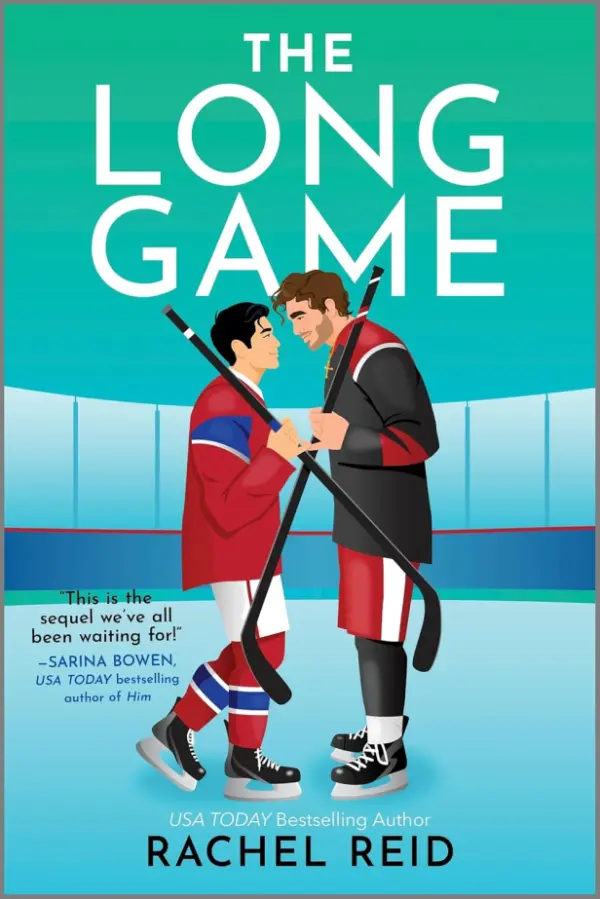
Rachel Reid
Game Changers, book 6
Average Goodreads rating4.5
Matched via its series

Rachel Reid
Game Changers, book 3
Average Goodreads rating3.6
Matched via its series
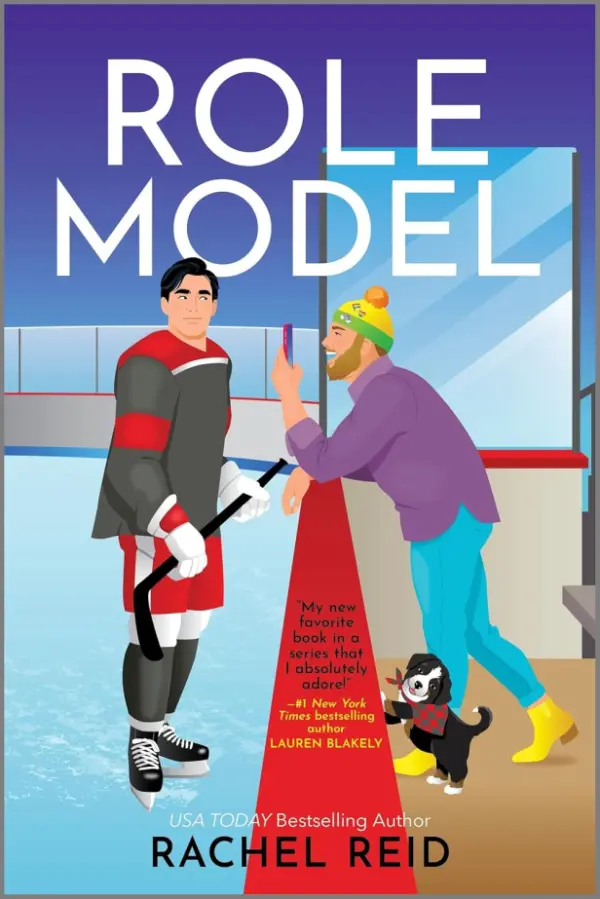
Rachel Reid
Game Changers, book 5
Average Goodreads rating4.2
Matched via its series
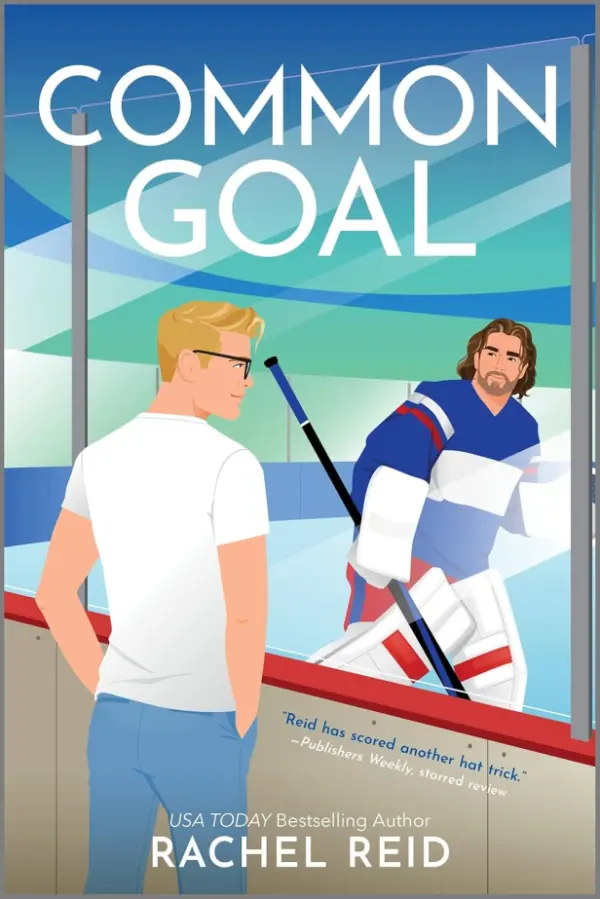
Rachel Reid
Game Changers, book 4
Average Goodreads rating3.7
Matched via its series
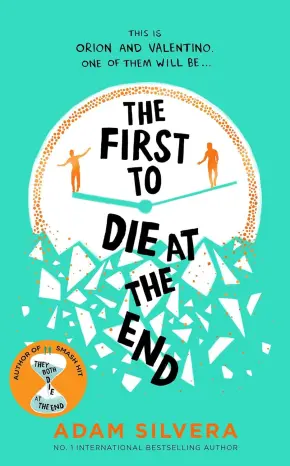
Adam Silvera
They Both Die at the End, book 2
Average Goodreads rating4.6
Matched via its series
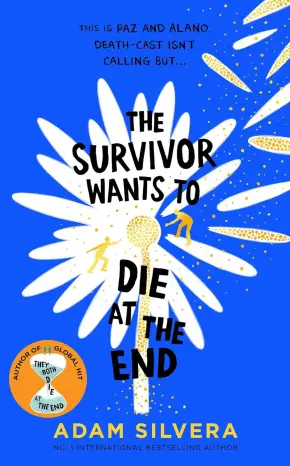
Adam Silvera
They Both Die at the End, book 3
Average Goodreads rating4.6
Matched via its series
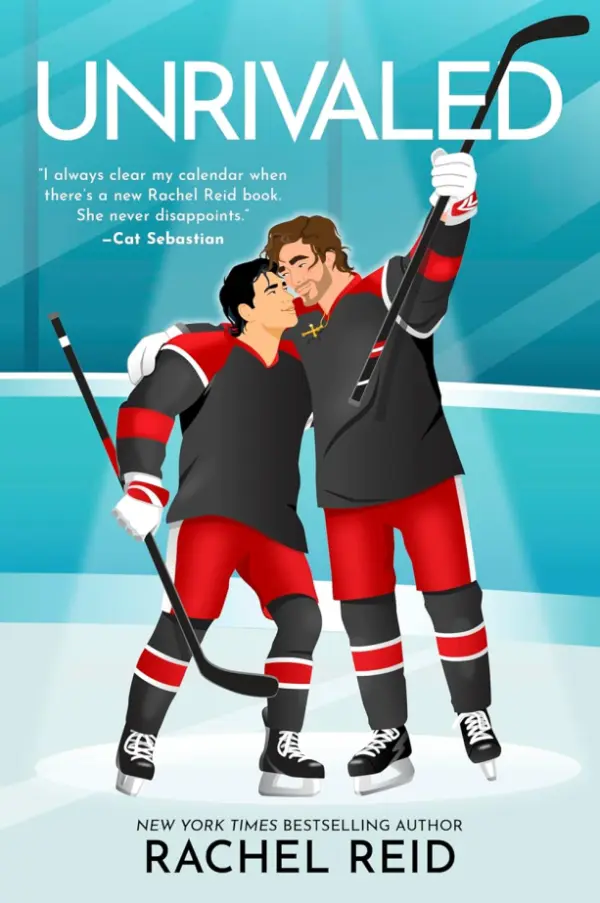
Rachel Reid
Game Changers, book 7
Matched via its series
Tropes that share the most books with Queer Protagonists
Queer protagonists are exactly what they sound like: central characters whose LGBTQ+ identity is part of who they are, woven into their experience of the story rather than treated as a footnote or a subplot. In fantasy and romance, this can mean anything from a bisexual knight navigating court intrigue, to a trans woman discovering her magic, to a gay man falling headlong into a fated bond. The identity isn't always the subject of the book, but it shapes how the protagonist moves through their world.
For readers who've spent years watching themselves reflected only in minor characters or coded subtext, finding a protagonist who simply is queer — without apology, without tragedy as a foregone conclusion — carries real weight. That's a large part of why this has become one of the most sought-after filters on book discovery platforms and in reader communities.
The best queer protagonists feel fully inhabited. Their queerness intersects with everything else about them: their ambition, their fear, their humour, the way they fall in love. It's not a character trait bolted on for representation points but something that textures the entire narrative. A lesbian protagonist in a secondary world fantasy might face a society that's entirely accepting of her sexuality, making her queerness a settled part of her identity rather than a source of external conflict. Or she might face a world that mirrors historical prejudice, and the story grapples honestly with that. Both approaches are valid, and both have passionate readerships.
What distinguishes a well-written queer protagonist from a tokenised one is interiority. Readers want access to how this character thinks and feels — the full, complicated inner life that any protagonist deserves.
Queer protagonists appear across every subgenre. In epic fantasy, they might be warrior figures or court mages whose queerness is part of a layered identity that also includes class, race, and power. In romantasy, the love interest is often of the same gender or the protagonist is explicitly bisexual, with the romance itself carrying the same swooning heat readers expect from the genre. Contemporary fantasy tends to foreground the intersection of queerness with the everyday — coming out, community, found family — before the magical elements complicate everything further.
There's also meaningful variation within queerness itself. Gay and lesbian protagonists have the longest literary history, but bisexual, pansexual, asexual, non-binary, and trans protagonists are increasingly centred, each bringing distinct narrative textures and readership communities. Asexual protagonists in romance, for instance, challenge and expand what romantic fulfilment looks like on the page.
There's something quietly radical about a fantasy novel in which the queer character gets the magic system, the prophecy, and the love interest — all of it. The genre's long tradition of building worlds from scratch makes it unusually well-suited to imagining queerness without the weight of real-world history, while also being capacious enough to interrogate that history directly when authors choose to.
Readers who love this trope aren't just looking for mirrors, though. They're looking for the best stories, told with the most honesty. Queer protagonists deliver exactly that — and the genre is richer for their presence.
Occasional emails with new recommendations, series news and trope round-ups.