Spark of the Everflame
Penn Cole
The Kindred's Curse Saga, book 1
Average Goodreads rating4.4

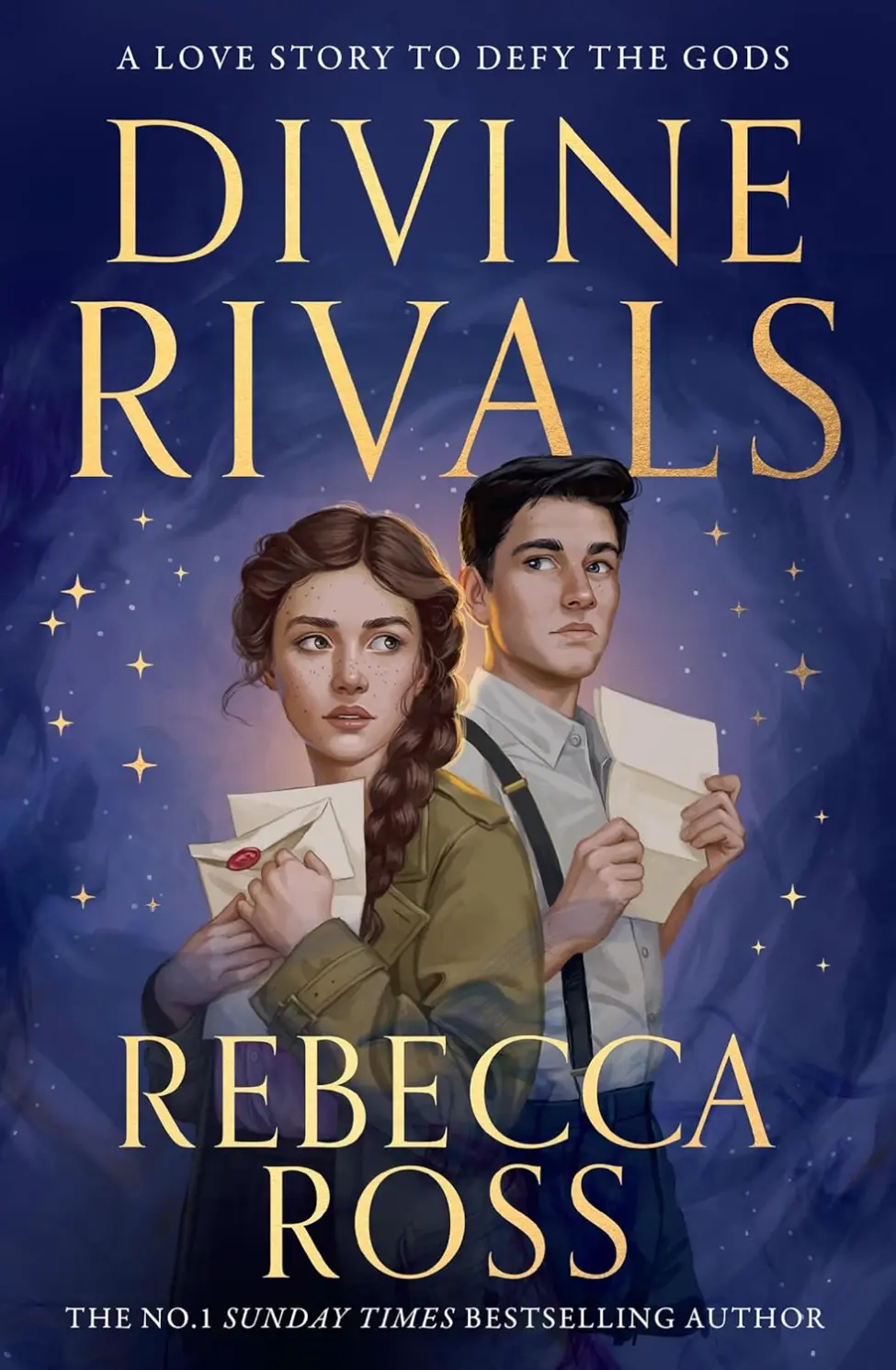
Book 1 in Letters of Enchantment
by Rebecca Ross
We independently select and recommend books. Purchases made through our links may earn us a commission, at no extra cost to you. Prices and availability are set by each retailer.
Divine Rivals by Rebecca Ross follows Iris Winnow, a journalist who unknowingly exchanges letters with her rival Roman Kitt through a magical typewriter during wartime. This epistolary fantasy romance delivers swoony correspondence, gods at war, and lyrical prose.
Tagged on the series as a whole, so not every book will feature each one.
Divine Rivals is Rebecca Ross's 2023 fantasy romance that launched the Letters of Enchantment duology and became a BookTok sensation through its masterful execution of epistolary romance - proving that letters exchanged between characters who don't know each other's identities can create more powerful emotional connection than immediate physical proximity. Following Iris Winnow and Roman Kitt, rival journalists at the Oath Gazette who become anonymous pen pals through a magical typewriter whilst gods wage war across their world, the novel delivers Ross's signature lyrical prose, emotionally resonant character development, and the kind of swoony romance that makes readers simultaneously laugh, cry, and desperately highlight every letter exchanged between protagonists.
Iris Winnow is struggling. Her beloved older brother Forest has gone missing fighting in the war between gods Dacre and Enva, her mother has retreated into grief-fueled alcoholism, and Iris must work as journalist to keep them financially afloat whilst desperately hoping Forest will return. At the Oath Gazette, she competes with Roman Kitt for the coveted columnist position - Roman who seems effortlessly talented, privileged with family money, and infuriatingly good at everything Iris fights so hard to achieve.
When Iris discovers her late grandmother's typewriter possesses magical properties - letters typed on it are delivered to whoever needs them most - she begins writing to Forest, pouring out her fears, hopes, and the daily struggles she can't voice to her grieving mother. She never expects responses, but the typewriter delivers her letters to someone who does write back: a correspondent who understands loneliness, who offers comfort and insight, and with whom Iris forms connection deeper than any she's experienced.
Unbeknownst to Iris, her mysterious pen pal is Roman. Behind his polished exterior, Roman struggles with his own family trauma - a cold, demanding mother and the isolation of being seen as perfect whilst feeling desperately alone. The anonymous letters from his typewriter correspondent become lifeline, the one place he can be vulnerable without maintaining the facade everyone expects. As Iris and Roman exchange increasingly personal letters, they fall for each other through words whilst their in-person rivalry continues unchanged.
Ross's epistolary format showcases her lyrical prose beautifully. Each letter reveals character through voice - Iris's determination and vulnerability, Roman's carefully hidden softness and fear of inadequacy. The dramatic irony creates delicious tension as readers watch both characters disparage their rival to their beloved pen pal, not realizing they're the same person. The slow realization dawning on each that their anonymous correspondent might be someone unexpected builds anticipation toward the inevitable identity revelation.
The wartime backdrop provides urgency beyond romantic stakes. Dacre and Enva's divine war isn't abstract - soldiers die, cities burn, and the gods' conflict shapes mortal lives in devastating ways. When Iris volunteers as war correspondent to search for Forest on the front lines, she and Roman are thrown together in dangerous circumstances just as they're piecing together their pen pal's identity.
Supporting characters include Iris's mother navigating grief, colleagues at the Oath Gazette with their own perspectives on the rivalry, and fellow war correspondents whose presence at the front reveals different aspects of conflict and courage.
Themes of finding connection through vulnerability expressed in writing, war's impact on ordinary people, family trauma and healing, rivals discovering depths beneath antagonism, and words as powerful as actions run throughout.
The ending provides emotional payoff whilst setting up Ruthless Vows and the complications following identity revelation.
Penn Cole
The Kindred's Curse Saga, book 1
Average Goodreads rating4.4
Raven Kennedy
The Plated Prisoner Series, book 2
Average Goodreads rating4.4
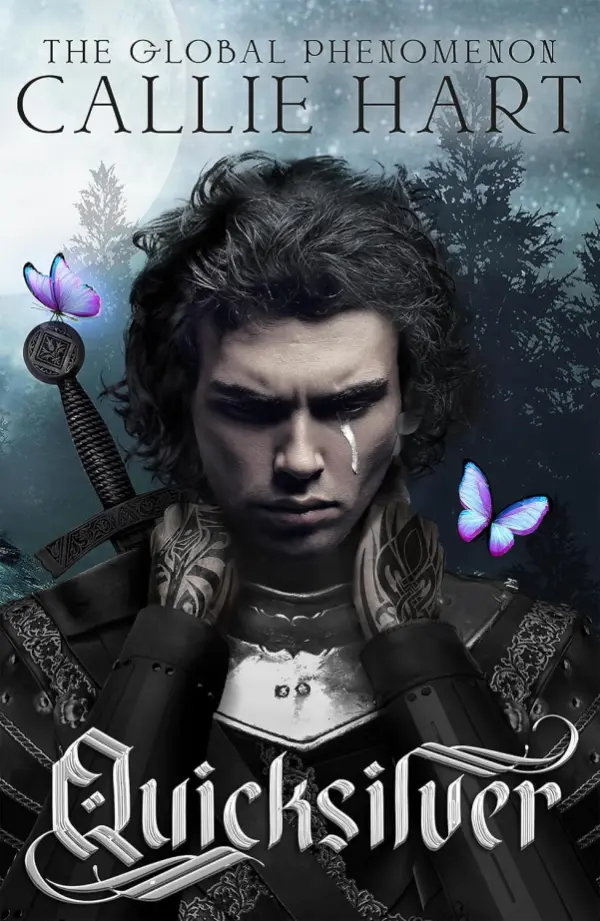
Callie Hart
Fae & Alchemy, book 1
Average Goodreads rating4.6
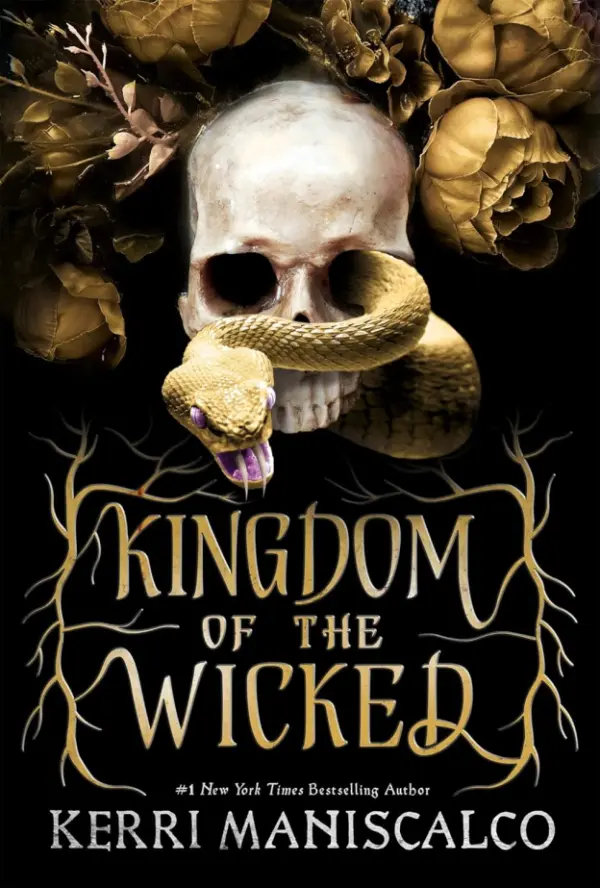
Kerri Maniscalco
Kingdom of the Wicked, book 1
Average Goodreads rating4.2
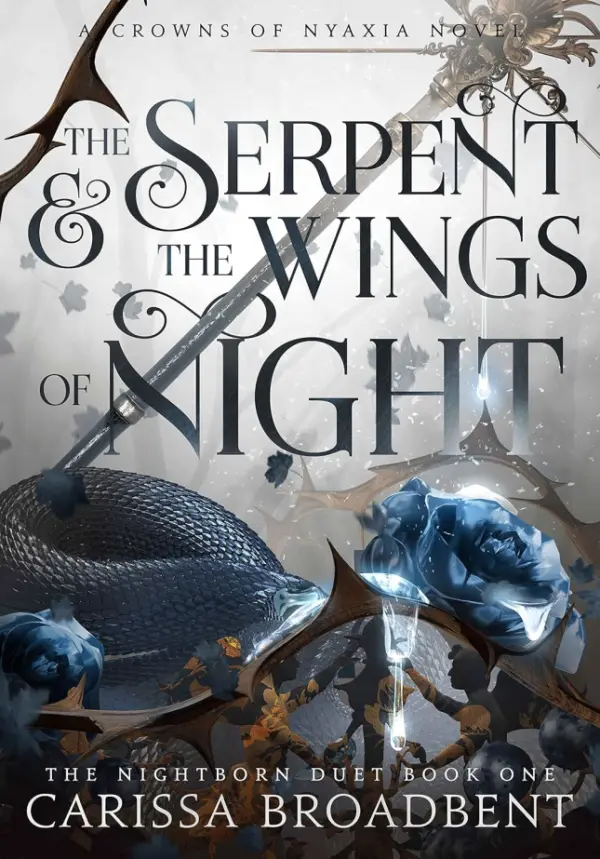
Carissa Broadbent
Crowns of Nyaxia, book 1
Average Goodreads rating4.5

Sarah J. Maas
A Court of Thorns and Roses (ACOTAR), book 1
Average Goodreads rating4.5
Still Looking?
Further down our similarity list, but still sharing tropes and genres with this book.
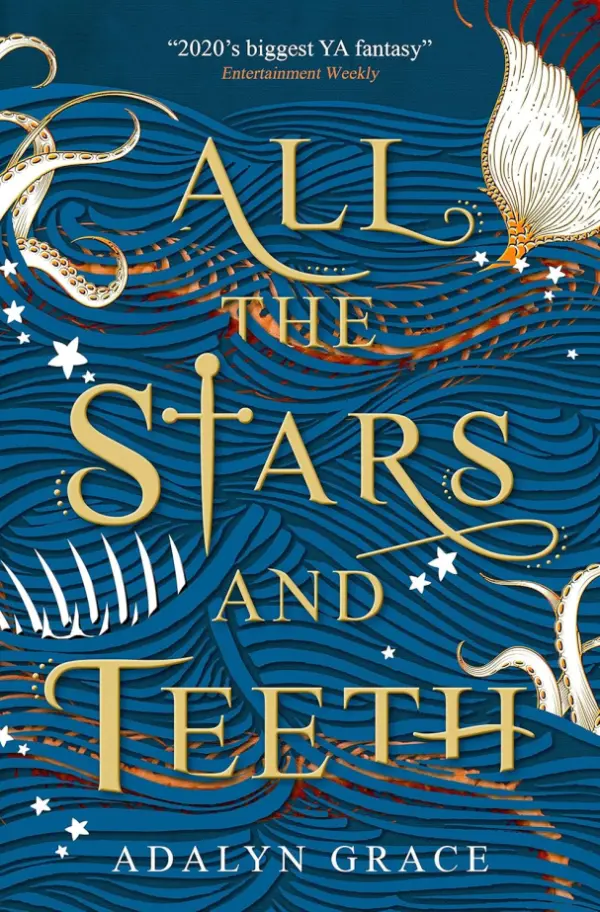
Adalyn Grace
All the Stars and Teeth, book 1
Average Goodreads rating4.0
Buy from Amazon (opens Amazon in a new tab)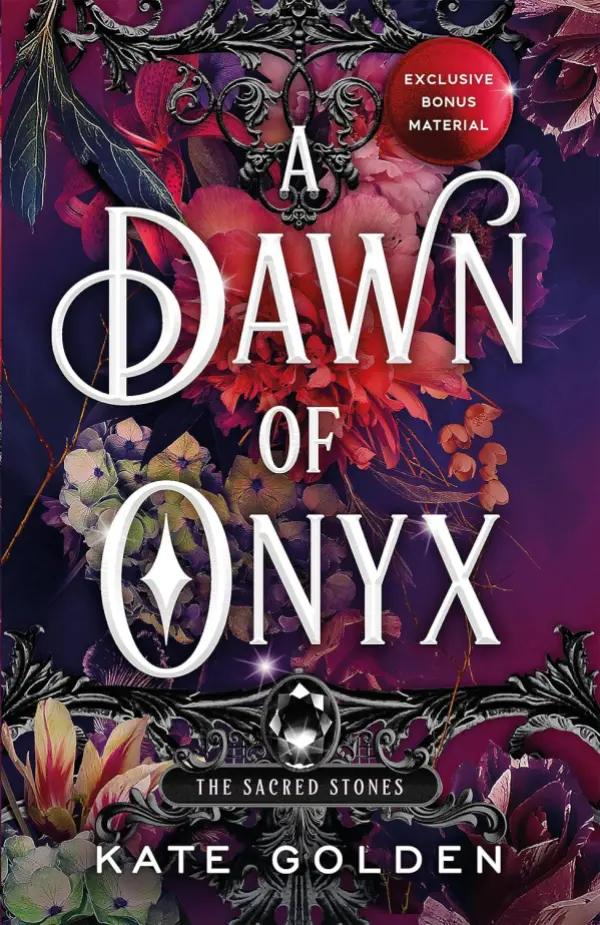
Kate Golden
Sacred Stones, book 1
Average Goodreads rating4.3
Buy from Amazon (opens Amazon in a new tab)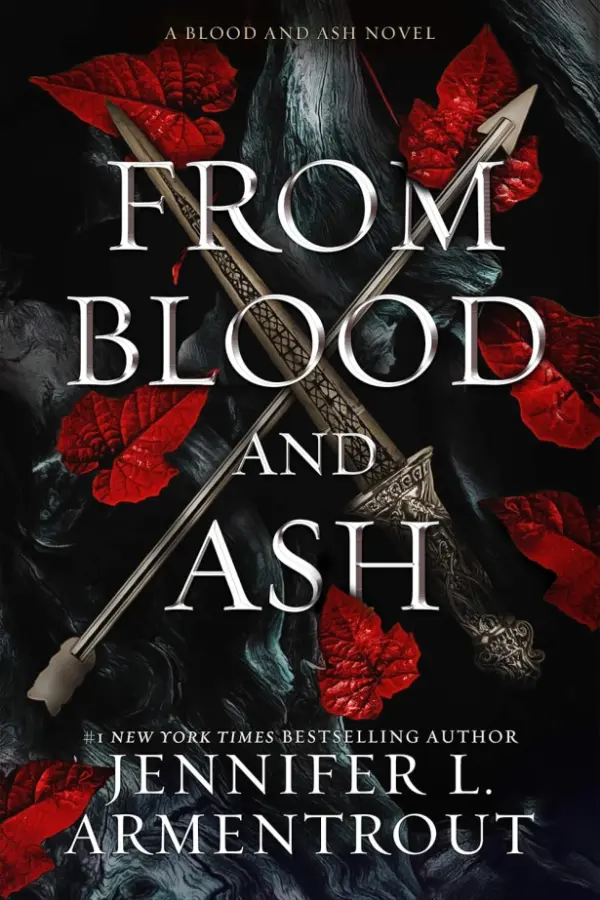
Jennifer L. Armentrout
Blood And Ash, book 1
Average Goodreads rating4.6
Buy from Amazon (opens Amazon in a new tab)Rebecca Ross is a bestselling fantasy romance author known for lyrical prose and emotional depth. Celebrated for Divine Rivals and Elements of Cadence duology, she crafts romantasy blending war, letters, music magic, and swoony relationships with literary quality.
Books, series and tropes by Rebecca RossDivine Rivals
Buy from Amazon (opens Amazon in a new tab)Occasional emails with new recommendations, series news and trope round-ups.