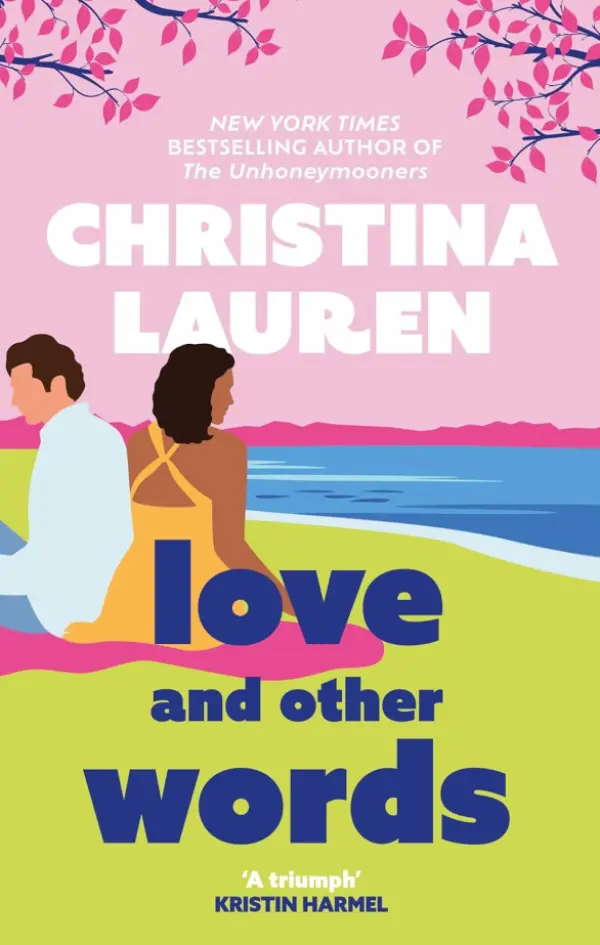
Love and Other Words
Christina Lauren
Average Goodreads rating4.2
- Coming of Age
- Slow-burn Romance

Book trope · 31 books
Second chance romance is exactly what it sounds like: two people who once had something — a relationship, a near-relationship, a summer that changed everything — finding their way back to each other after time, circumstance, or their own worst decisions pulled them apart.
More about the Second Chance Romance trope7 are tagged with Second Chance Romance individually. The others belong to a series tagged with it, which doesn’t mean every book in it features the trope, so they’re marked “Matched via its series”.
Updating books…
31 books found
Christina Lauren
Average Goodreads rating4.2
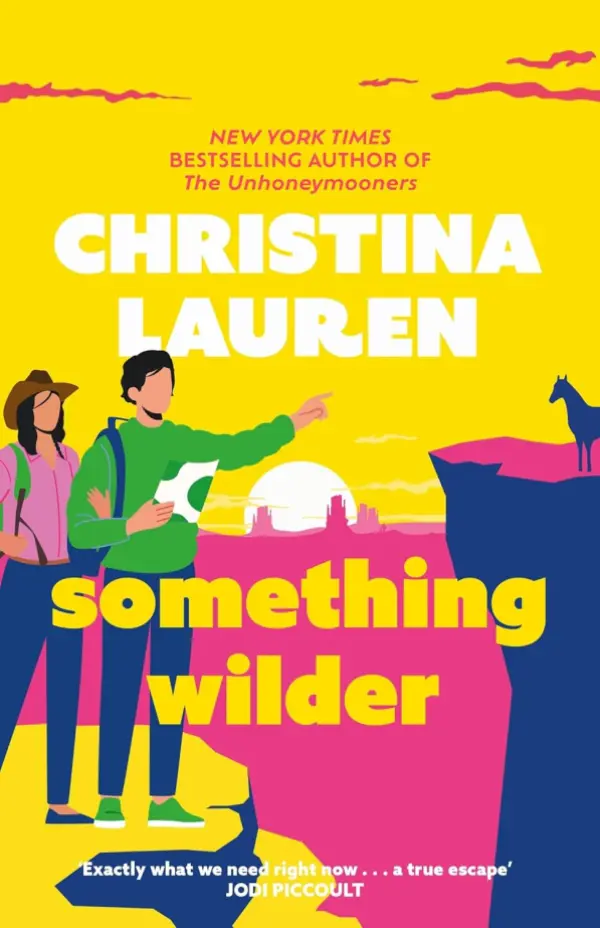
Christina Lauren
Average Goodreads rating3.6
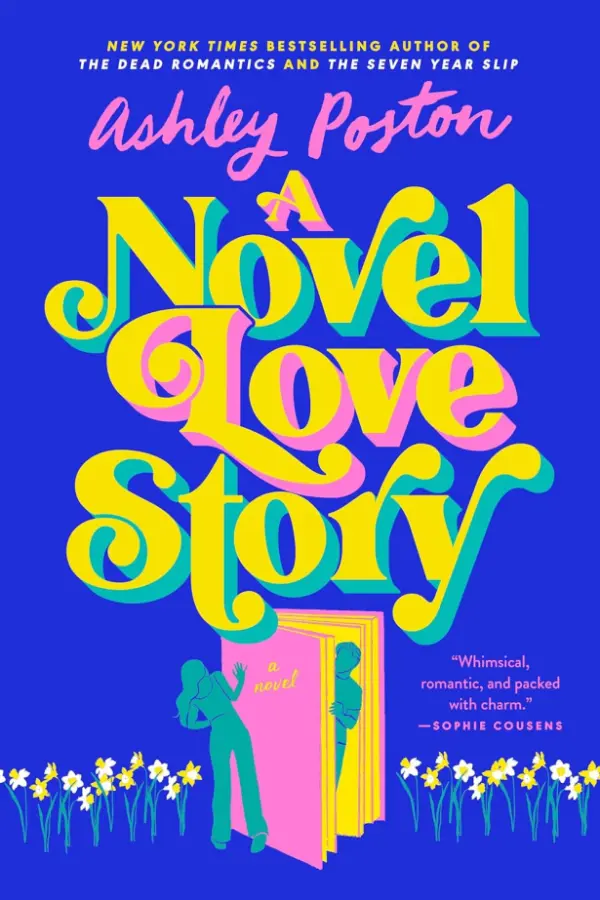
Ashley Poston
Average Goodreads rating3.6
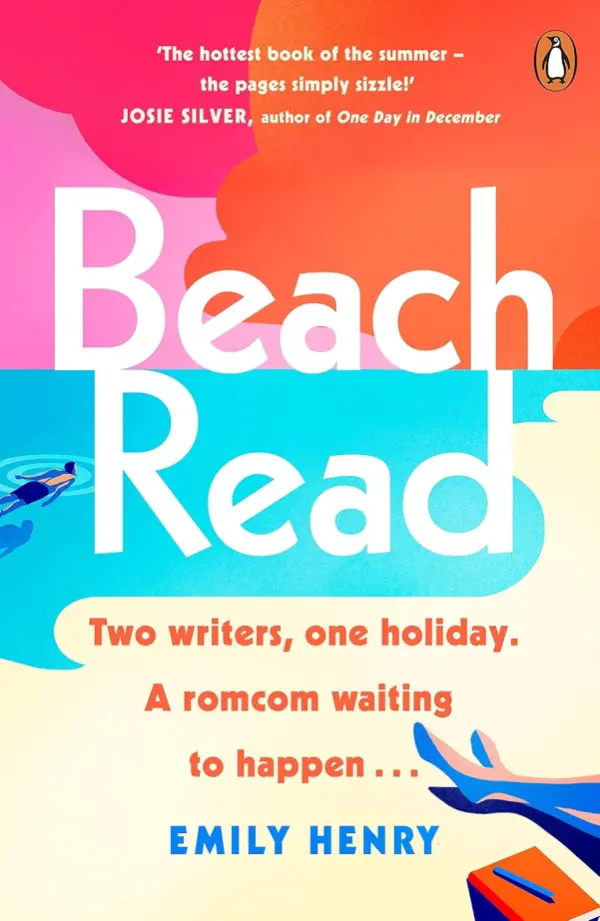
Emily Henry
Average Goodreads rating4.0
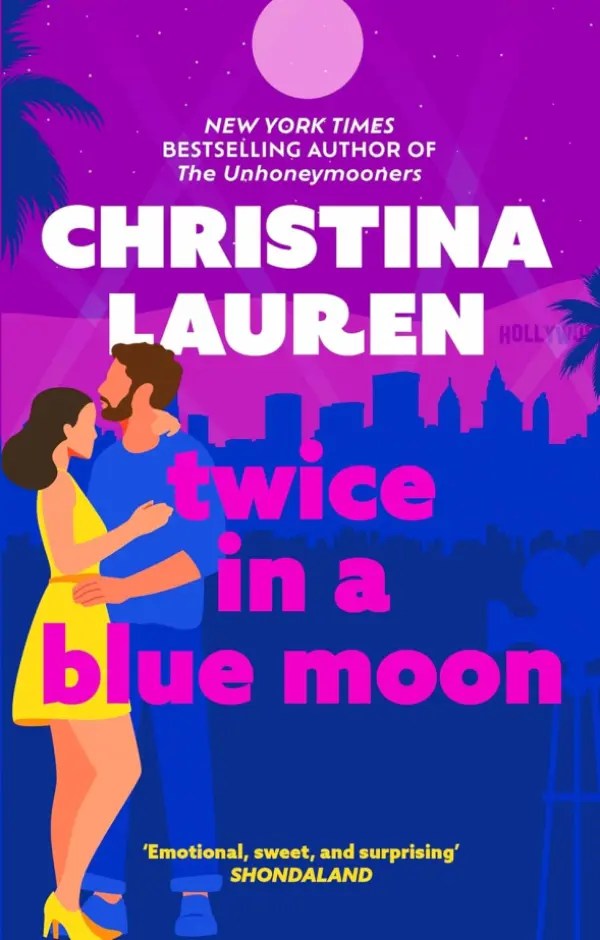
Christina Lauren
Average Goodreads rating3.6
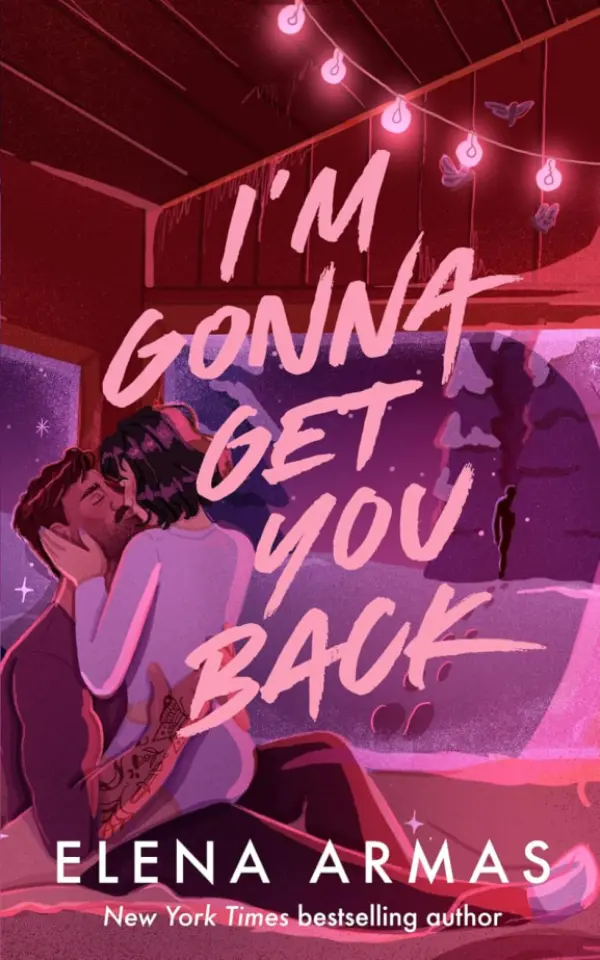
Elena Armas
Average Goodreads rating3.1
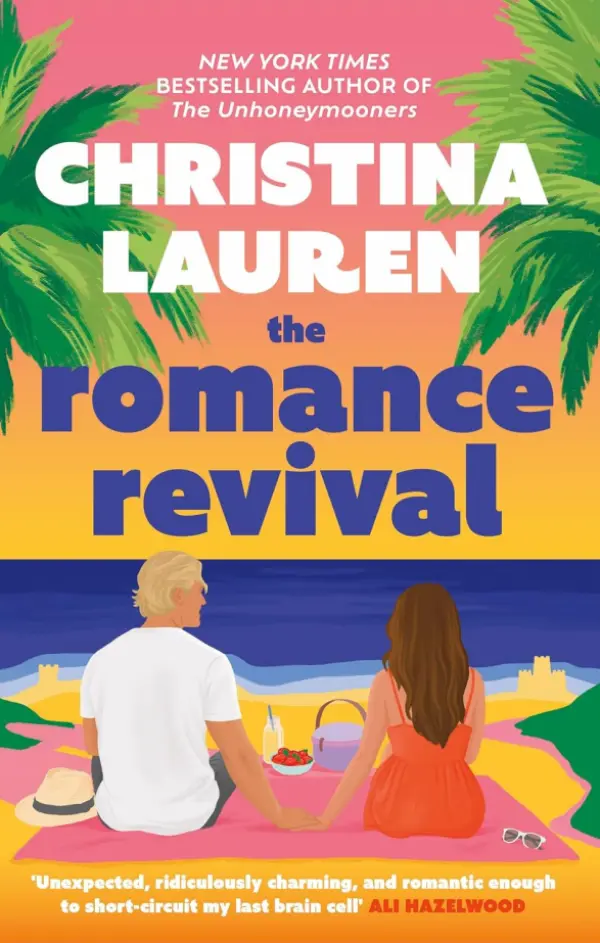
Christina Lauren
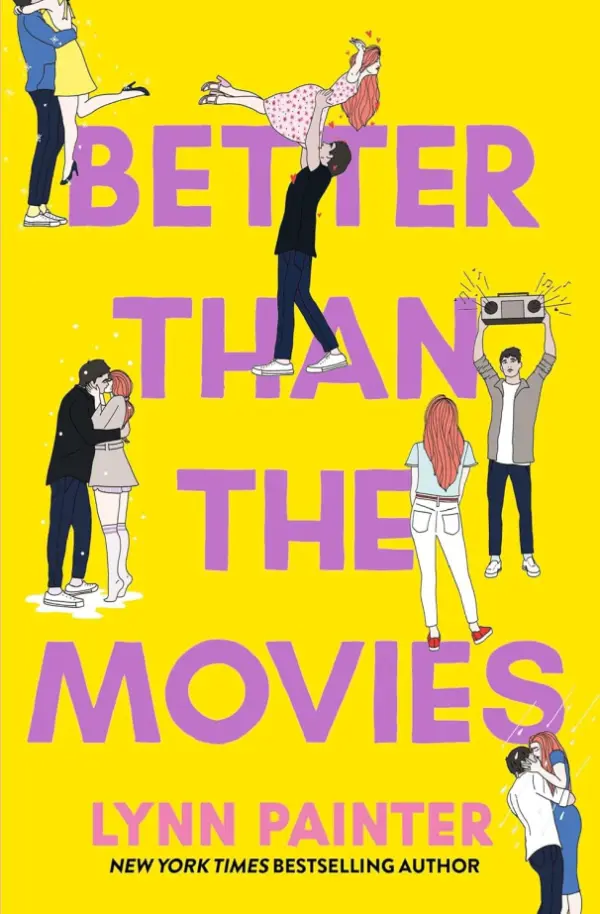
Lynn Painter
Better Than the Movies, book 1
Average Goodreads rating4.3
Matched via its series

Elsie Silver
Rose Hill, book 1
Average Goodreads rating4.3
Matched via its series
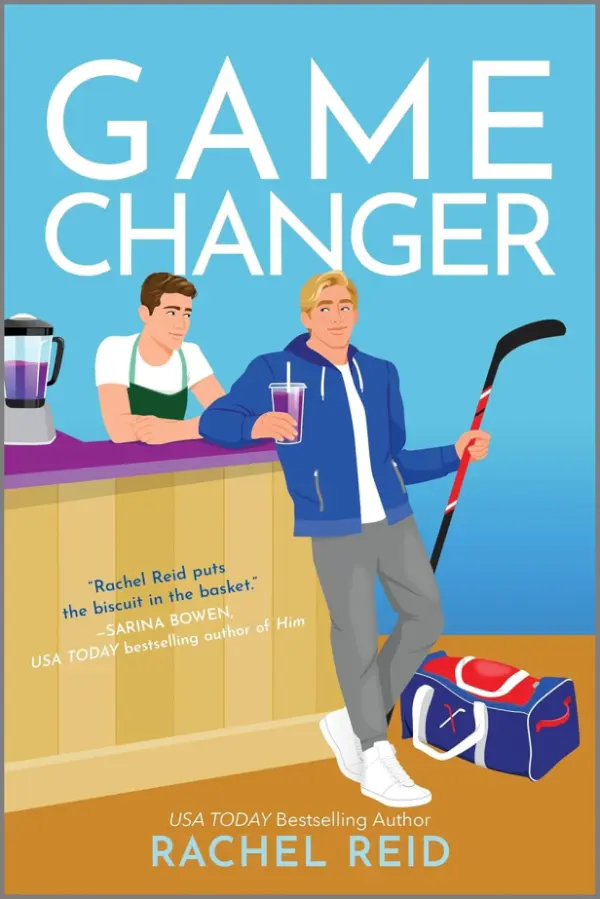
Rachel Reid
Game Changers, book 1
Average Goodreads rating3.9
Matched via its series
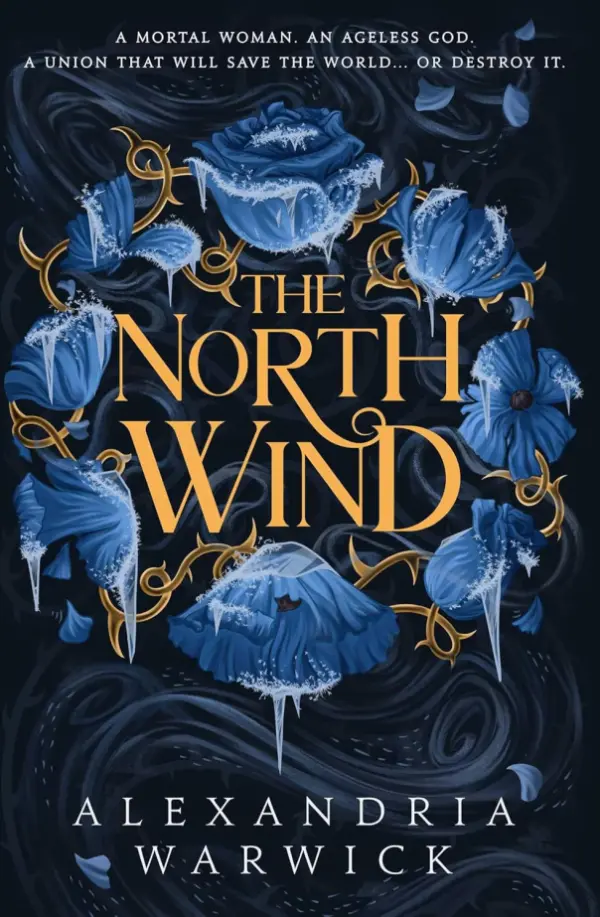
Alexandria Warwick
The Four Winds, book 1
Average Goodreads rating3.6
Matched via its series
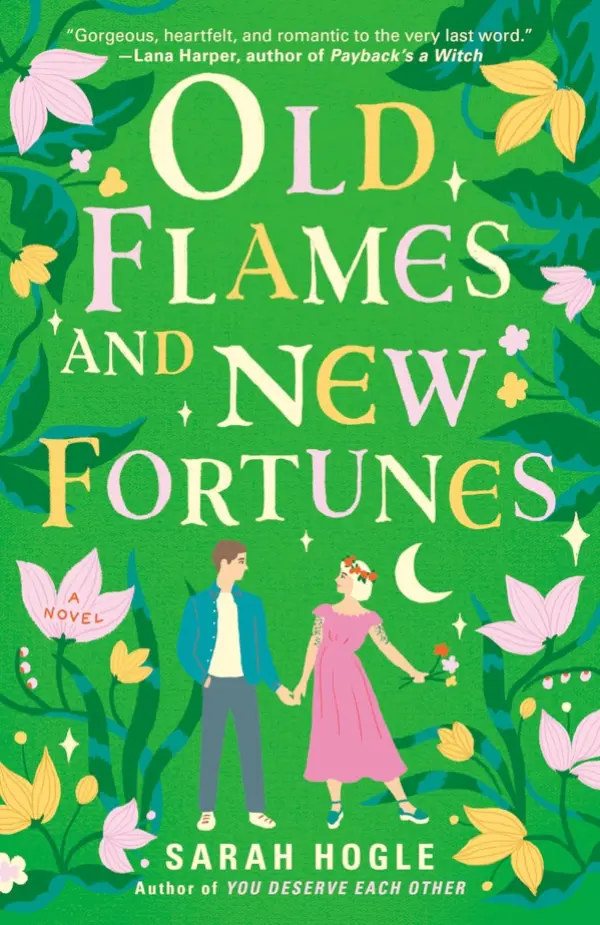
Sarah Hogle
Moonville, book 1
Average Goodreads rating3.5
Matched via its series

Elsie Silver
Chestnut Springs, book 1
Average Goodreads rating4.3
Matched via its series

Rachel Reid
Game Changers, book 2
Average Goodreads rating4.3
Matched via its series
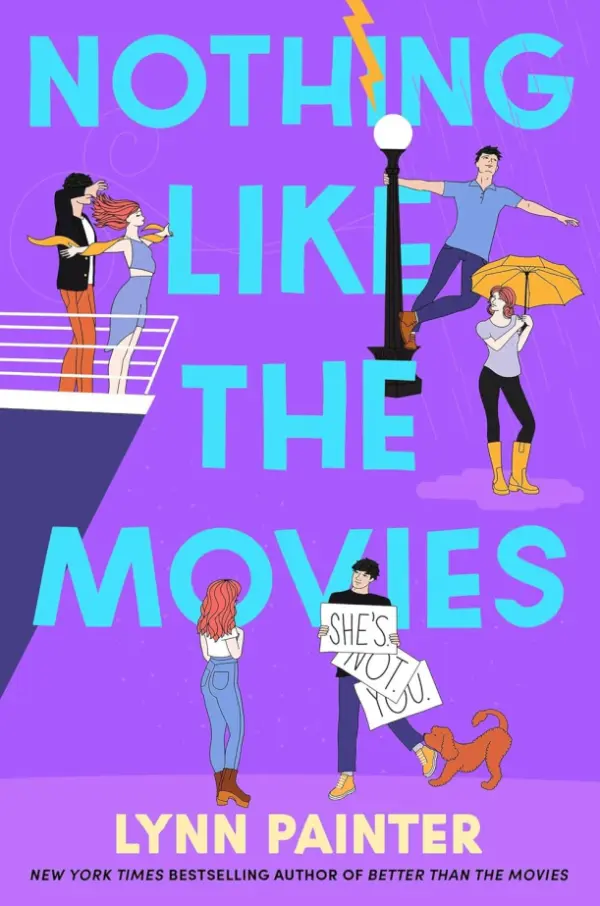
Lynn Painter
Better Than the Movies, book 2
Average Goodreads rating4.0
Matched via its series
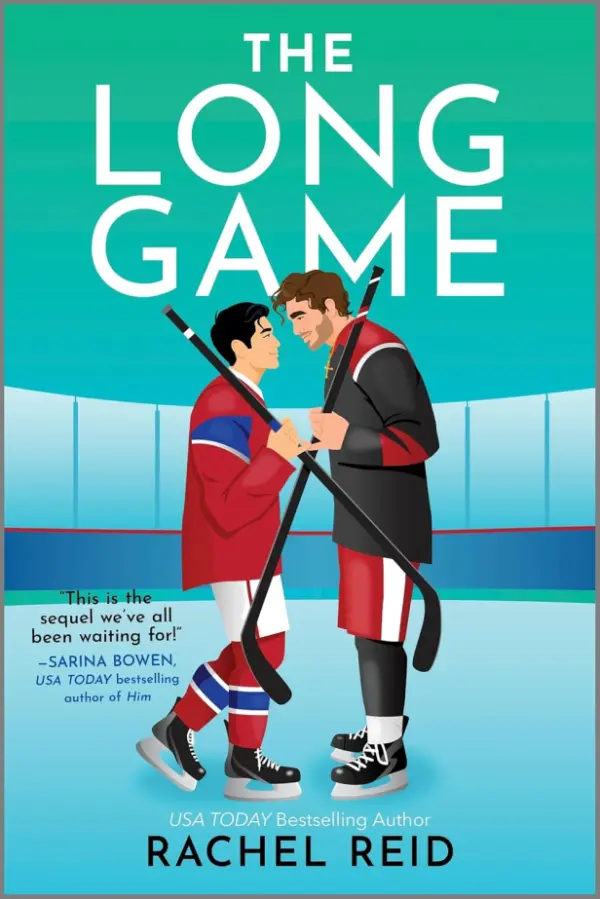
Rachel Reid
Game Changers, book 6
Average Goodreads rating4.5
Matched via its series
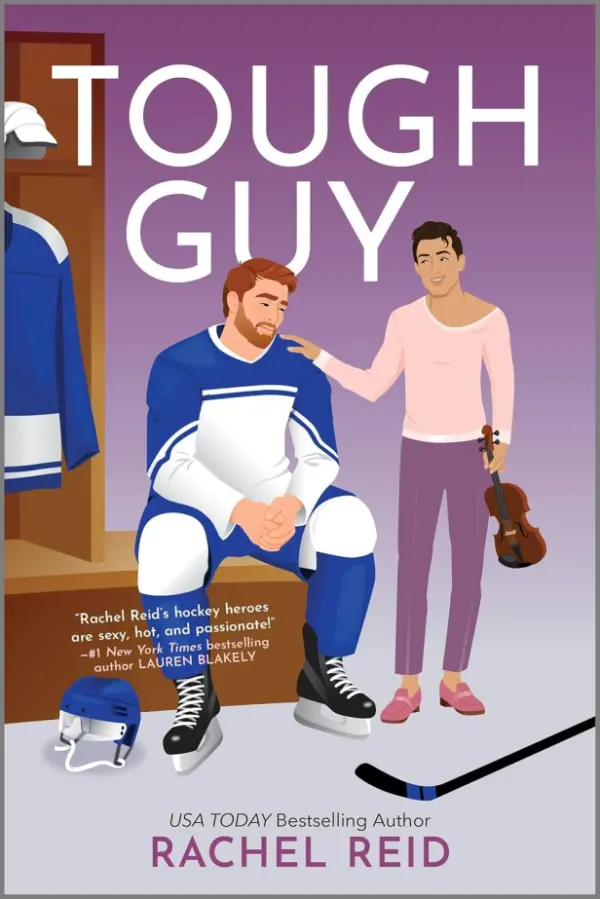
Rachel Reid
Game Changers, book 3
Average Goodreads rating3.6
Matched via its series
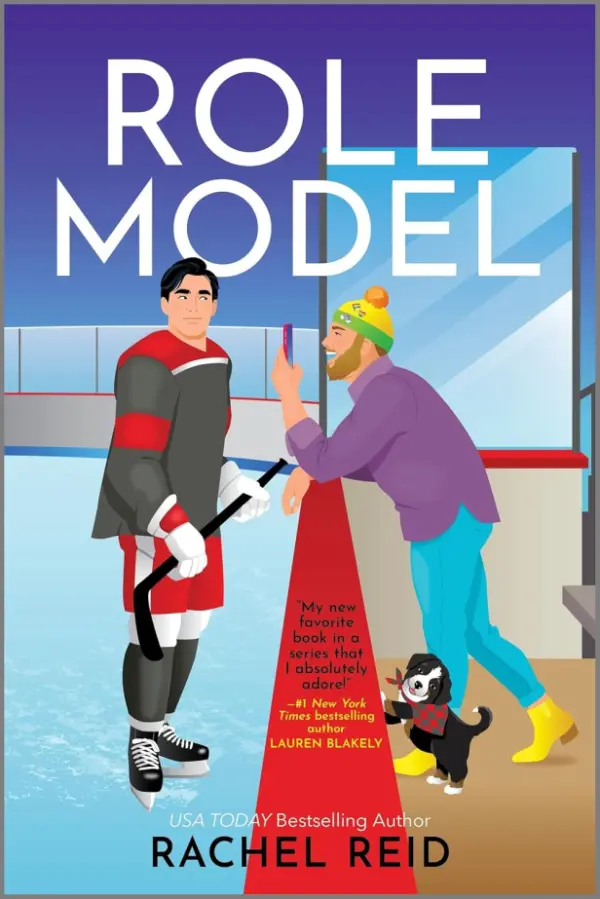
Rachel Reid
Game Changers, book 5
Average Goodreads rating4.2
Matched via its series
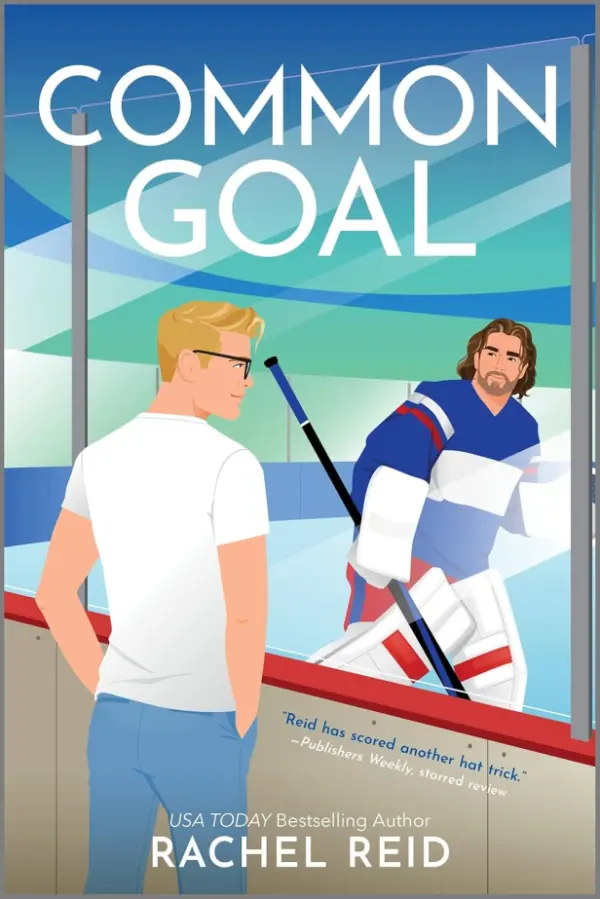
Rachel Reid
Game Changers, book 4
Average Goodreads rating3.7
Matched via its series

Elsie Silver
Rose Hill, book 2
Average Goodreads rating4.5
Matched via its series
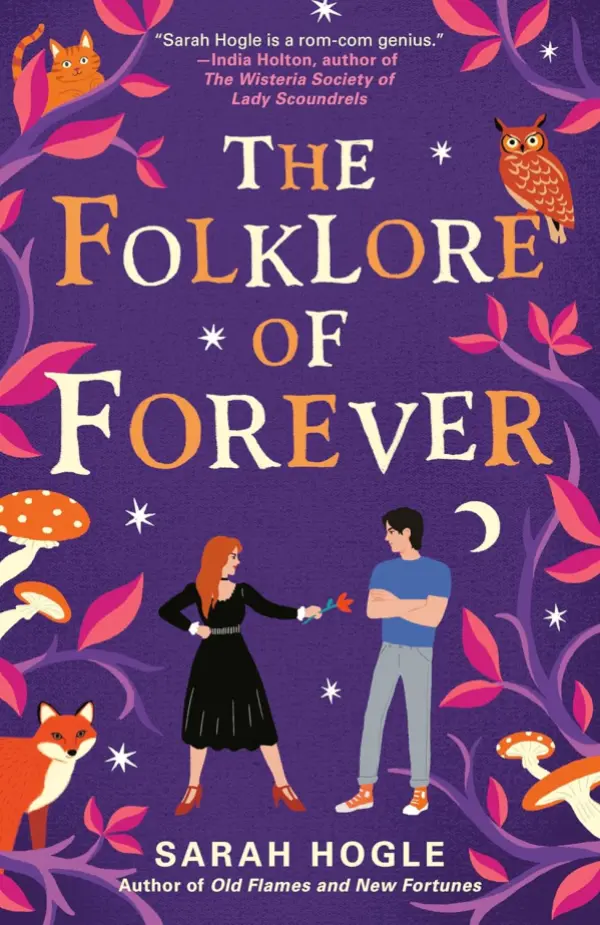
Sarah Hogle
Moonville, book 2
Average Goodreads rating3.2
Matched via its series

Elsie Silver
Chestnut Springs, book 2
Average Goodreads rating4.6
Matched via its series

Elsie Silver
Chestnut Springs, book 5
Average Goodreads rating4.4
Matched via its series

Elsie Silver
Chestnut Springs, book 3
Average Goodreads rating4.3
Matched via its series

Elsie Silver
Chestnut Springs, book 4
Average Goodreads rating4.5
Matched via its series
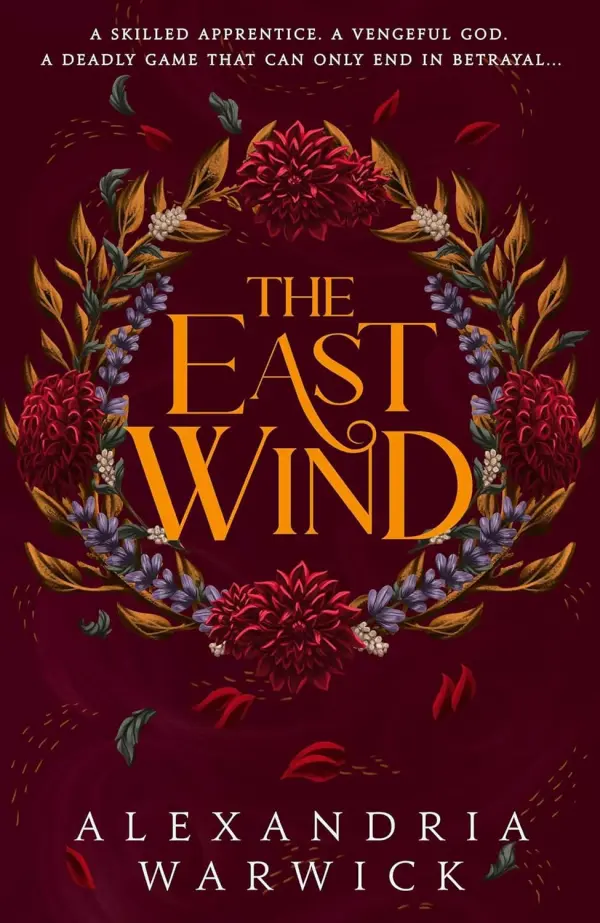
Alexandria Warwick
The Four Winds, book 4
Matched via its series
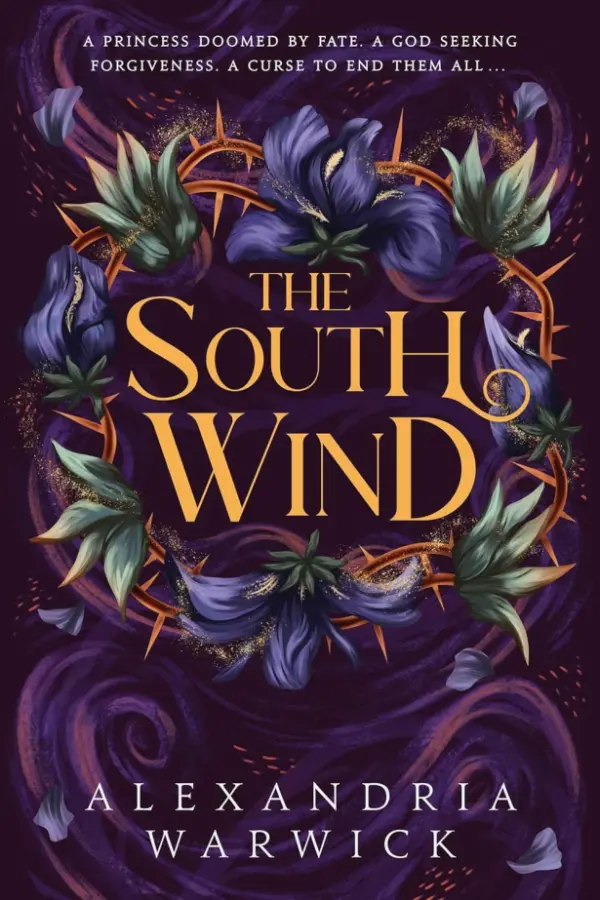
Alexandria Warwick
The Four Winds, book 3
Matched via its series
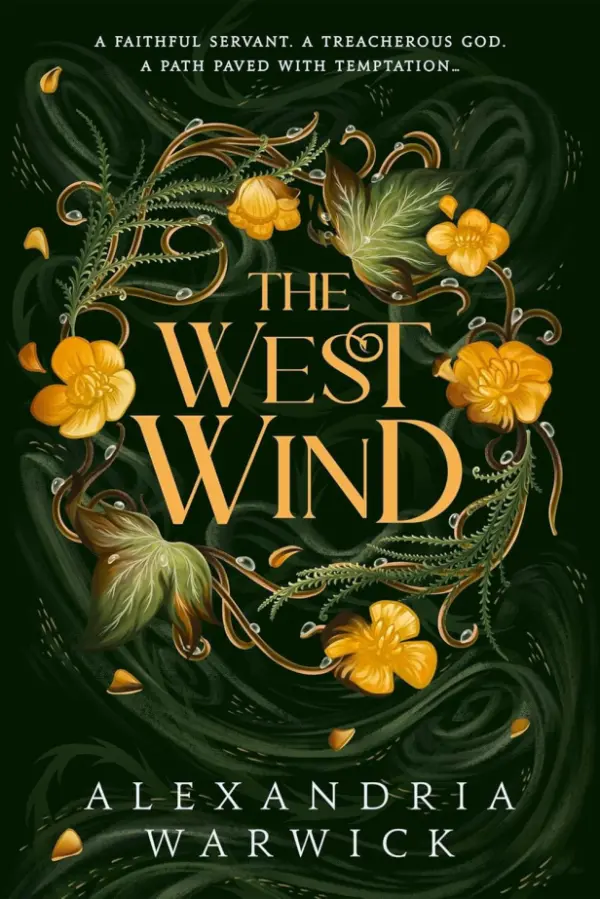
Alexandria Warwick
The Four Winds, book 2
Matched via its series
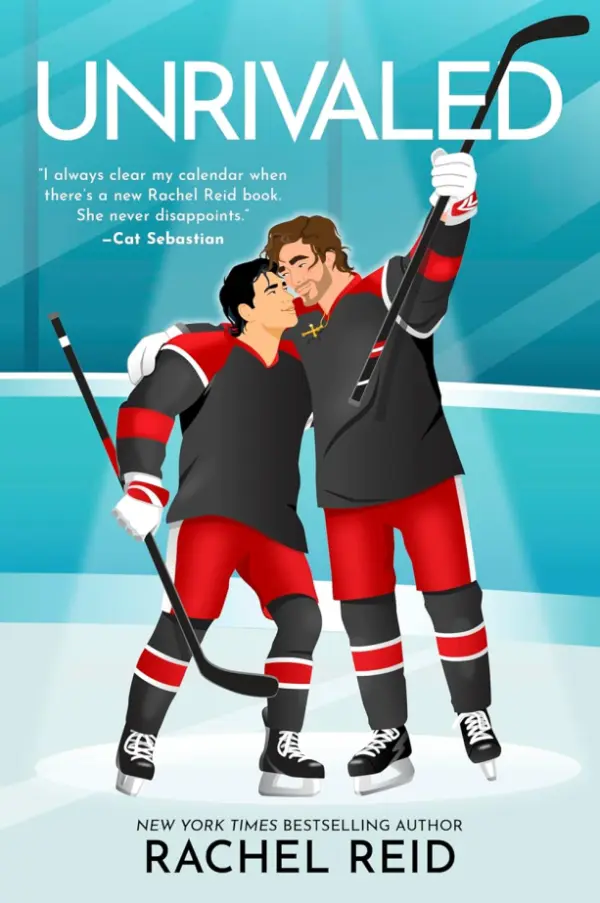
Rachel Reid
Game Changers, book 7
Matched via its series
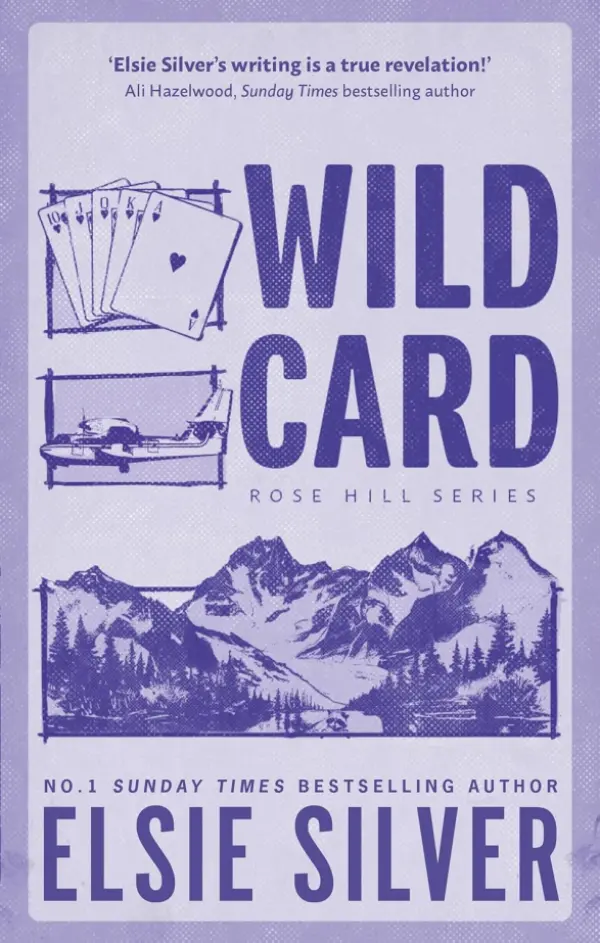
Elsie Silver
Rose Hill, book 4
Matched via its series
Tropes that share the most books with Second Chance Romance
Second chance romance is exactly what it sounds like: two people who once had something — a relationship, a near-relationship, a summer that changed everything — finding their way back to each other after time, circumstance, or their own worst decisions pulled them apart. There's a reunion at the heart of it, but the emotional engine is everything that happened in between.
Readers are drawn to it because the stakes feel real in a way that first-chance love sometimes doesn't. These characters already know each other. They've already seen the worst and the best. Whatever tore them apart has left marks, and those marks have to be reckoned with before anything new can grow.
The defining quality of a good second chance romance isn't the reunion itself — it's the weight of history. Every glance carries old meaning. A familiar laugh or a habitual gesture can crack a character open in a way no stranger ever could. That accumulated intimacy is the trope's greatest asset, and the best authors use it to skip past the getting-to-know-you stage and go straight for the nerve.
Equally important is the question of why things fell apart the first time. If the original separation feels contrived or easily solved, the whole premise deflates. When it's rooted in something genuine — a failure of communication, a choice made under impossible pressure, a version of themselves they've since had to shed — the path back becomes genuinely difficult. Readers stay for that difficulty.
Second chance romances tend to cluster around a handful of distinct setups. Childhood sweethearts reuniting after decades apart is one of the most enduring: the nostalgia is baked in, and the distance between who they were and who they've become gives the story its tension. Equally popular is the split that happened at a crossroads moment — leaving for university, taking a job abroad, one person staying and one person going — where the wound is old but hasn't quite healed.
Then there's the more compressed version: an almost-relationship that never quite became official, where both parties have spent years wondering. This variant often sits closer to an enemies-to-lovers dynamic, with unresolved feelings curdled into something more complicated. Forced proximity is a frequent companion trope here — a wedding, a family crisis, a small town with nowhere to hide — because second chances rarely happen in the abstract. Something usually has to push people together.
There's a particular comfort in the idea that timing matters as much as feeling, and that a love that couldn't survive one version of two people might survive the next. Second chance romance doesn't ask readers to believe in love at first sight so much as love that persists — through absence, through growth, through all the reasons it probably shouldn't. That's a harder and more interesting thing to believe in.
And when it lands, it really lands. The moment two people stop pretending the past didn't happen and finally say the thing they should have said years ago — that's what keeps readers turning pages at midnight. Some emotional payoffs are worth waiting for twice.
Occasional emails with new recommendations, series news and trope round-ups.