
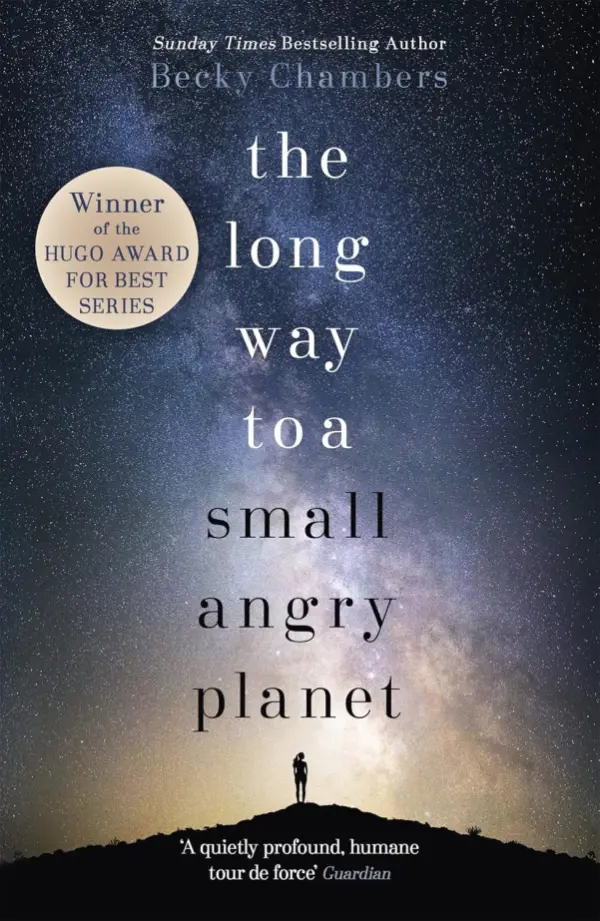
The Long Way to a Small, Angry Planet
Becky Chambers
Wayfarers, book 1
Average Goodreads rating4.4

Book series · 4 books
Children of Time by Adrian Tchaikovsky follows humanity's remnants encountering evolved spiders on a terraformed world. This award-winning sci-fi series explores evolution, consciousness, and communication across species in epic, mind-expanding narratives.

Start the series here · book 1
Children of Time by Adrian Tchaikovsky is an epic science fiction novel exploring evolution, artificial intelligence, and humanity’s future. Spanning millennia, it follows the rise of an unexpected civilisation and a desperate struggle for survival among the stars.
608 pages
Retailer links may earn Trope Trove a commission, at no extra cost to you.
Start here 608 pages Goodreads rating4.5

576 pages Goodreads rating4.3

512 pages Goodreads rating4.2

704 pages
Children of Time is Adrian Tchaikovsky's acclaimed science fiction series that reimagines first contact, evolution, and consciousness through genuinely alien perspectives. Winner of the Arthur C. Clarke Award, the series distinguishes itself by taking non-human intelligence seriously, depicting evolution across millennia, and exploring whether understanding between radically different forms of consciousness is possible. Tchaikovsky's ambitious scope, scientific grounding, and willingness to challenge anthropocentric assumptions have made the series essential reading for hard science fiction fans.
Children of Time (2015) begins with humanity's attempt to terraform and uplift monkeys on a distant planet, a project that goes catastrophically wrong when a plague destroys Earth's civilization. Millennia later, the last ark ship of humanity arrives at the planet seeking refuge, only to discover it's inhabited by an uplifted species—but not monkeys. Due to the original project's sabotage, spiders were accidentally uplifted instead. The novel alternates between the desperate humans aboard their failing ark ship and the spiders' civilization evolving across generations from simple arachnids to a sophisticated society. Tchaikovsky depicts spider consciousness authentically—their communication through vibrations and leg movements, their matriarchal society, their alien yet comprehensible thought processes. The book asks whether two species so fundamentally different can communicate, coexist, or whether conflict is inevitable.
Children of Ruin (2019) expands scope beyond spiders and humans. A terraforming mission to another world encounters octopuses—uplifted and evolved in completely different circumstances. The novel explores how intelligence develops in radically different environments and what happens when three species—humans, spiders, and octopuses—must cooperate against an incomprehensible threat. Tchaikovsky depicts octopus cognition brilliantly, their distributed intelligence across tentacles creating thought processes fundamentally alien even compared to spiders.
Children of Memory (2022) continues exploring consciousness and identity through encounters with new forms of intelligence whilst questioning what makes something truly alive or sentient. The novel examines whether artificial and biological intelligence are fundamentally different and how memory shapes identity.
Children of Strife (2026) is a novella set in the Children of Time universe, exploring conflict, survival, and cultural misunderstanding on a contested colony world shaped by alien legacy.
The series is characterized by deep-time narrative spanning thousands of years, non-human perspectives treated seriously and authentically, evolution as plot driver showing societies developing across generations, hard science fiction grounded in biology and physics, philosophical exploration of consciousness and communication, and multiple storylines converging across vast timescales.
Common themes include evolution and adaptation, consciousness and intelligence in non-human forms, communication across impossible divides, humanity's hubris and survival, what makes something sentient, cooperation versus conflict, legacy and inheritance across generations, and environmental adaptation.
Tchaikovsky's prose balances accessibility with scientific depth, explaining complex concepts without condescending whilst maintaining narrative momentum. The spider and octopus sections are written from their perspectives, requiring readers to adjust to genuinely alien viewpoints—a challenge that rewards engagement.
What distinguishes Children of Time is Tchaikovsky's commitment to depicting alien intelligence authentically rather than simply humans in spider or octopus bodies. The spiders' society, communication, and thought processes emerge logically from their biology. Their values, social structures, and innovations differ from humans' not arbitrarily but because spider neurology and physical forms create different evolutionary pressures.
The human storylines provide contrast—showing humanity as both sympathetic and deeply flawed, capable of brilliance and cruelty, struggling with desperation and prejudice whilst encountering intelligence they can barely comprehend.
The series appeals to readers seeking hard science fiction with philosophical depth, genuinely alien aliens, evolutionary biology as narrative engine, and stories that challenge human-centered assumptions about consciousness and value.
Adrian Tchaikovsky is a prolific British science fiction and fantasy author known for ambitious world-building, non-human perspectives, and ideas-driven storytelling across vast, interconnected universes.
Books, series and tropes by Adrian Tchaikovsky
Becky Chambers
Wayfarers, book 1
Average Goodreads rating4.4
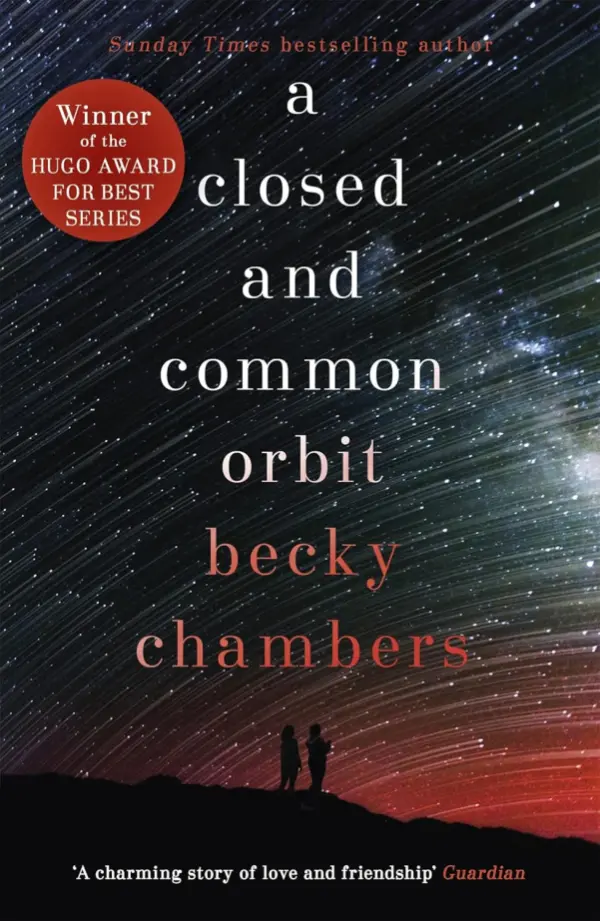
Becky Chambers
Wayfarers, book 2
Average Goodreads rating4.6
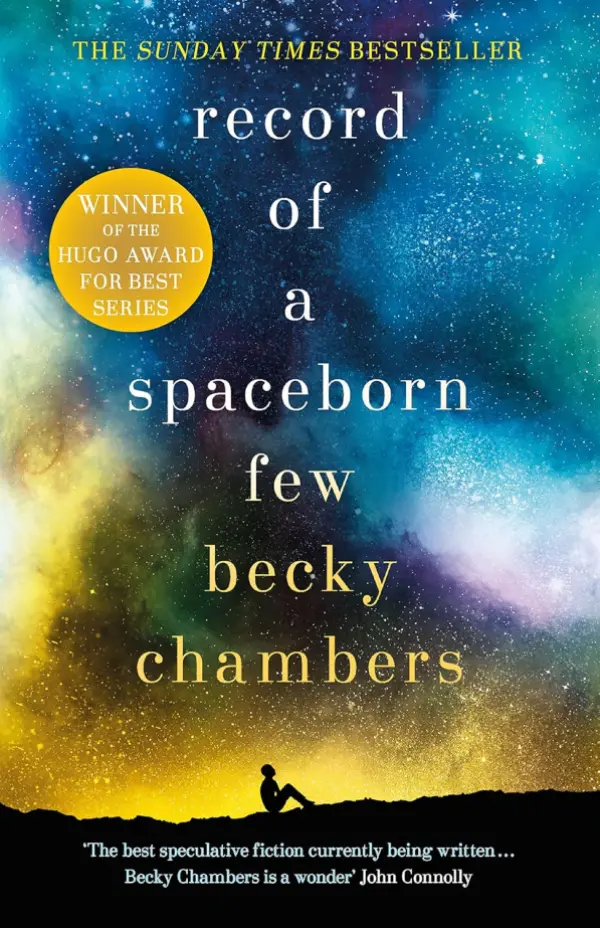
Becky Chambers
Wayfarers, book 3
Average Goodreads rating4.3
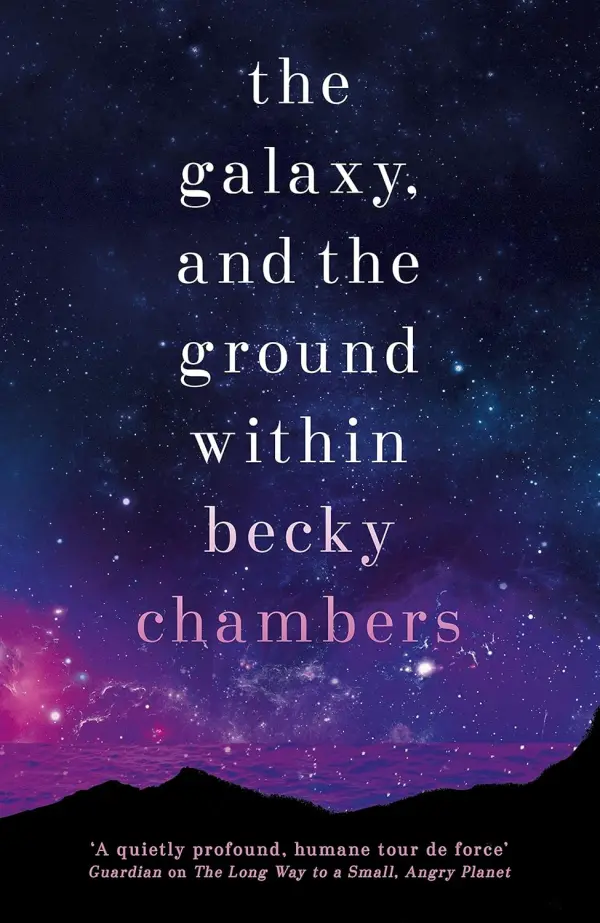
Becky Chambers
Wayfarers, book 4
Average Goodreads rating4.6
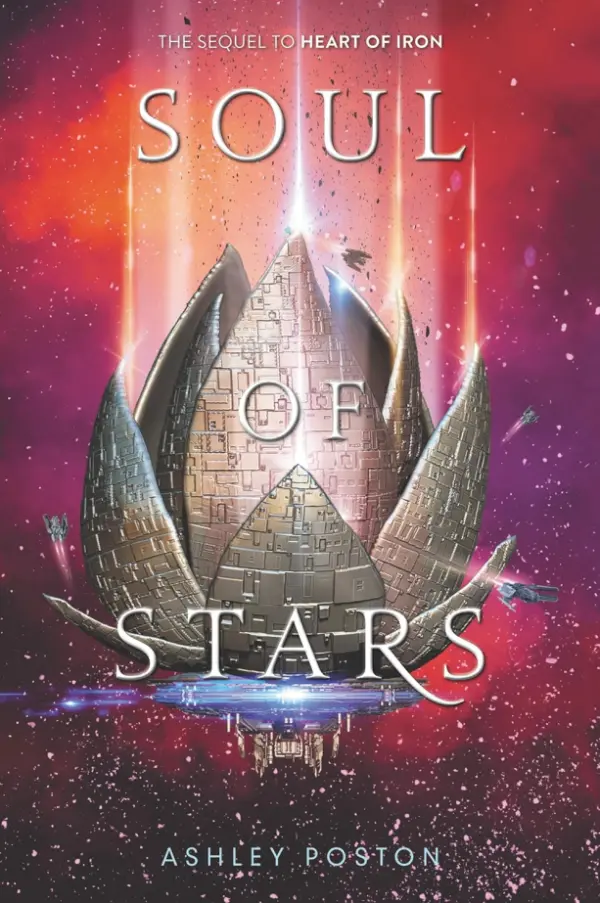
Ashley Poston
Heart of Iron, book 2
Average Goodreads rating4.0
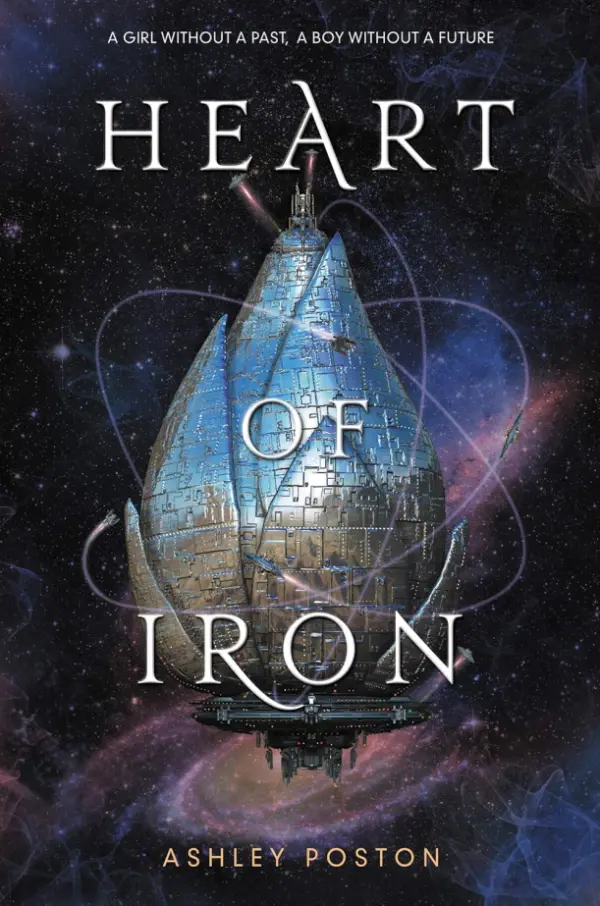
Ashley Poston
Heart of Iron, book 1
Average Goodreads rating3.7
Brandon Sanderson
3 books
Sarah J. Maas
5 books
Brandon Sanderson
4 books
Sarah J. Maas
7 books
Hannah Kaner
3 books · complete series
Pierce Brown
6 books · complete series
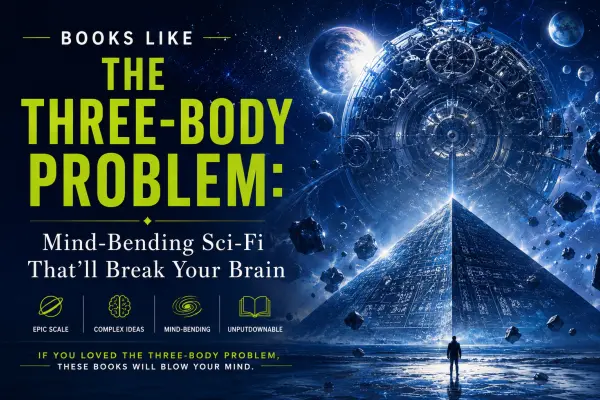
If The Three-Body Problem left you questioning humanity's place in the universe, discover 13 hard sci-fi books with the same cosmic scale, terrifying ideas, and unforgettable scientific concepts.
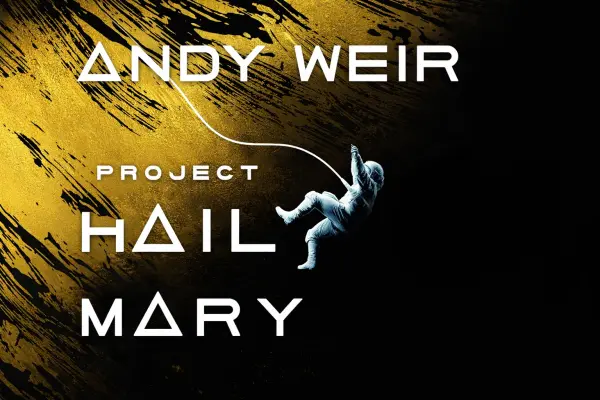
If you devoured Project Hail Mary's brilliant science, loveable protagonist, and unexpected friendship, discover 13 hard sci-fi books with the same addictive blend of problem-solving and heart.
Occasional emails with new recommendations, series news and trope round-ups.


