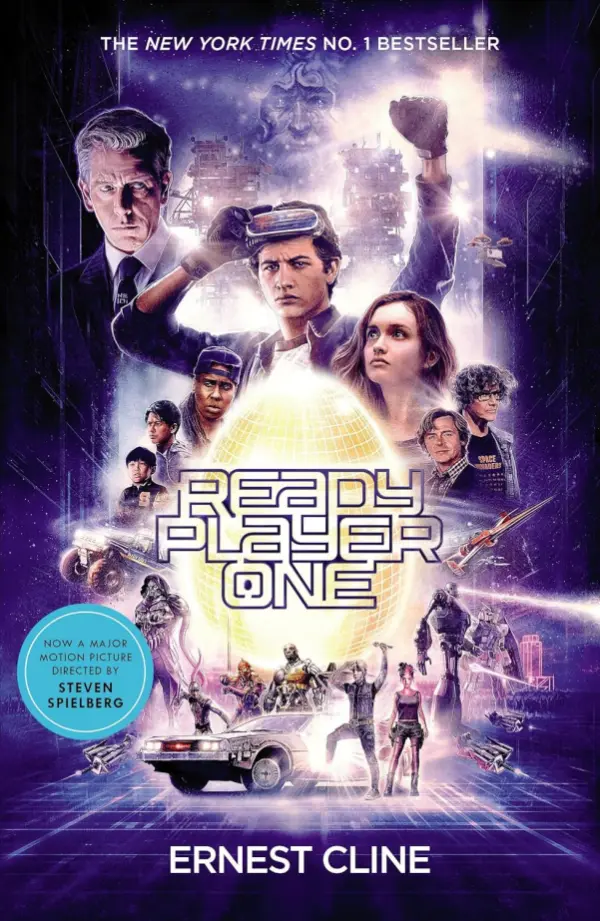
Book 1
Ready Player One
Average Goodreads rating4.6

Author · American
Ernest Cline is a bestselling sci-fi author known for nostalgic pop culture-infused stories. Celebrated for Ready Player One and Ready Player Two, he crafts virtual reality adventures, 1980s nostalgia, and treasure hunts in immersive digital worlds.
New to Ernest Cline? A popular place to start
Book 1 of Ready Player One
Ready Player One by Ernest Cline follows Wade Watts hunting for an Easter egg in the OASIS virtual reality universe, requiring mastery of 1980s pop culture. This sci-fi adventure delivers treasure hunts, gaming nostalgia, and underdog-versus-corporation thrills.
Picked from Ernest Cline’s most widely rated books on Goodreads, starting at the beginning of its series.
Retailer links may earn Trope Trove a commission, at no extra cost to you.
2 books in reading order
Book 1
Average Goodreads rating4.6
Book 2
Average Goodreads rating4.1
Not part of a series listed on Trope Trove
Average Goodreads rating4.1
Ernest Cline is an American science fiction author, screenwriter, and spoken word artist who became a cultural phenomenon through his ability to channel 1980s pop culture nostalgia into compelling near-future adventures. Best known for Ready Player One, which blends virtual reality, treasure hunts, and encyclopedic references to video games, movies, and music from the '80s, Cline creates stories that resonate with Gen X readers whilst introducing younger audiences to the pop culture that shaped previous generations. His work appeals to gamers, geeks, and anyone who finds comfort in nostalgia whilst exploring how technology, particularly virtual reality, might shape humanity's future.
Ready Player One (2011) launched Cline into bestseller status and eventual Steven Spielberg film adaptation. Set in 2045 where most of humanity escapes a dystopian reality by spending time in the OASIS - a massive virtual reality universe - the novel follows Wade Watts, a teenage "gunter" (egg hunter) seeking the ultimate Easter egg hidden by the OASIS's deceased creator. The prize: control of the OASIS and vast fortune. The hunt requires deep knowledge of 1980s pop culture, turning Wade's obsessive fandom into valuable skill whilst he competes against corporate villains and fellow gunters.
The novel's strength lies in its treasure hunt structure and the immersive OASIS world-building. Cline creates detailed virtual universe where people live entire lives, attend school, work jobs, and pursue adventures across countless themed planets. The 1980s references range from obscure to iconic - WarGames, Monty Python, classic arcade games, John Hughes films - creating nostalgia bomb for those who lived through the era whilst educating younger readers about cultural touchstones.
Critics noted the plot's simplicity and the sometimes overwhelming density of references, but fans embraced exactly these elements, finding comfort in familiar pop culture whilst enjoying underdog-versus-corporation narrative where knowing trivia about Dungeons & Dragons or Blade Runner becomes superpower.
Ready Player Two (2020) continues Wade's story, exploring consequences of controlling the OASIS whilst introducing new technology that makes virtual reality even more immersive and potentially dangerous. The sequel expands the universe whilst delivering more pop culture treasure hunting, though reception was more mixed than the original.
Armada (2015) follows similar formula - protagonist discovers video game skills translate to real alien invasion defense - whilst exploring different pop culture territory and the relationship between games, preparation, and heroism. The novel demonstrates Cline's range within his niche whilst showing his consistent themes: outsider protagonists finding purpose through geek knowledge, pop culture as shared language, and technology's double-edged nature.
Cline's writing is characterized by extensive pop culture references (particularly 1980s), virtual reality and gaming, treasure hunt/quest structures, underdog protagonists, geek culture celebration, near-future dystopias with escapist VR, corporate villains, encyclopedic detail about games/movies/music, and accessible prose prioritizing plot over literary flourishes.
Common themes include nostalgia as comfort and currency, virtual reality versus actual reality, geek knowledge as valuable, corporate control versus individual freedom, found family through shared interests, technology's potential and dangers, and escapism's appeal when reality disappoints.
Cline's prose is straightforward and plot-focused, designed to move quickly through adventures whilst pausing to lovingly detail whatever '80s artifact appears. The extensive references can slow pacing but serve worldbuilding and character purposes - these details matter to protagonists and define their identities.
What distinguishes Cline is his unabashed celebration of geek culture without irony or apology, creating power fantasies where knowing obscure Atari games or Rush albums makes you hero rather than social outcast.

Brandon Sanderson
Skyward, book 1
Average Goodreads rating4.6

Pierce Brown
Red Rising, book 1
Average Goodreads rating4.5

Neal Shusterman
Arc of a Scythe, book 1
Average Goodreads rating4.5

Megan O'Keefe
The Scorched Continent, book 1
Average Goodreads rating4.1

Octavia E. Butler
Parable, book 1
Average Goodreads rating4.4

Adrian Tchaikovsky
Children of Time, book 1
Average Goodreads rating4.5
If you devoured Project Hail Mary's brilliant science, loveable protagonist, and unexpected friendship, discover 13 hard sci-fi books with the same addictive blend of problem-solving and heart.
Occasional emails with new recommendations, series news and trope round-ups.