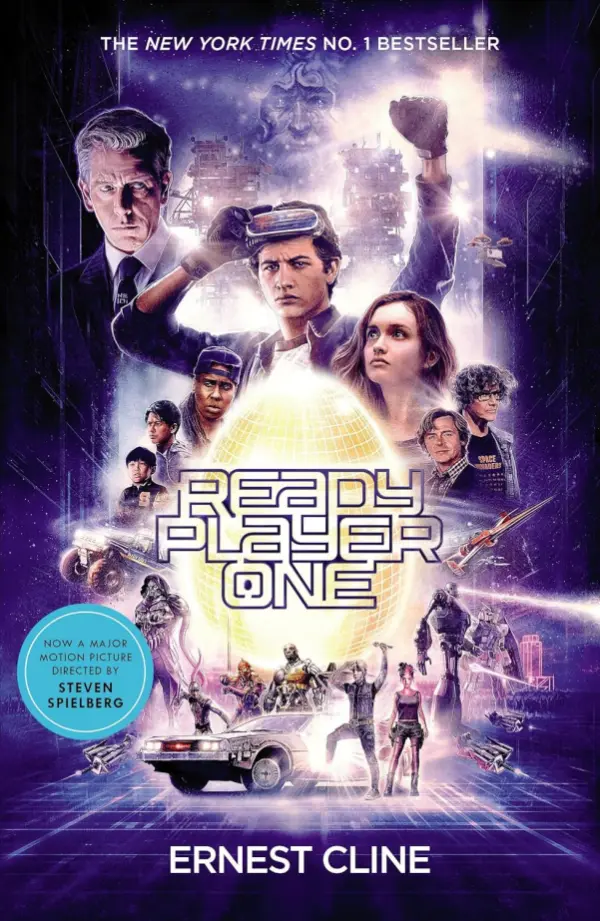
Ready Player One
Ernest Cline
Ready Player One, book 1
Average Goodreads rating4.6
Matched via its series

Book trope · 2 books
Whether it's a competitive e-sports tournament, a sprawling tabletop campaign, or a secret online world that bleeds into reality, the gaming trope places video games, role-playing games, or competitive gaming culture at the heart of the story.
More about the Gaming trope0 are tagged with Gaming individually. The others belong to a series tagged with it, which doesn’t mean every book in it features the trope, so they’re marked “Matched via its series”.
Updating books…
2 books found
Ernest Cline
Ready Player One, book 1
Average Goodreads rating4.6
Matched via its series
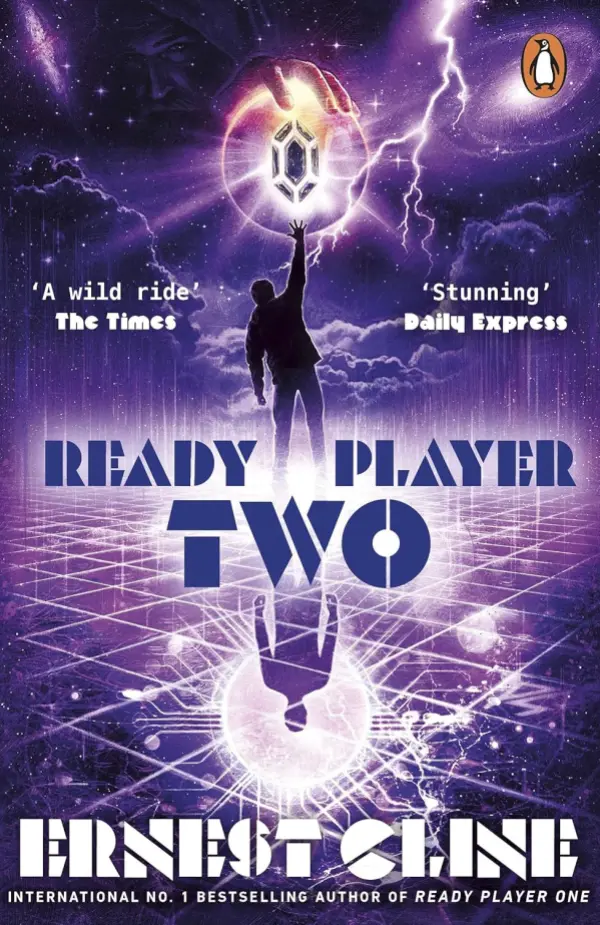
Ernest Cline
Ready Player One, book 2
Average Goodreads rating4.1
Matched via its series
Tropes that share the most books with Gaming
Whether it's a competitive e-sports tournament, a sprawling tabletop campaign, or a secret online world that bleeds into reality, the gaming trope places video games, role-playing games, or competitive gaming culture at the heart of the story. Characters bond over controllers, betray each other across servers, and occasionally fall in love between respawn points. The game isn't just background noise — it's the engine driving the plot, the relationships, and often the character's sense of identity.
Readers are drawn to this trope for the same reason they're drawn to any tight subculture story: the insider language, the high stakes that outsiders might dismiss as trivial, and the way competition strips people down to who they really are. Winning matters. But so does who's sitting beside you when you do.
At its core, the gaming trope is about mastery and vulnerability colliding. Characters who are confident and in control inside a game often struggle with exactly those things in real life, and that tension is where the best stories live. There's something particularly compelling about watching someone who dominates a leaderboard stumble through a conversation with the person they fancy.
The trope also tends to carry genuine specificity — screen names, guild hierarchies, controller layouts, the particular cruelty of losing on the final boss. Authors who write it well clearly know the culture from the inside, and that authenticity shows. The games feel real, which makes the stakes feel real, even when the drama is technically happening in a fictional digital world.
Online gaming opens up the anonymity angle: two players who despise each other in real life discover they've been best friends — or more — on a shared server for months. The reveal is almost always devastating in the best possible way. Competitive e-sports stories lean harder into the grind, the team dynamics, and the pressure of performing publicly, often mirroring sports romance beats but with a keyboard instead of a pitch.
Tabletop and role-playing game settings offer a slightly different flavour. The game becomes a space where characters can be honest about who they wish they were, and the lines between player and character have a habit of blurring in ways that feel emotionally true. Cosy gaming stories also exist — quieter, more domestic, built around shared playthroughs and late-night co-op sessions rather than tournament arcs.
There's a particular warmth to watching two people fall in love over something they're both genuinely passionate about. The gaming trope delivers that, but with an added edge: games have rules, and romance famously doesn't, and watching characters navigate the difference is endlessly entertaining. It also speaks directly to readers who've spent significant portions of their own lives in these worlds — people who know exactly how it feels when a game stops being just a game.
Press start. You're not putting this one down easily.
Occasional emails with new recommendations, series news and trope round-ups.