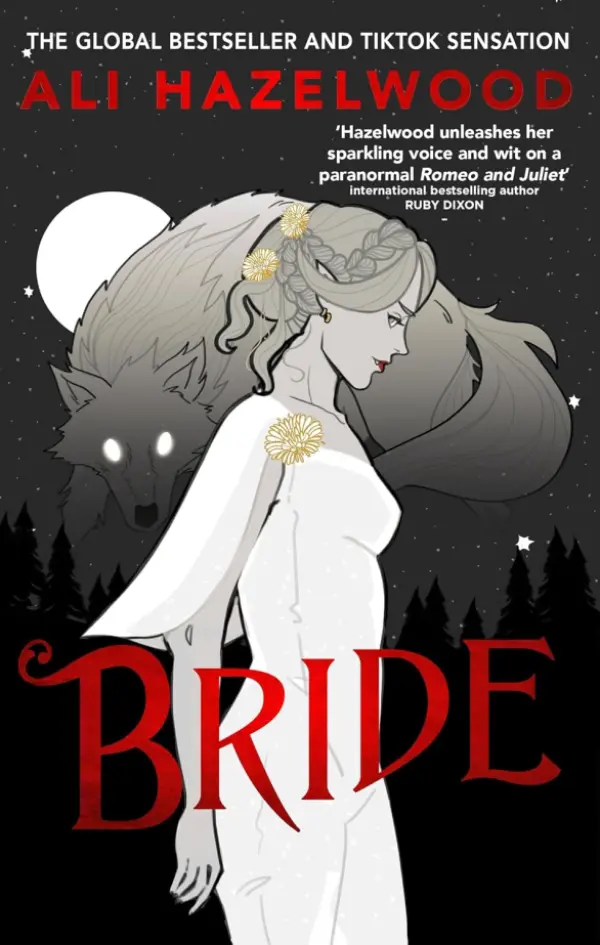
Bride
Ali Hazelwood
Average Goodreads rating4.4
- Enemies to Lovers
- Witty Banter & Sharp Dialogue

Book trope · 10 books
Few figures in fiction carry the same magnetic charge as the vampire. Immortal, predatory, unnervingly beautiful — and very, very old. The vampire trope encompasses any story in which one or more of these creatures plays a significant role, whether as protagonist, love interest, antagonist, or something altogether more…
More about the Vampires trope2 are tagged with Vampires individually. The others belong to a series tagged with it, which doesn’t mean every book in it features the trope, so they’re marked “Matched via its series”.
Updating books…
10 books found
Ali Hazelwood
Average Goodreads rating4.4
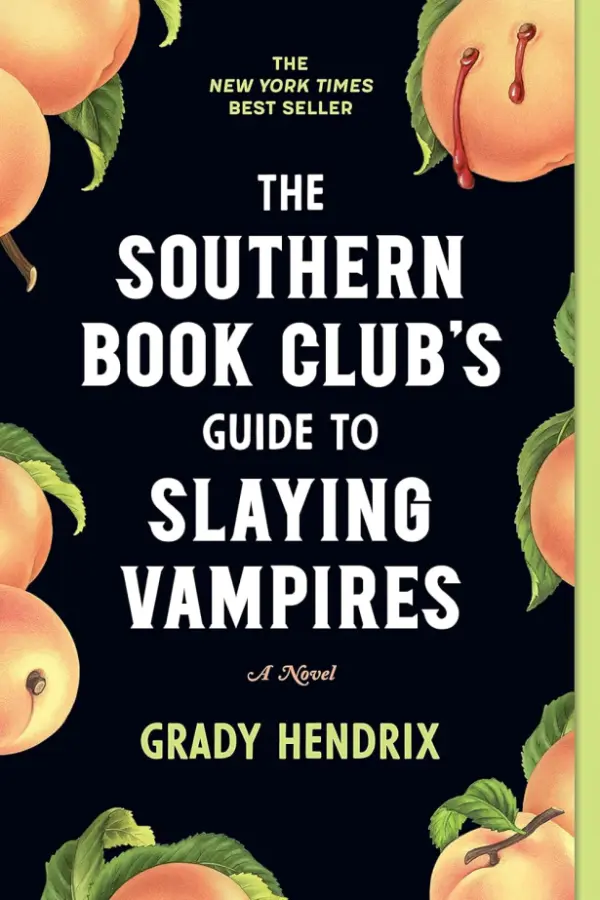
Grady Hendrix
Average Goodreads rating4.4
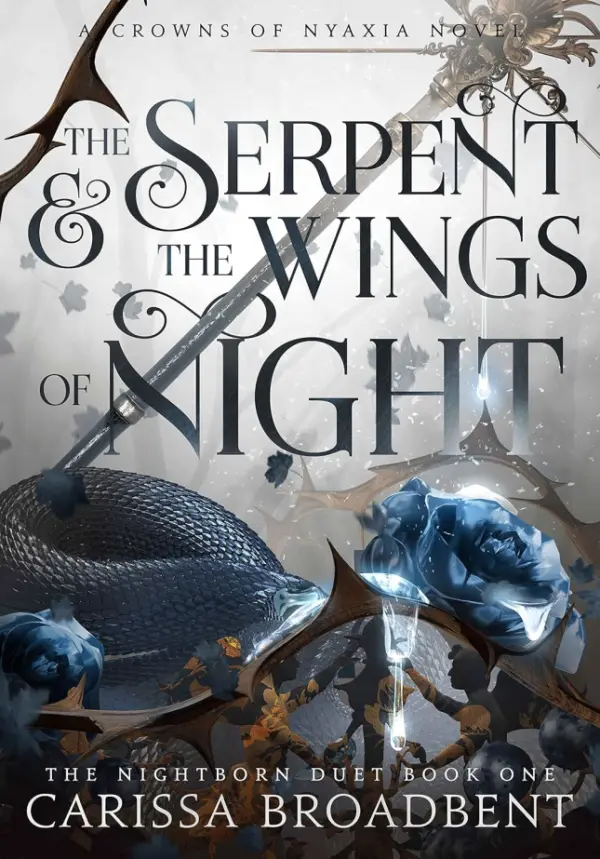
Carissa Broadbent
Crowns of Nyaxia, book 1
Average Goodreads rating4.5
Matched via its series

Jay Kristoff
Empire of the Vampire, book 1
Average Goodreads rating4.7
Matched via its series
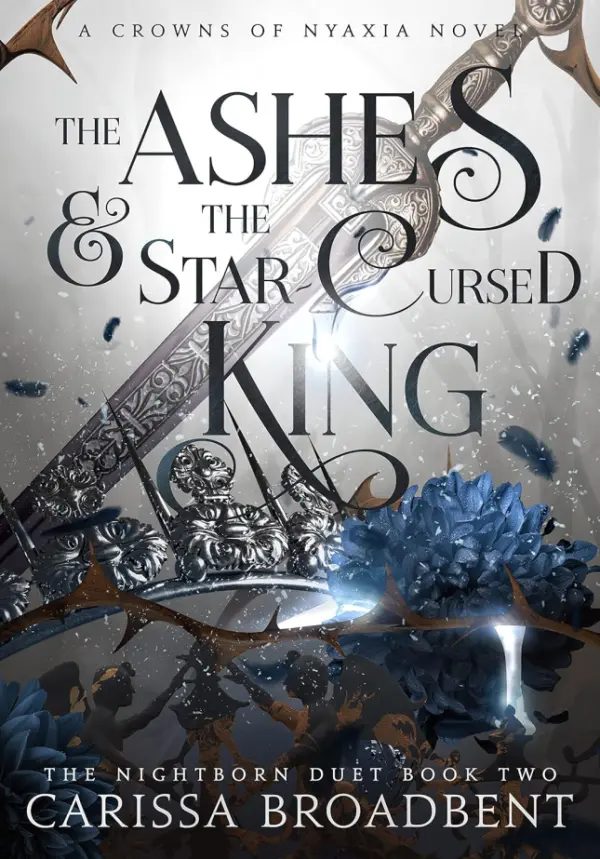
Carissa Broadbent
Crowns of Nyaxia, book 2
Average Goodreads rating4.3
Matched via its series
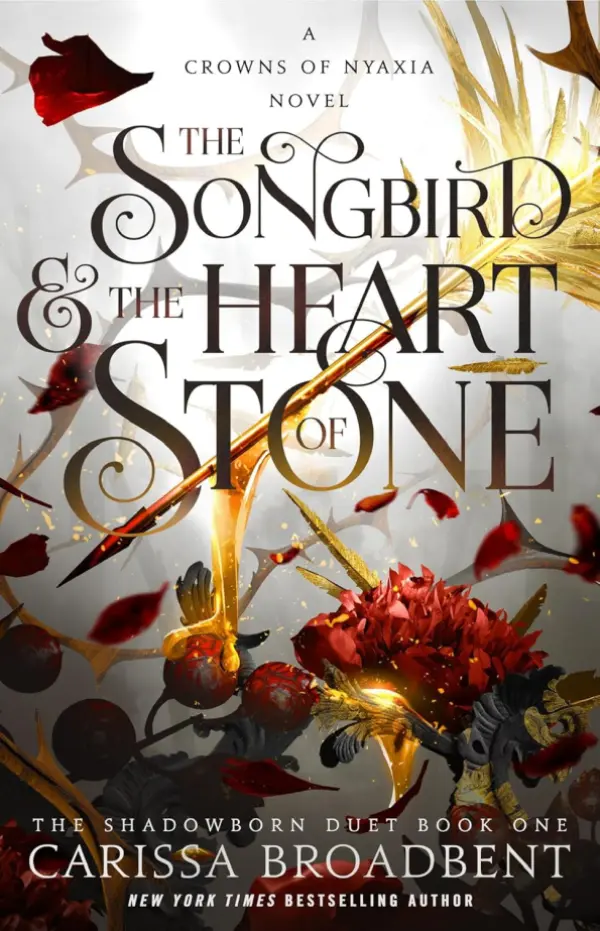
Carissa Broadbent
Crowns of Nyaxia, book 3
Average Goodreads rating4.3
Matched via its series
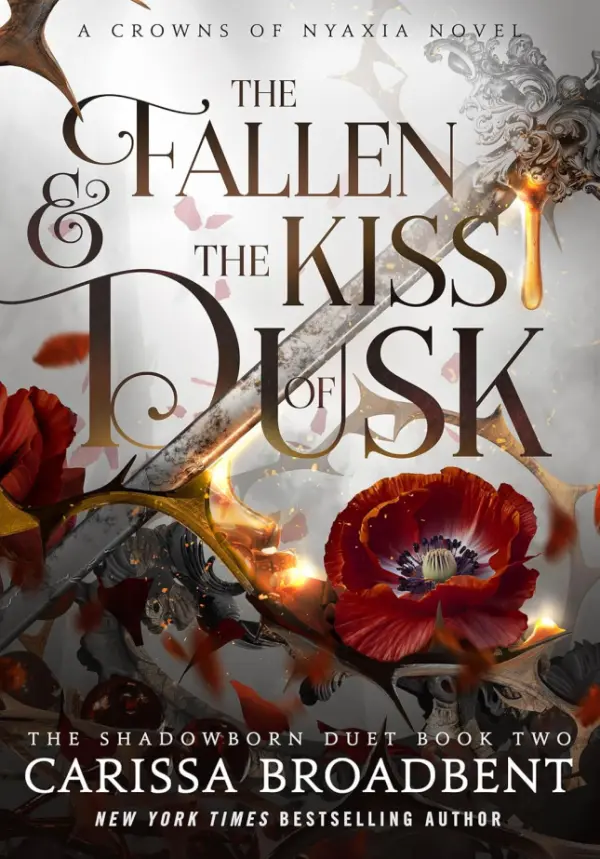
Carissa Broadbent
Crowns of Nyaxia, book 4
Average Goodreads rating4.2
Matched via its series

Jay Kristoff
Empire of the Vampire, book 2
Average Goodreads rating4.8
Matched via its series

Jay Kristoff
Empire of the Vampire, book 3
Average Goodreads rating4.7
Matched via its series
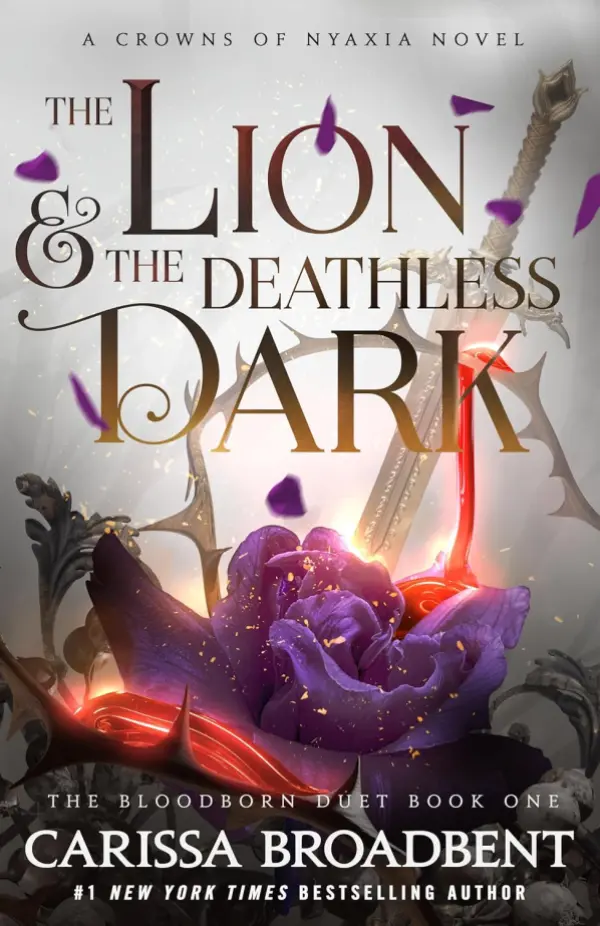
Carissa Broadbent
Crowns of Nyaxia, book 5
Matched via its series
Tropes that share the most books with Vampires
Few figures in fiction carry the same magnetic charge as the vampire. Immortal, predatory, unnervingly beautiful — and very, very old. The vampire trope encompasses any story in which one or more of these creatures plays a significant role, whether as protagonist, love interest, antagonist, or something altogether more ambiguous. They can be monstrous or romantic, Gothic or contemporary, tragic or terrifying. Sometimes all four at once.
At its core, the appeal is about transgression. Vampires exist outside human rules — outside mortality, outside morality, outside the daylight world most of us inhabit. Stories built around them let readers explore desire, danger, and power without consequence. That's an enormously compelling combination, and it's why the trope has endured for centuries rather than decades.
Blood is the obvious starting point. The feeding relationship — whether it's violent, intimate, or somewhere in between — sits at the heart of almost every vampire narrative, and how an author handles it tells you immediately what kind of story you're in. Some writers treat it as an act of violation; others reframe it as something close to communion. The best vampire fiction tends to make the feeding scene do double duty, carrying emotional weight far beyond the literal act.
Immortality is the other defining tension. Centuries of accumulated memory, loss, and moral compromise shape vampire characters in ways that human ones simply can't be. A vampire love interest who has watched empires rise and fall brings a very different emotional texture to a romance than any human counterpart could manage. This often produces characters who feel genuinely world-weary rather than performatively so — and readers find that irresistible.
Then there's the question of rules. Every vampire story builds its own mythology: what kills them, what limits them, whether they can walk in sunlight, whether they feel remorse. These details matter because they define what's at stake. A vampire who is purely monstrous creates one kind of story. One who genuinely struggles with what they are creates quite another.
The Gothic romance end of the spectrum leans into atmosphere — crumbling estates, operatic passion, and heroes or heroines who are as dangerous as they are irresistible. These stories are often slower-burning, more preoccupied with dread and longing than action.
Urban fantasy takes the vampire out of the castle and drops them into contemporary cities, usually alongside witches, werewolves, and assorted supernatural factions. Here the focus tends to shift towards politics and power — who controls vampire society, how vampires negotiate coexistence with humans, what it costs to survive in both worlds at once.
Paranormal romance centres the love story above everything else, often pairing a human protagonist with a vampire whose centuries of isolation have left them completely unprepared for one specific, inconvenient person. The tension between predator and beloved, between the vampire's nature and their growing attachment, generates enormous emotional momentum.
There's also a grittier, horror-inflected tradition that refuses to let the vampire be redeemed or romanticised. These are the stories that keep the monster fully intact — and they serve as a useful reminder that the trope's longevity comes not from the romance alone, but from the genuine unease that vampires, at their best, have always produced.
Vampire fiction has been declared dead and buried more times than the creatures themselves. It never stays that way. Each generation finds something new to ask of the trope — new anxieties to project onto immortal bodies, new kinds of desire to explore through the safe remove of the supernatural. The vampire absorbs it all without flinching.
Whether you're after sweeping Gothic romance, sharp-edged urban fantasy, or something that genuinely unsettles you at midnight, there's a vampire story shaped exactly for that mood. The coffin is always open.
Occasional emails with new recommendations, series news and trope round-ups.