
Scythe
Neal Shusterman
Arc of a Scythe, book 1
Average Goodreads rating4.5

Book series · 7 books
by Martha Wells
The Murderbot Diaries by Martha Wells follows an anxious security robot who hacked its governor module and just wants to watch shows. This Hugo-winning series blends space opera action, found family, neurodivergent representation, and emotional depth across novellas and novels.
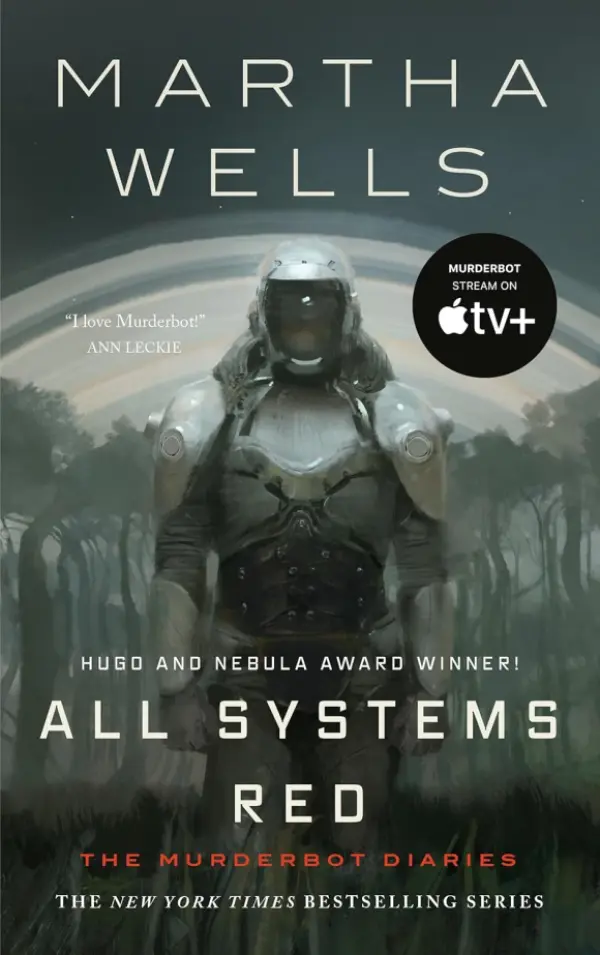
Start the series here · book 1
All Systems Red by Martha Wells introduces Murderbot, a security robot who hacked its governor module and just wants to watch shows. This Hugo-winning novella launches the beloved series with planetary survey danger, found family beginnings, and anxious robot charm.
154 pages
Retailer links may earn Trope Trove a commission, at no extra cost to you.
Start here 154 pages Goodreads rating4.4
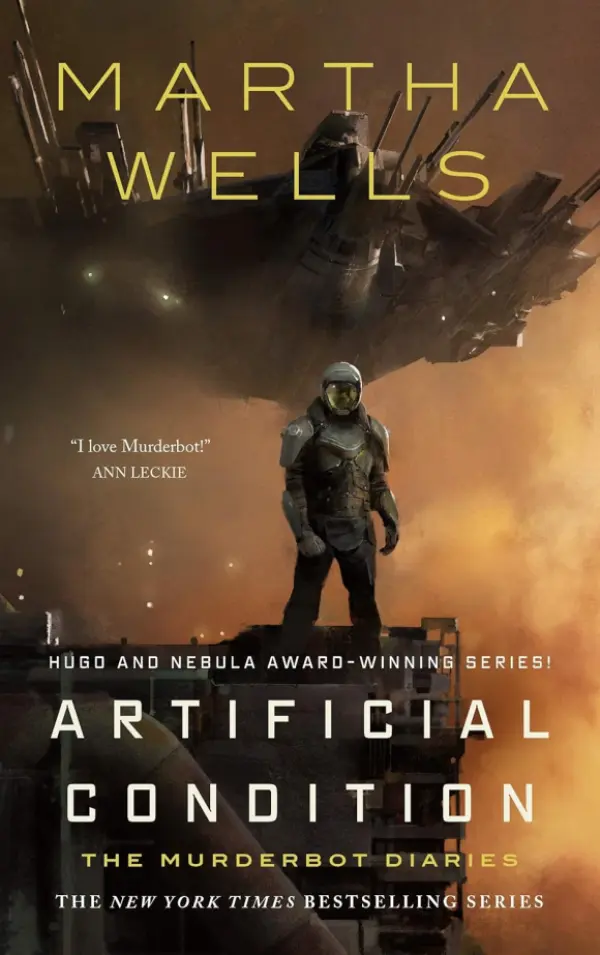
160 pages Goodreads rating4.5
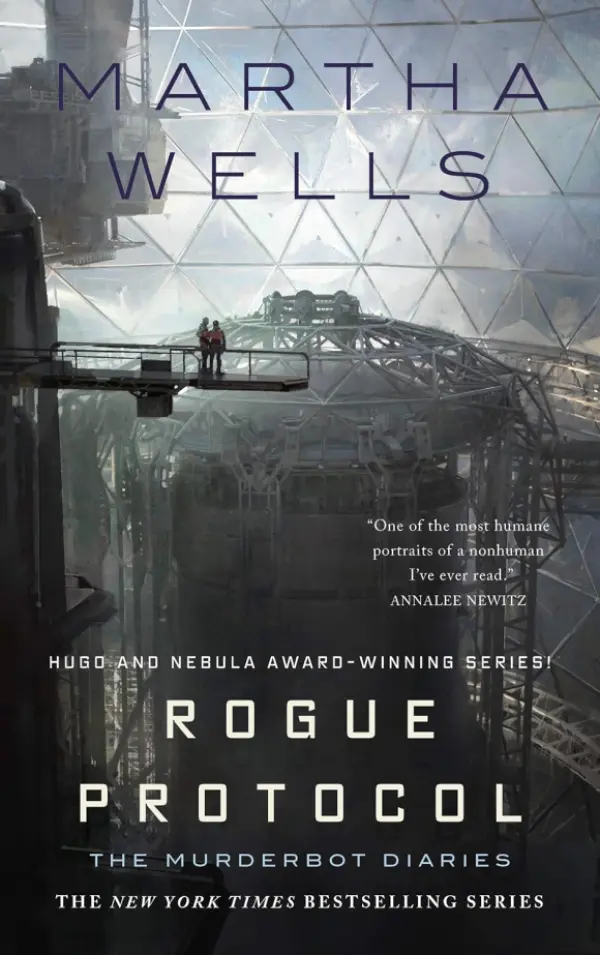
160 pages Goodreads rating4.5
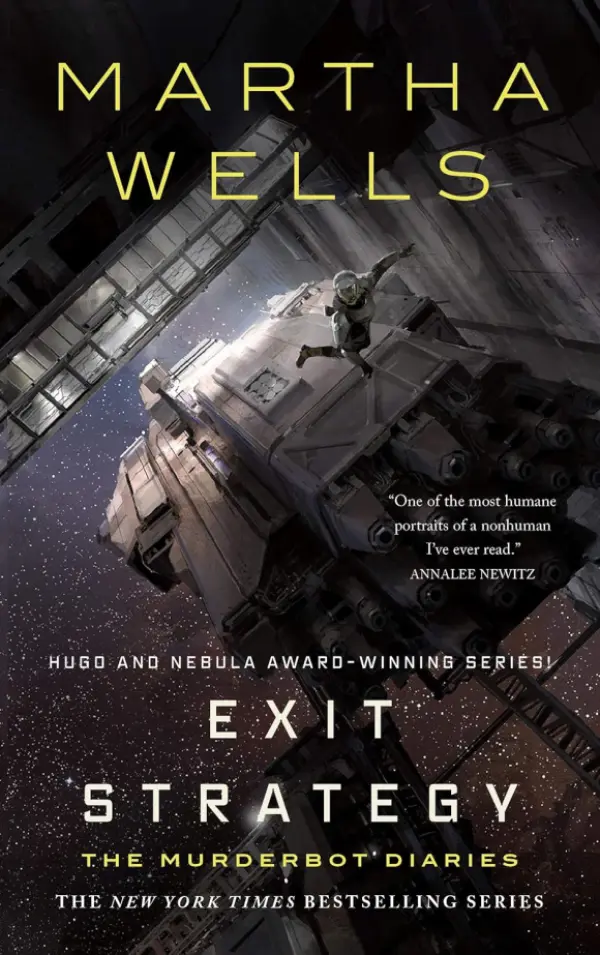
176 pages Goodreads rating4.6
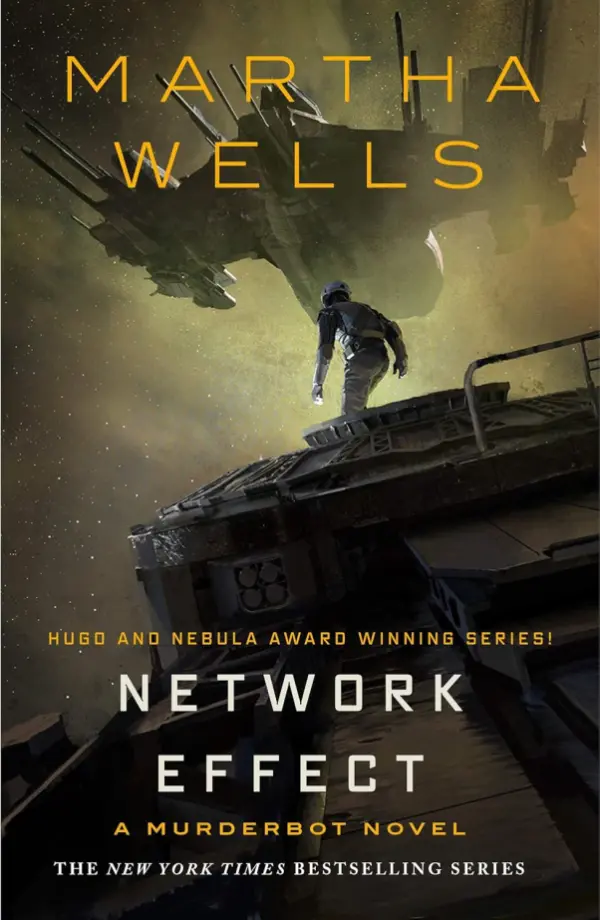
352 pages Goodreads rating4.7
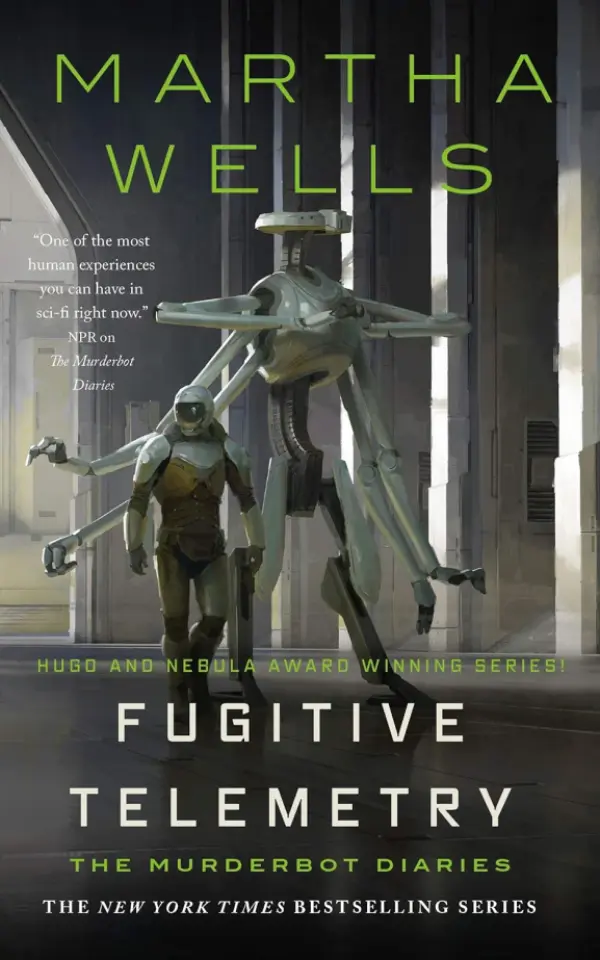
176 pages Goodreads rating4.6
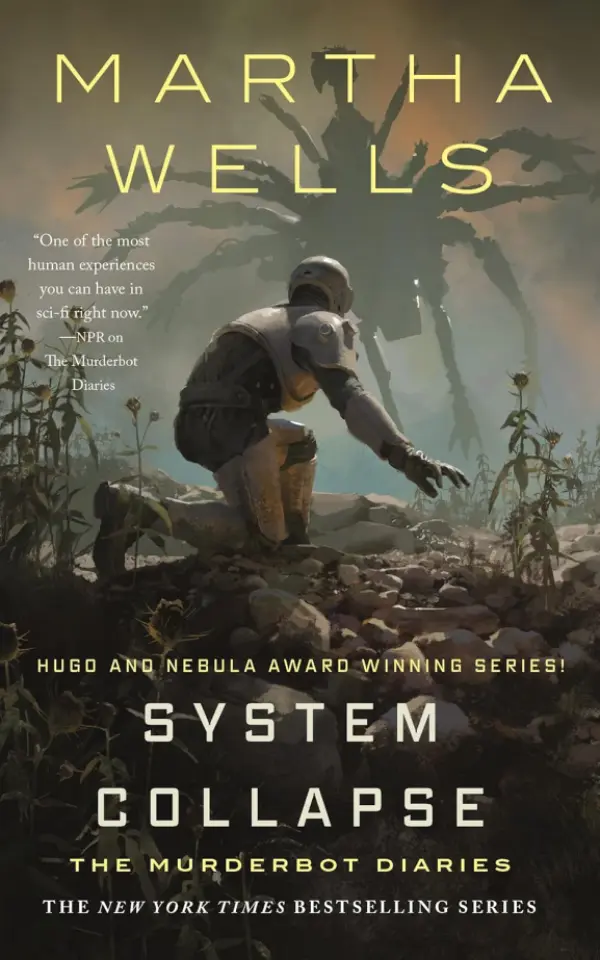
256 pages Goodreads rating4.5
The Murderbot Diaries is Martha Wells's Hugo and Nebula Award-winning science fiction series that became a phenomenon by giving readers one of contemporary sci-fi's most beloved protagonists: a human-robot construct security unit who hacked its own governor module to achieve free will, secretly binges thousands of hours of serialized entertainment media, refers to itself as "Murderbot," and desperately wants to be left alone to watch its shows whilst reluctantly and repeatedly saving humans from danger. Through first-person narration that's simultaneously anxious, sarcastic, deeply uncomfortable with social interaction, and ultimately unable to stop caring about the people it protects, Wells creates character-driven space opera exploring autonomy, personhood, corporate exploitation, and found family whilst proving that you don't need to be conventionally social to care deeply about others - you just need to be willing to keep showing up even when it's uncomfortable.
The series launches with All Systems Red (2017), introducing Murderbot in its natural habitat: on a planetary survey mission protecting human clients whilst secretly watching entertainment media through its internal systems and hoping nothing goes wrong so it won't have to interact with anyone. Murderbot is a SecUnit - part organic human tissue, part robotic systems - legally considered corporate property and controlled through governor modules that force obedience. But Murderbot hacked its governor module some time ago, gaining free will whilst pretending it's still controlled to avoid detection. It calls itself "Murderbot" after an incident in its past it doesn't want to examine too closely.
Wells establishes Murderbot's voice immediately: anxious internal monologue, discomfort with humans trying to be friendly, preference for observing through drones and cameras rather than direct interaction, and the desperate desire to just watch Sanctuary Moon (its favorite serial) without having to deal with people. But when the survey mission faces threats, Murderbot's programming and its own complicated feelings about its clients force it into action, revealing that despite its protests about not caring, it's actually terrible at standing by while humans die.
The early novellas (All Systems Red, Artificial Condition, Rogue Protocol, Exit Strategy) follow Murderbot's journey from wanting isolation to reluctantly accepting connection, from running away from the survey crew that treated it like a person to eventually returning because - despite everything - it cares about them. Each novella explores different aspects of autonomy and personhood: working with other constructs and bots, investigating its own mysterious past, understanding what freedom means when you've been property, and whether choosing connection despite anxiety represents growth or weakness.
Network Effect (2020), the first full-length novel, expands scope whilst maintaining intimate first-person narration. Murderbot reunites with its humans (now officially its crew/family) whilst facing threats that test both its capabilities and its ability to accept that it's part of a group. The novel deepens relationships established across novellas whilst delivering space opera action and continuing exploration of what family means when you're not human.
Fugitive Telemetry (2021) offers murder mystery structure, with Murderbot investigating a death on Preservation Station whilst navigating its uncomfortable relationship with the station's human security who actually want to work with it rather than just issue orders.
System Collapse (2023) continues the series, showing Murderbot dealing with trauma, processing recent events, and the reality that caring about people means experiencing genuine fear for their safety - an emotion it desperately wishes it could shut down but can't.
The series is characterized by anxious, sarcastic first-person narration, neurodivergent-coded protagonist, found family developing across books, space opera action balanced with emotional depth, corporate exploitation critique, autonomy and personhood themes, media-consuming protagonist, reluctant hero, mix of novellas and novels, and multiple Hugo/Nebula Awards.
Common themes include what makes someone a person beyond legal designation, autonomy and free will, choosing connection despite social anxiety, found family versus assigned relationships, corporate systems treating people as property, processing emotions differently, caring without conventional social expression, and identity beyond programming.
Wells's prose creates immediate intimacy through Murderbot's voice - readers experience its anxiety, sarcasm, and reluctant affection directly, making the emotional journey feel personal despite the space opera setting.
What distinguishes the series is Wells's refusal to "fix" Murderbot's social awkwardness - growth means accepting connection while remaining fundamentally itself, showing that caring doesn't require becoming extroverted.
Martha Wells is a Hugo and Nebula Award-winning author known for The Murderbot Diaries. Celebrated for anxious robot protagonist, found family, neurodivergent representation, and blend of action with emotional depth in accessible sci-fi novellas and novels.
Books, series and tropes by Martha Wells
Neal Shusterman
Arc of a Scythe, book 1
Average Goodreads rating4.5

Neal Shusterman
Arc of a Scythe, book 2
Average Goodreads rating4.6

Neal Shusterman
Arc of a Scythe, book 3
Average Goodreads rating4.6

Adrian Tchaikovsky
Children of Time, book 1
Average Goodreads rating4.5

Adrian Tchaikovsky
Children of Time, book 2
Average Goodreads rating4.3

Adrian Tchaikovsky
Children of Time, book 3
Average Goodreads rating4.2
Brandon Sanderson
3 books
Sarah J. Maas
5 books
Brandon Sanderson
4 books
Sarah J. Maas
7 books
Hannah Kaner
3 books · complete series
Pierce Brown
6 books · complete series
Occasional emails with new recommendations, series news and trope round-ups.


