
A Court of Thorns and Roses
Sarah J. Maas
A Court of Thorns and Roses (ACOTAR), book 1
Average Goodreads rating4.5

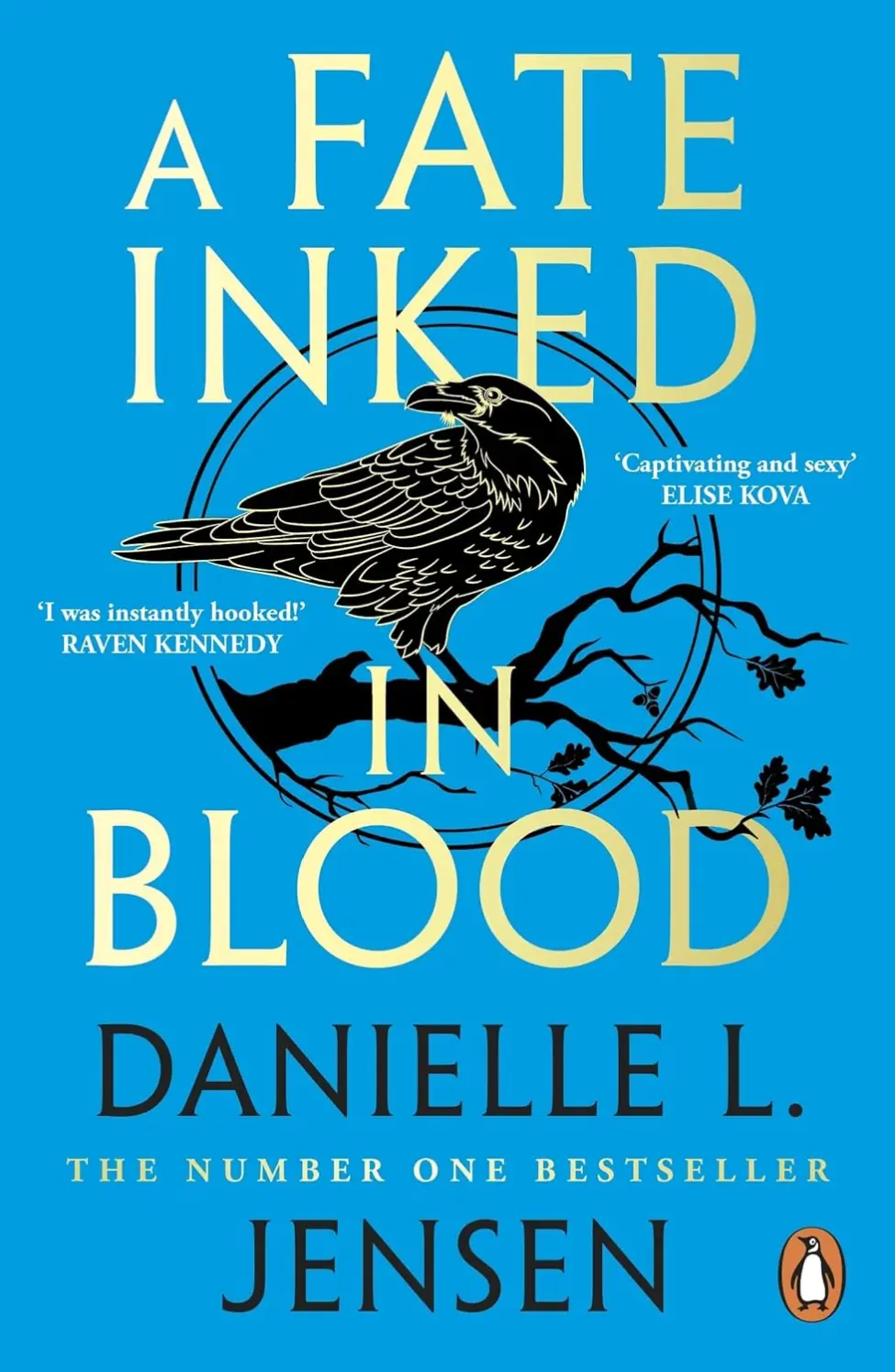
Book 1 in Saga of the Unfated
We independently select and recommend books. Purchases made through our links may earn us a commission, at no extra cost to you. Prices and availability are set by each retailer.
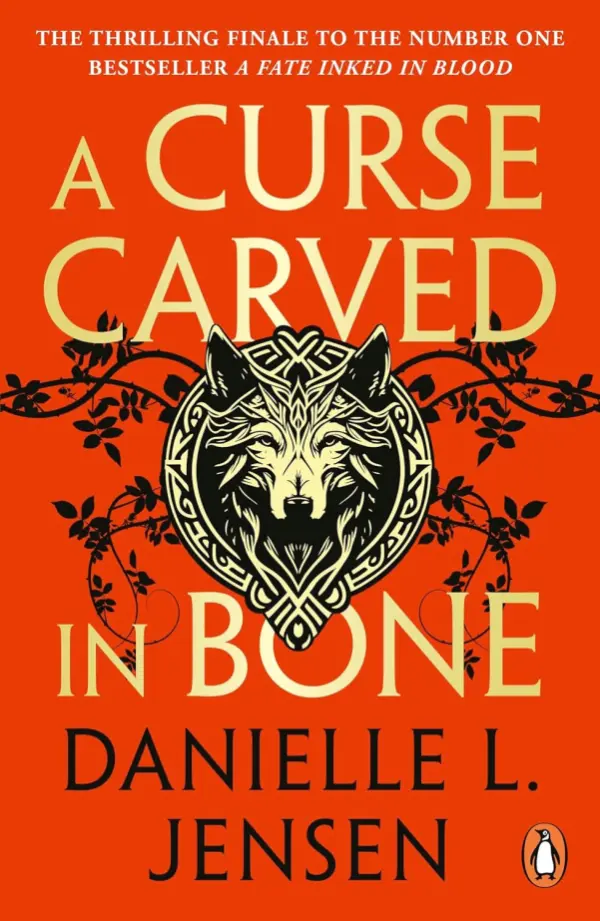
A Fate Inked in Blood by Danielle L. Jensen follows Freya, a shield maiden whose fate marks her as insignificant, until she's bound to a jarl seeking power. This Norse-inspired fantasy romance delivers gods, prophecy, and fighting predetermined destiny.
Tagged on the series as a whole, so not every book will feature each one.
A Fate Inked in Blood is Danielle L. Jensen's Norse-inspired fantasy romance launching the Saga of the Unfated series, introducing readers to a world where fate is tangible reality determined by gods and read by seers, where destinies range from legendary heroism to ignoble death, and where those marked as "unfated" - destined for failure or insignificance - face systematic discrimination. Following Freya, a shield maiden whose fate supposedly marks her as unremarkable, the novel explores what happens when she's chosen by a god for purposes beyond her predetermined destiny, bound to an ambitious jarl through marriage and prophecy, and forced to navigate court politics, divine manipulation, and the question of whether she can forge her own path despite what the gods have written.
Freya has lived her life knowing her fate: unremarkable, insignificant, destined for nothing worthy of saga or song. In a society where seers read destinies woven by gods and where those fated for greatness receive resources, training, and respect, Freya's unfated status means limited opportunities and constant reminders of her supposed worthlessness. She's made peace with this, building life as shield maiden and finding worth in protecting her community despite fate declaring her unimportant.
Everything changes when circumstances reveal Freya possesses abilities connected to the gods - powers that shouldn't exist in someone marked by fate as insignificant. This divine attention draws the notice of Jarl Bjorn, an ambitious leader seeking to unite the fractured Norse kingdoms under his rule. Bjorn needs someone blessed by gods to legitimize his claim and further his political ambitions. He binds Freya to him through marriage, making her both asset and prisoner in his quest for power.
Jensen establishes the enemies-to-lovers dynamic through forced marriage with political stakes. Freya resents being used as tool for Bjorn's ambitions, trapped in marriage she didn't choose and thrust into court politics she never sought. Bjorn views Freya pragmatically - she's a means to achieve his goals, blessed by gods in ways that serve his purposes. But proximity forces complications as initial antagonism confronts the reality that both are more complex than assumptions suggested.
The world-building draws heavily on Norse mythology whilst creating distinct magic system around tangible fate. The gods aren't distant abstractions but active forces manipulating mortals for their own purposes. Fate can be read, destinies are predetermined, yet Freya's very existence - unfated yet god-blessed - suggests the system isn't absolute. Jensen uses this framework to explore free will versus determinism, whether gods truly control everything, and if individuals can change paths supposedly written in stone.
The political intrigue operates on multiple levels: Bjorn's campaign to unite kingdoms through military might and political marriages, rival jarls with their own ambitions and god-blessed warriors, and the court dynamics where Freya must navigate as outsider thrust into power she never wanted. Jensen's characteristic attention to strategy, alliances, and the personal cost of political decisions grounds the mythological elements.
Supporting characters include other warriors blessed or cursed by gods, rival jarls and their courts, seers who read fate, and divine beings whose manipulations drive mortal conflicts. These relationships create rich landscape where Freya must determine who to trust whilst questioning everything she's been taught about fate, worth, and her own capabilities.
Themes of fighting predetermined destiny, worth beyond others' declarations, systematic discrimination based on fate, gods manipulating mortals, free will in world of prophecy, and finding agency when circumstances strip choice run throughout.
The ending sets up the series whilst providing emotional resolution for this book's arc.
Sarah J. Maas
A Court of Thorns and Roses (ACOTAR), book 1
Average Goodreads rating4.5
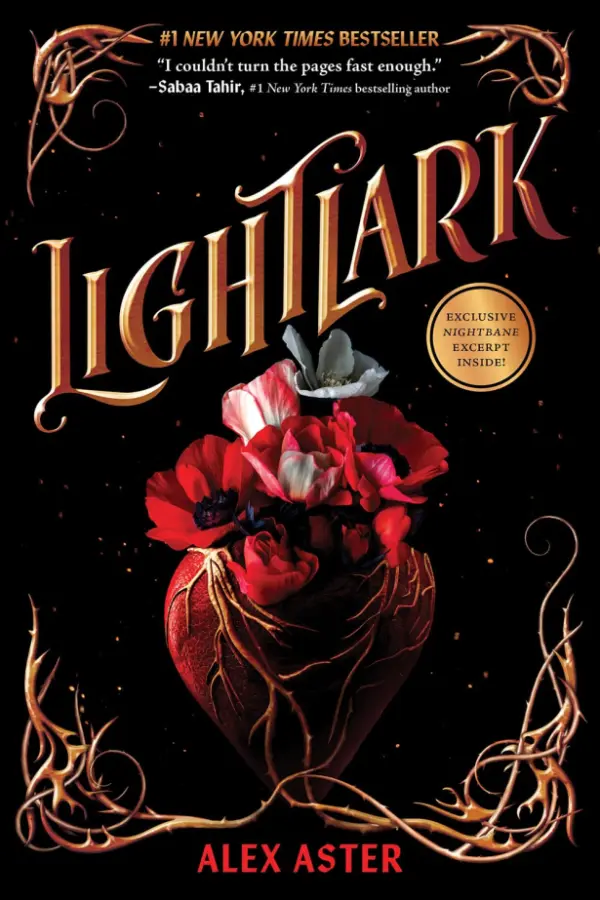
Alex Aster
Lightlark, book 1
Average Goodreads rating4.0
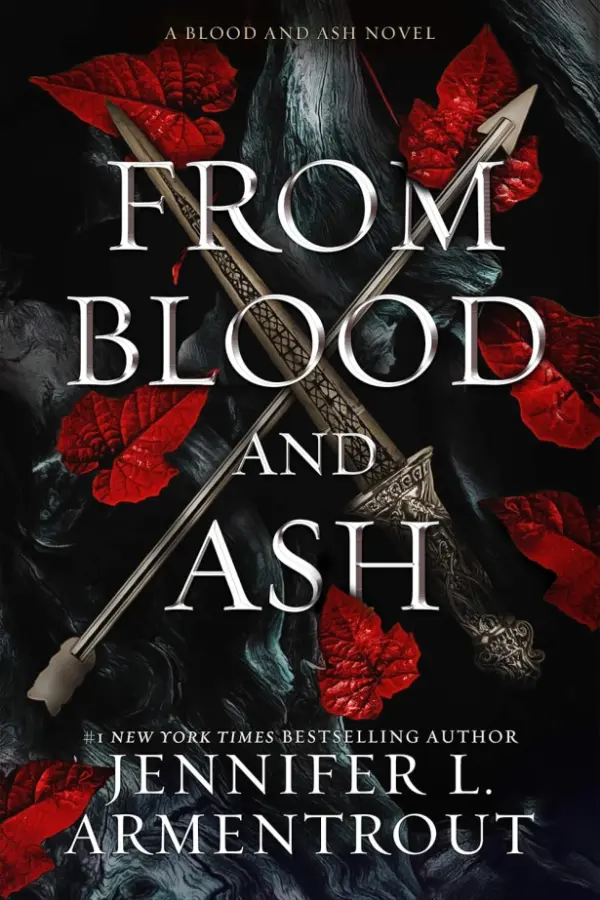
Jennifer L. Armentrout
Blood And Ash, book 1
Average Goodreads rating4.6
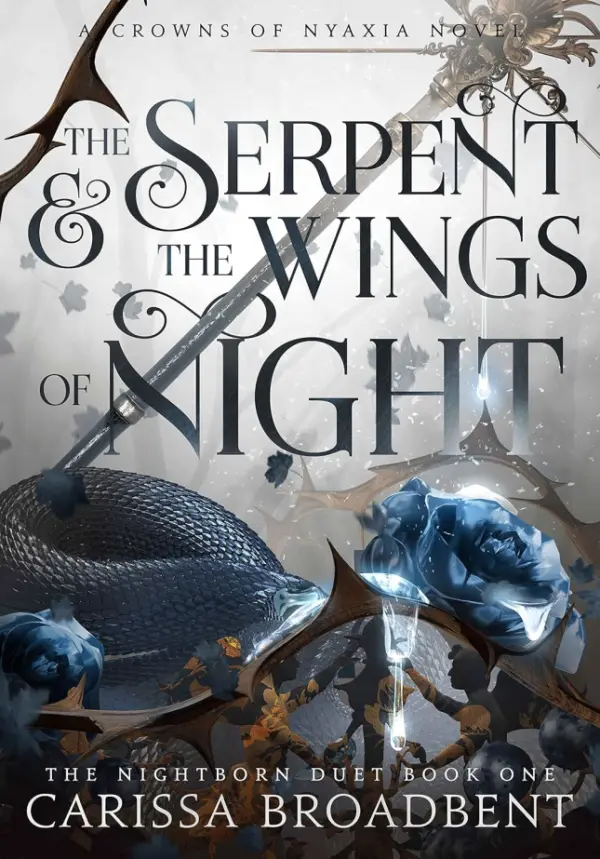
Carissa Broadbent
Crowns of Nyaxia, book 1
Average Goodreads rating4.5
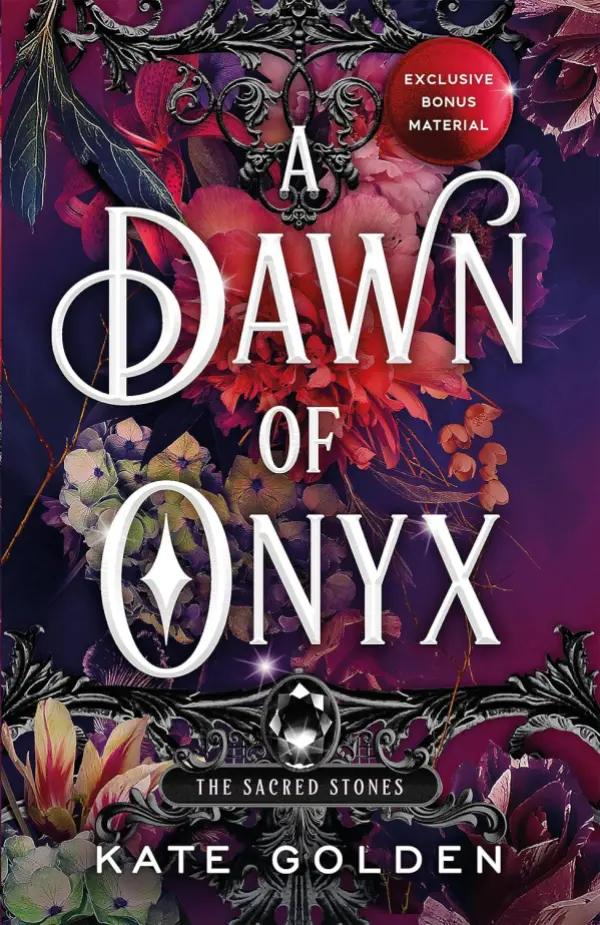
Kate Golden
Sacred Stones, book 1
Average Goodreads rating4.3
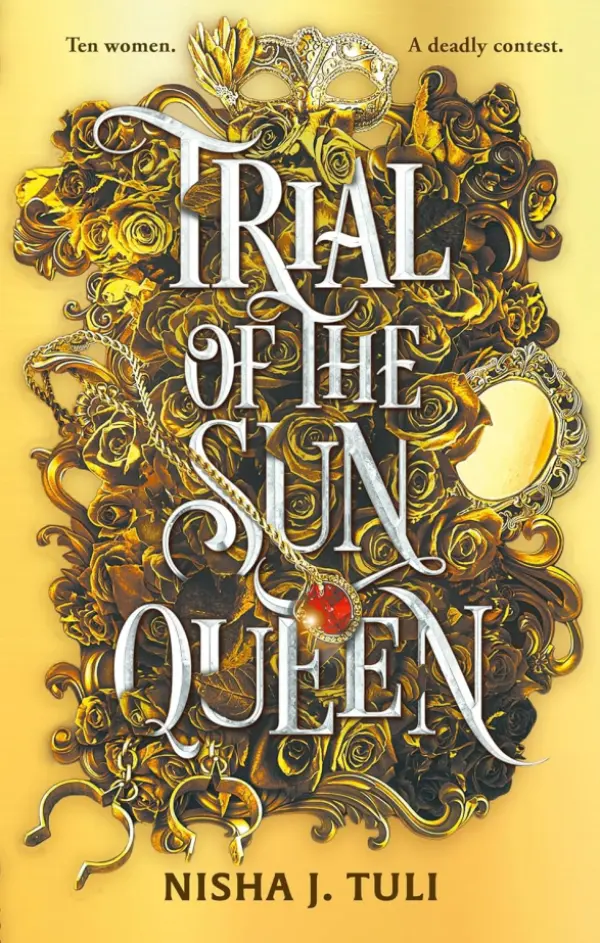
Nisha J. Tuli
Artefacts of Ouranos, book 1
Average Goodreads rating4.3
Still Looking?
Further down our similarity list, but still sharing tropes and genres with this book.
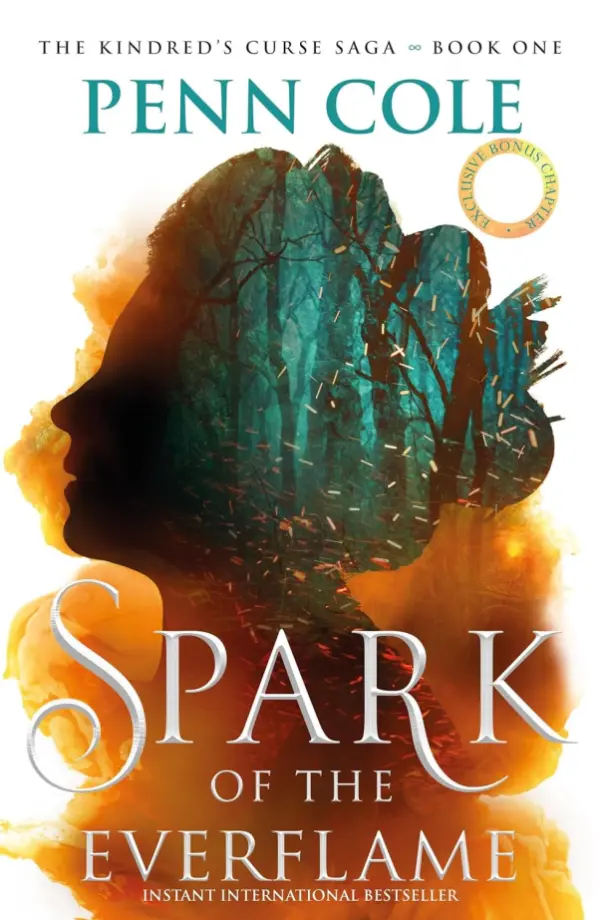
Penn Cole
The Kindred's Curse Saga, book 1
Average Goodreads rating4.4
Buy from Amazon (opens Amazon in a new tab)
Callie Hart
Fae & Alchemy, book 1
Average Goodreads rating4.6
Buy from Amazon (opens Amazon in a new tab)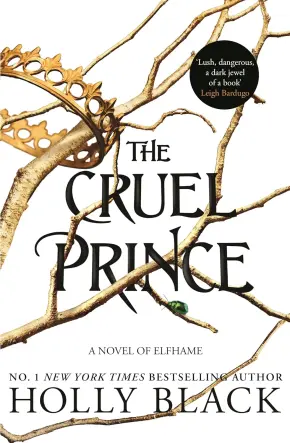
Holly Black
The Folk of the Air, book 1
Average Goodreads rating4.3
Buy from Amazon (opens Amazon in a new tab)Danielle L. Jensen is a bestselling fantasy romance author known for epic world-building and emotional depth. Celebrated for The Bridge Kingdom and Malediction series, she crafts political intrigue, enemies-to-lovers romance, and richly detailed fantasy worlds.
Books, series and tropes by Danielle L. JensenA Fate Inked in Blood
Buy from Amazon (opens Amazon in a new tab)Occasional emails with new recommendations, series news and trope round-ups.