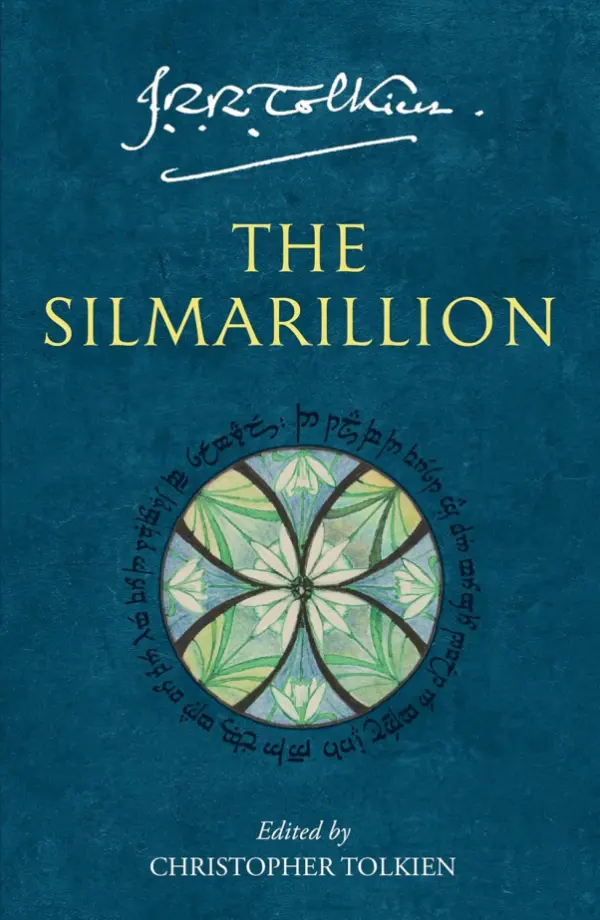
The Silmarillion
J. R. R. Tolkien
Average Goodreads rating4.7
- Dragon Lore

Book trope · 23 books
There is a particular atmosphere that settles over certain fantasy worlds like frost on iron - a combination of brutal landscape, warrior culture, fate-haunted storytelling, and something ancient in the bones of the world that refuses to be named.
More about the Norse-inspired fantasy trope2 are tagged with Norse-inspired fantasy individually. The others belong to a series tagged with it, which doesn’t mean every book in it features the trope, so they’re marked “Matched via its series”.
Updating books…
23 books found
J. R. R. Tolkien
Average Goodreads rating4.7
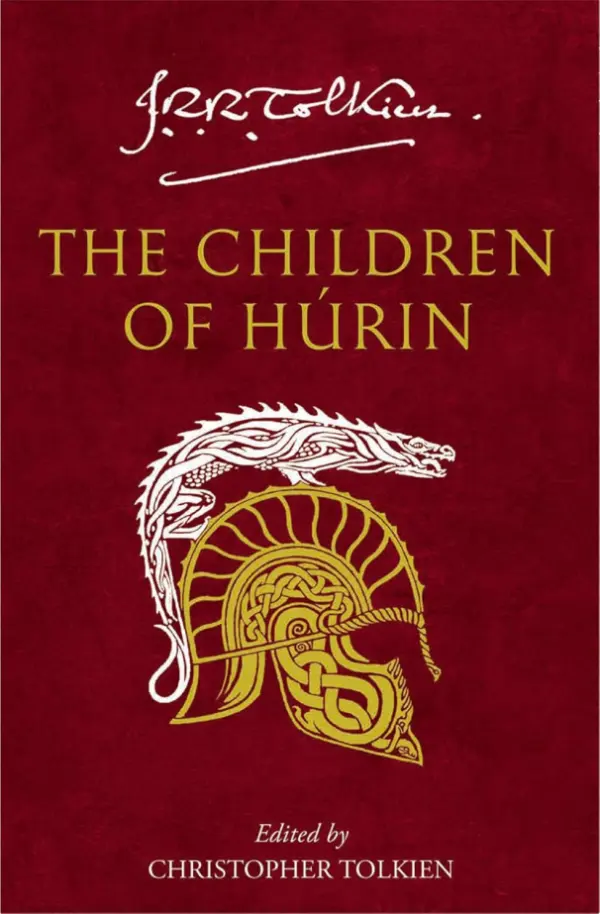
J. R. R. Tolkien
Average Goodreads rating4.6
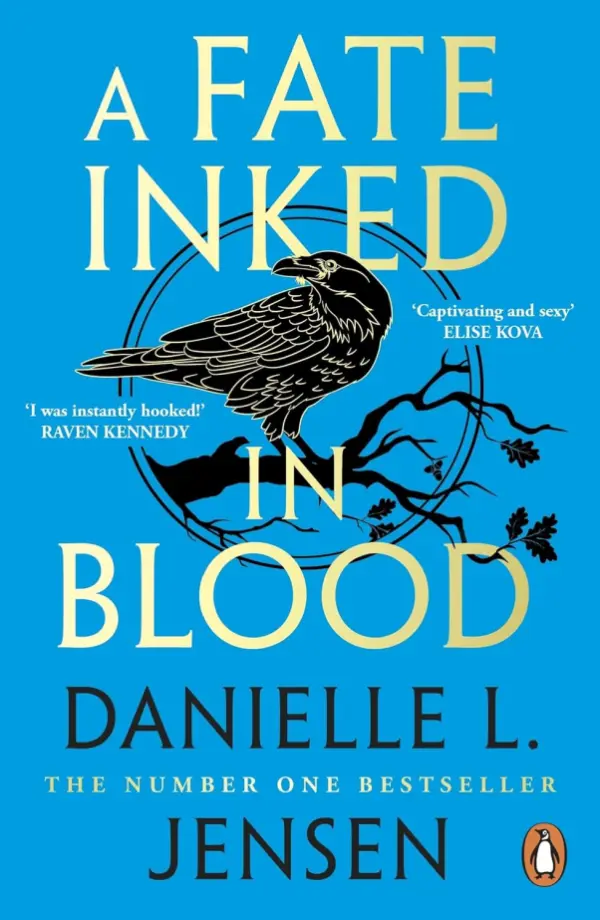
Danielle L. Jensen
Saga of the Unfated, book 1
Average Goodreads rating4.2
Matched via its series
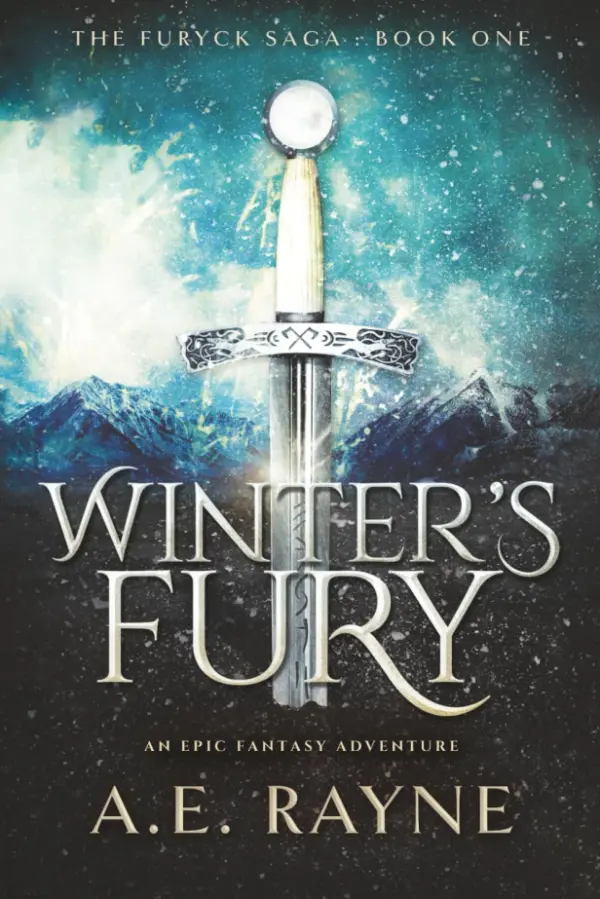
A. E. Rayne
The Furyck Saga, book 1
Average Goodreads rating4.2
Matched via its series
A. E. Rayne
The Lords of Alekka, book 1
Average Goodreads rating4.5
Matched via its series
A. E. Rayne
The Furyck Saga
Average Goodreads rating4.4
Matched via its series
A. E. Rayne
Fate of the Furycks, book 1
Average Goodreads rating4.6
Matched via its series
Danielle L. Jensen
Saga of the Unfated, book 2
Average Goodreads rating4.3
Matched via its series
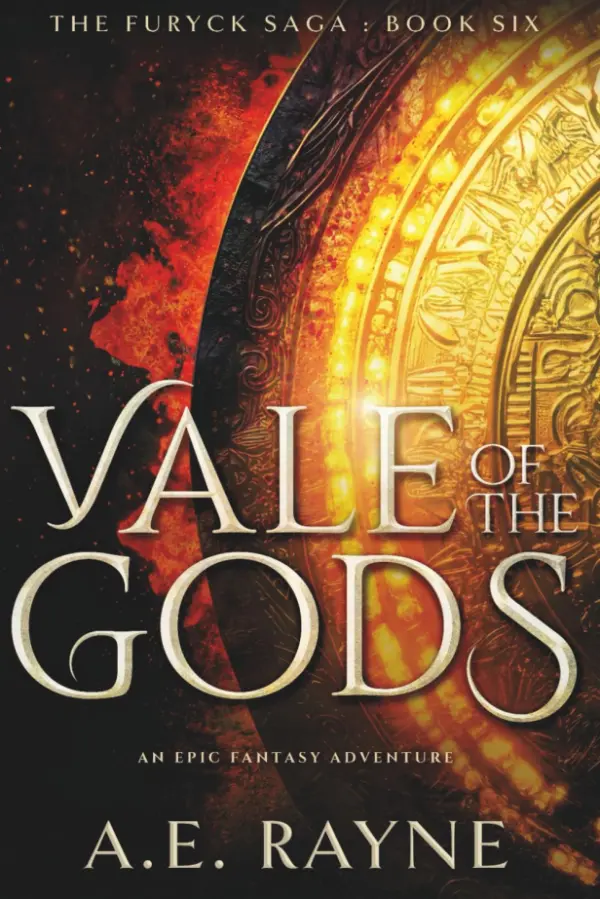
A. E. Rayne
The Furyck Saga, book 6
Average Goodreads rating4.6
Matched via its series
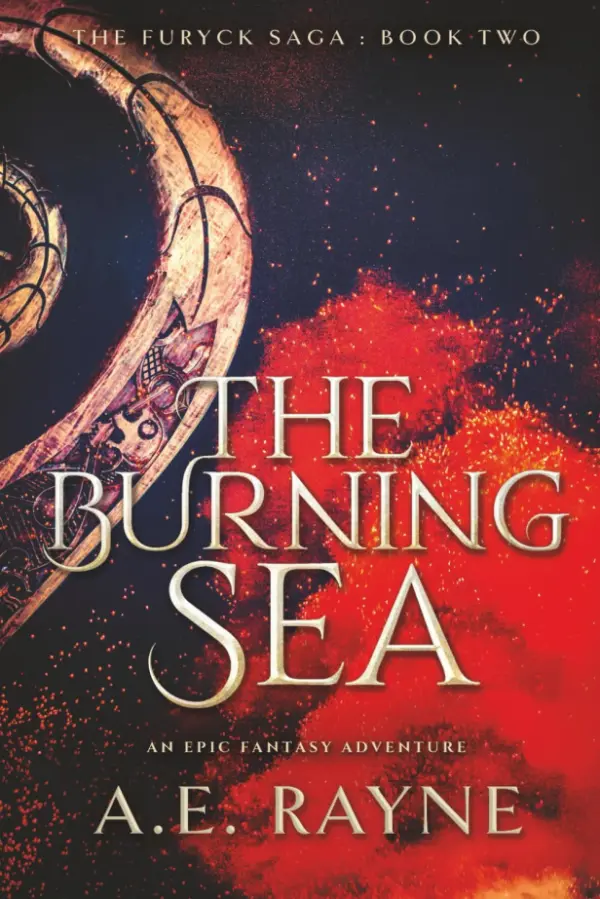
A. E. Rayne
The Furyck Saga, book 2
Average Goodreads rating4.4
Matched via its series
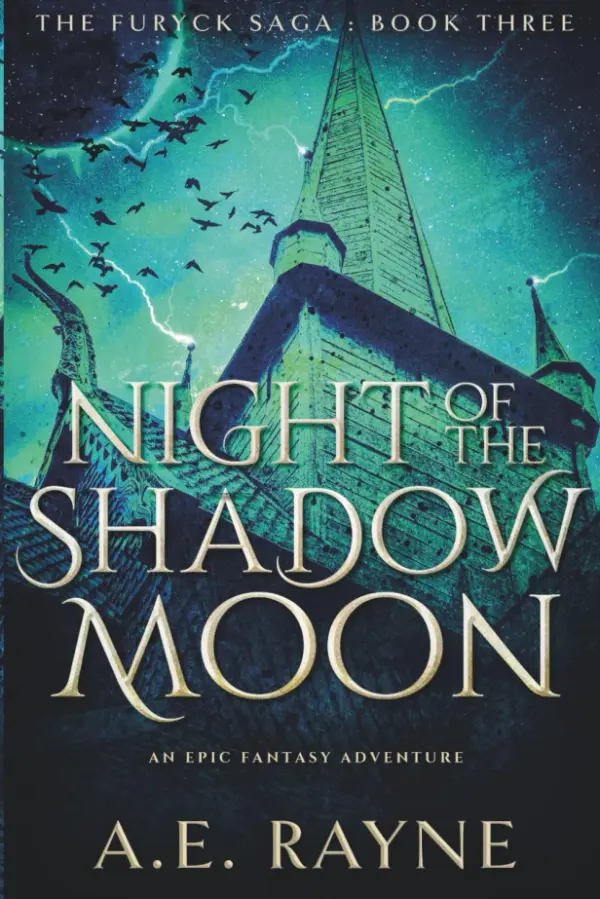
A. E. Rayne
The Furyck Saga, book 3
Average Goodreads rating4.5
Matched via its series
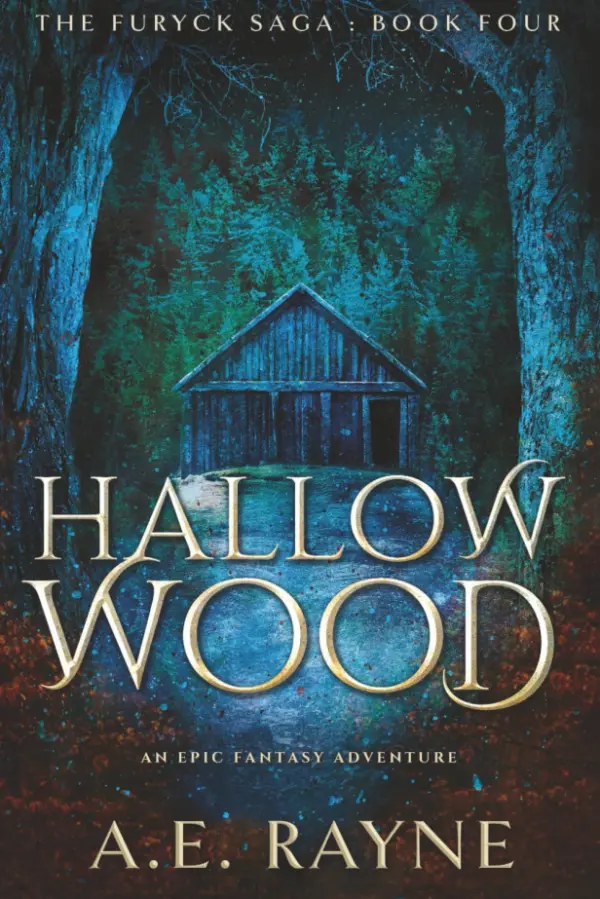
A. E. Rayne
The Furyck Saga, book 4
Average Goodreads rating4.5
Matched via its series
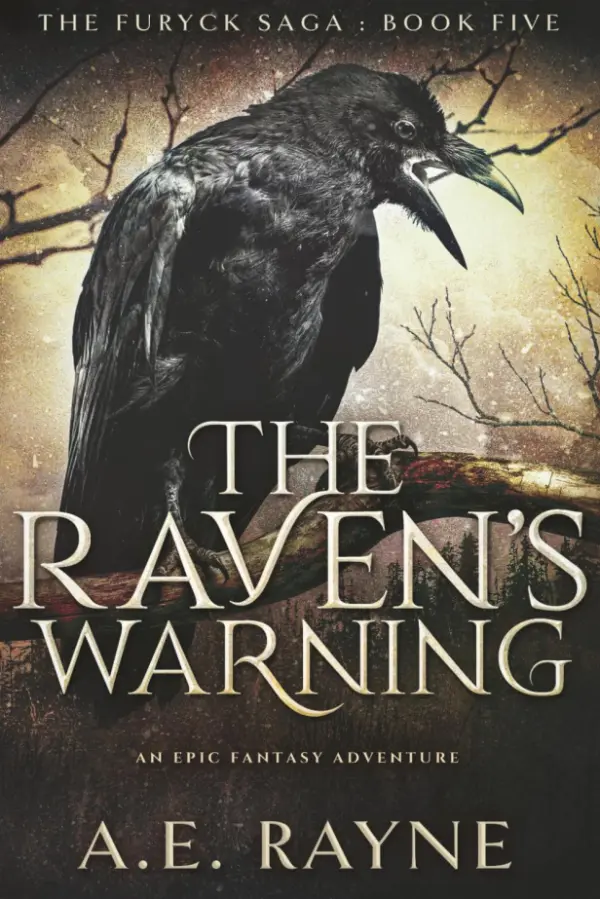
A. E. Rayne
The Furyck Saga, book 5
Average Goodreads rating4.6
Matched via its series
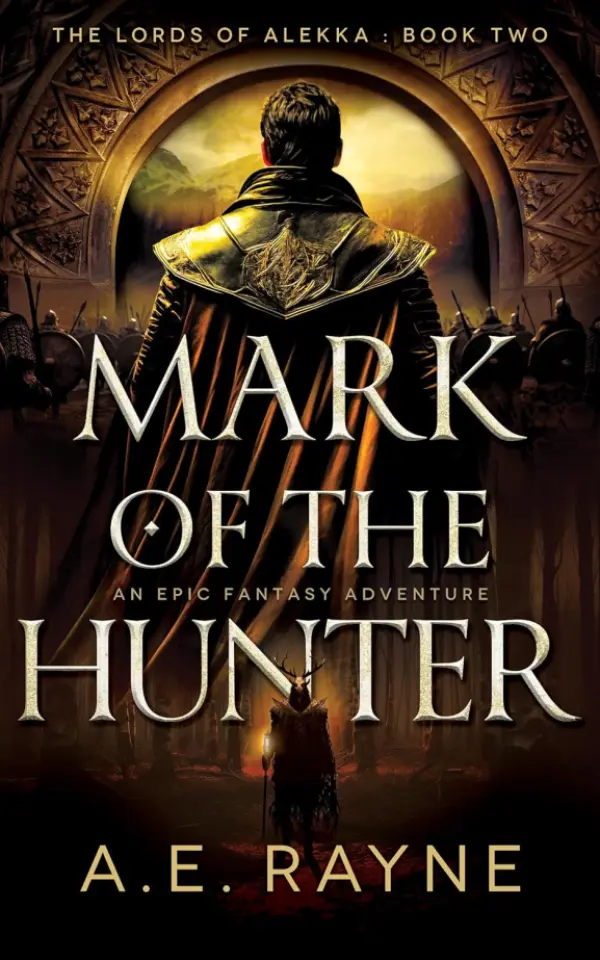
A. E. Rayne
The Lords of Alekka, book 2
Average Goodreads rating4.5
Matched via its series
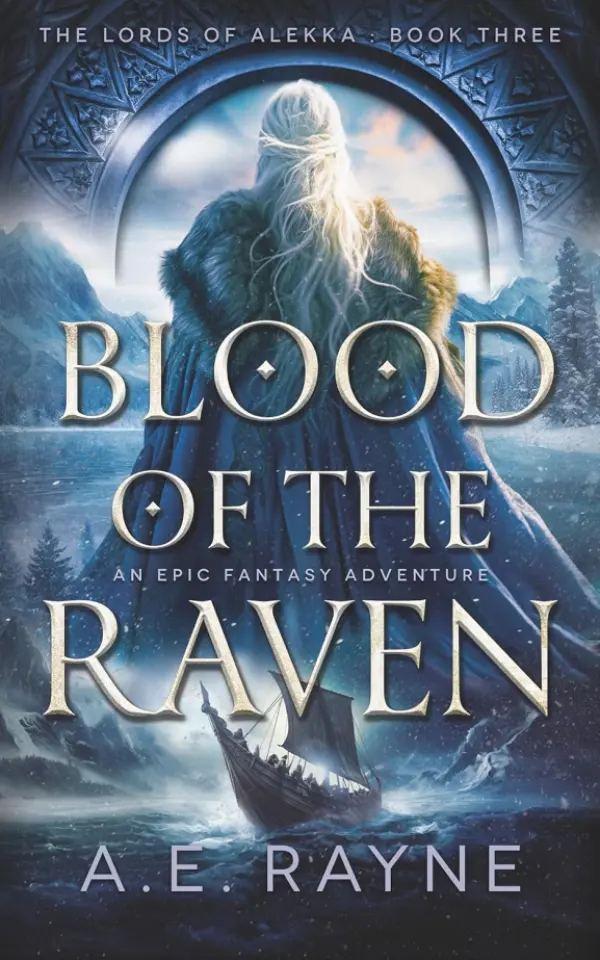
A. E. Rayne
The Lords of Alekka, book 3
Average Goodreads rating4.6
Matched via its series
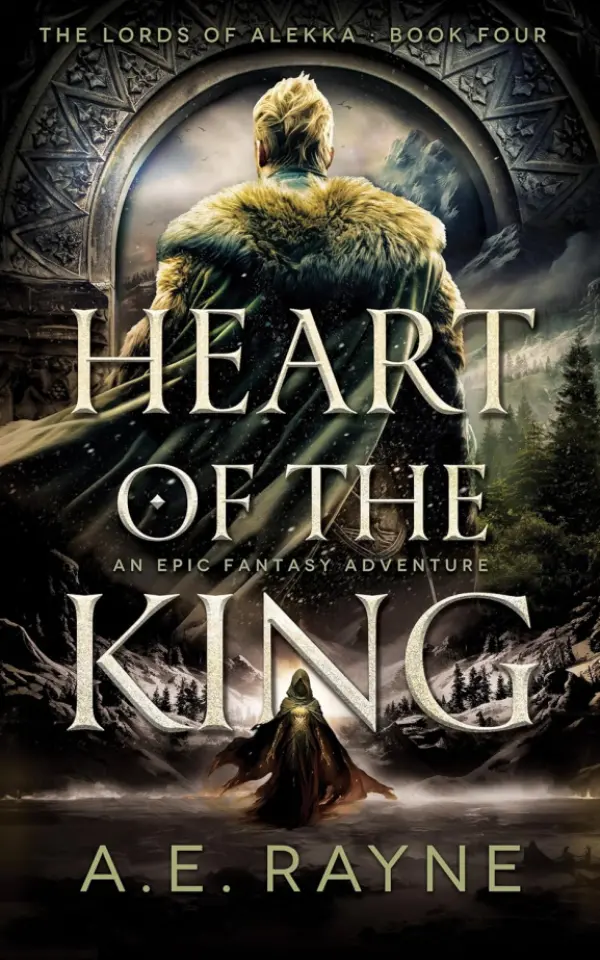
A. E. Rayne
The Lords of Alekka, book 4
Average Goodreads rating4.6
Matched via its series
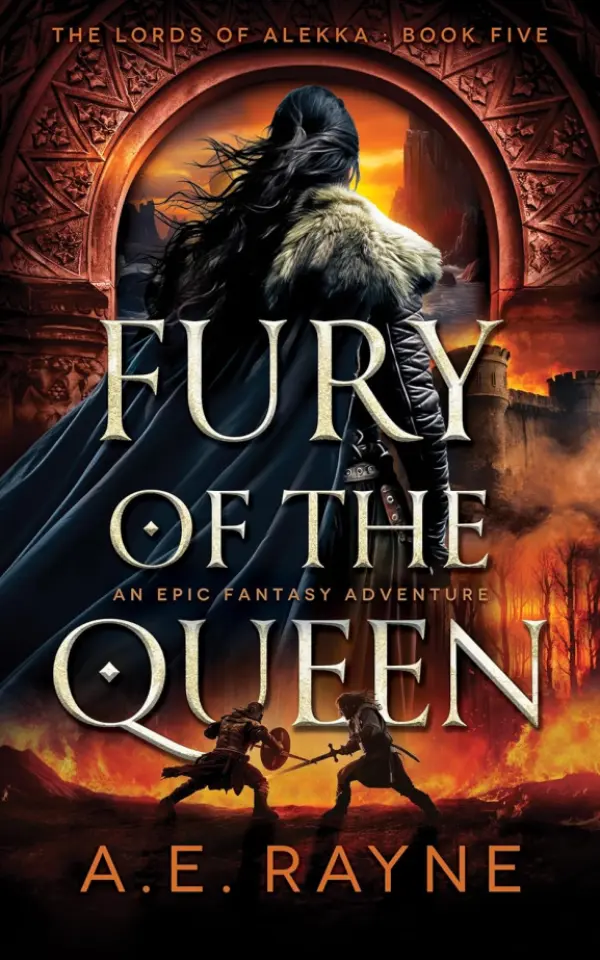
A. E. Rayne
The Lords of Alekka, book 5
Average Goodreads rating4.7
Matched via its series
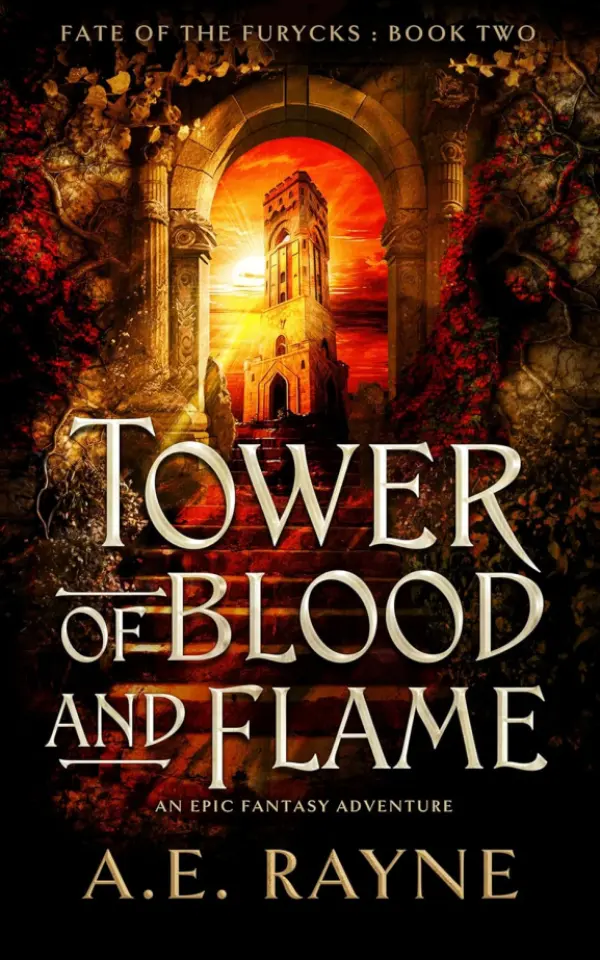
A. E. Rayne
Fate of the Furycks, book 2
Average Goodreads rating4.7
Matched via its series
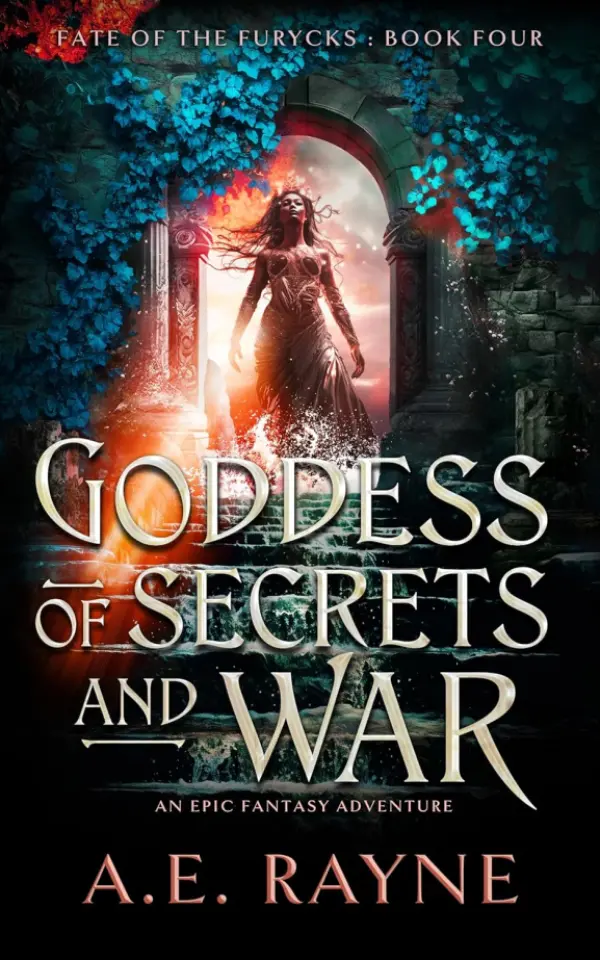
A. E. Rayne
Fate of the Furycks, book 4
Average Goodreads rating4.7
Matched via its series
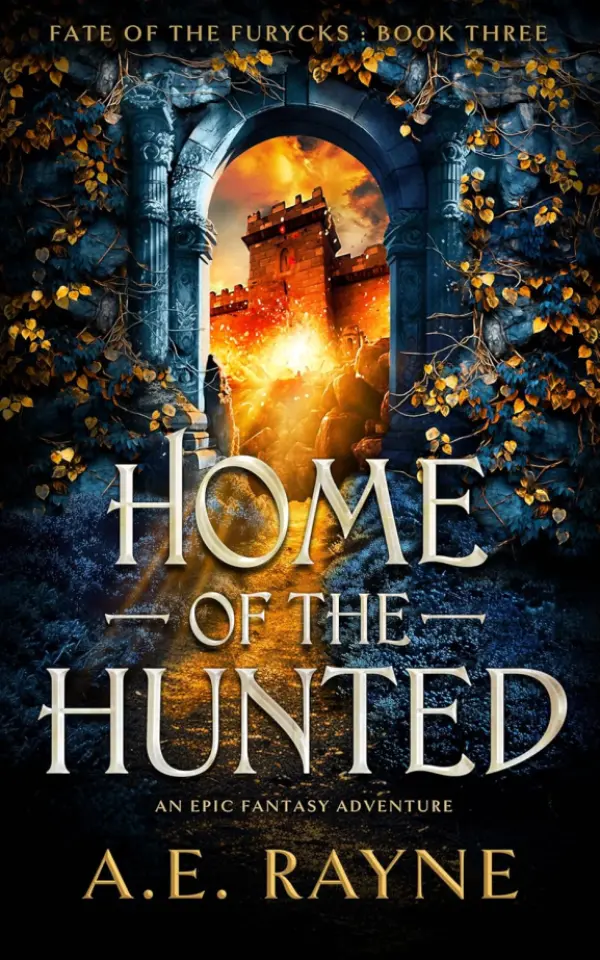
A. E. Rayne
Fate of the Furycks, book 3
Average Goodreads rating4.7
Matched via its series
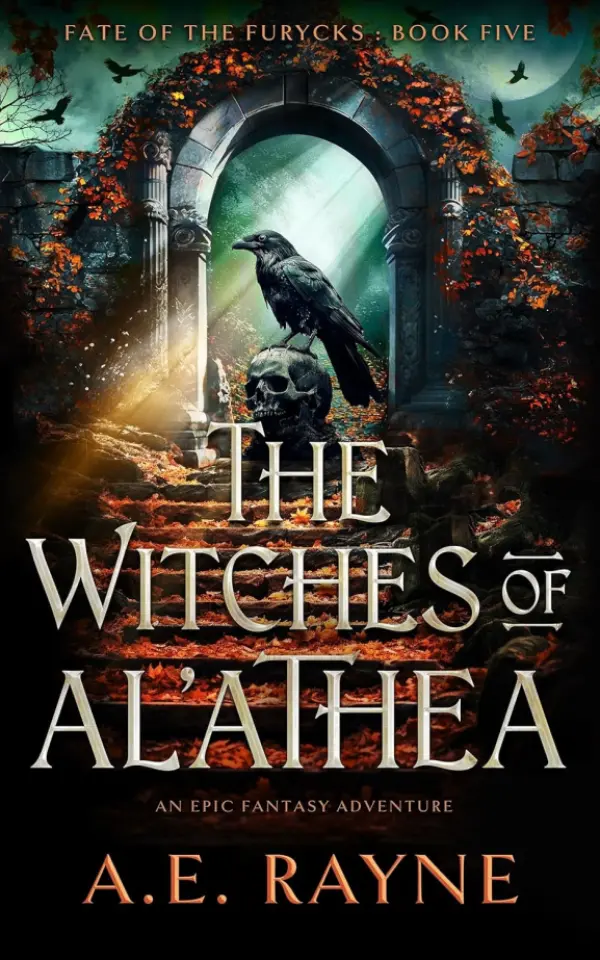
A. E. Rayne
Fate of the Furycks, book 5
Average Goodreads rating4.7
Matched via its series
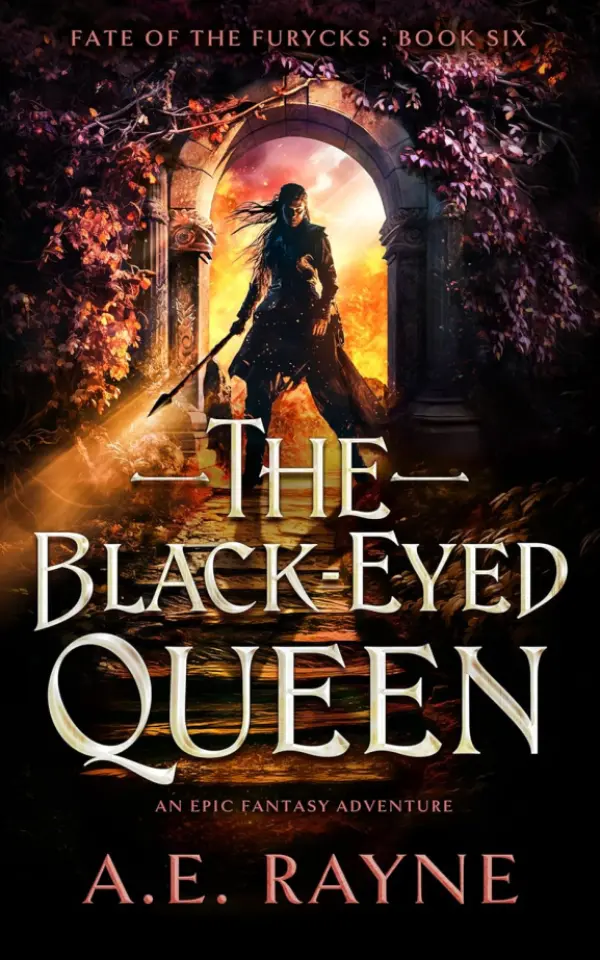
A. E. Rayne
Fate of the Furycks, book 6
Average Goodreads rating4.7
Matched via its series
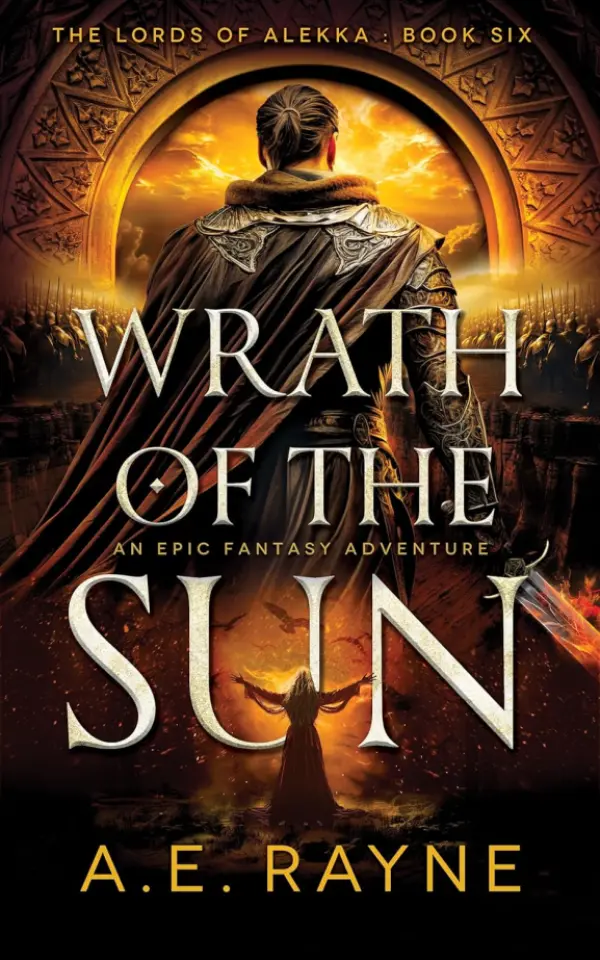
A. E. Rayne
The Lords of Alekka, book 6
Matched via its series
Tropes that share the most books with Norse-inspired fantasy
There is a particular atmosphere that settles over certain fantasy worlds like frost on iron - a combination of brutal landscape, warrior culture, fate-haunted storytelling, and something ancient in the bones of the world that refuses to be named. Norse-inspired fantasy draws on the mythology, history, and cultural traditions of the Norse and Viking peoples to create secondary worlds that feel rooted in that same cold, uncompromising soil, even when they never borrow a single god by name.
The influence runs deeper than pantheons. It lives in the shape of the world itself: coastlines carved by glaciers, seas that kill without warning, settlements where survival through a winter is its own kind of victory. It lives in the social fabric - warrior brotherhoods bound by loyalty and oath, communities where a person's reputation is their most valuable possession, leadership earned through deeds rather than simply inherited. It lives in the names: the hard consonants and deep vowels of Scandinavian languages that give characters and places an immediate sense of weight and age.
What distinguishes this trope from generic epic fantasy is its relationship with fate. Norse storytelling traditions are deeply concerned with destiny - not as something to be cleverly escaped, but as something to be met with open eyes and a sword in hand. Characters in Norse-inspired fantasy often know that hardship is coming. They act anyway. There is a particular brand of courage in these stories that isn't about hope of victory but about choosing not to flinch. That emotional core - defiance in the face of the inevitable - gives Norse-inspired fantasy much of its distinctive power.
The warrior culture at the centre of these worlds tends to be morally textured rather than simply heroic. Honour matters enormously, but so does pragmatism. Violence is a tool as well as a virtue, and the best characters understand the difference between the two. Clan loyalties, blood feuds, and shifting alliances create political landscapes that feel genuinely dangerous, where trust is hard-won and betrayal carries lasting consequences. These aren't worlds where good triumphs easily. They're worlds where good people make difficult choices under impossible pressure, and live - or don't - with the results.
Storytelling and memory are woven into the fabric of Norse-inspired worlds. The tradition of the saga - of stories as a way of preserving identity, honouring the dead, and making sense of suffering - often echoes through the narrative structure of books in this space. Bards, skalds, and oral historians carry real social weight. The past is never truly past; it shapes the present through remembered glory, old grievances, and the expectations placed on those born into a particular lineage.
Common story elements include band-of-brothers dynamics built around loyalty tested to breaking point, coming-of-age stories set against the backdrop of war and survival, leaders who must earn and maintain the respect of those they lead, journeys through unforgiving wilderness, battles with genuine cost, and a pervading sense that the world is older and harder than any individual life within it.
The appeal of Norse-inspired fantasy is ultimately the appeal of stories that take human endurance seriously. These are worlds that don't soften their edges, don't promise easy salvation, and don't let characters off the hook. But within that severity, there is deep loyalty, fierce community, and the kind of bonds forged only when people face genuine danger together. In Norse-inspired fantasy, the cold makes warmth matter more - and the darkness makes loyalty shine all the brighter.
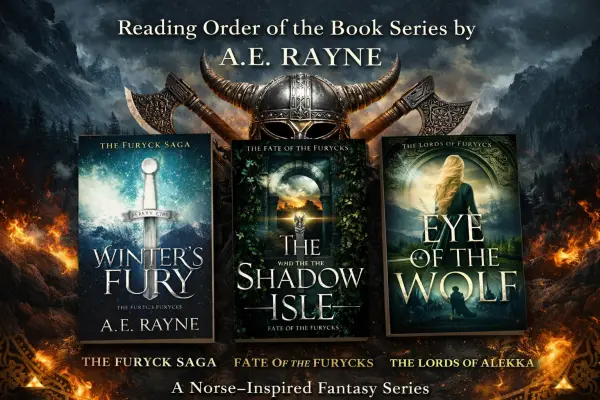
New to A. E. Rayne? This complete reading order guide covers The Furyck Saga, The Lords of Alekka, and Fate of the Furycks - three interconnected epic fantasy series set in the same world, full of warring kingdoms, dark magic, and unforgettable characters.
Occasional emails with new recommendations, series news and trope round-ups.