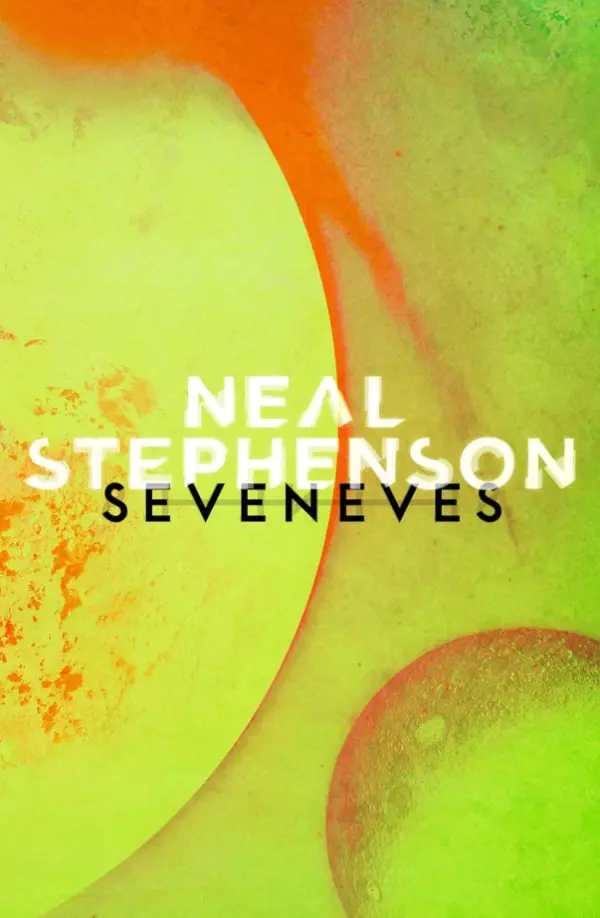
Seveneves
Neal Stephenson
Average Goodreads rating4.2
- Time Travel
- Genetic Engineering

We independently select and recommend books. Purchases made through our links may earn us a commission, at no extra cost to you. Prices and availability are set by each retailer.
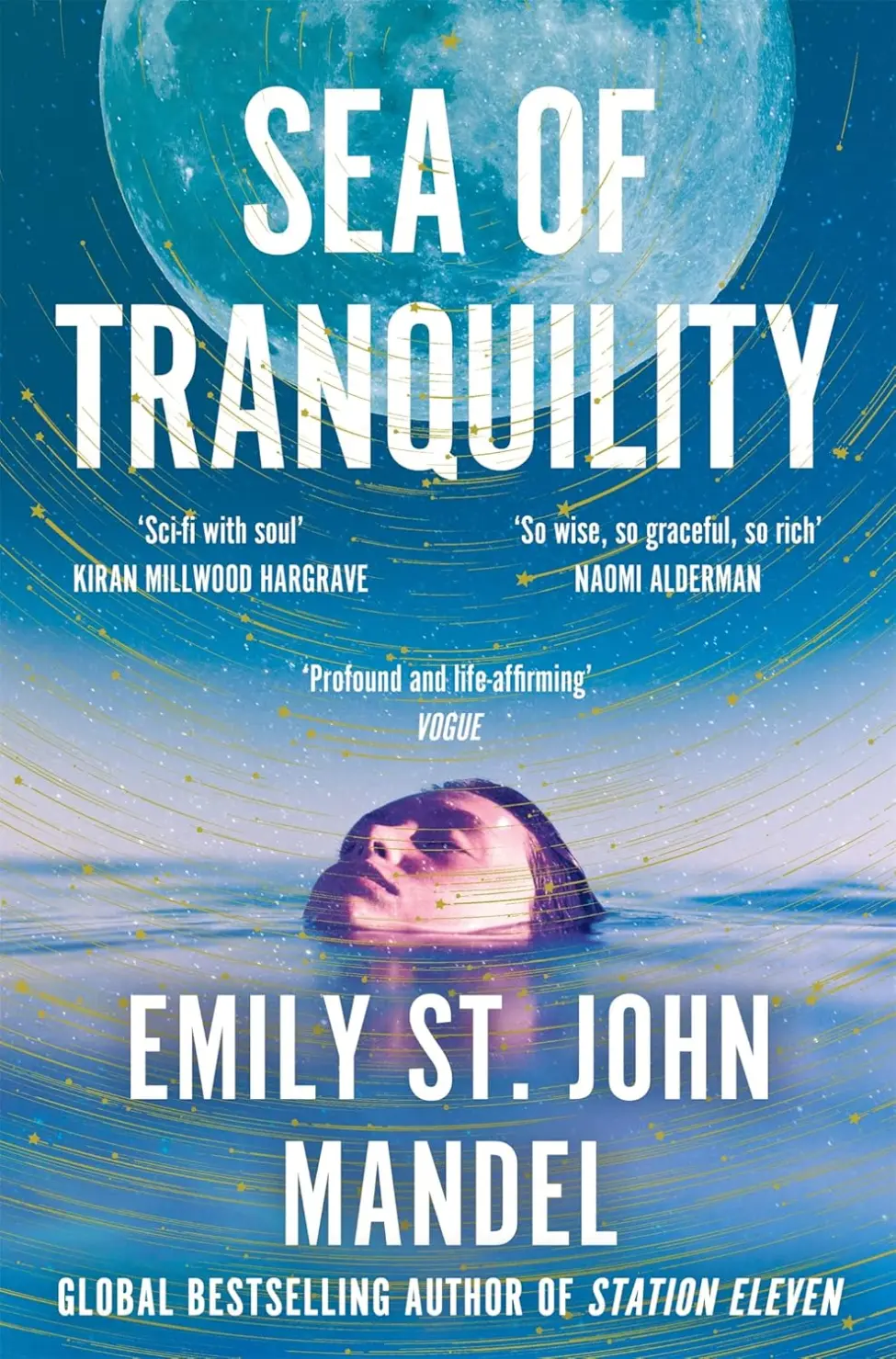
Sea of Tranquility by Emily St. John Mandel blends time travel and literary fiction, exploring pandemics, art, and human connection across centuries.
Sea of Tranquility by Emily St. John Mandel is a luminous work of literary Science Fiction that weaves time travel, pandemics, and art into a meditation on human connection across centuries. Expanding the loosely shared universe of Station Eleven and The Glass Hotel, the novel links disparate lives through a mysterious temporal anomaly, suggesting that history is less linear than it appears - and more intimately connected.
The narrative spans multiple time periods, beginning in 1912 with a British expatriate traveling through Canada, then leaping forward to a celebrated writer on a book tour during a pandemic, and later to a lunar colony centuries in the future. These seemingly separate stories are united by a strange experience: a brief moment where time fractures, revealing music and light out of place. Mandel uses this recurring anomaly to explore time as a connective force, binding individuals who never meet yet profoundly affect one another.
At the novel’s center is a detective-like figure tasked with investigating these temporal disruptions. Rather than framing time travel as spectacle, Mandel treats it as intimate and destabilizing - less about changing the past and more about understanding it. The focus remains on emotional resonance rather than mechanics, reinforcing the novel’s literary sensibility.
Recurring themes from Mandel’s earlier work reappear here: art as survival, memory and meaning, and the aftermath of catastrophe. Pandemics are depicted not through chaos, but through their quiet, lingering effects - empty spaces, altered routines, and the reshaping of lives. Mandel is interested in what people carry forward after disruption, whether that disruption is global or deeply personal.
The novel also reflects on fiction itself. Characters question whether reality might be a simulation, whether stories repeat across time, and whether art is a way of resisting erasure. These meta-textual elements invite readers to consider how narratives - historical, personal, and fictional—shape identity.
Mandel’s prose remains restrained, precise, and deeply atmospheric. Small details - a violin echoing through air, a moonlit landscape, a hotel corridor—carry emotional weight. Her nonlinear structure is elegant rather than disorienting, allowing readers to move fluidly across centuries while maintaining clarity and cohesion.
Unlike traditional time travel stories driven by paradox and urgency, Sea of Tranquility is contemplative. It suggests that meaning lies not in altering outcomes, but in recognizing patterns of care, creativity, and endurance. The future Mandel imagines is neither utopian nor dystopian; it is recognizably human, shaped by the same longings and losses as the past.
Sea of Tranquility is ideal for readers who enjoy Science Fiction that blends speculative ideas with literary depth. Quiet, thoughtful, and emotionally rich, the novel affirms Mandel’s signature belief: that even across time, art and empathy remain humanity’s most enduring constants.
Neal Stephenson
Average Goodreads rating4.2

Orson Scott Card
Ender Quintet, book 1
Average Goodreads rating4.5
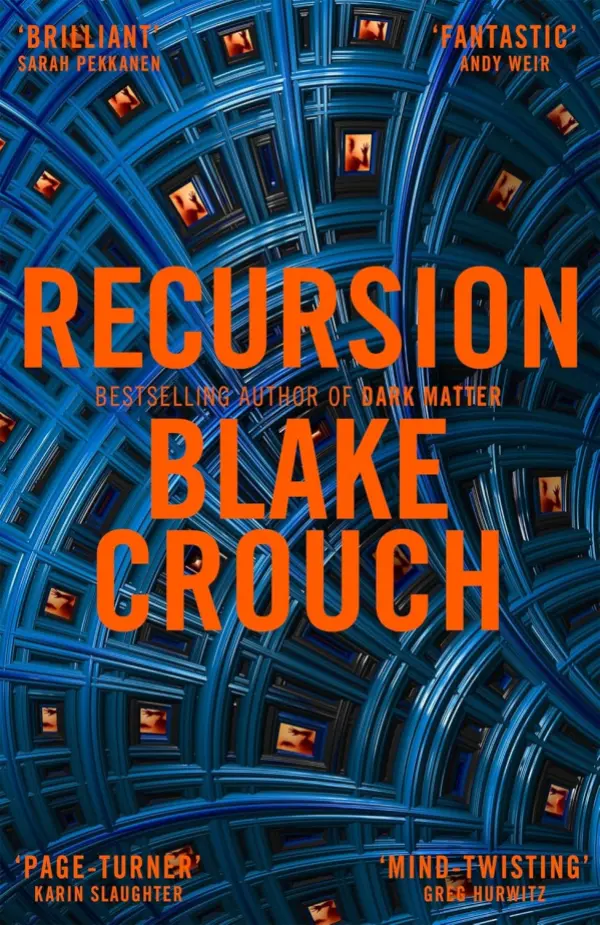
Blake Crouch
Average Goodreads rating4.4

Christopher Ruocchio
The Sun Eater, book 1
Average Goodreads rating4.3

Adrian Tchaikovsky
Children of Time, book 1
Average Goodreads rating4.5

Octavia E. Butler
Parable, book 1
Average Goodreads rating4.4
Still Looking?
Further down our similarity list, but still sharing tropes and genres with this book.

Megan O'Keefe
The Scorched Continent, book 1
Average Goodreads rating4.1
Buy from Amazon (opens Amazon in a new tab)
Neal Shusterman
Arc of a Scythe, book 1
Average Goodreads rating4.5
Buy from Amazon (opens Amazon in a new tab)
Pierce Brown
Red Rising, book 1
Average Goodreads rating4.5
Buy from Amazon (opens Amazon in a new tab)Emily St. John Mandel is an acclaimed author of literary speculative fiction, known for elegant, interconnected novels exploring art, memory, and survival.
Books, series and tropes by Emily St. John MandelSea of Tranquility
Buy from Amazon (opens Amazon in a new tab)Occasional emails with new recommendations, series news and trope round-ups.