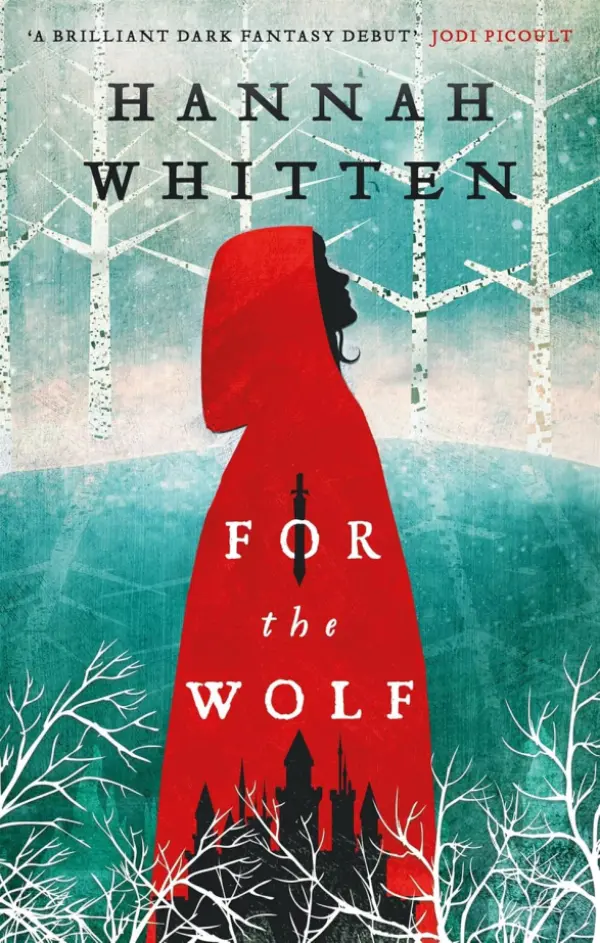
Book 1
For the Wolf
Average Goodreads rating3.9


Photo: hannahfwhitten.com
Author · American
Hannah Whitten is a New York Times bestselling American author of dark romantic fantasy, known for the Wilderwood duology and the Nightshade Crown trilogy. Her atmospheric prose and folklore-rooted worlds make her a standout voice in romantasy.
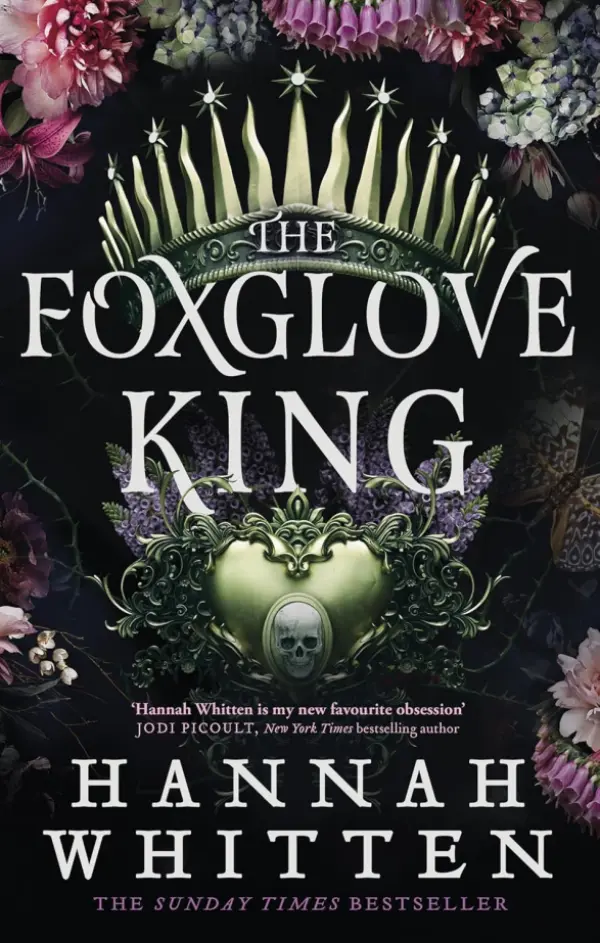
New to Hannah Whitten? A popular place to start
Book 1 of The Nightshade Crown
The Foxglove King by Hannah Whitten is a lush dark fantasy opening to the Nightshade Crown trilogy, following a fugitive death-witch forced to spy inside a corrupt, glamorous royal court where gods, poison, and forbidden desire reign.
Picked from Hannah Whitten’s most widely rated books on Goodreads, starting at the beginning of its series.
Retailer links may earn Trope Trove a commission, at no extra cost to you.
2 books in reading order
Book 1
Average Goodreads rating3.9
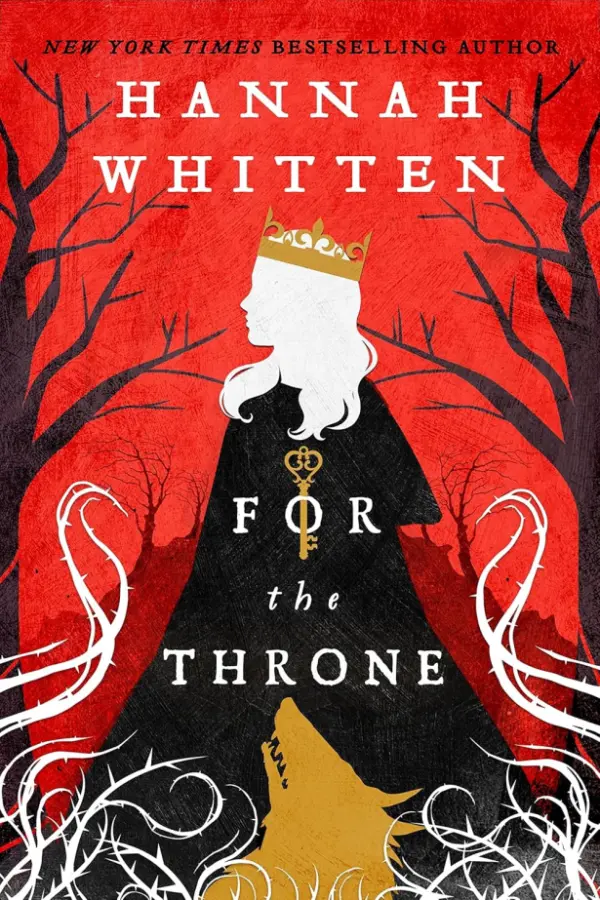
Book 2
Average Goodreads rating4.2
3 books in reading order
Book 1
Average Goodreads rating3.8
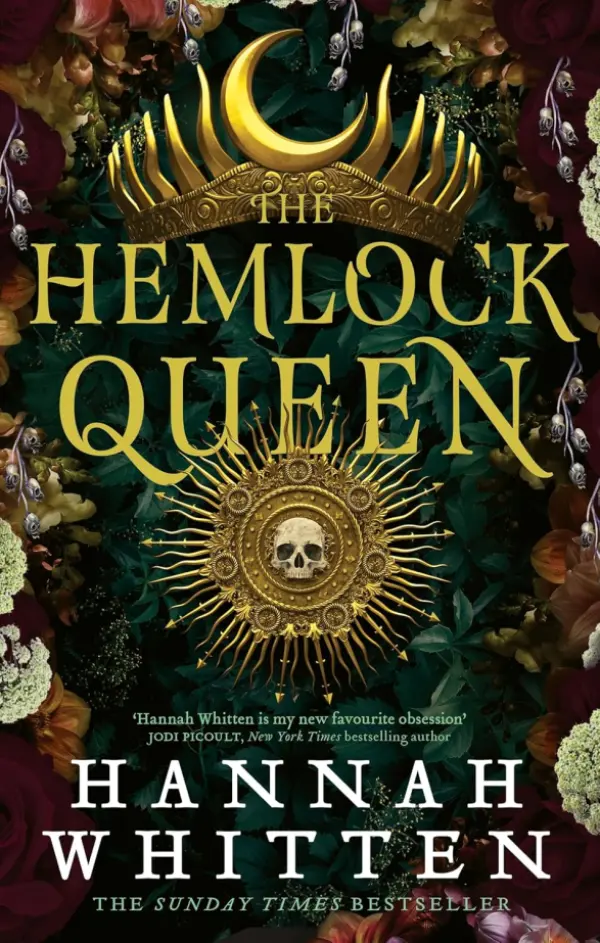
Book 2
Average Goodreads rating3.8
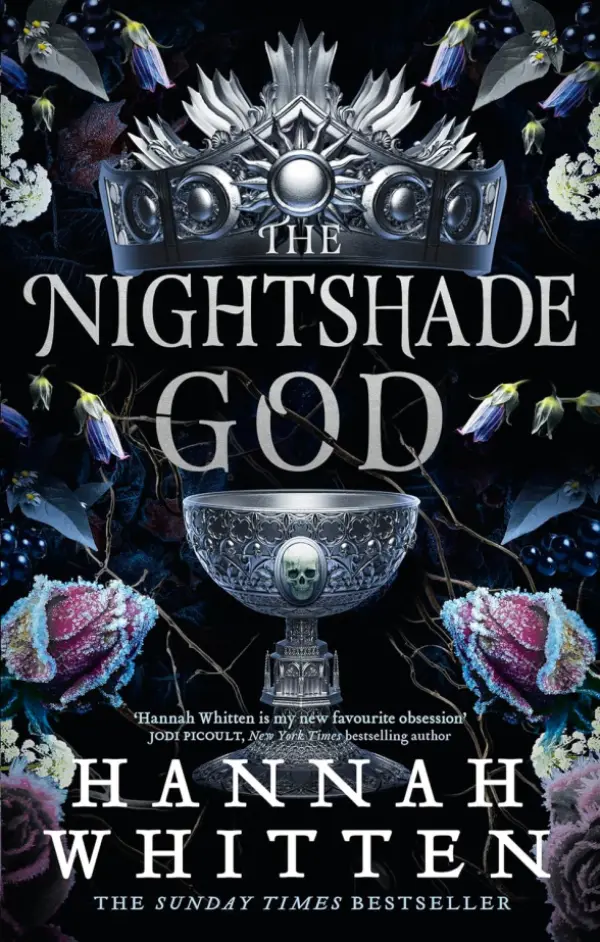
Book 3
Average Goodreads rating3.8
Hannah Whitten has been building worlds since she was old enough to hold a pen, writing to amuse herself long before she realised her imagination might resonate with others. That shift in perspective - from private pleasure to published author - arrived in high school and never let go. Today, she is a New York Times, Indie, and USA Today bestselling author whose two fantasy series have established her as one of the most distinctive voices in the romantasy genre. She lives in Tennessee with her husband, children, and a famously uncooperative cat, and when she is not writing, she is reading, making music, or attempting to bake with varying degrees of success.
Whitten made her debut in 2021 with For the Wolf, the opening novel of The Wilderwood duology. Drawing on fairy tale archetypes - most notably Beauty and the Beast and Little Red Riding Hood - the book follows Red, a second daughter whose society has long believed it is her destiny to be sacrificed to the terrifying Wolf of the Wilderwood, so that the world's captured gods might be returned. What Red finds when she enters those dark, half-sentient woods is nothing like legend promises. The Wolf is a man, not a monster; the magic stirring inside her is a gift, not a curse; and the danger threatening their world is far more ancient and strange than anyone suspected. For the Wolf became an instant New York Times bestseller, praised for its lyrical, near-mythic prose and its refreshingly grounded portrayal of a brooding male lead - all the gothic atmosphere, none of the toxic posturing. Whitten's gift for slow-burn romance, where emotional intimacy develops against a backdrop of genuine threat and dark magic, was evident from her very first novel.
The second book in the duology, For the Throne (2022), shifts its central focus to Red's sister Neve, unfolding a parallel story that expands the mythology of the Wilderwood and the fragile, dangerous nature of the gods. The two novels together form a complete and deeply atmospheric fantasy, with a magic system that Whitten has spoken of as one of the hardest elements to perfect - ultimately producing something thematically resonant as well as visually striking.
In 2023, Whitten launched her second series with The Foxglove King, the first book in The Nightshade Crown trilogy. The world here is markedly different in texture - richer, more ornate, more overtly gothic - but the hallmarks of Whitten's voice are immediately recognisable: a protagonist defined by forbidden power, a court full of secrets, a magic system rooted in death, and romantic tension pulled so taut it practically hums. The Nightshade Crown follows Lore, a young woman who has spent a decade hiding the fact that she can channel Mortem, the magic drawn from death itself. When her power is exposed, she is dragged into the glittering and treacherous court of the Sainted King and tasked with investigating something far darker than court politics. The trilogy continued with The Hemlock Queen (2024) and concluded with The Nightshade God (2025), completing Lore's story across a trilogy that cemented Whitten's reputation for layered characters, complex love triangles, and a willingness to interrogate power, organised religion, and the cost of forbidden ability.
Across both series, certain preoccupations recur: women who carry power they have been told to fear or conceal; monsters who are not monstrous; gods who are not what their worshippers believe; and romances that build slowly, through trust earned in dark places rather than declarations made in the light. Whitten's prose is frequently described as lyrical and heavily atmospheric - the kind of writing that makes a reader feel the cold of the Wilderwood or the candlelit excess of a royal court, sometimes to the point where the immersive quality outpaces the plot itself. That is a trade-off her most devoted readers seem entirely willing to accept.
She draws on a lifelong love of horror and folk tale, on the eerie landscapes of her surroundings, and on an instinct for romantic tension that has produced love triangles even her most romance-sceptical readers report enjoying. What distinguishes Whitten from many of her contemporaries is the consistency of her thematic concerns - her worlds always ask what it means to be shaped by a destiny you did not choose, and what you become when you finally decide to choose for yourself.
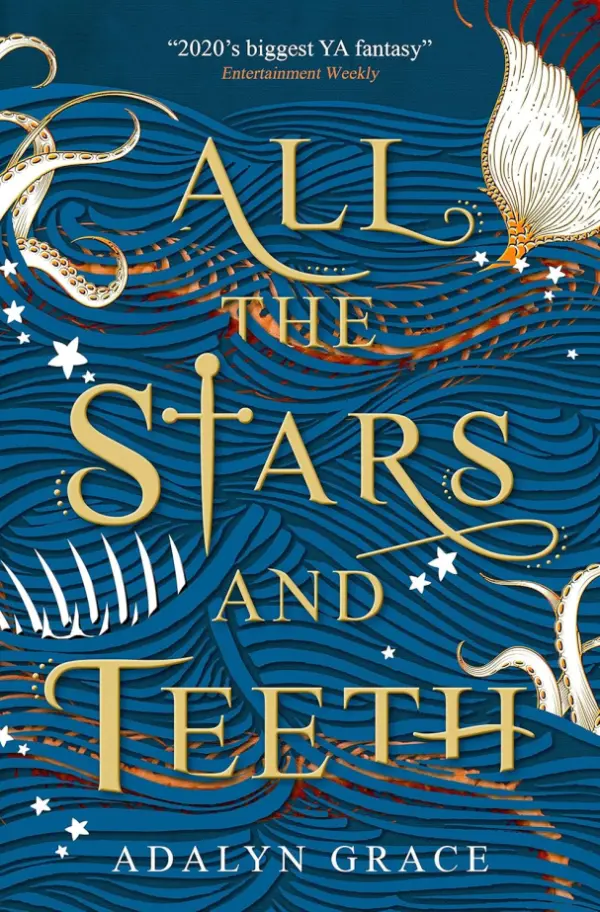
Adalyn Grace
All the Stars and Teeth, book 1
Average Goodreads rating4.0
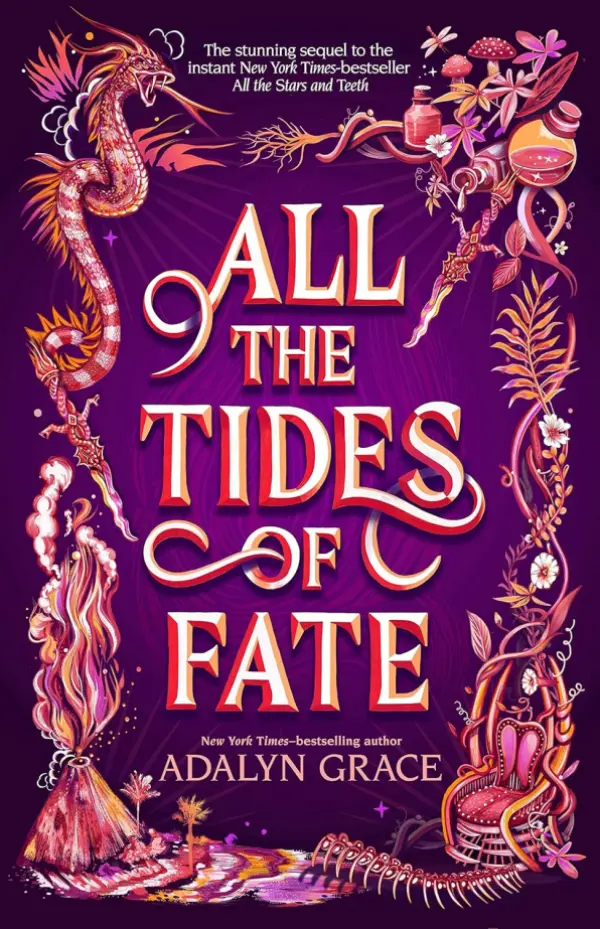
Adalyn Grace
All the Stars and Teeth, book 2
Average Goodreads rating3.9
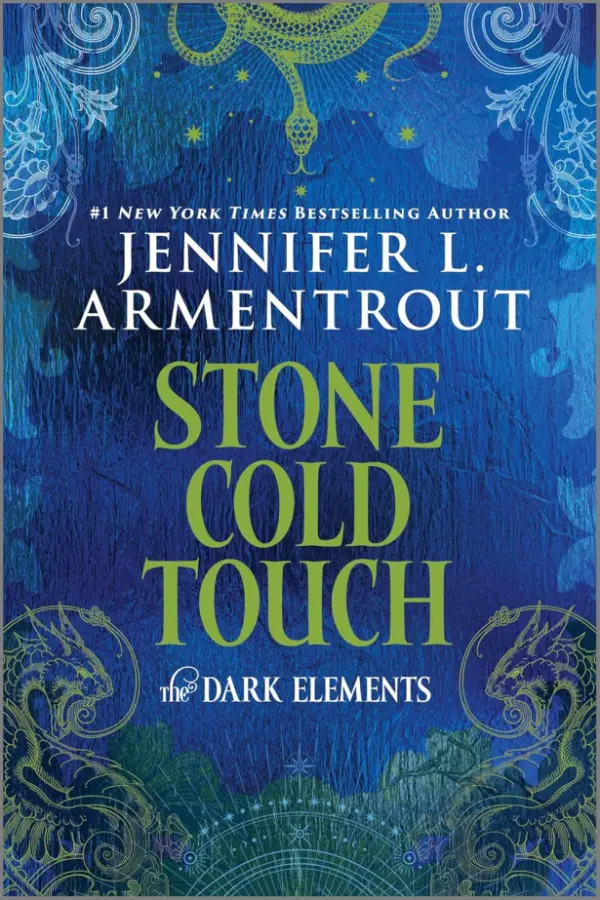
Jennifer L. Armentrout
The Dark Elements, book 2
Average Goodreads rating4.2
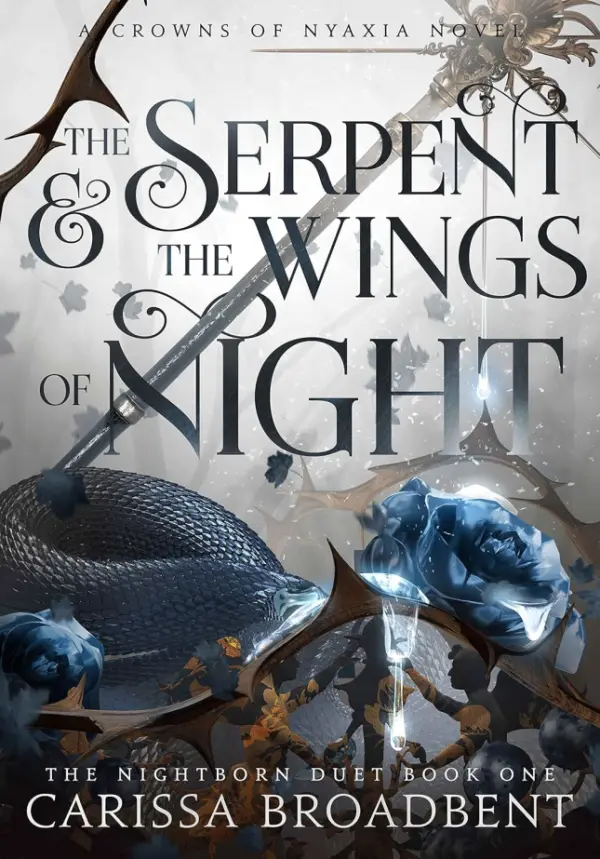
Carissa Broadbent
Crowns of Nyaxia, book 1
Average Goodreads rating4.5
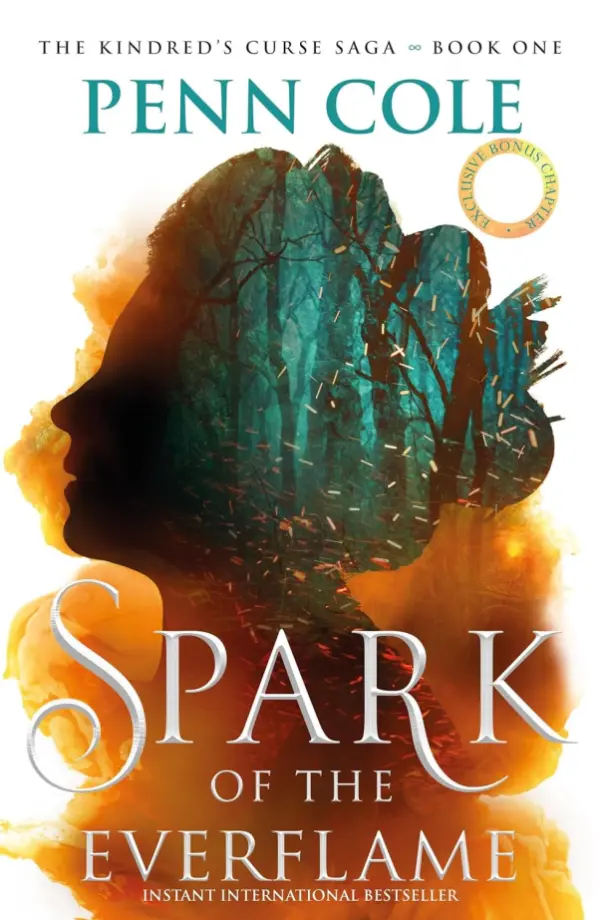
Penn Cole
The Kindred's Curse Saga, book 1
Average Goodreads rating4.4
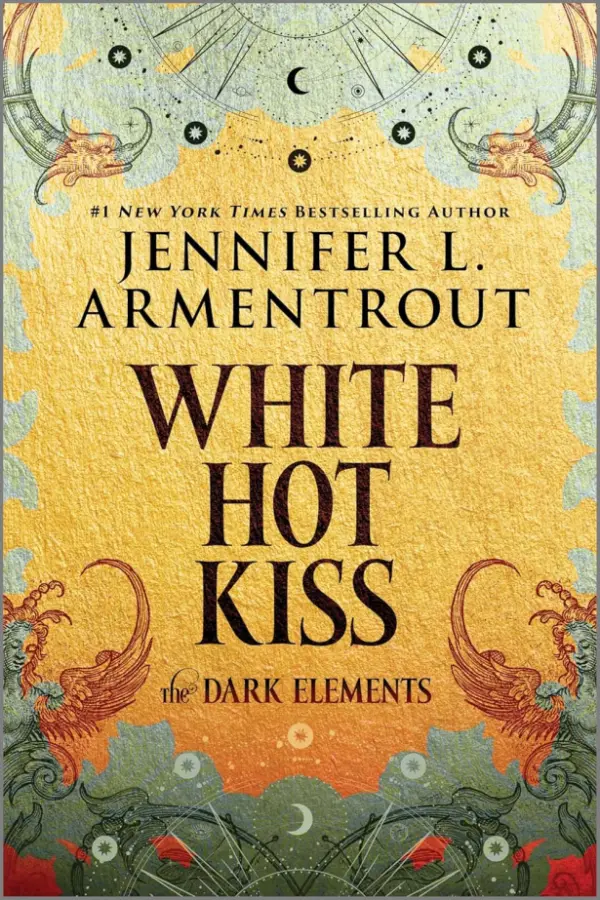
Jennifer L. Armentrout
The Dark Elements, book 1
Average Goodreads rating4.1
Occasional emails with new recommendations, series news and trope round-ups.