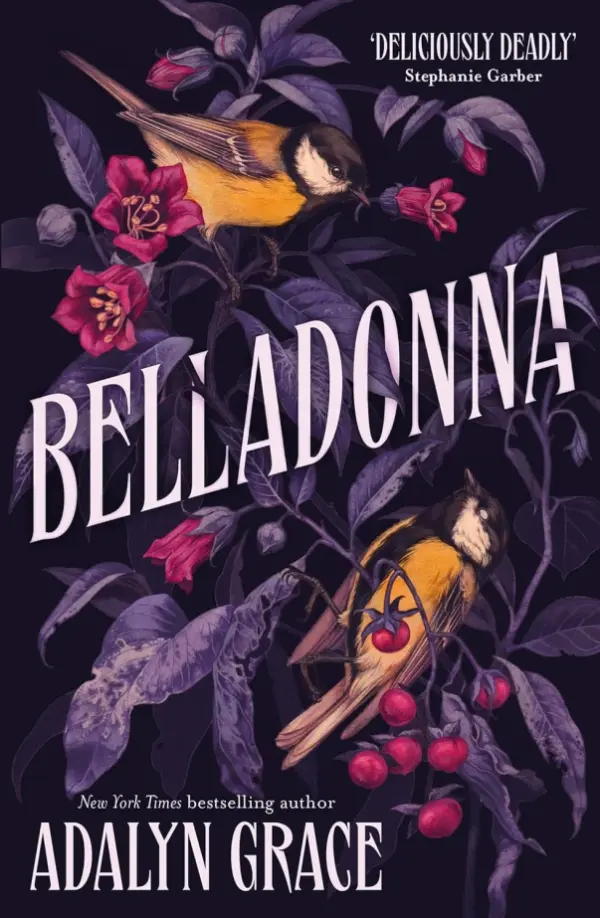
Belladonna
Adalyn Grace
Belladonna, book 1
Average Goodreads rating4.0
Matched via its series

Book trope · 14 books
Necromancy is the magic of death — the ability to raise, communicate with, or command the dead. In fantasy fiction, a necromancer might summon skeletal armies, speak to lingering spirits, bind souls to rotting corpses, or simply sense the faint echo of a life that has ended.
More about the Necromancy trope0 are tagged with Necromancy individually. The others belong to a series tagged with it, which doesn’t mean every book in it features the trope, so they’re marked “Matched via its series”.
Updating books…
14 books found
Adalyn Grace
Belladonna, book 1
Average Goodreads rating4.0
Matched via its series
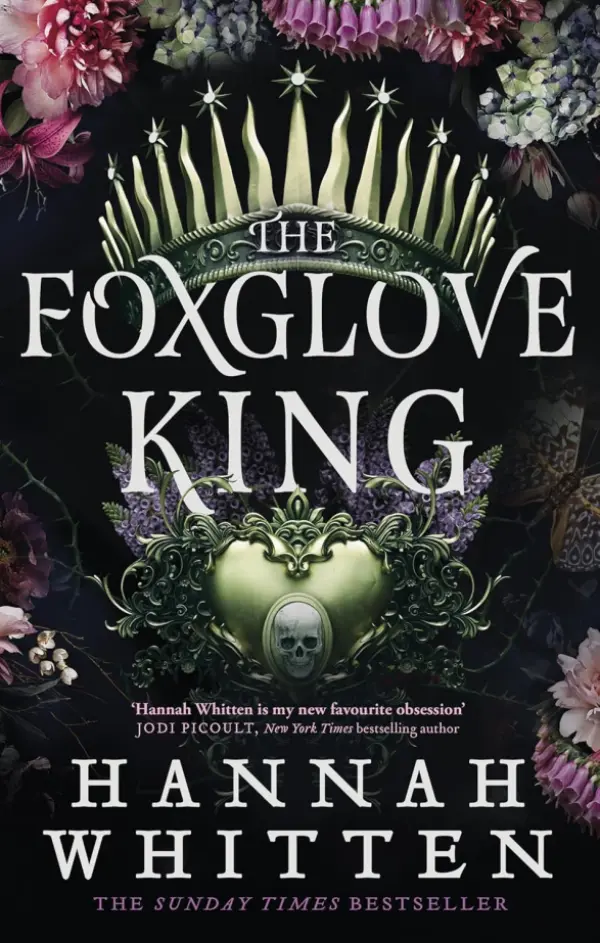
Hannah Whitten
The Nightshade Crown, book 1
Average Goodreads rating3.8
Matched via its series
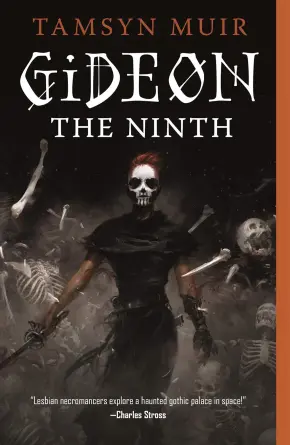
Tamsyn Muir
The Locked Tomb Series, book 1
Average Goodreads rating4.5
Matched via its series
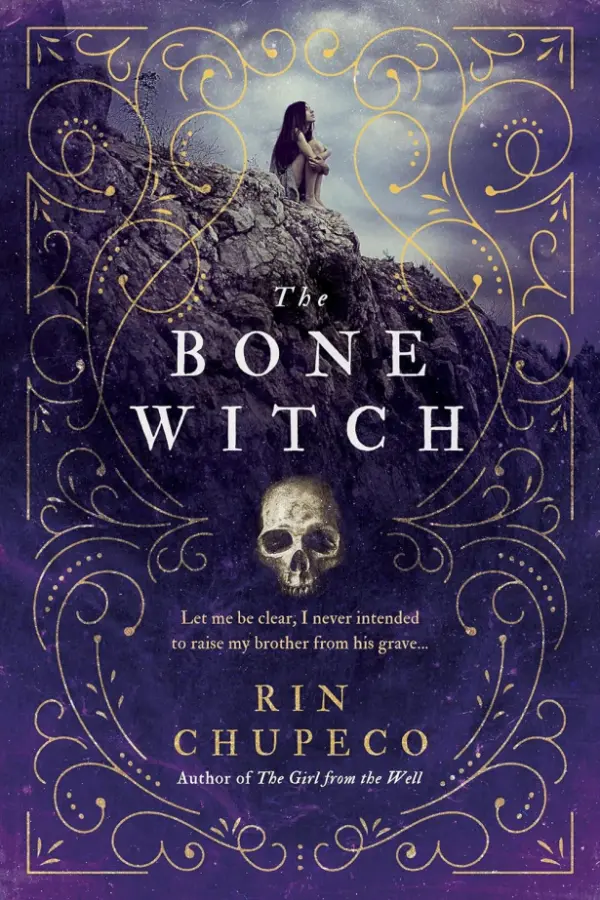
Rin Chupeco
The Bone Witch, book 1
Average Goodreads rating4.3
Matched via its series

Leigh Bardugo
Alex Stern, book 1
Average Goodreads rating4.3
Matched via its series
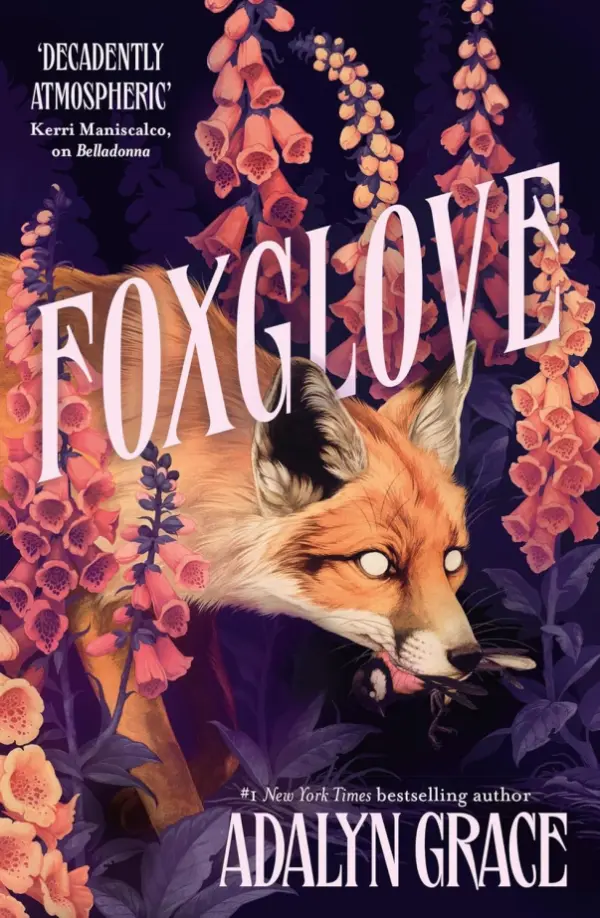
Adalyn Grace
Belladonna, book 2
Average Goodreads rating4.1
Matched via its series
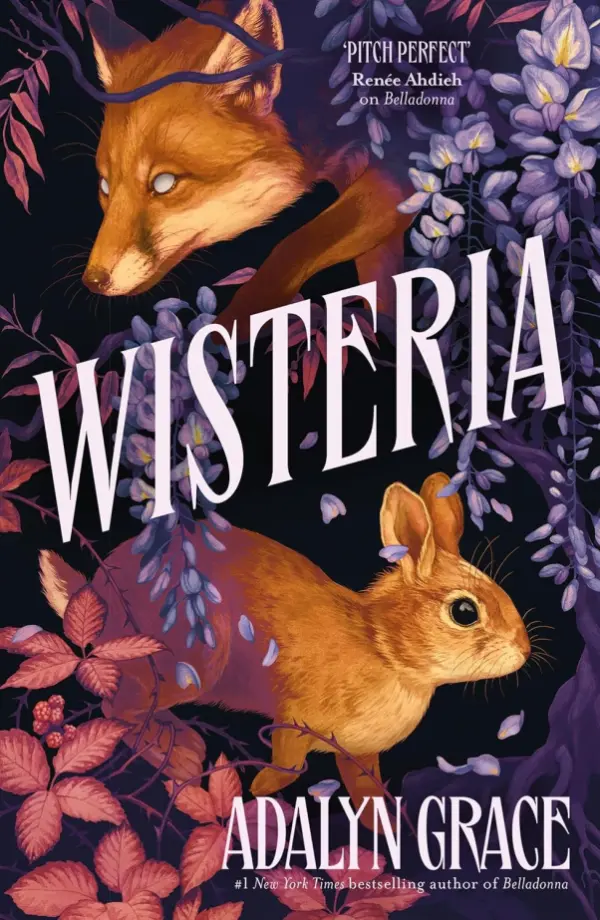
Adalyn Grace
Belladonna, book 3
Average Goodreads rating4.2
Matched via its series
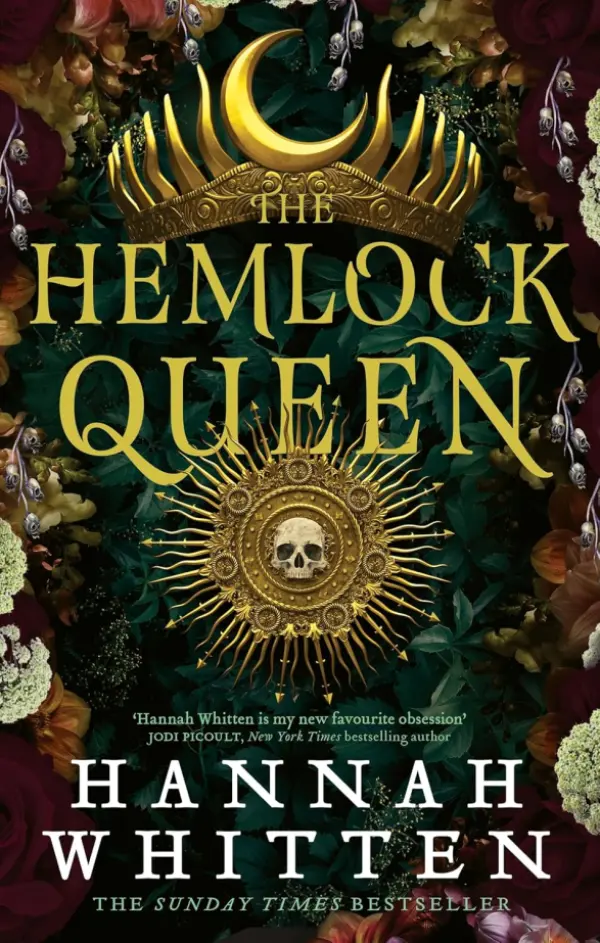
Hannah Whitten
The Nightshade Crown, book 2
Average Goodreads rating3.8
Matched via its series
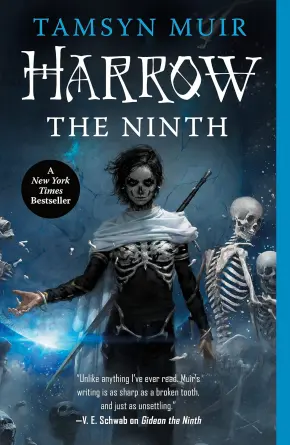
Tamsyn Muir
The Locked Tomb Series, book 2
Average Goodreads rating4.5
Matched via its series
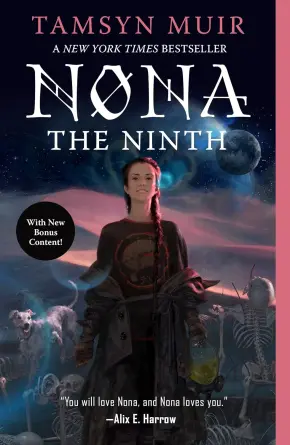
Tamsyn Muir
The Locked Tomb Series, book 3
Average Goodreads rating4.6
Matched via its series
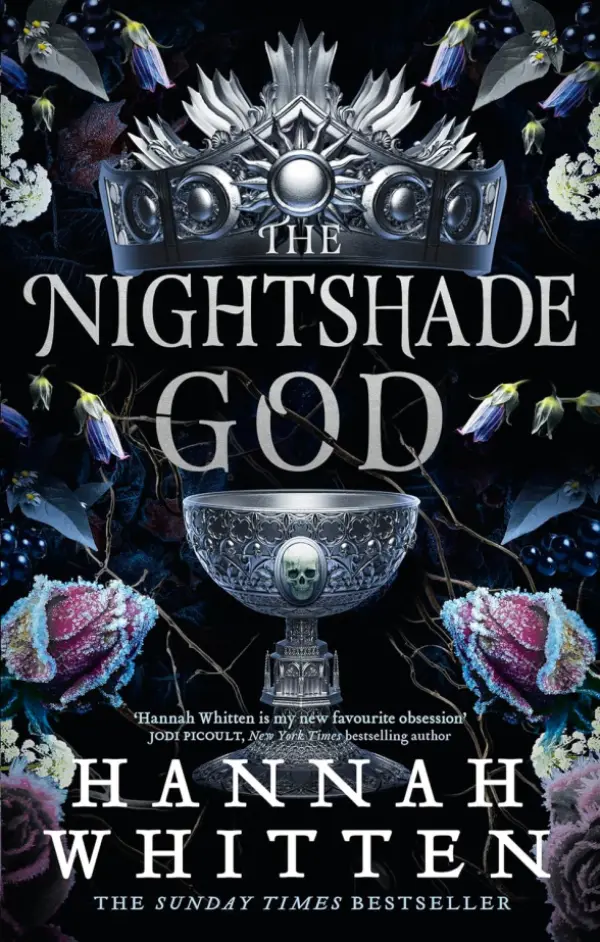
Hannah Whitten
The Nightshade Crown, book 3
Average Goodreads rating3.8
Matched via its series
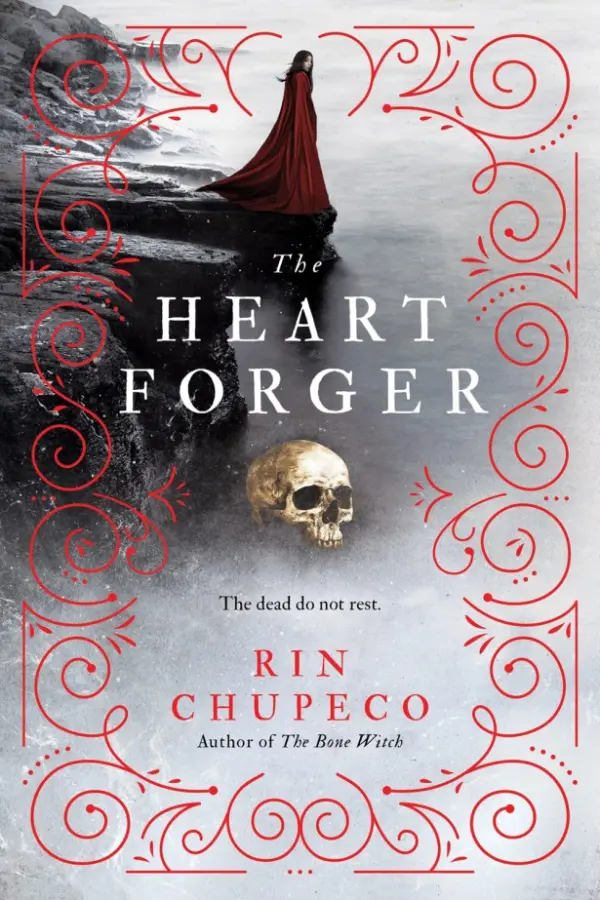
Rin Chupeco
The Bone Witch, book 2
Average Goodreads rating4.6
Matched via its series
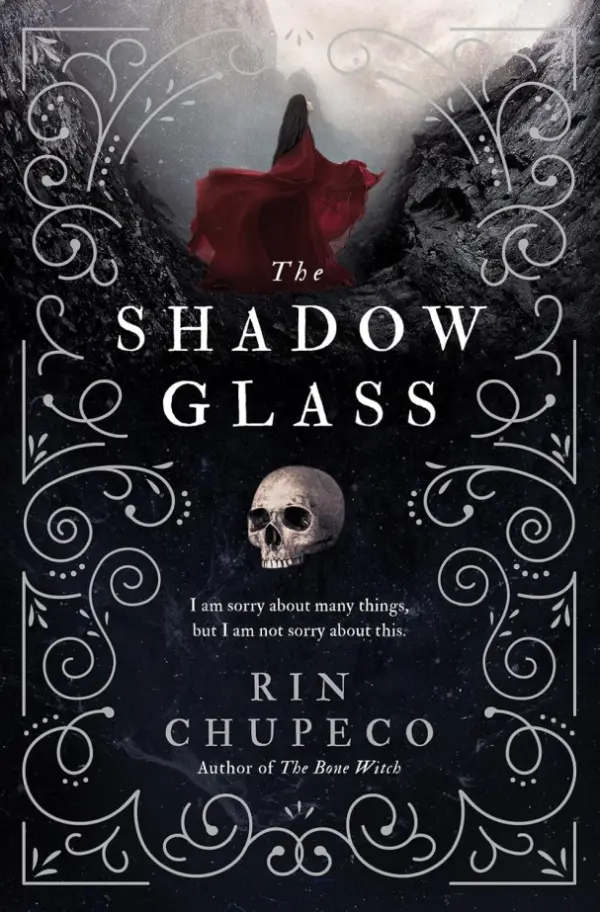
Rin Chupeco
The Bone Witch, book 3
Average Goodreads rating4.6
Matched via its series

Leigh Bardugo
Alex Stern, book 2
Average Goodreads rating4.4
Matched via its series
Tropes that share the most books with Necromancy
Necromancy is the magic of death — the ability to raise, communicate with, or command the dead. In fantasy fiction, a necromancer might summon skeletal armies, speak to lingering spirits, bind souls to rotting corpses, or simply sense the faint echo of a life that has ended. The magic itself varies wildly from book to book, but the core premise is consistent: this practitioner walks a line that most people fear to approach, treating death not as a boundary but as a resource.
It's an ancient concept, rooted in folklore and historical occult traditions, and that weight of history gives it a particular gravity on the page. When an author reaches for necromancy, they're borrowing from centuries of dread.
Part of the appeal is transgression. Necromancy tends to sit at the dark end of the magical spectrum — feared by other characters, outlawed by institutions, morally suspect by default. That makes the necromancer protagonist an immediate outsider, which is a compelling place to start a story. Readers get to explore power that comes with a social cost, and that tension rarely gets boring.
There's also something philosophically rich about a magic system built around death. Questions about what the soul is, whether the dead retain personhood, and what grief actually means become embedded in the plot mechanics. A necromancer isn't just a weapon — they're a walking ethical dilemma. The best books in this space use the magic to interrogate those questions rather than sidestep them.
The trope splits fairly cleanly into a few recurring flavours. Some stories lean into horror: necromancy is grotesque, forbidden, and the practitioner pays a terrible price. Others take a more clinical or academic approach, treating death magic as a discipline with rules and limitations, almost like surgery. A growing number of books, particularly in recent years, push back against the traditional villain framing entirely — giving readers necromancers who are morally earnest, even funny, trying to do right by their undead companions in a world that finds them repellent.
Romantic subplots are common too, and they carry an obvious charge when one partner has power over life and death. The dynamic tends toward gothic intensity, which readers of dark romance find very appealing. Necromancy also appears frequently alongside found family narratives: the lonely outcast who accumulates a crew of the undead in lieu of the living community that rejected them.
What keeps necromancy fresh across so many books is that it refuses to be neutral. Other magical abilities — fire, telekinesis, illusion — can be good or bad depending on who wields them. Necromancy carries its judgement with it from the first page. Every story that picks it up has to decide whether to lean into that darkness, subvert it, or complicate it beyond easy answers. That's a generative constraint, and skilled authors use it brilliantly. If you want magic that actually means something, death magic delivers every time.
Occasional emails with new recommendations, series news and trope round-ups.