
Book Lovers
Emily Henry
Average Goodreads rating4.1
- Witty Banter & Sharp Dialogue
- Trauma and Healing

Book trope · 3 books
At its heart, the sisterhood trope is about women who choose each other. Whether bound by blood, circumstance, or a shared ordeal that strips everything else away, these are relationships where loyalty runs deeper than romance, and where the story treats female friendship as something worth fighting for — and worth…
More about the Sisterhood trope1 is tagged with Sisterhood individually. The others belong to a series tagged with it, which doesn’t mean every book in it features the trope, so they’re marked “Matched via its series”.
Updating books…
3 books found
Emily Henry
Average Goodreads rating4.1
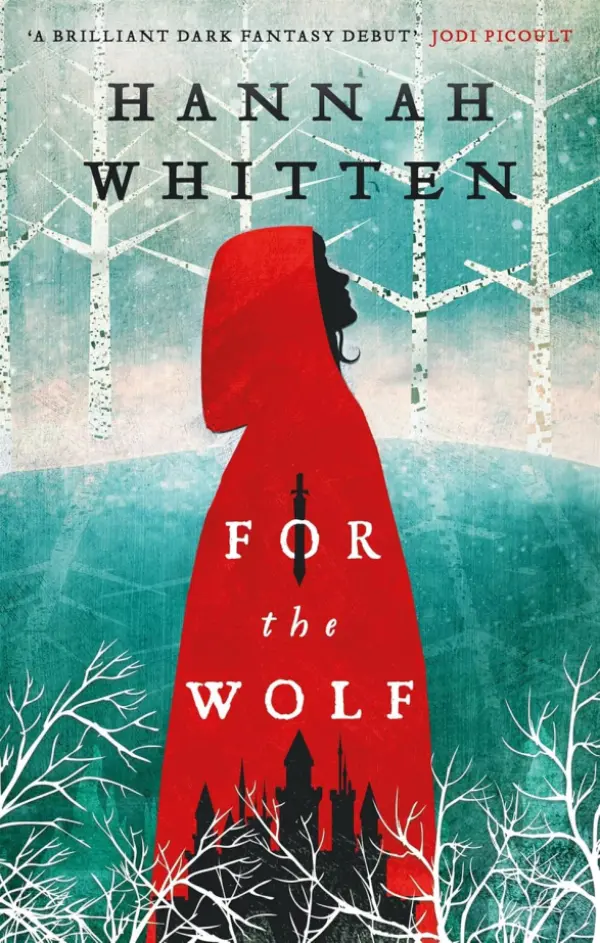
Hannah Whitten
The Wilderwood, book 1
Average Goodreads rating3.9
Matched via its series
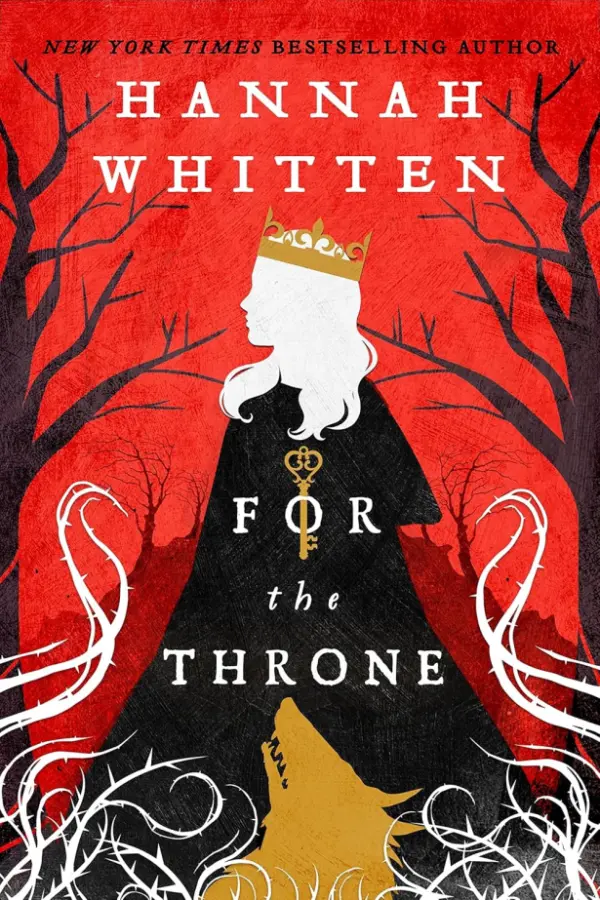
Hannah Whitten
The Wilderwood, book 2
Average Goodreads rating4.2
Matched via its series
Tropes that share the most books with Sisterhood
At its heart, the sisterhood trope is about women who choose each other. Whether bound by blood, circumstance, or a shared ordeal that strips everything else away, these are relationships where loyalty runs deeper than romance, and where the story treats female friendship as something worth fighting for — and worth grieving when it fractures.
It's a trope that appears across fantasy, romance, and historical fiction alike, but it carries a particular charge in genre fiction, where women are so often positioned as rivals or prizes rather than as each other's anchors. When a book gets sisterhood right, readers feel it viscerally. The bond becomes as central to the narrative as any quest or love story.
The clearest marker is that the female relationships have genuine weight. Sisterhood isn't set dressing — it shapes decisions, creates stakes, and drives plot. A character might sacrifice something enormous to protect a sister or a chosen sister-figure. She might betray one, and the story takes that betrayal as seriously as any romantic heartbreak.
Blood sisters are one strand of this trope, and family dynamics — rivalry, protectiveness, inherited trauma, the complicated love of growing up in the same house — give those stories a specific texture. But chosen sisterhood often carries even more emotional voltage, precisely because it wasn't automatic. These women found each other in a coven, a rebellion, a shared exile, a workplace, a wartime posting. They built something deliberately, and that makes its defence feel urgent.
Conflict between sisters, when the trope is handled well, is never petty. Misunderstandings have real causes. Jealousies have understandable roots. The rupture hurts because the love was real first.
In epic fantasy, sisterhood often takes the form of a band of women navigating a world designed to limit them — witches, warriors, scholars, or rebels who form a unit with its own internal politics and fierce mutual protection. The group dynamic means the trope can hold several distinct personalities without losing focus: the cynic, the idealist, the one who broke and came back.
Historical fiction leans into sisterhood as survival. Women supporting each other through marriages they didn't choose, through wars that remade their lives, through institutions that treated them as interchangeable — the friendship becomes a quiet form of resistance.
In contemporary romance, sisterhood often plays out in the ensemble, the group of friends or actual sisters who exist across a series and anchor each instalment. Their banter, their collective memory, their ability to call each other out without cruelty — these are the details readers return to book after book.
There's also a darker variation: the sisterhood that curdled, the one built on a lie or a power imbalance that eventually surfaces. These stories are interested in what we owe each other and what happens when the debt goes unpaid.
Female friendship is still underrepresented as a primary emotional story, which means when readers encounter it done well, the response is fierce. There's something quietly radical about a novel that treats the bond between women as the relationship that defines the protagonist's life — not in opposition to love or ambition, but as something entirely its own.
Sisterhood stories also tend to be honest about the mess of it: the jealousy, the suffocation of being too close, the specific pain of a friendship that outgrows itself. That honesty is part of the appeal. Readers recognise it. They've lived some version of it.
Find the right sisterhood story and you'll probably be recommending it to someone you love within a week of finishing it — which is, in its own way, the trope enacting itself.
Occasional emails with new recommendations, series news and trope round-ups.