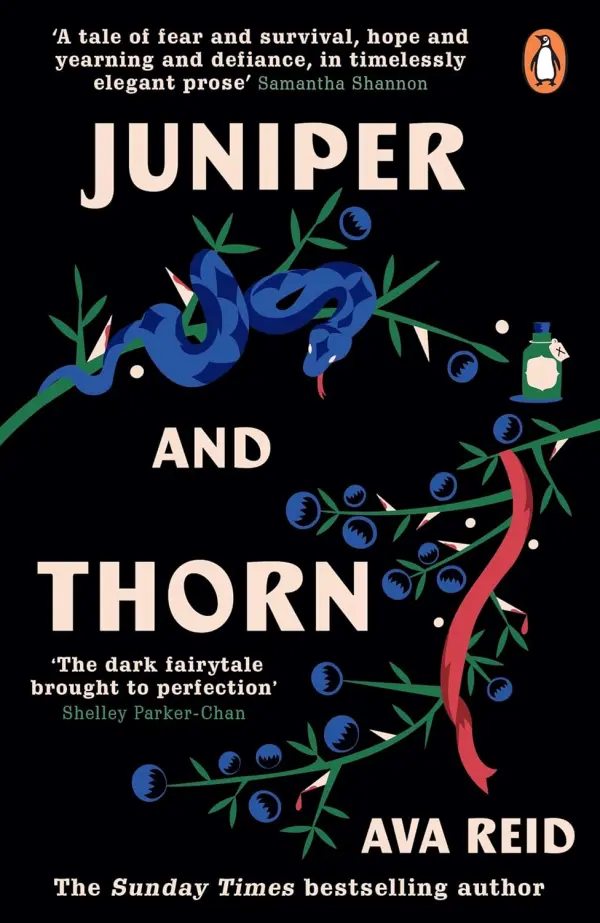
Juniper & Thorn
Average Goodreads rating3.9
- Gothic Fantasy
- Healing Magic

Author · American
Ava Reid is a fantasy author known for dark, literary standalone novels blending mythology, folklore, and feminist themes. Celebrated for The Wolf and the Woodsman, Juniper & Thorn, and A Study in Drowning, she crafts atmospheric dark fantasy with emotional depth.
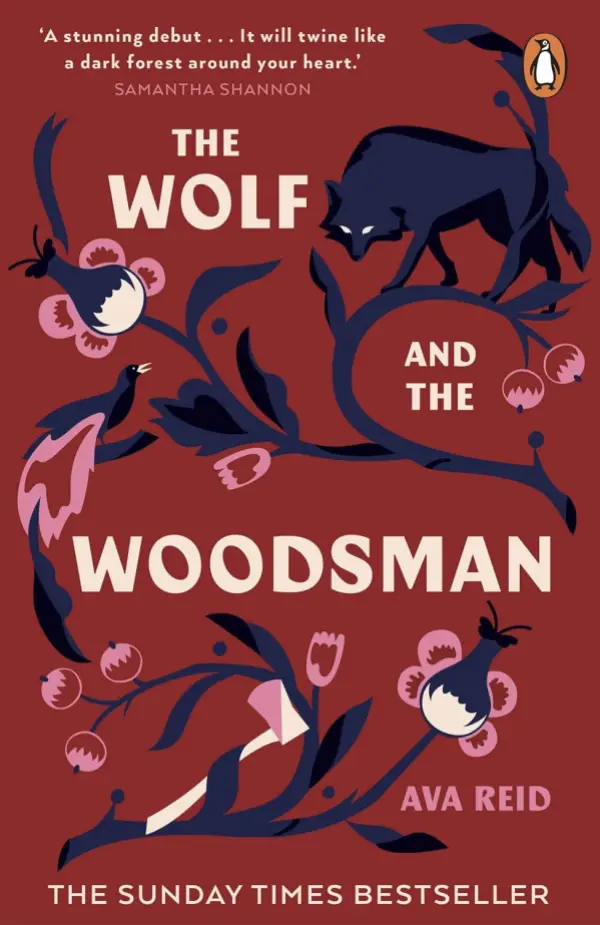
New to Ava Reid? A popular place to start
The Wolf and the Woodsman by Ava Reid follows Évike, traded from her pagan village to a wolf-clan soldier. This dark fantasy blends Hungarian history, Jewish mythology, religious conflict, and slow burn romance through atmospheric literary prose.
Picked from Ava Reid’s most widely rated books on Goodreads, starting at the beginning of its series.
Retailer links may earn Trope Trove a commission, at no extra cost to you.
Not part of a series listed on Trope Trove
Average Goodreads rating3.9
Average Goodreads rating3.9
Ava Reid is an American fantasy author who has established herself as one of contemporary fantasy's most distinctive literary voices through standalone novels that blend dark mythology, Eastern European and Jewish folklore, feminist themes, and prose that prioritizes atmosphere and emotional resonance over conventional plot momentum. Known for creating heroines navigating patriarchal structures, oppressive systems, and dangerous love interests with intelligence and agency, Reid crafts fantasy that feels genuinely literary whilst remaining accessible to readers seeking romantic dark fantasy with substance beneath the surface. Her work appeals to readers who appreciated Naomi Novik's Uprooted or Katherine Arden's Winternight Trilogy and want fantasy rooted in specific folkloric traditions with prose that demands engagement rather than passive consumption.
The Wolf and the Woodsman (2021) draws from Hungarian history and Jewish mythology, following Évike - a girl from a pagan village traded to a wolf-clan soldier as a sacrifice - as she navigates dangerous lands, religious persecution, and her own complicated relationship with the magic she possesses. The novel explores religious conflict between pagan and monotheistic cultures, drawing carefully from real Hungarian Jewish history to create fantasy that feels grounded in genuine historical and cultural specificity. The romance between Évike and the wolf-clan soldier develops through mutual antagonism and grudging respect, delivering slow burn dynamics alongside thematic exploration of religious identity, persecution, and survival.
Juniper & Thorn (2022) reimagines the Grimm fairy tale "The Juniper Tree" in a setting inspired by Imperial Russia, following Marlinchen - a girl with healing magic and a monstrous father - whose encounter with a ballet dancer disrupts the carefully controlled existence her father has constructed. The novel delivers Reid's darkest work, exploring captivity, control, and the complicated psychology of those raised in oppressive situations, with prose that balances fairy tale atmosphere with genuine horror and the kind of literary complexity that rewards careful reading.
A Study in Drowning (2023) takes a different approach, offering gothic literary fantasy following Effy, a young woman attending an elite architecture school who travels to restore the crumbling manor of her favourite author, discovering that the fantasy world he created may not be entirely fictional. The novel explores authorship, inspiration, misogyny in academic and literary spaces, and the relationship between stories and the real world, demonstrating Reid's range beyond mythology-driven dark fantasy.
Reid's writing is characterized by Eastern European and Jewish folklore, literary prose prioritizing atmosphere, feminist themes exploring patriarchal control, dark romance with morally complex love interests, standalone novels, fairy tale and mythology reimagining, historical-inspired settings, heroines navigating oppressive systems, and emotional depth.
Common themes include religion and identity, patriarchal control and female agency, captivity - physical and psychological - folklore as living cultural force, survival requiring moral compromise, and what women sacrifice to exist in worlds designed against them.
Reid's prose is notably literary - dense with imagery, atmosphere, and cultural specificity - creating reading experiences that reward attention whilst potentially challenging readers who prefer plot-driven pacing.
What distinguishes Reid is her commitment to cultural specificity - her folklore and historical inspirations aren't generic but rooted in particular traditions she engages with seriously, creating fantasy that feels genuinely connected to real cultural heritage.
Kerri Maniscalco
Prince of Sin, book 1
Average Goodreads rating4.0
Kerri Maniscalco
Prince of Sin, book 2
Average Goodreads rating4.0
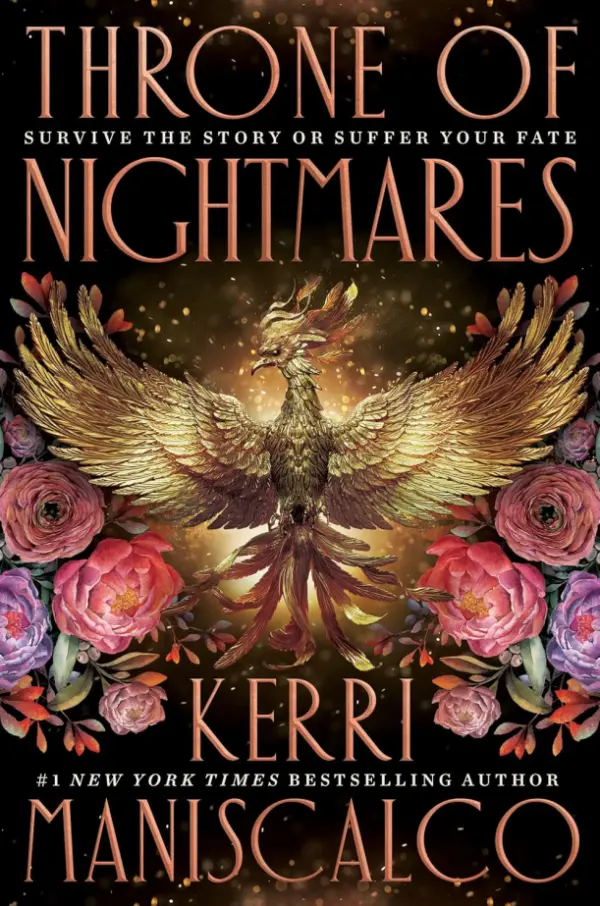
Kerri Maniscalco
Prince of Sin, book 3
Average Goodreads rating4.0
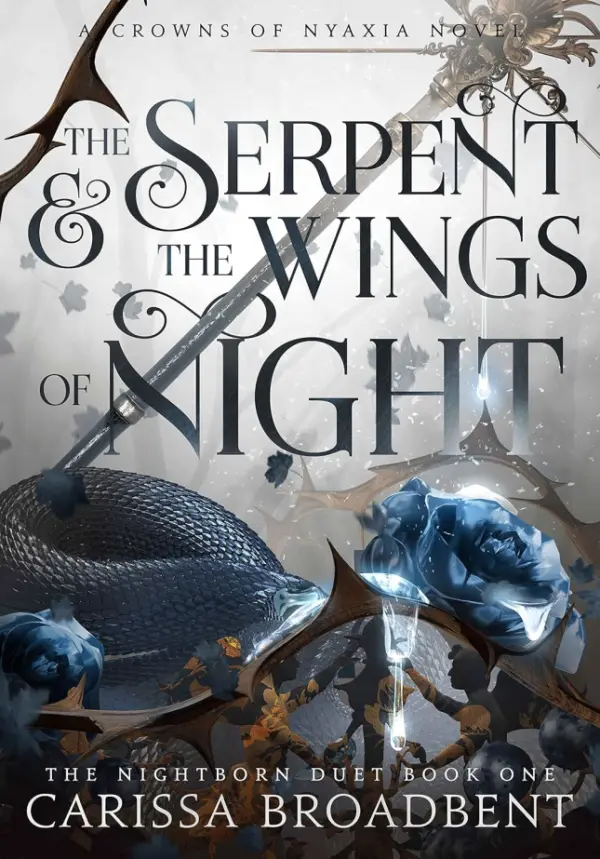
Carissa Broadbent
Crowns of Nyaxia, book 1
Average Goodreads rating4.5
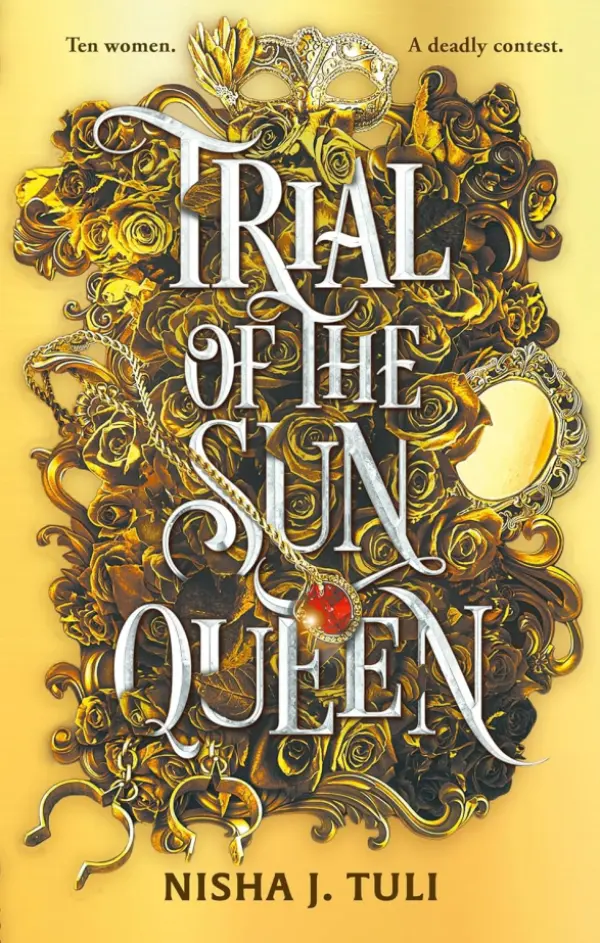
Nisha J. Tuli
Artefacts of Ouranos, book 1
Average Goodreads rating4.3
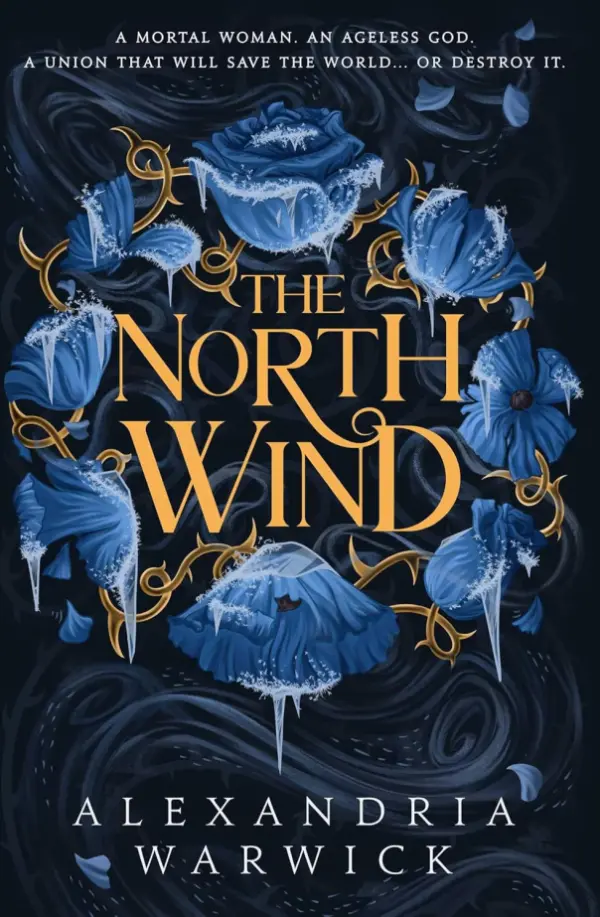
Alexandria Warwick
The Four Winds, book 1
Average Goodreads rating3.6
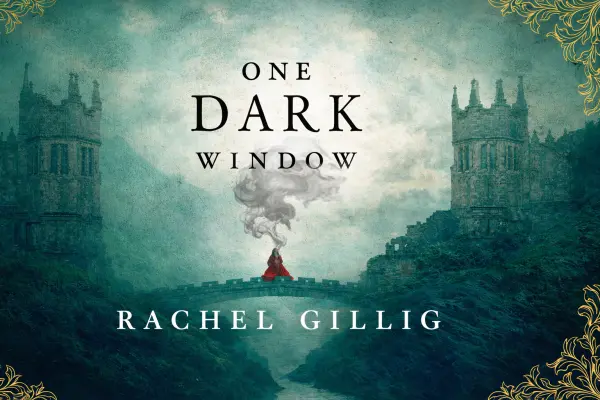
If you devoured One Dark Window's atmospheric prose, the Nightmare, and Providence Cards, discover 11 gothic fantasy romances with the same lush darkness and compelling magic systems.
Occasional emails with new recommendations, series news and trope round-ups.