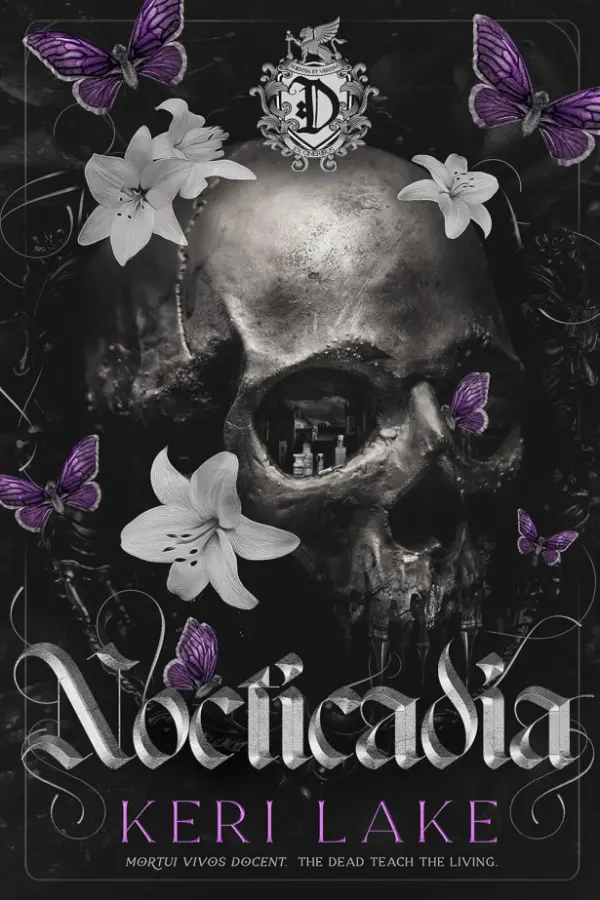
Nocticadia
Keri Lake
Average Goodreads rating4.4
- Forbidden Romance
- Morally Grey Characters

Book trope · 26 books
Gothic fantasy sits at the crossroads of two powerful traditions: the atmospheric dread of Gothic literature and the world-building ambition of fantasy.
More about the Gothic Fantasy trope4 are tagged with Gothic Fantasy individually. The others belong to a series tagged with it, which doesn’t mean every book in it features the trope, so they’re marked “Matched via its series”.
Updating books…
26 books found
Keri Lake
Average Goodreads rating4.4
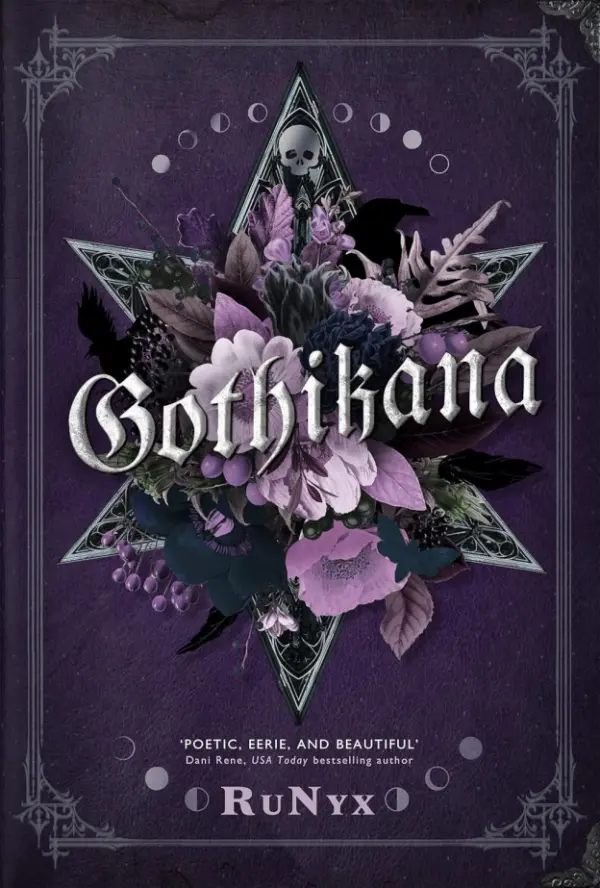
RuNyx
Average Goodreads rating4.3
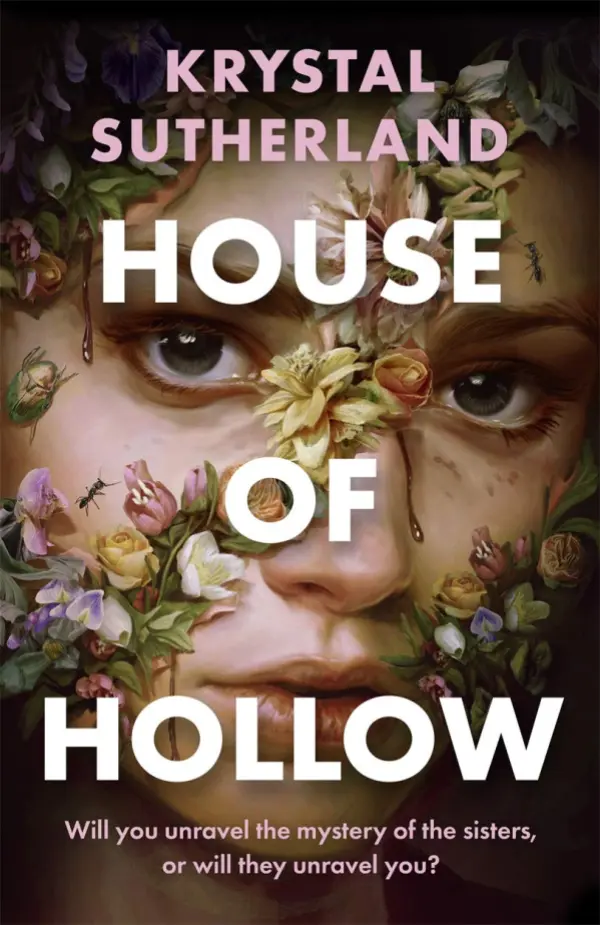
Krystal Sutherland
Average Goodreads rating4.2
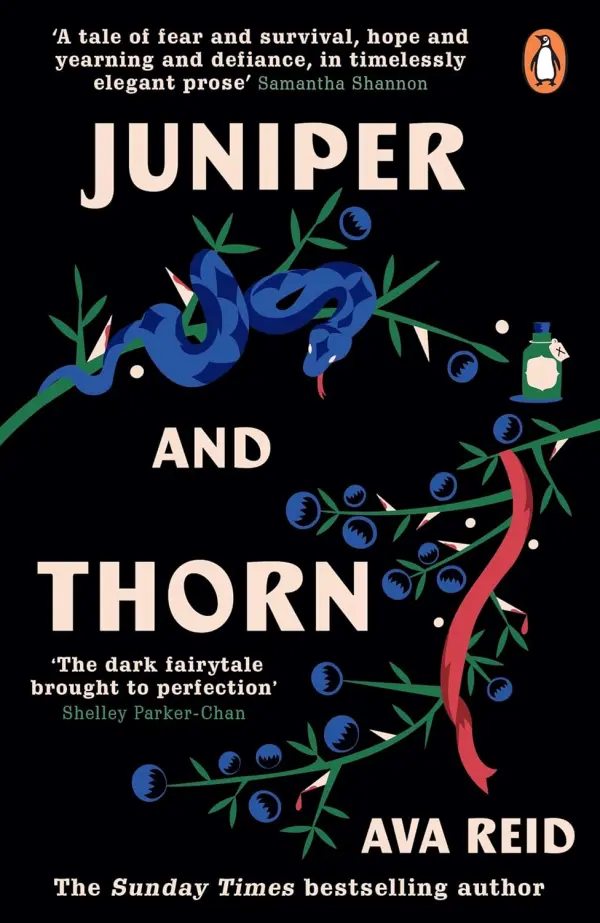
Ava Reid
Average Goodreads rating3.9
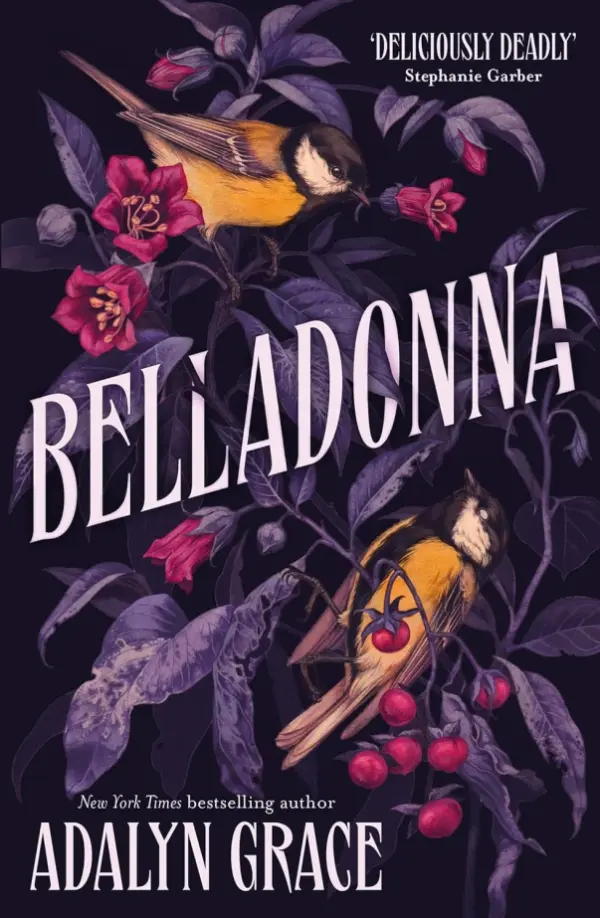
Adalyn Grace
Belladonna, book 1
Average Goodreads rating4.0
Matched via its series

Rachel Gillig
The Shepherd King, book 1
Average Goodreads rating4.5
Matched via its series
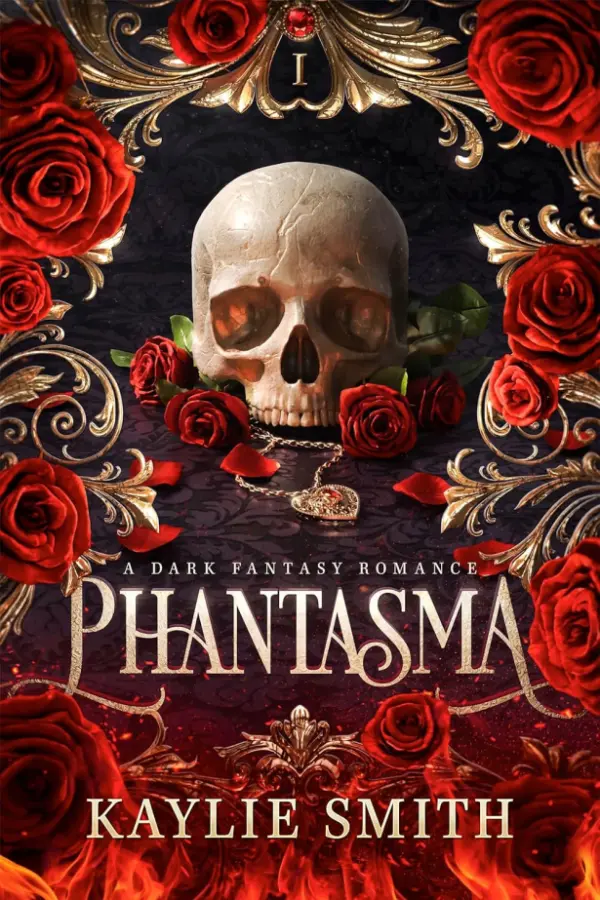
Kaylie Smith
Wicked Games, book 1
Average Goodreads rating4.2
Matched via its series
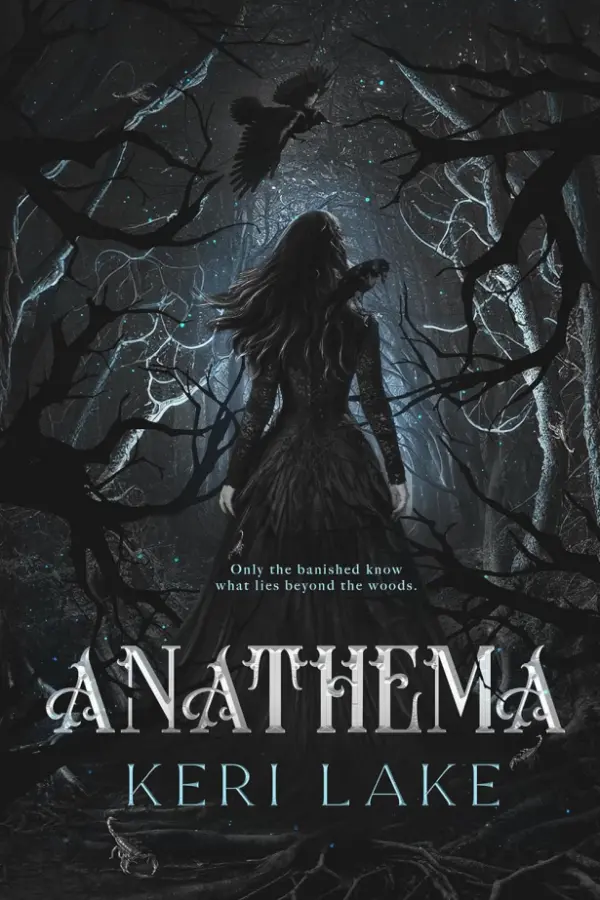
Keri Lake
The Eating Woods, book 1
Average Goodreads rating4.4
Matched via its series

Rachel Gillig
The Stonewater Kingdom, book 1
Average Goodreads rating4.5
Matched via its series
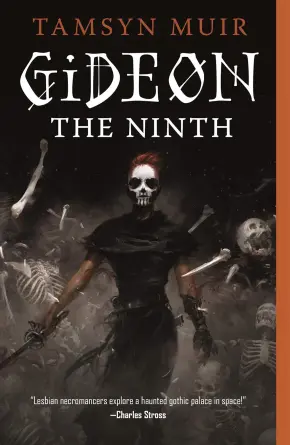
Tamsyn Muir
The Locked Tomb Series, book 1
Average Goodreads rating4.5
Matched via its series
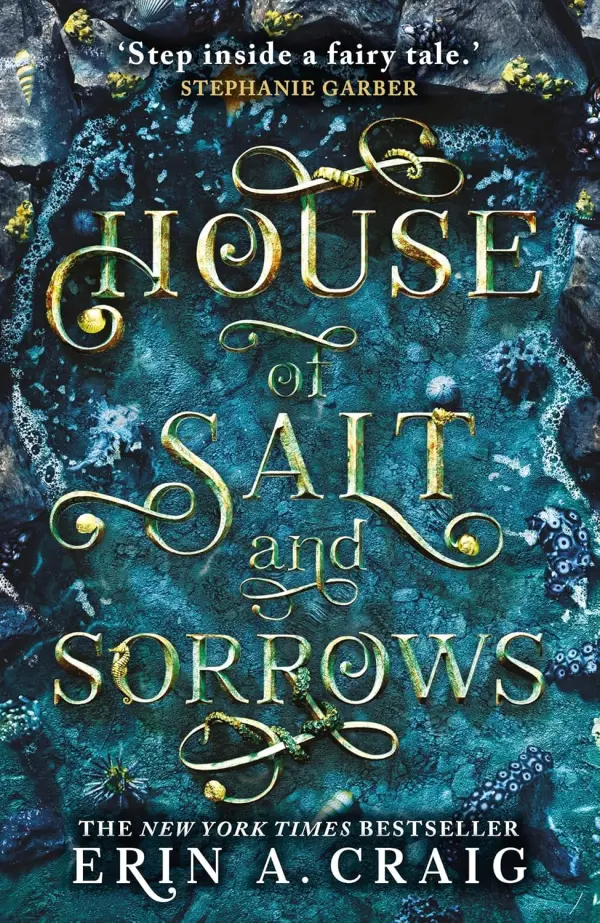
Erin A. Craig
Sisters of the Salt, book 1
Average Goodreads rating4.3
Matched via its series

Jay Kristoff
Empire of the Vampire, book 1
Average Goodreads rating4.7
Matched via its series

Jay Kristoff
The Nevernight Chronicle, book 1
Matched via its series

Rachel Gillig
The Shepherd King, book 2
Average Goodreads rating4.6
Matched via its series
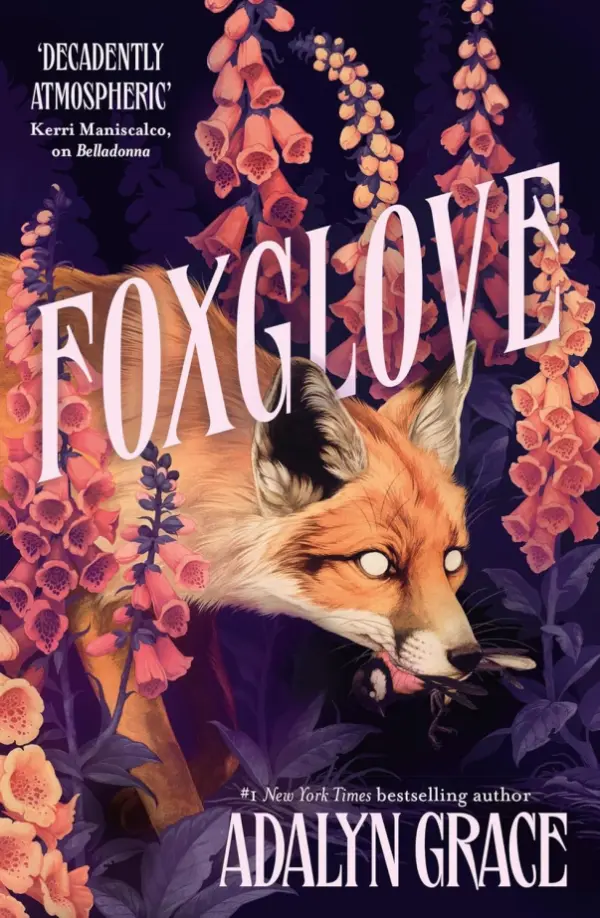
Adalyn Grace
Belladonna, book 2
Average Goodreads rating4.1
Matched via its series
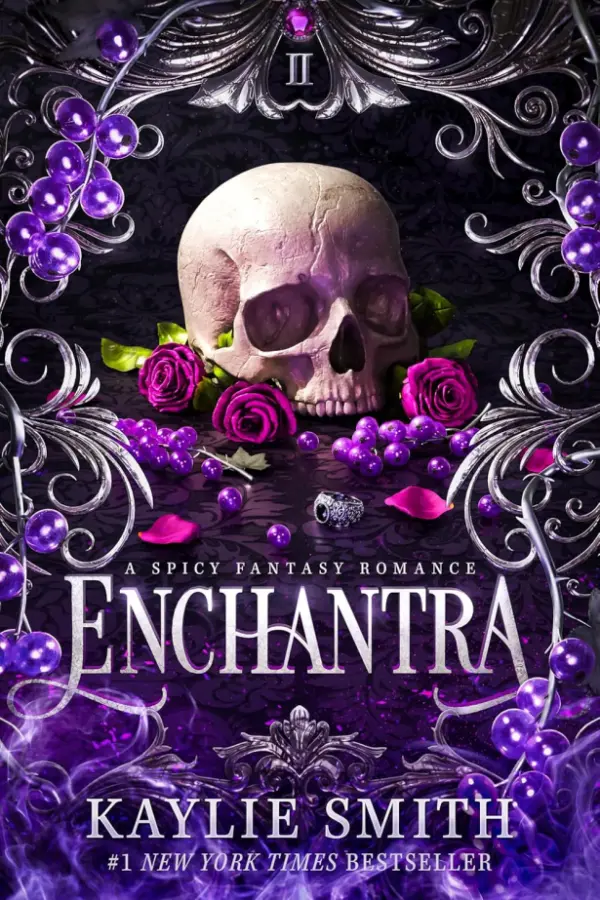
Kaylie Smith
Wicked Games, book 2
Average Goodreads rating4.4
Matched via its series
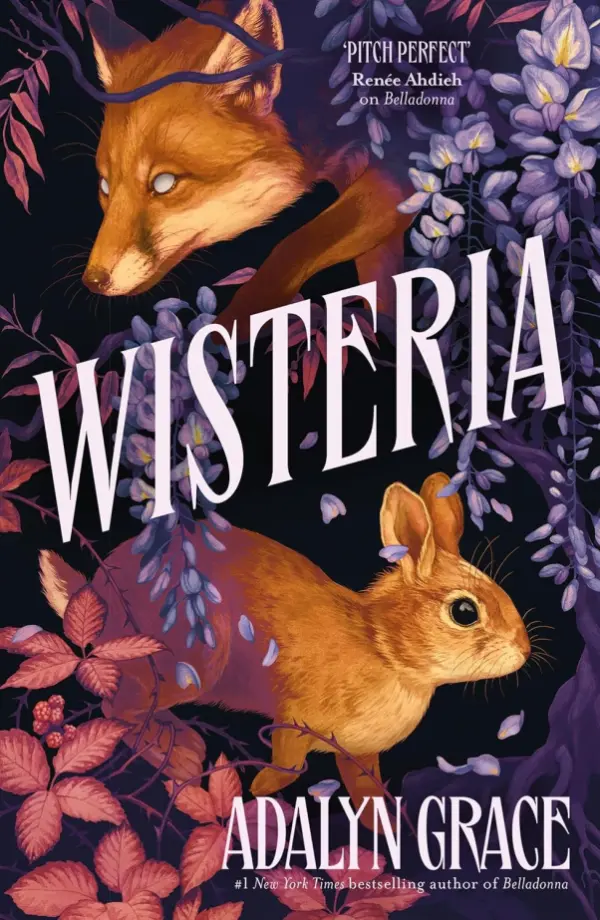
Adalyn Grace
Belladonna, book 3
Average Goodreads rating4.2
Matched via its series
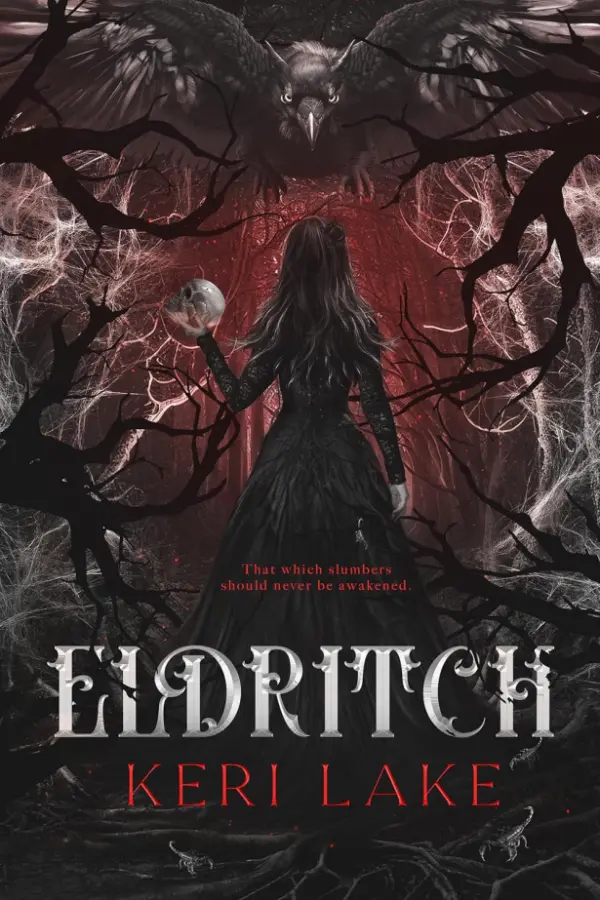
Keri Lake
The Eating Woods, book 2
Average Goodreads rating4.4
Matched via its series
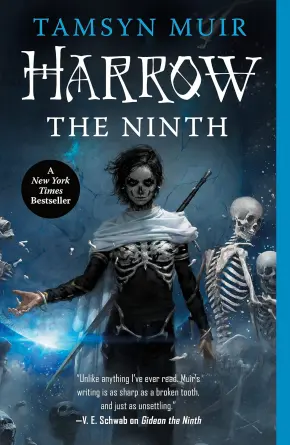
Tamsyn Muir
The Locked Tomb Series, book 2
Average Goodreads rating4.5
Matched via its series
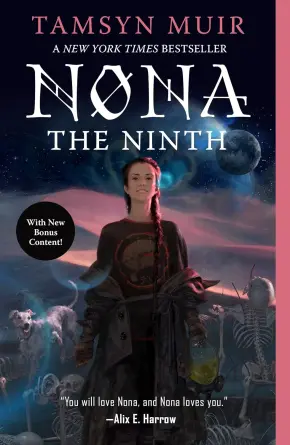
Tamsyn Muir
The Locked Tomb Series, book 3
Average Goodreads rating4.6
Matched via its series
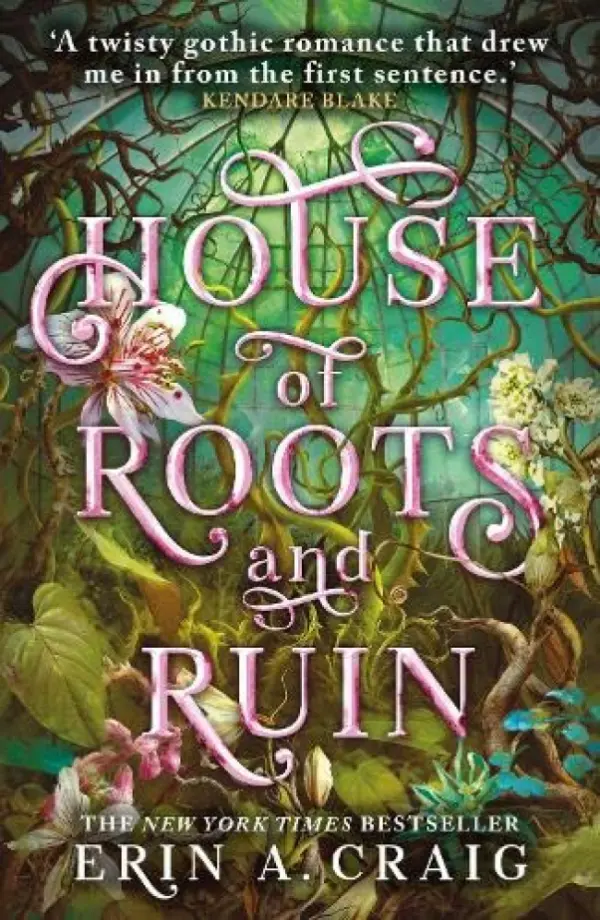
Erin A. Craig
Sisters of the Salt, book 2
Average Goodreads rating4.4
Matched via its series

Jay Kristoff
The Nevernight Chronicle, book 3
Matched via its series

Jay Kristoff
Empire of the Vampire, book 2
Average Goodreads rating4.8
Matched via its series

Jay Kristoff
Empire of the Vampire, book 3
Average Goodreads rating4.7
Matched via its series

Jay Kristoff
The Nevernight Chronicle, book 2
Matched via its series

Rachel Gillig
The Stonewater Kingdom, book 2
Average Goodreads rating2.0
Matched via its series
Tropes that share the most books with Gothic Fantasy
Gothic fantasy sits at the crossroads of two powerful traditions: the atmospheric dread of Gothic literature and the world-building ambition of fantasy. The result is something that feels ancient and alive at once. Think crumbling castles with secrets sealed behind their walls, magic that corrupts as readily as it saves, and protagonists who are never quite sure whether the darkness they're facing is out there in the world or somewhere inside themselves.
It's a genre that refuses to separate beauty from decay. The settings are lush and oppressive in equal measure. The prose tends toward the ornate. And unlike the clean heroism of high fantasy, Gothic fantasy is comfortable with moral ambiguity, with grief, with desire that unsettles rather than reassures.
Certain ingredients recur across Gothic fantasy with enough regularity that readers come to expect them, though the best writers find ways to make each one feel freshly menacing. Crumbling or labyrinthine architecture is almost obligatory, whether that's a grand estate gone to ruin or a city built on the bones of something older. Atmosphere carries as much narrative weight as plot, and fog, shadow, and candlelight do a great deal of the storytelling.
The supernatural is present, but it rarely operates as a simple threat to be defeated. Vampires, ghosts, fae courts, and cursed bloodlines appear not as obstacles but as mirrors, reflecting something uncomfortable about the human characters near them. There's also a persistent preoccupation with inheritance, whether of land, power, trauma, or curse. Characters in Gothic fantasy are often defined by what they've been handed down rather than what they've chosen.
Romance, when it appears, tends toward the intense and the complicated. Passion and peril travel together. Love interests in Gothic fantasy are frequently dangerous, morally compromised, or carrying secrets that reframe everything the reader thought they understood about them.
Gothic fantasy isn't a single thing. One end of the spectrum leans heavily into horror-adjacent territory, where the dread is relentless and the magic feels genuinely malevolent. The other end softens the darkness with romance at its centre, sometimes called Gothic romantasy, where the foreboding setting and brooding love interest take precedence over outright terror.
There are also historically inflected versions that draw on the aesthetics of Victorian England, Revolutionary-era France, or Eastern European folklore, using those textures to ground the fantasy elements in a sense of real cultural weight. Others are set in entirely invented worlds that have simply adopted Gothic sensibility as their organising principle, where the whole society runs on shadow and ceremony.
Dark academia crosses over here frequently, particularly when ancient institutions, forbidden knowledge, and rivalry become central concerns. So does fae fantasy, especially when the fae courts in question are constructed as places of terrible, beautiful cruelty rather than whimsy.
Gothic fantasy offers something that brighter, more optimistic fantasy doesn't always reach: the permission to sit with complexity. Fear and longing often occupy the same sentence. Power tends to come at a cost that matters. The genre takes darkness seriously rather than treating it as a backdrop to be cleared away by the final act.
There's also the simple pleasure of atmosphere done well, of prose that makes a reader feel the chill of a stone corridor or the oppressive hush of a library that shouldn't be entered after dark. Gothic fantasy understands that how a story feels is inseparable from what it means. For readers who want their magic to carry genuine weight, this is the genre that delivers.
Occasional emails with new recommendations, series news and trope round-ups.