Dark Romance Trope
Dark Romance is a book trope defined by emotionally intense love stories that venture into morally complex, taboo, or psychologically challenging territory. Unlike traditional romance, which often prioritises comfort and safety, Dark Romance confronts readers with relationships shaped by obsession, control, trauma, and desire that borders on self-destruction.
At its core, Dark Romance is about emotional extremity. Love is not gentle or reassuring - it is consuming, destabilising, and often dangerous. Characters are drawn together through fear, proximity, shared trauma, or power imbalance, creating bonds that blur the line between devotion and destruction. The intensity is deliberate: Dark Romance invites readers to explore why people want what harms them, and how love can become both refuge and ruin.
A defining feature of the trope is moral ambiguity. Protagonists are rarely heroic in a traditional sense; they are flawed, damaged, and often complicit in their own suffering. Antagonists may be seductive rather than monstrous. Consent, agency, and control are frequently interrogated rather than assumed, making Dark Romance a space where ethical certainty is intentionally unsettled.
Many Dark Romance stories lean into gothic or psychological aesthetics. Settings are often oppressive - isolated estates, cursed forests, religious institutions, secret societies, or decaying towns - mirroring the internal conflict of the characters. These environments heighten tension and reinforce the sense that escape, emotional or physical, may not be possible.
Power dynamics are central to the trope. Relationships may involve age gaps, social hierarchies, institutional authority, captivity, or supernatural dominance. Rather than glossing over imbalance, Dark Romance examines how power shapes desire and how attraction persists even when it should not. This exploration is what makes the trope compelling—and controversial.
Dark Romance often overlaps with other genres, including gothic romance, psychological thriller, horror romance, and dark fantasy romance. Supernatural elements—demons, curses, eldritch forces, or forbidden magic - frequently serve as metaphors for obsession and loss of control. When horror is present, it is intimate rather than distant, tied directly to relationships rather than external threats.
Importantly, Dark Romance is not about endorsing harmful behaviour. Instead, it functions as a safe space for exploring uncomfortable emotions within fiction. Readers are drawn to the trope for its catharsis, intensity, and honesty about desire’s darker edges—feelings rarely acknowledged in lighter romance narratives.
Dark Romance appeals to readers who crave stories that challenge emotional boundaries, prioritise atmosphere and psychology, and refuse simple resolutions. It is a trope that thrives on tension, discomfort, and emotional aftermath - where love does not promise happiness, only transformation.
Find Dark Romance Books
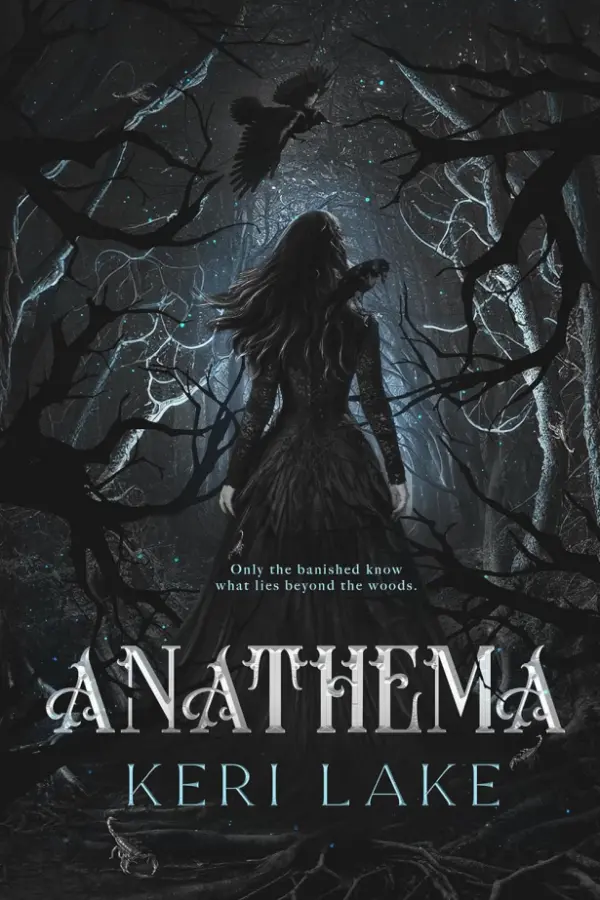
Anathema
The Eating Woods (Book 1)
Written by Keri Lake
Anathema by Keri Lake is a dark gothic romance of forbidden desire, religious corruption, and love that defies doctrine, guilt, and damnation.
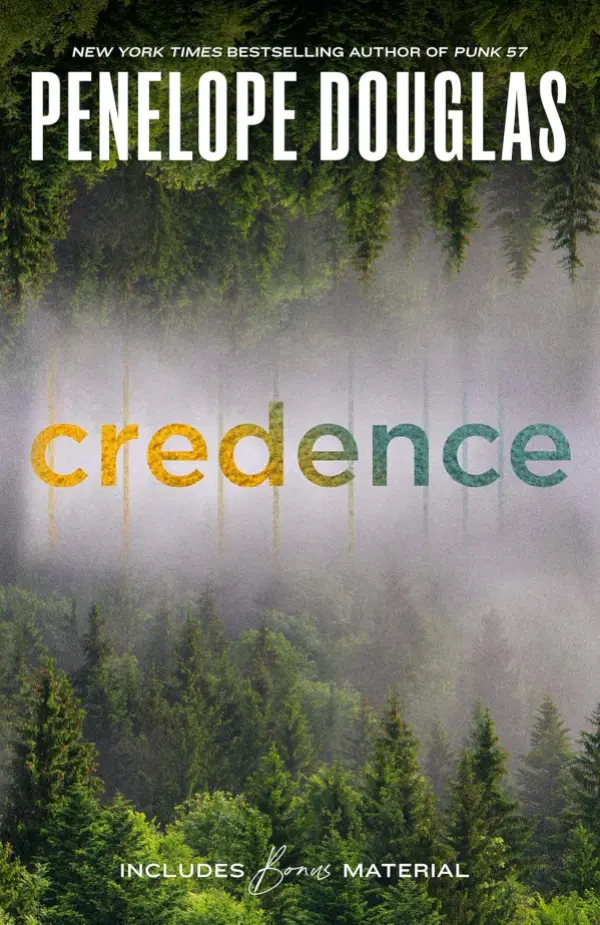
Credence
Written by Penelope Douglas
Credence by Penelope Douglas follows Tiernan, sent to live with her estranged uncle and his two sons in rural Colorado after tragedy. This controversial standalone explores forbidden desires, isolation, and complicated relationships in the remote wilderness.
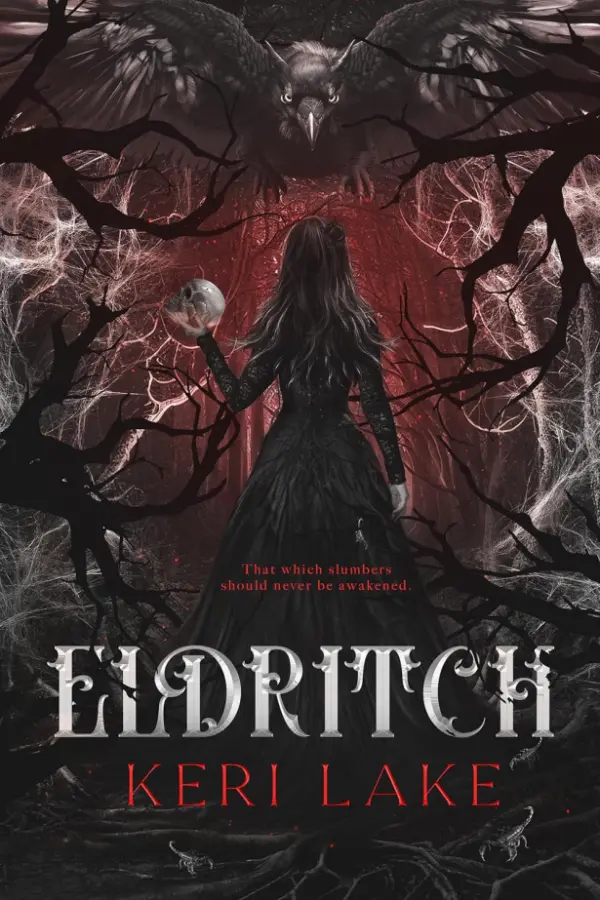
Eldritch
The Eating Woods (Book 2)
Written by Keri Lake
Eldritch by Keri Lake is a dark gothic romance infused with cosmic horror, forbidden desire, and obsession where ancient power awakens and love turns monstrous.
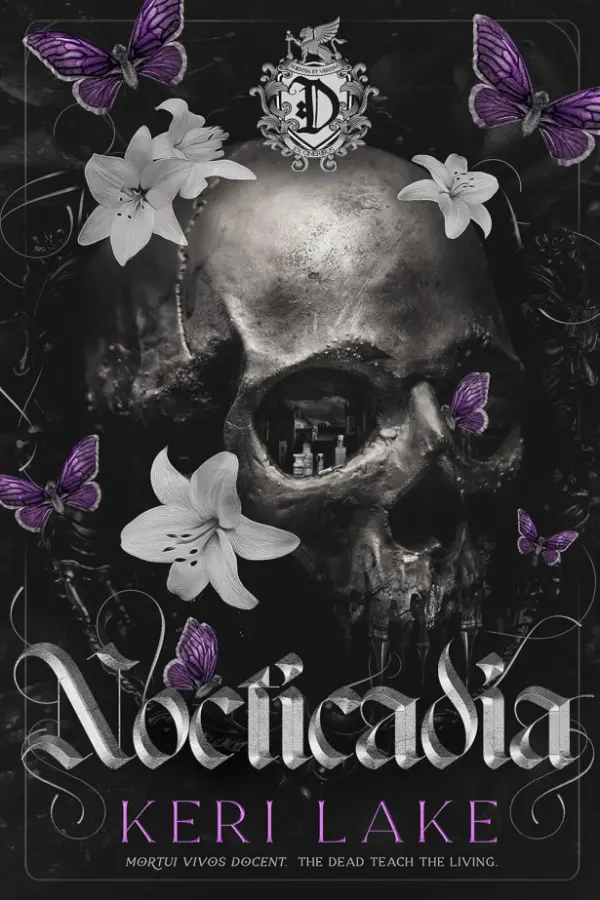
Nocticadia
Written by Keri Lake
Nocticadia by Keri Lake is a dark academia gothic romance of forbidden desire, obsession, and psychological horror set within a decaying, secretive university.
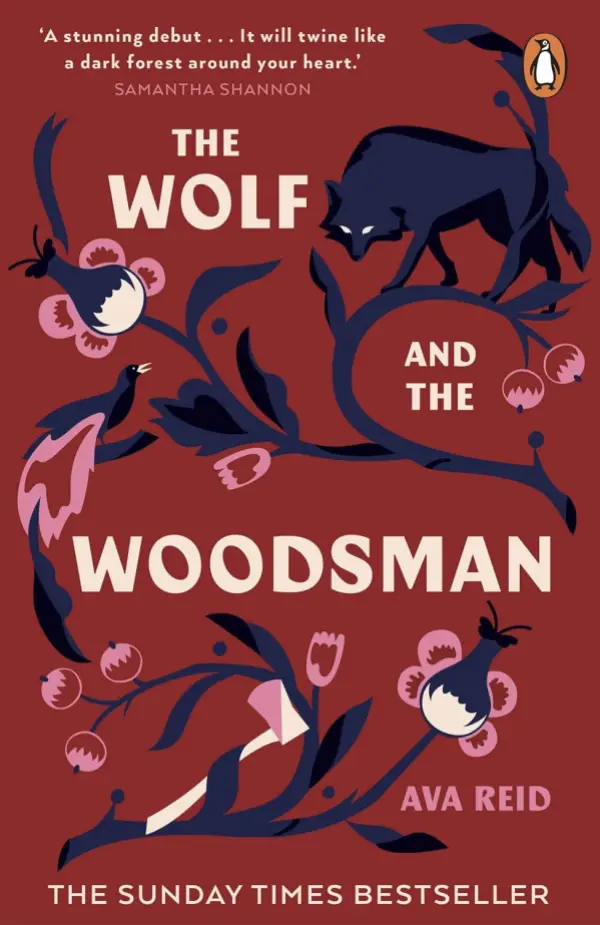
The Wolf and the Woodsman
Written by Ava Reid
The Wolf and the Woodsman by Ava Reid follows Évike, traded from her pagan village to a wolf-clan soldier. This dark fantasy blends Hungarian history, Jewish mythology, religious conflict, and slow burn romance through atmospheric literary prose.