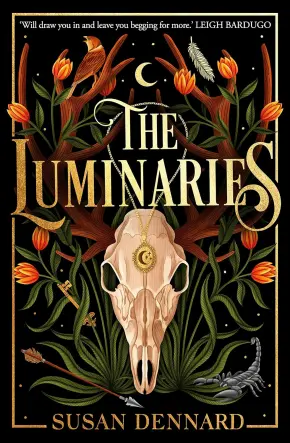
The Luminaries
Susan Dennard
The Luminaries, book 1
Average Goodreads rating4.3
- Rebellion Against Oppressive System
- Magic System with Rules

We independently select and recommend books. Purchases made through our links may earn us a commission, at no extra cost to you. Prices and availability are set by each retailer.
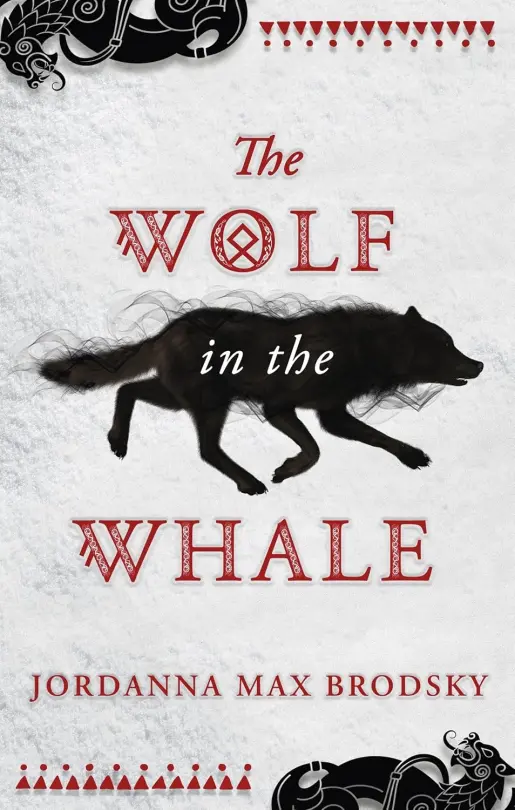
The Wolf in the Whale by Jordanna Max Brodsky is a mythic fantasy blending Inuit and Norse legend in a brutal tale of identity, gods, and survival.
The Wolf in the Whale by Jordanna Max Brodsky is a powerful standalone mythological fantasy that brings Inuit and Norse legends into direct, devastating conflict. Set in the Arctic during the era of early Norse exploration, the novel blends epic mythology with an intensely personal story of identity, survival, and belief.
The story follows Omat, a young Inuit hunter who lives between identities. Born female but raised as male, Omat exists outside the rigid structures of their society - both empowered and isolated by this duality. When Norse raiders arrive, bringing with them iron weapons and violent gods, Omat is drawn into a clash that threatens not only their people, but the spiritual foundations of the world itself.
At its core, The Wolf in the Whale is a story about identity and belonging. Omat’s journey is shaped by questions of gender, selfhood, and cultural expectation, explored through a mythic lens rather than modern framing. Brodsky presents identity as something lived and earned, forged through survival, tradition, and personal truth rather than labels.
The novel’s mythological scope is vast. Inuit spirits and Norse gods are not distant symbols, but active, dangerous forces. Mythological retelling is handled with reverence and intensity, portraying divinity as raw, unpredictable, and deeply tied to belief. Gods gain strength through worship and fear, making faith itself a battleground.
Violence and survival are unflinchingly portrayed. The Arctic setting is brutal and unforgiving, reinforcing the novel’s themes of endurance and adaptation. Conflict is not romanticised - battles are chaotic, costly, and permanent. Brodsky’s depiction of power and consequence ensures that every choice carries weight.
The collision between Inuit and Norse cultures drives the novel’s central tension. Ancient myth meets cultural invasion, raising questions about whose gods survive when belief systems collide. Colonialism, erasure, and dominance are explored through myth rather than abstraction, giving the story emotional and historical resonance.
Despite its epic scope, the novel remains deeply personal. Relationships are shaped by loyalty, fear, and sacrifice. Love vs duty emerges subtly, as connection competes with survival and belief. Trust becomes both a risk and a necessity in a world ruled by gods who demand obedience.
Brodsky’s prose is vivid and visceral, capturing the harsh beauty of the Arctic and the ferocity of mythic conflict. The narrative balances action with introspection, ensuring emotional depth alongside spectacle.
The Wolf in the Whale is ideal for readers who enjoy Fantasy that is myth-driven, emotionally intense, and unafraid of brutality. Bold, uncompromising, and unforgettable, it stands as a powerful exploration of identity, belief, and what it means to endure when gods and worlds collide.
Susan Dennard
The Luminaries, book 1
Average Goodreads rating4.3
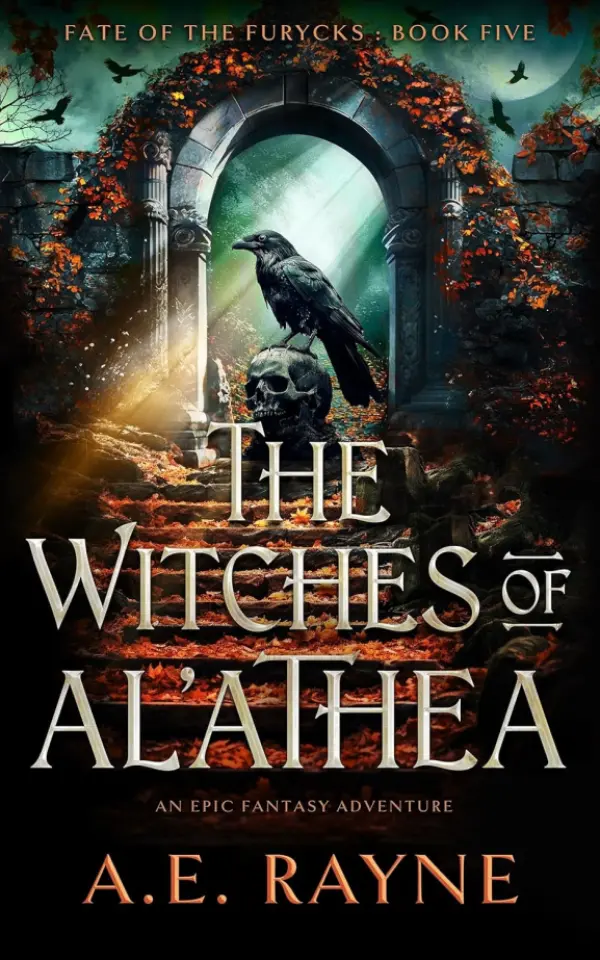
A. E. Rayne
Fate of the Furycks, book 5
Average Goodreads rating4.7
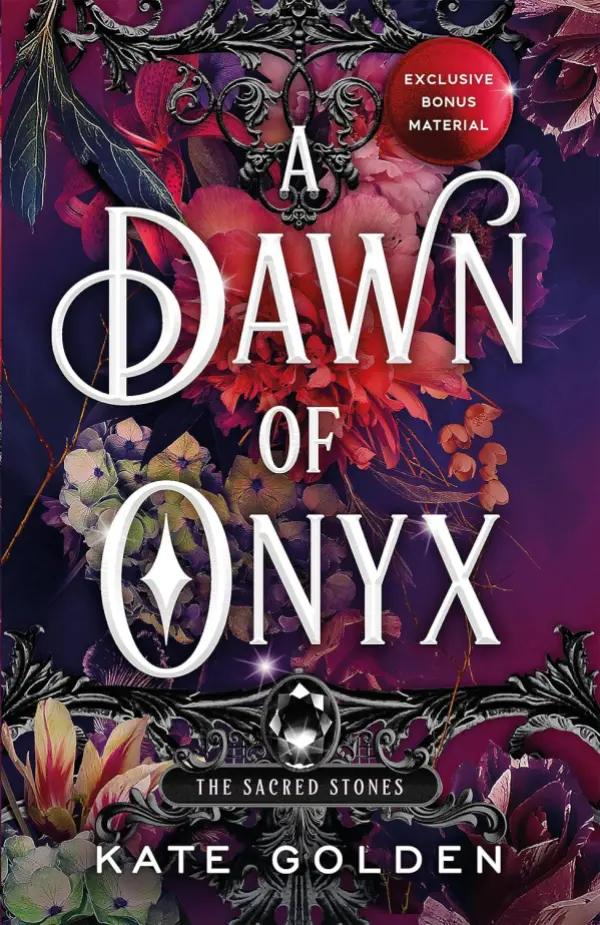
Kate Golden
Sacred Stones, book 1
Average Goodreads rating4.3
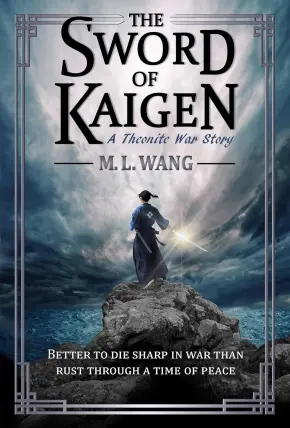
M. L. Wang
Average Goodreads rating4.6
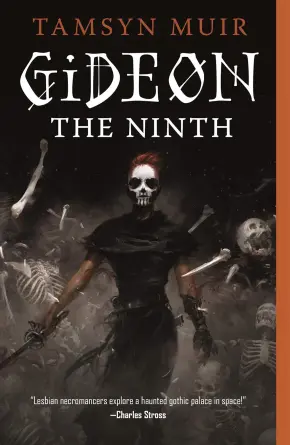
Tamsyn Muir
The Locked Tomb Series, book 1
Average Goodreads rating4.5
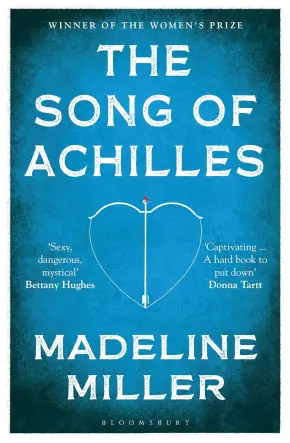
Madeline Miller
Average Goodreads rating4.5
Still Looking?
Further down our similarity list, but still sharing tropes and genres with this book.

George R. R. Martin
A Song of Ice and Fire, book 1
Average Goodreads rating4.7
Buy from Amazon (opens Amazon in a new tab)
Stephanie Garber
Caraval, book 1
Average Goodreads rating4.2
Buy from Amazon (opens Amazon in a new tab)
R. F. Kuang
The Poppy War, book 1
Average Goodreads rating4.3
Buy from Amazon (opens Amazon in a new tab)Jordanna Max Brodsky is a fantasy author known for mythological urban fantasy blending ancient gods, modern cities, power, and identity.
Books, series and tropes by Jordanna Max Brodsky
If The Sword of Kaigen shattered you with its blend of war, family, honour, and loss, these epic fantasy books deliver the same emotional devastation, cultural depth, and unforgettable character-driven storytelling.
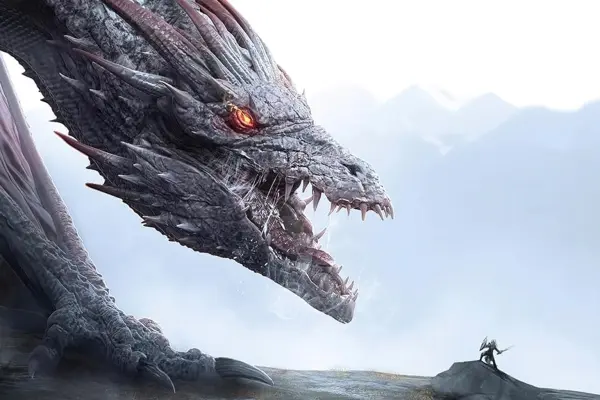
If The Shadow of the Gods by John Gwynne pulled you into a brutal Norse-inspired world of gods, monsters, and vengeance, these epic fantasy books deliver the same raw violence, mythic weight, and unforgettable battles.
The Wolf in the Whale
Buy from Amazon (opens Amazon in a new tab)Occasional emails with new recommendations, series news and trope round-ups.