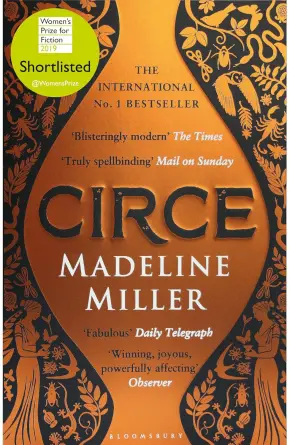
Circe
Madeline Miller
Average Goodreads rating4.5
- Morally Grey Characters
- Slow-burn Romance

Book trope · 16 books
At its core, this trope follows a character who doesn't quite fit — not in their family, their community, their species, or their own skin. The story becomes a reckoning with who they are versus who others need them to be.
More about the Exploration of Identity and Belonging trope4 are tagged with Exploration of Identity and Belonging individually. The others belong to a series tagged with it, which doesn’t mean every book in it features the trope, so they’re marked “Matched via its series”.
Updating books…
16 books found
Madeline Miller
Average Goodreads rating4.5
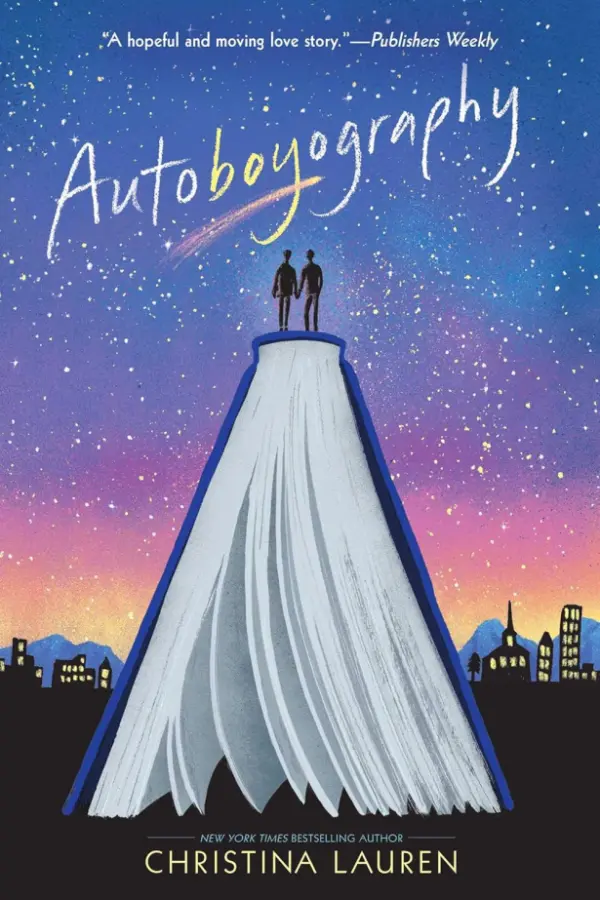
Christina Lauren
Average Goodreads rating4.6
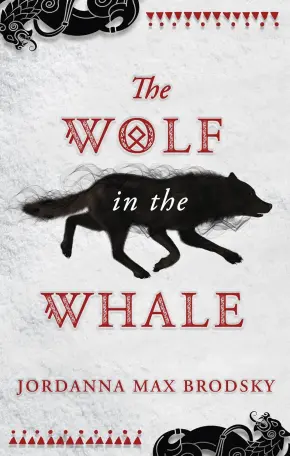
Jordanna Max Brodsky
Average Goodreads rating4.4
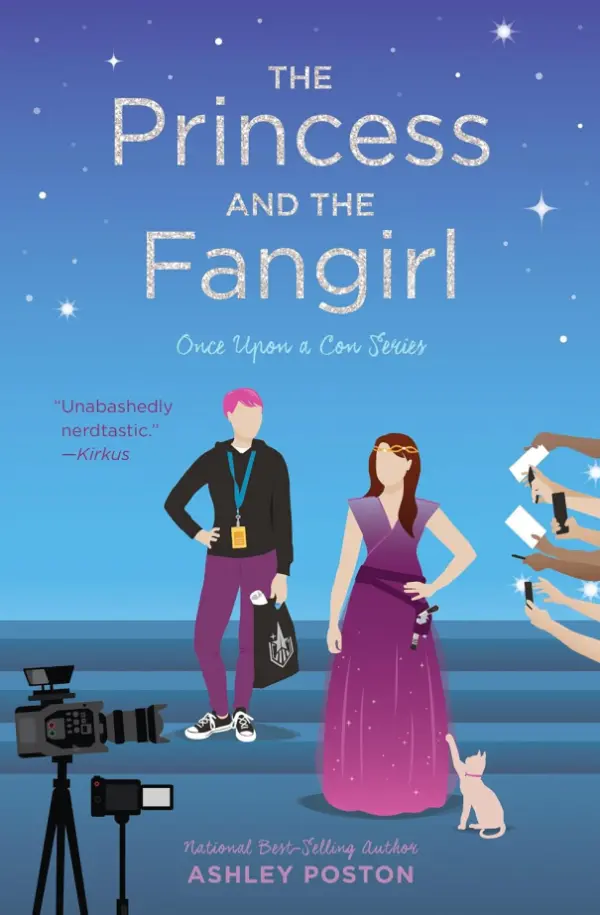
Ashley Poston
Once Upon A Con, book 2
Average Goodreads rating3.7
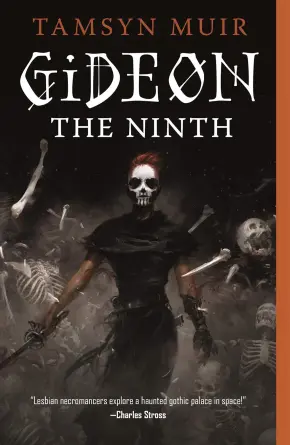
Tamsyn Muir
The Locked Tomb Series, book 1
Average Goodreads rating4.5
Matched via its series
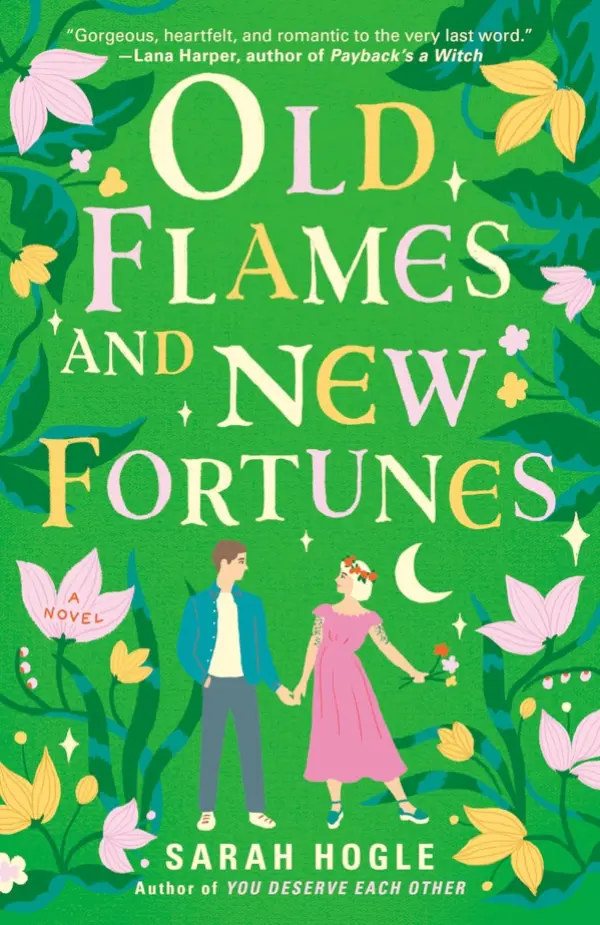
Sarah Hogle
Moonville, book 1
Average Goodreads rating3.5
Matched via its series
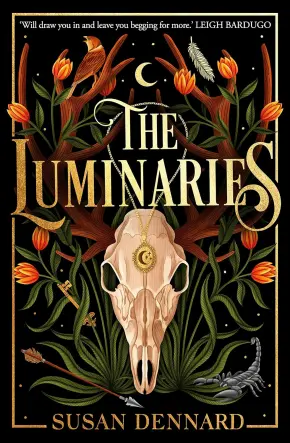
Susan Dennard
The Luminaries, book 1
Average Goodreads rating4.3
Matched via its series

Octavia E. Butler
The Patternist Series, book 1
Average Goodreads rating4.6
Matched via its series
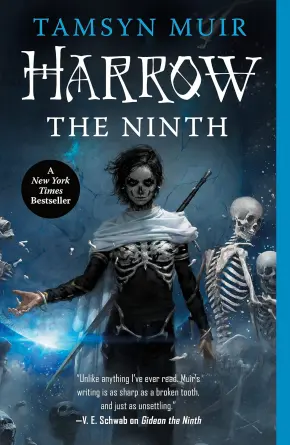
Tamsyn Muir
The Locked Tomb Series, book 2
Average Goodreads rating4.5
Matched via its series
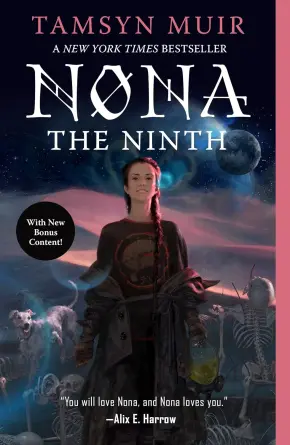
Tamsyn Muir
The Locked Tomb Series, book 3
Average Goodreads rating4.6
Matched via its series
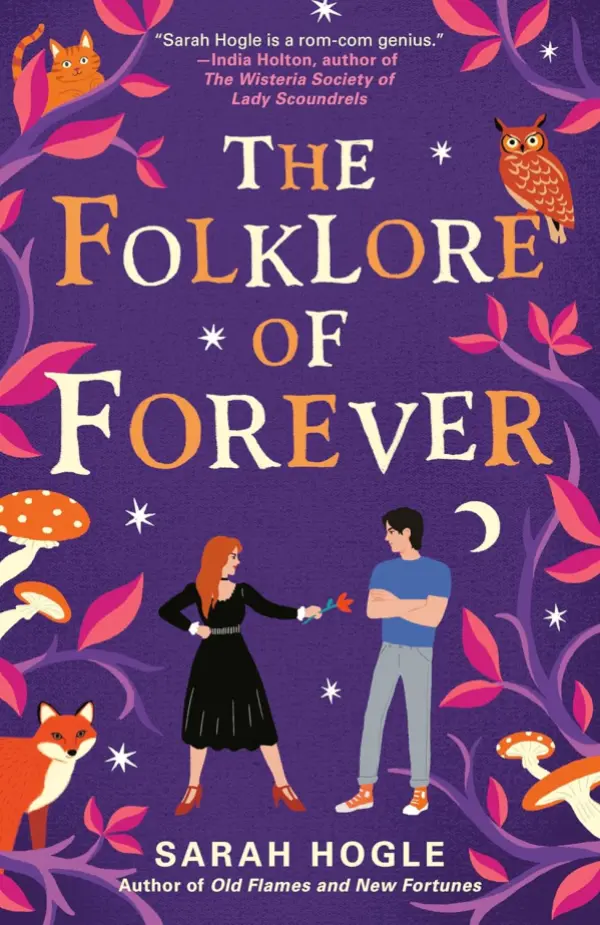
Sarah Hogle
Moonville, book 2
Average Goodreads rating3.2
Matched via its series
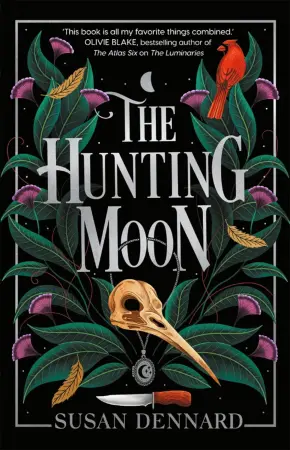
Susan Dennard
The Luminaries, book 2
Average Goodreads rating4.4
Matched via its series
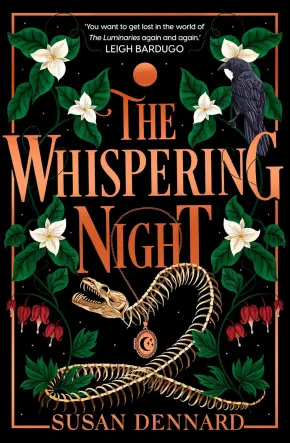
Susan Dennard
The Luminaries, book 3
Average Goodreads rating4.5
Matched via its series

Octavia E. Butler
The Patternist Series, book 3
Average Goodreads rating4.4
Matched via its series

Octavia E. Butler
The Patternist Series, book 2
Average Goodreads rating4.6
Matched via its series

Octavia E. Butler
The Patternist Series, book 4
Average Goodreads rating4.6
Matched via its series
Tropes that share the most books with Exploration of Identity and Belonging
At its core, this trope follows a character who doesn't quite fit — not in their family, their community, their species, or their own skin. The story becomes a reckoning with who they are versus who others need them to be. It's one of the most quietly powerful forces in fantasy and romance fiction, precisely because it asks the most human question imaginable: where do I belong, and does that place even exist yet?
The trope isn't simply about a character feeling out of place. It's about the active, often painful work of figuring out what self means when the mirrors you've been handed are warped or broken. Whether the character is a half-blood navigating two cultures that each reject them, a changeling discovering their origins are a lie, or someone who moved across the world only to find that belonging doesn't automatically travel with you, the emotional engine is the same: identity is something you build, not something you simply inherit.
Part of the appeal is universal. Very few people arrive at adulthood feeling wholly, uncomplicated at home somewhere. This trope puts language around that low hum of displacement. When a character finally finds their people, or makes peace with being between worlds, it offers readers something close to catharsis — not a solution handed to them, but the recognition that the search itself has value.
In romance, the belonging question gains an extra layer. Two people who've never quite fitted anywhere finding that they fit together is not a small thing. It recasts love as a kind of homecoming, which gives the emotional payoff enormous weight. In fantasy, the trope often maps onto world-building itself: characters discovering new cultures, renegotiating allegiances, or straddling magical and mortal realms become lenses through which readers examine their own more ordinary versions of the same negotiation.
The most common variation centres on heritage. A character discovers their bloodline, parentage, or cultural origin is not what they were told, and suddenly every assumption about themselves is up for revision. This version works so well in fantasy because the revelation can be made literal — a different species, a hidden kingdom, a suppressed magical ability.
A quieter variation follows the outsider who simply doesn't belong to the world they were born into. No dramatic origin reveal, just a persistent sense of wrongness that slowly resolves as the character builds chosen family and carves out a life that fits. This version tends to resonate most with readers who aren't looking for a twist, just recognition.
Then there's the diaspora or exile variation, which appears frequently in secondary-world fantasy with richly developed cultures. A character displaced from their homeland carries a version of themselves that the new world doesn't recognise. Belonging here becomes political as much as personal, tangled up with questions of assimilation, resistance, and what we owe the cultures that shaped us.
Stories built around this trope rarely offer clean resolutions. The best of them resist the temptation to deliver one perfect community as the answer, because that would suggest belonging is a destination rather than an ongoing relationship with yourself and others. Expect introspection, tension with secondary characters who represent the roads not taken, and a protagonist who is changed by their search — not simply rewarded for it.
Tone varies widely. Some authors handle the material with lyrical delicacy; others use it as the armature for propulsive plot. What stays consistent is the emotional stakes. If you've ever felt like a translation of yourself, this trope was made for you.
Occasional emails with new recommendations, series news and trope round-ups.