
Children of Time
Adrian Tchaikovsky
Children of Time, book 1
Average Goodreads rating4.5

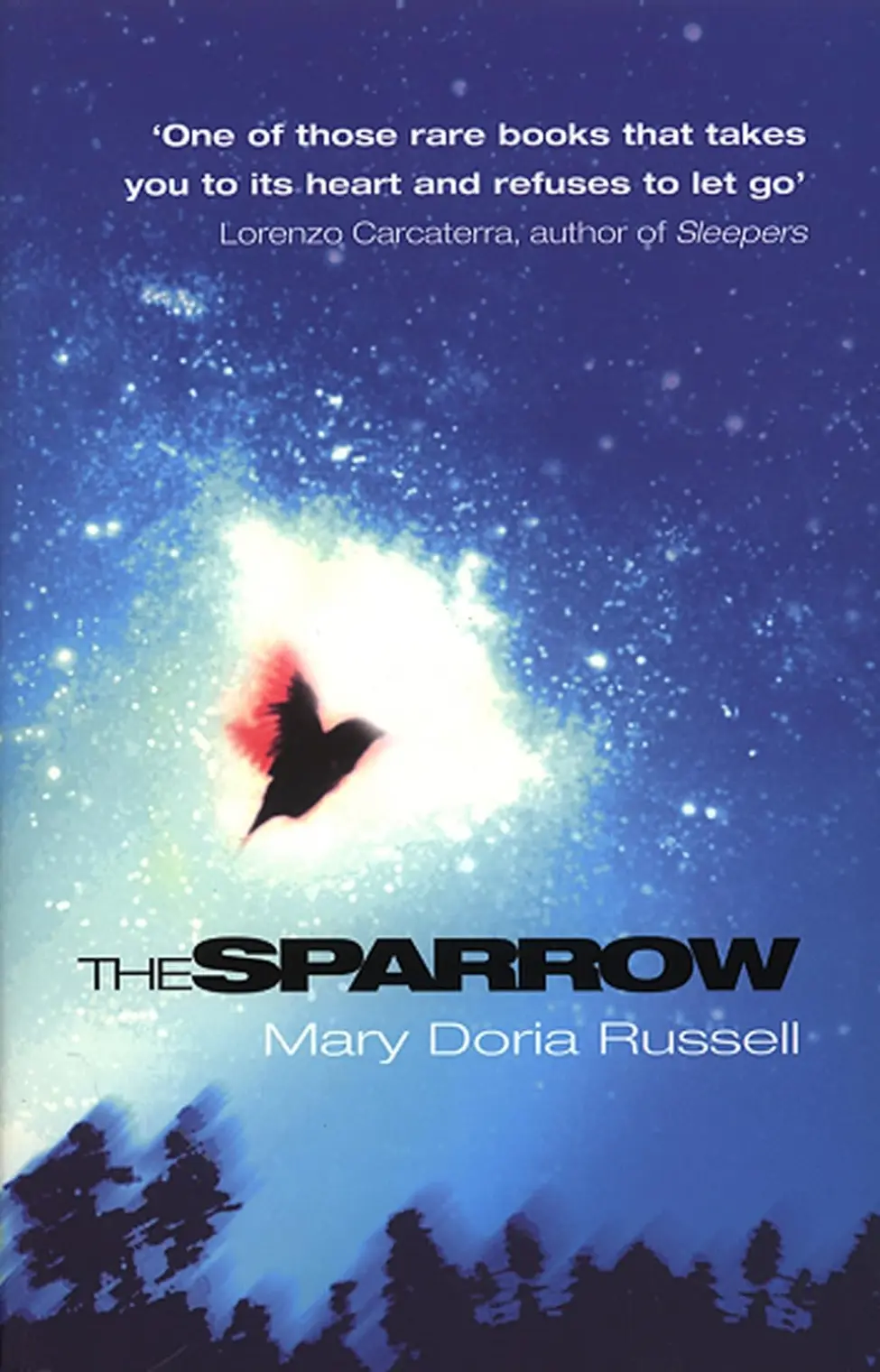
Book 1 in The Sparrow Series
We independently select and recommend books. Purchases made through our links may earn us a commission, at no extra cost to you. Prices and availability are set by each retailer.
The Sparrow by Mary Doria Russell follows a Jesuit mission to planet Rakhat after detecting alien music. This award-winning debut blends first contact, anthropology, theology, and tragedy through alternating timelines revealing catastrophic cultural collision.
Tagged on the series as a whole, so not every book will feature each one.
The Sparrow is Mary Doria Russell's 1996 debut novel that won multiple awards including the Arthur C. Clarke Award whilst establishing her as a major voice in literary science fiction. Following a Jesuit mission to the planet Rakhat after humanity detects beautiful music transmitted from the Alpha Centauri system, the novel explores first contact through anthropological and theological lenses whilst examining how well-intentioned people can cause catastrophe when encountering radically different cultures. Through alternating timelines - the mission's hopeful beginning and its sole survivor's traumatic return - Russell creates devastating narrative about faith, suffering, and the consequences of cultural collision.
The novel opens in 2059 with Emilio Sandoz, a Jesuit priest, returned to Earth as the only survivor of the Rakhat mission. He's physically mutilated, psychologically traumatized, and facing inquiry from Church hierarchy trying to understand what happened on humanity's first contact with alien intelligence. The present-day sections show Sandoz's reluctant testimony, his struggles with faith after experiencing events that shattered his understanding of God's presence, and the slow revelation of catastrophe.
Russell alternates these sections with the mission's origins and journey, beginning in 2019 when SETI astronomer Jimmy Quinn detects music from space - not random signals but complex, beautiful compositions suggesting intelligent, artistic life. The Society of Jesus, with its historical tradition of missionary exploration and cultural engagement, organizes the first mission, privately funded and launched before government bureaucracy can intervene.
The crew represents diverse expertise and perspectives: Emilio Sandoz, linguist and priest whose faith and abilities make him central to the mission; Anne Edwards, physician and Emilio's friend; her husband George, engineer; Sofia Mendes, brilliant AI specialist with traumatic past; Marc Robichaux, astronomer; and others whose relationships, conflicts, and growth during the eight-year journey create the emotional foundation for events on Rakhat.
Russell constructs Rakhat with anthropological rigor, creating a planet with two intelligent species - the gentle, herbivorous Runa who live in villages and sing the music that attracted humanity, and the carnivorous Jana'ata who dominate Runa society in ways the human visitors initially don't fully comprehend. The aliens aren't humans with different appearances but beings with their own biology, social structures, and moral frameworks that make sense within their evolutionary contexts whilst being genuinely alien to human understanding.
The mission begins with optimism - linguists learning languages, anthropologists observing cultures, priests hoping to understand alien spirituality. But the tragedy emerges from cultural misunderstandings, from humans projecting their frameworks onto alien societies operating under different assumptions, and from actions that seem benign within human morality but have devastating consequences within Rakhat's complex social ecology.
Russell uses the structure to create dramatic irony - readers watch characters making choices that seem reasonable whilst knowing catastrophe approaches, understanding that good intentions and genuine compassion aren't sufficient protection against consequences of cultural collision.
Themes of theodicy - reconciling faith with suffering - cultural misunderstanding, consequences of intervention, faith tested by tragedy, and whether genuine understanding between radically different beings is possible run throughout.
The ending provides resolution whilst setting up Children of God's exploration of aftermath.
Adrian Tchaikovsky
Children of Time, book 1
Average Goodreads rating4.5

Neal Shusterman
Arc of a Scythe, book 1
Average Goodreads rating4.5
Becky Chambers
Monk & Robot, book 2
Average Goodreads rating4.6
Andy Weir
Average Goodreads rating4.6
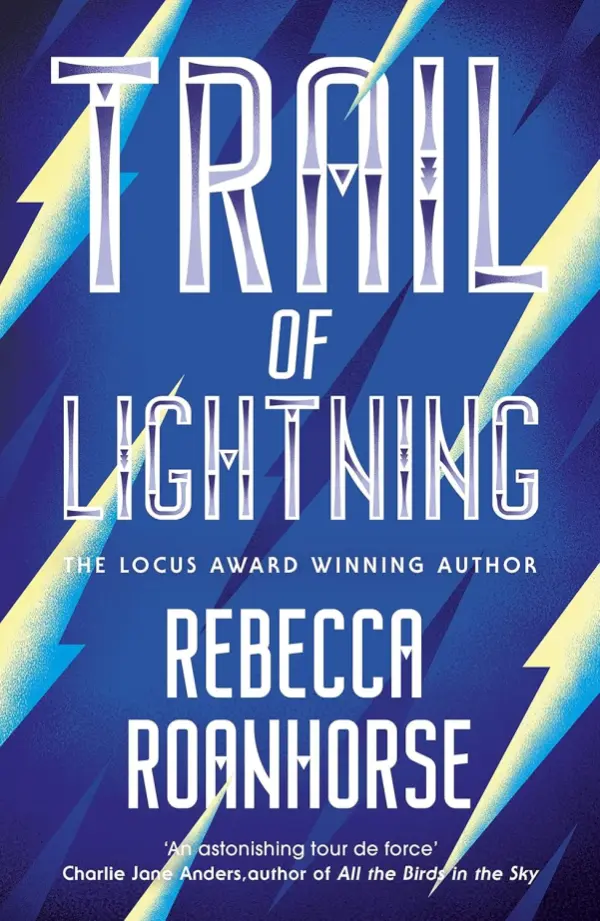
Rebecca Roanhorse
The Sixth World, book 1
Average Goodreads rating4.3
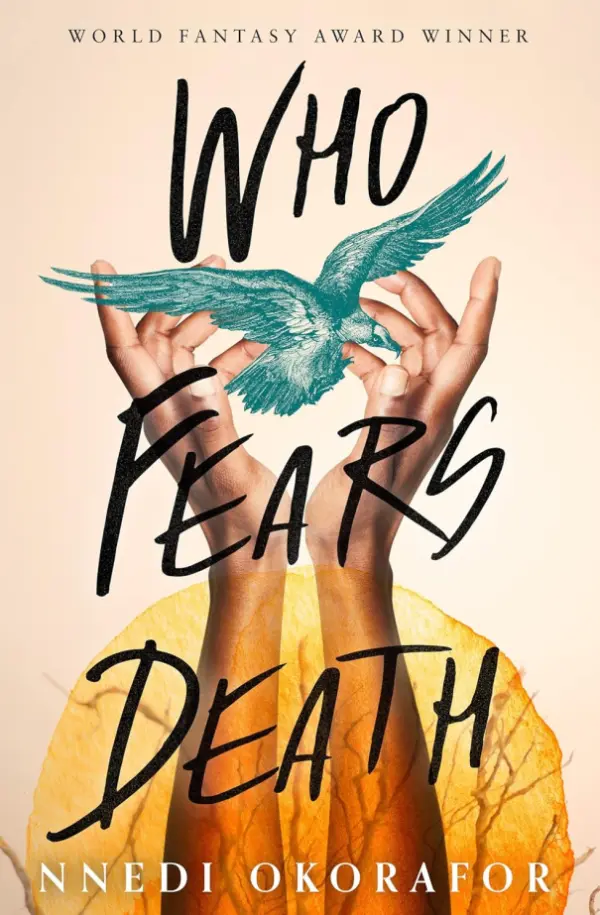
Nnedi Okorafor
Average Goodreads rating4.3
Still Looking?
Further down our similarity list, but still sharing tropes and genres with this book.
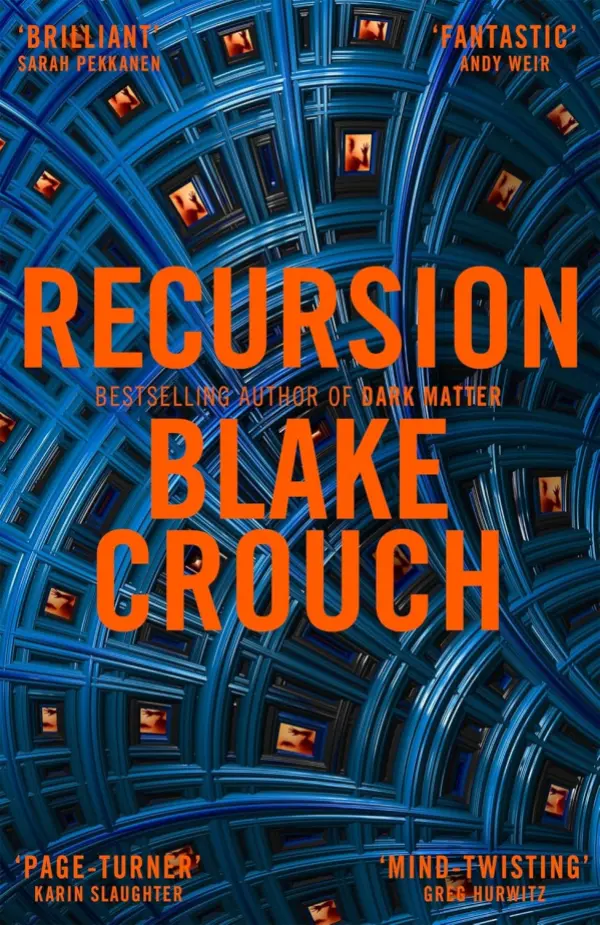
Blake Crouch
Average Goodreads rating4.4
Tahereh Mafi
Shatter Me, book 1
Average Goodreads rating4.2
Buy from Amazon (opens Amazon in a new tab)
Octavia E. Butler
The Xenogenesis Trilogy, book 1
Average Goodreads rating4.3
Buy from Amazon (opens Amazon in a new tab)Mary Doria Russell is an award-winning author known for The Sparrow and literary science fiction blending anthropology, theology, and philosophy. Her meticulously researched novels explore faith, first contact, historical figures, and humanity's complexity.
Books, series and tropes by Mary Doria RussellThe Sparrow
Buy from Amazon (opens Amazon in a new tab)Occasional emails with new recommendations, series news and trope round-ups.