
Children of Time
Adrian Tchaikovsky
Children of Time, book 1
Average Goodreads rating4.5

Book 2 in The Sparrow Series
We independently select and recommend books. Purchases made through our links may earn us a commission, at no extra cost to you. Prices and availability are set by each retailer.
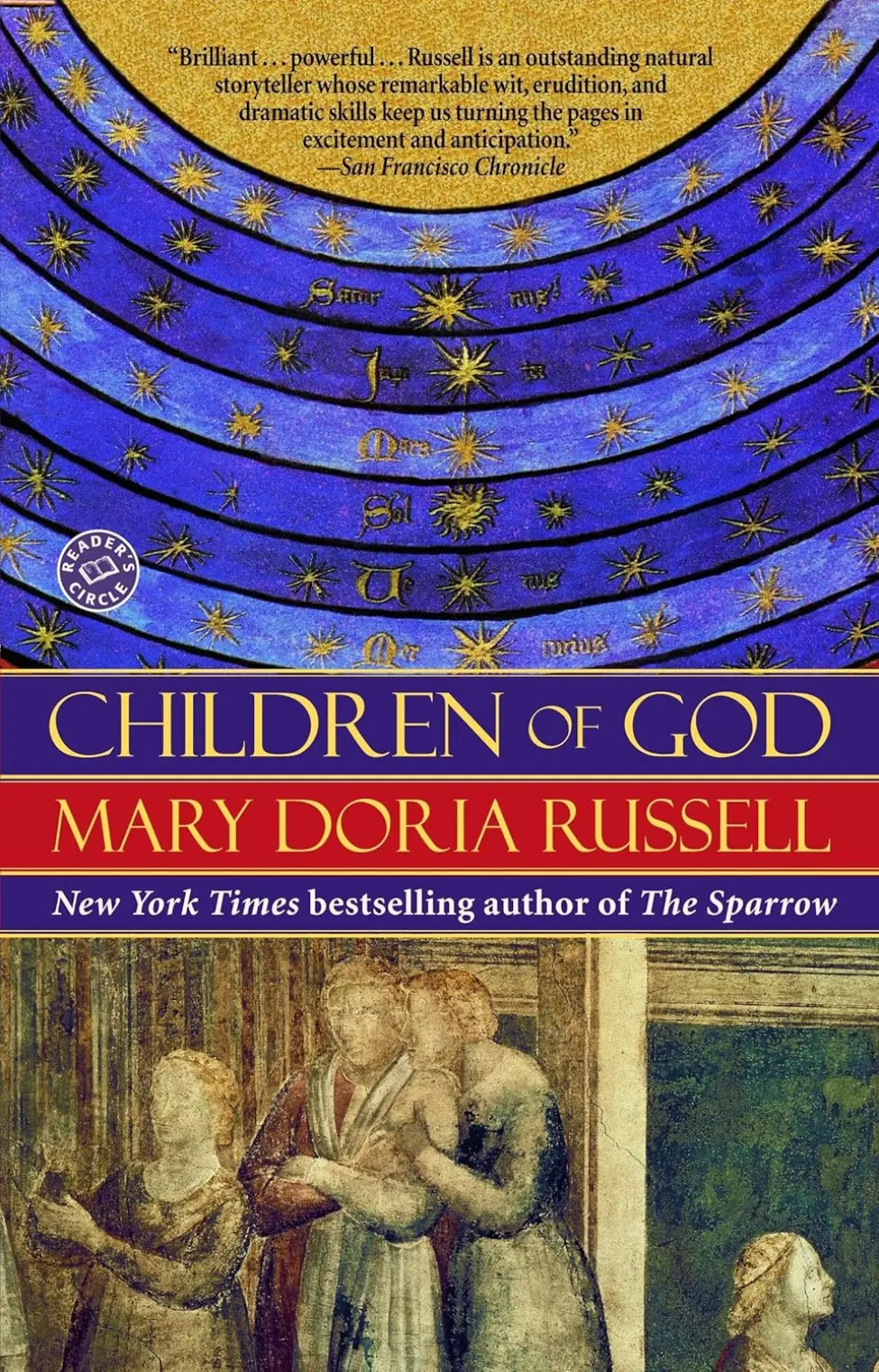
Children of God by Mary Doria Russell continues The Sparrow as humanity returns to Rakhat decades later. This 1998 sequel explores redemption, trauma, and consequences whilst examining how both alien societies and survivors have changed since first contact.
Tagged on the series as a whole, so not every book will feature each one.
Children of God is Mary Doria Russell's 1998 sequel to The Sparrow, continuing the story of humanity's contact with planet Rakhat whilst exploring themes of redemption, trauma, and whether understanding can emerge from catastrophe. Set decades after the disastrous first mission, the novel follows both the planned return to Rakhat - driven by political, scientific, and religious interests - and the reluctant participation of Emilio Sandoz, the sole survivor who swore never to return but finds himself forced back to the world that shattered his faith and body.
The novel opens with both Earth and Rakhat having changed in the decades since the first mission. On Earth, the revelation of alien life has transformed human society, with various factions pursuing their own interests regarding Rakhat - the Church seeking to understand what happened and possibly redeem the mission's reputation, governments wanting strategic advantage, and scientists eager for knowledge. Emilio Sandoz has spent years recovering physically and psychologically, rebuilding some semblance of life whilst carrying trauma that won't heal.
Russell explores how the Church and secular authorities, determined to return to Rakhat, manipulate circumstances to force Sandoz's participation despite his absolute resistance to revisiting the source of his suffering. The coercion raises questions about institutional power, whether ends justify means, and what the Church owes to someone who served and suffered on its behalf.
On Rakhat, the narrative reveals how the planet's societies have evolved since the first mission departed. The Runa and Jana'ata, the two intelligent species whose complex relationship the first mission only partially understood, face their own transformations driven partly by consequences of that initial contact. Russell explores how even brief encounters between cultures can catalyze changes neither side anticipated, examining both alien societies with the same anthropological rigor she applied in the first book.
The sequel introduces new human characters joining the return mission, each with their own motivations and perspectives, whilst also developing characters from the first book who survived or whose stories continued beyond the initial tragedy. The relationships between returning humans, new arrivals, and Rakhat's native populations create multiple narrative threads exploring different aspects of cultural collision, understanding, and change.
Russell uses the expanded timeframe to examine long-term consequences - how trauma affects individuals across decades, how societies adapt to revelations about other intelligences, and whether redemption is possible after catastrophe. The theological questions from The Sparrow continue whilst the sequel explores whether Sandoz can reconcile his experiences with faith, whether the Church can make amends, and what genuine understanding between humans and aliens might require.
The alien perspectives receive greater development as Russell shows Runa and Jana'ata characters with their own agency, desires, and responses to humanity's presence, moving beyond solely human viewpoints to explore how the aliens themselves navigate the changes contact has brought to their world.
Themes of redemption and trauma, long-term consequences of first contact, institutional power and manipulation, whether understanding is possible after tragedy, faith rebuilt or abandoned, and how societies transform through cultural collision run throughout.
The novel provides resolution for the duology whilst honouring the complexity of questions raised across both books.
Adrian Tchaikovsky
Children of Time, book 1
Average Goodreads rating4.5

Neal Shusterman
Arc of a Scythe, book 1
Average Goodreads rating4.5
Becky Chambers
Wayfarers, book 1
Average Goodreads rating4.4
Andy Weir
Average Goodreads rating4.6
Rebecca Roanhorse
The Sixth World, book 1
Average Goodreads rating4.3
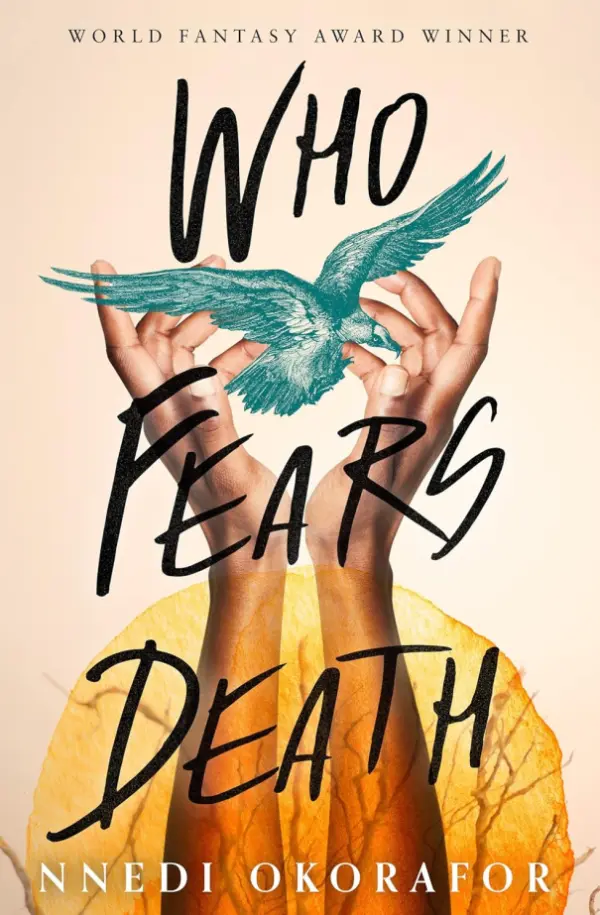
Nnedi Okorafor
Average Goodreads rating4.3
Still Looking?
Further down our similarity list, but still sharing tropes and genres with this book.
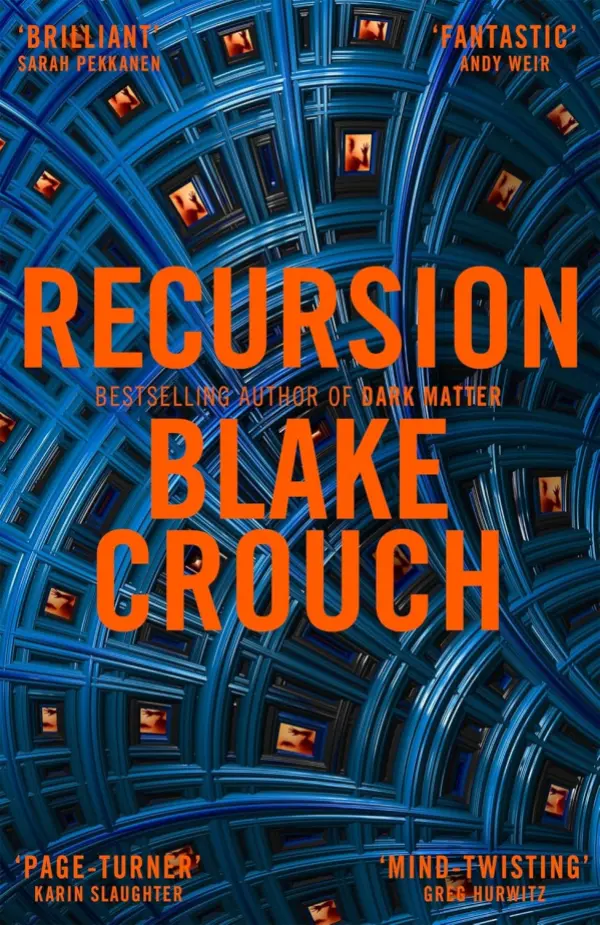
Blake Crouch
Average Goodreads rating4.4
Tahereh Mafi
Shatter Me, book 1
Average Goodreads rating4.2
Buy from Amazon (opens Amazon in a new tab)
Octavia E. Butler
The Xenogenesis Trilogy, book 1
Average Goodreads rating4.3
Buy from Amazon (opens Amazon in a new tab)Mary Doria Russell is an award-winning author known for The Sparrow and literary science fiction blending anthropology, theology, and philosophy. Her meticulously researched novels explore faith, first contact, historical figures, and humanity's complexity.
Books, series and tropes by Mary Doria RussellChildren of God
Buy from Amazon (opens Amazon in a new tab)Occasional emails with new recommendations, series news and trope round-ups.