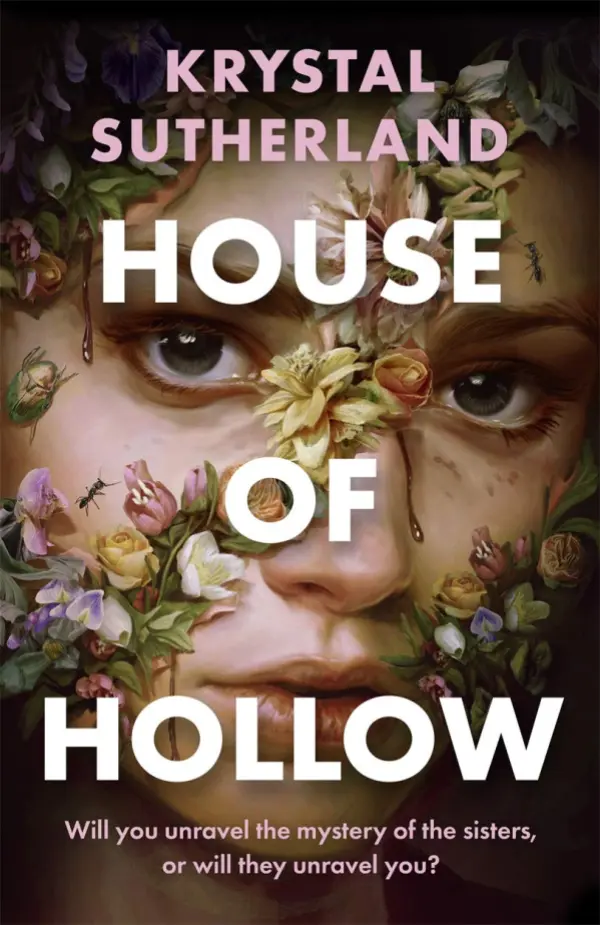
House of Hollow
Krystal Sutherland
Average Goodreads rating4.2
- Gothic Fantasy
- First-Person POV

Book trope · 4 books
YA Mystery sits at the crossroads of coming-of-age storytelling and classic whodunit intrigue. At its core, it's a story in which a teenage protagonist — usually curious to a fault, often underestimated by the adults around them — finds themselves tangled up in a puzzle that needs solving.
More about the YA Mystery trope1 is tagged with YA Mystery individually. The others belong to a series tagged with it, which doesn’t mean every book in it features the trope, so they’re marked “Matched via its series”.
Updating books…
4 books found
Krystal Sutherland
Average Goodreads rating4.2
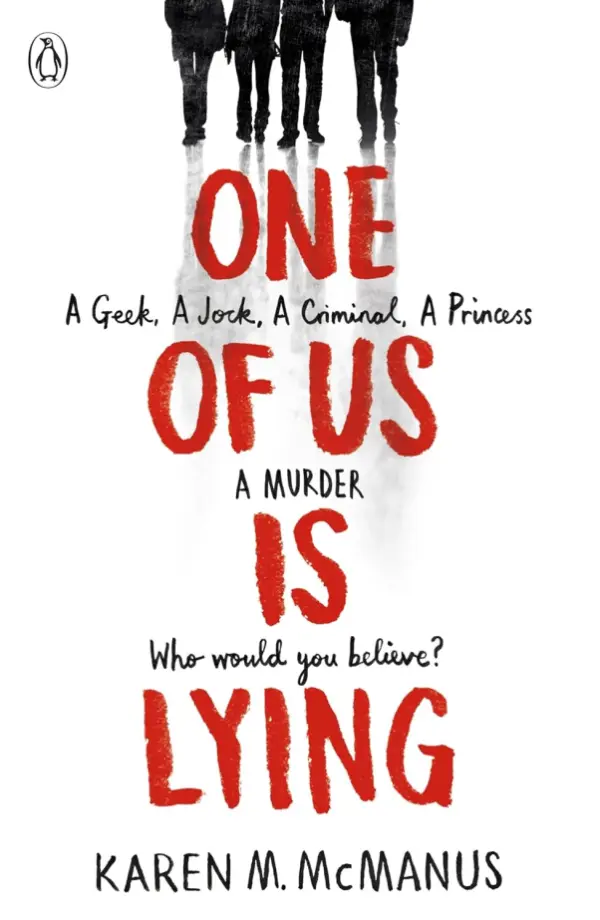
Karen M. McManus
One of Us is Lying, book 1
Average Goodreads rating4.5
Matched via its series
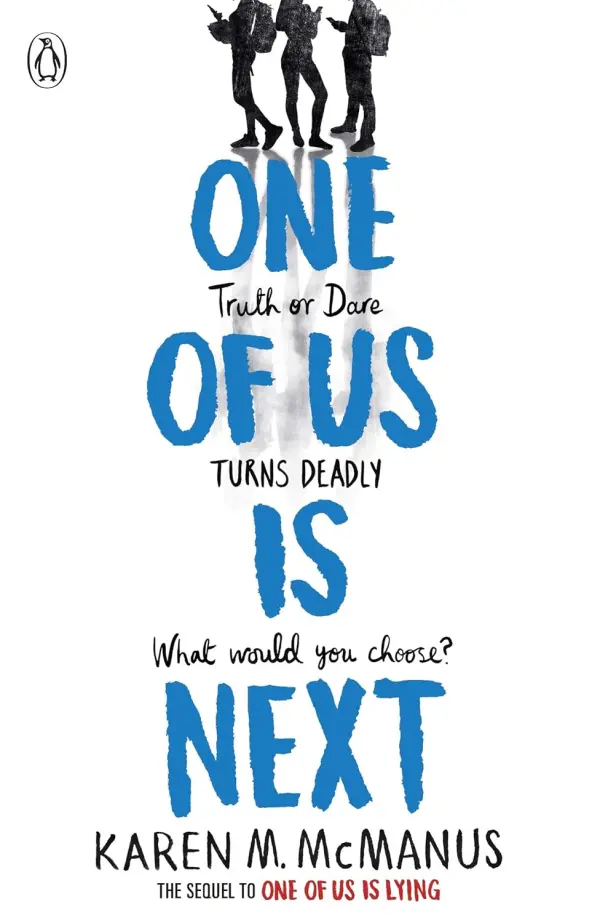
Karen M. McManus
One of Us is Lying, book 2
Average Goodreads rating4.6
Matched via its series
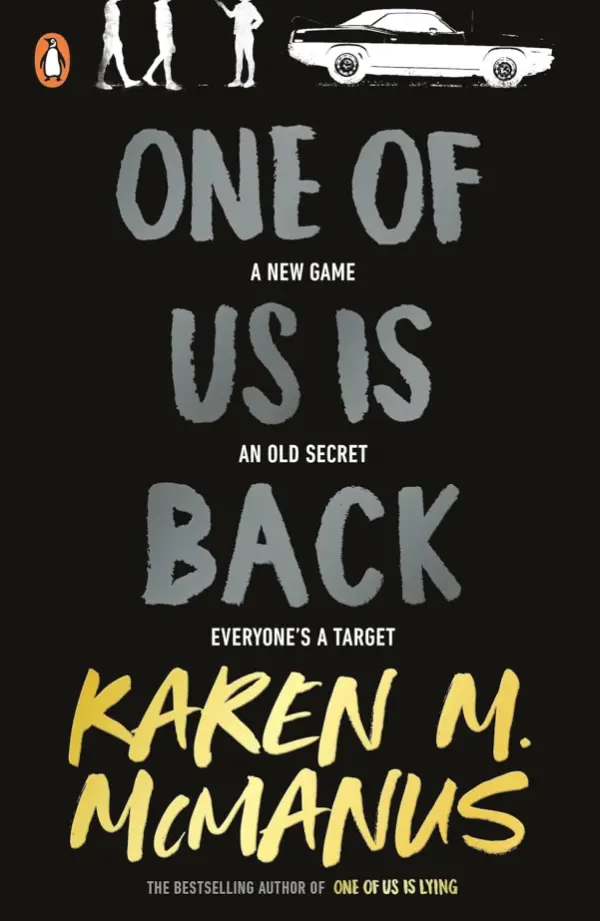
Karen M. McManus
One of Us is Lying, book 3
Average Goodreads rating4.6
Matched via its series
Tropes that share the most books with YA Mystery
YA Mystery sits at the crossroads of coming-of-age storytelling and classic whodunit intrigue. At its core, it's a story in which a teenage protagonist — usually curious to a fault, often underestimated by the adults around them — finds themselves tangled up in a puzzle that needs solving. A missing person, a suspicious death, a town secret buried just deep enough to feel dangerous. The mystery isn't just a plot device; it's the engine that drives the character forward, forcing them to grow, question, and sometimes doubt everything they thought they knew.
What makes it distinct from adult crime fiction is the lens. These stories are filtered through youth — through the particular frustration of being smart enough to see what's happening but too young for anyone to take you seriously. That tension between capability and credibility is one of the genre's most reliable pleasures.
There's something irresistible about a young investigator who refuses to let things go. Teenage protagonists in mysteries tend to have a personal stake — a best friend who vanished, a classmate whose death was ruled an accident too quickly, a family secret that's starting to unravel at the seams. Because the stakes are intimate rather than professional, the emotional pull is immediate.
Readers also love the parity it creates. You're figuring things out at roughly the same pace as the protagonist, piecing together clues from the same limited vantage point. There's no seasoned detective with decades of instinct to lean on — just sharp observation, a willingness to ask uncomfortable questions, and the occasional reckless decision that makes you hold your breath.
YA Mystery tends to lean into setting more heavily than many other YA subgenres. Small towns with long memories. Boarding schools with locked wings. Summer holidays that turn sinister. The environment often functions almost as a character in its own right, with its history and atmosphere pressing in on the investigation from all sides.
The social dynamics of adolescence add a layer that adult mysteries rarely have. Cliques, loyalty, secrets kept for years to protect a reputation — these aren't just background noise, they're frequently what the mystery is built from. And because the protagonist is embedded in the community they're investigating, betrayal lands harder when it comes.
Tone varies considerably across the subgenre. Some YA mysteries are tightly plotted and nearly clinical in their construction, rewarding readers who track every detail. Others are more atmospheric, prioritising dread and unease over clever mechanics. A growing number blend mystery with other YA staples — romance, the supernatural, or social commentary — without losing the central pull of the unsolved question.
Cold cases and historical mysteries have become increasingly popular, letting authors build in dramatic irony and research-heavy depth. Dual timelines — alternating between the original crime and the present-day investigation — are a particularly common structural choice, keeping readers oriented in two different puzzles at once.
There's also a strong tradition of amateur sleuth stories in which the protagonist has no particular reason to be investigating except that they can't leave it alone. No special skills, no authority, just stubbornness and observation. These tend to be the most character-driven entries in the subgenre, because the investigation itself becomes a form of self-discovery.
Some of the sharpest examples use the mystery framework to examine wider issues — systemic injustice, how communities protect certain people and sacrifice others, the gap between official narratives and lived experience. The mystery is the hook, but what lingers is the question of who gets believed.
If you've ever stayed up far too late because you absolutely needed to know who did it, you already know why this subgenre has such a grip on readers of every age.
Occasional emails with new recommendations, series news and trope round-ups.