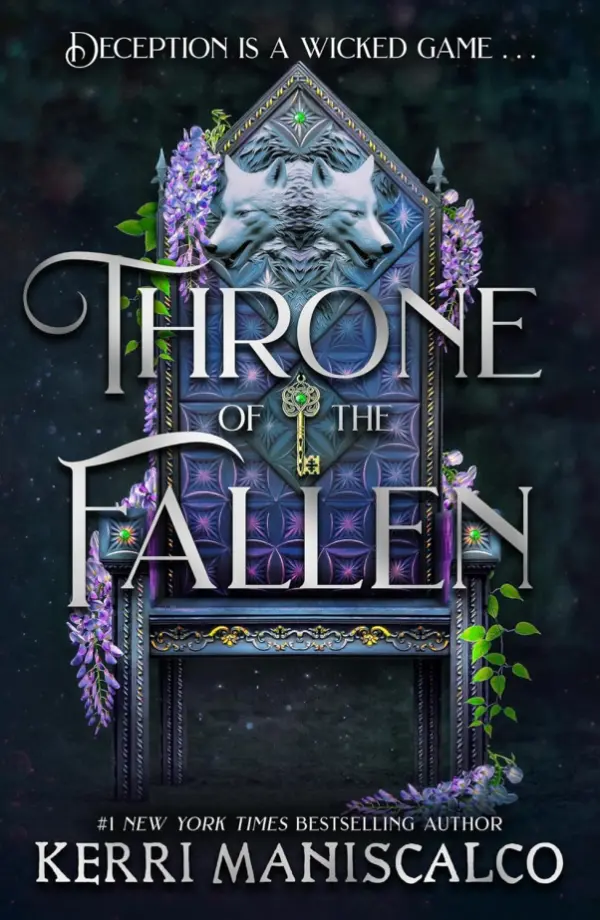
Throne of the Fallen
Kerri Maniscalco
Prince of Sin, book 1
Average Goodreads rating4.0
Matched via its series

Book trope · 3 books
Demon Courts are exactly what they sound like — and so much more dangerous than that implies. At their core, this trope places characters inside the formal political and social hierarchies of demonic society: thrones, noble houses, councils of ancient power, rituals of fealty, and all the scheming intrigue you'd expect…
More about the Demon Courts trope0 are tagged with Demon Courts individually. The others belong to a series tagged with it, which doesn’t mean every book in it features the trope, so they’re marked “Matched via its series”.
Updating books…
3 books found
Kerri Maniscalco
Prince of Sin, book 1
Average Goodreads rating4.0
Matched via its series
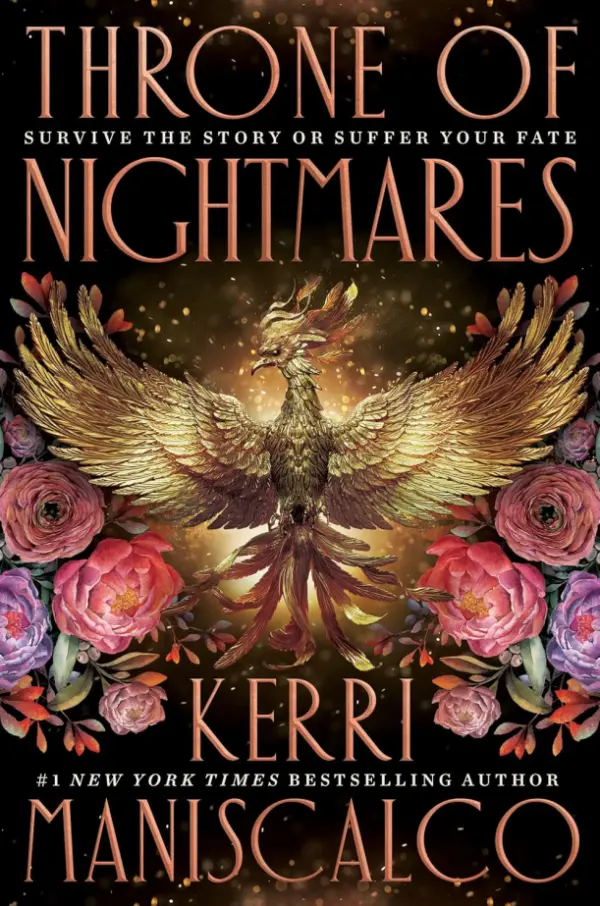
Kerri Maniscalco
Prince of Sin, book 3
Average Goodreads rating4.0
Matched via its series
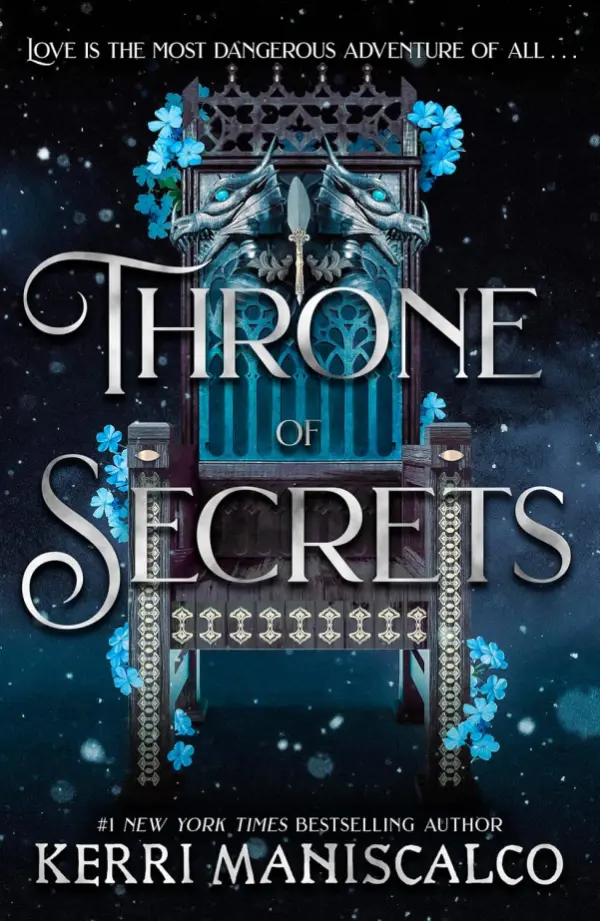
Kerri Maniscalco
Prince of Sin, book 2
Average Goodreads rating4.0
Matched via its series
Tropes that share the most books with Demon Courts
Demon Courts are exactly what they sound like — and so much more dangerous than that implies. At their core, this trope places characters inside the formal political and social hierarchies of demonic society: thrones, noble houses, councils of ancient power, rituals of fealty, and all the scheming intrigue you'd expect from a royal court, except everyone has claws. The demons aren't just villains lurking in shadow. They have titles, alliances, grudges that span centuries, and rules — often arbitrary, often lethal — that must be navigated with care.
Readers love this trope because it delivers two pleasures at once. There's the gothic thrill of genuinely dangerous, inhuman beings who don't share human morality. And there's the razor-sharp tension of court politics, where a wrong word or a poorly timed bow can be just as fatal as a blade. The combination makes every scene feel charged.
The key ingredient isn't just that demons exist — it's that they've built something. Hierarchies. Ceremonies. Power structures that have their own internal logic, however alien. Often a mortal or half-mortal protagonist finds themselves thrust into this world, suddenly subject to laws they don't fully understand, surrounded by beings far older and stronger who are watching for any sign of weakness.
Demon Courts almost always come with a strict etiquette system, and breaking those rules — even accidentally — carries consequences. This creates a particular kind of slow-burn tension that's distinct from action-based fantasy. The danger is social and political as much as physical. A character might survive a fight but be destroyed by saying the wrong thing to the wrong lord at a feast.
Romantic subplots are extremely common here, often taking the form of enemies-to-lovers or forbidden attraction between a human and a demon noble. The power imbalance is baked into the setting, which adds urgency and complexity to any developing relationship.
Some versions of the trope focus on a mortal who has been claimed, bargained away, or won in a game of chance, arriving at court with no allies and no knowledge of the rules. Others centre on characters who are half-demon themselves, caught between worlds and trusted fully by neither. There are darker interpretations where the court is genuinely predatory and survival depends on wit alone, and lighter, more romantically focused versions where the danger is largely a backdrop for an intense central relationship.
The visual and architectural language varies too. Some Demon Courts are lavish and decadent, all black marble and candlelight. Others are stranger — built on planes that don't follow physical logic, where rooms shift and time moves differently. The setting itself often functions as a character, reflecting the power of whoever holds the throne.
There's something deeply compelling about watching a character learn to play a game where they don't know all the pieces. Demon Courts strip away any sense of safety a protagonist might have in a more familiar fantasy setting. The rules are different. The stakes are personal. And the beings around them are ancient enough to be genuinely unpredictable.
This trope also gives writers space to explore what power actually looks like when it's fully unchecked — and what it costs to hold your own against it. If you want political intrigue with genuine teeth, this is the trope that delivers.
Occasional emails with new recommendations, series news and trope round-ups.