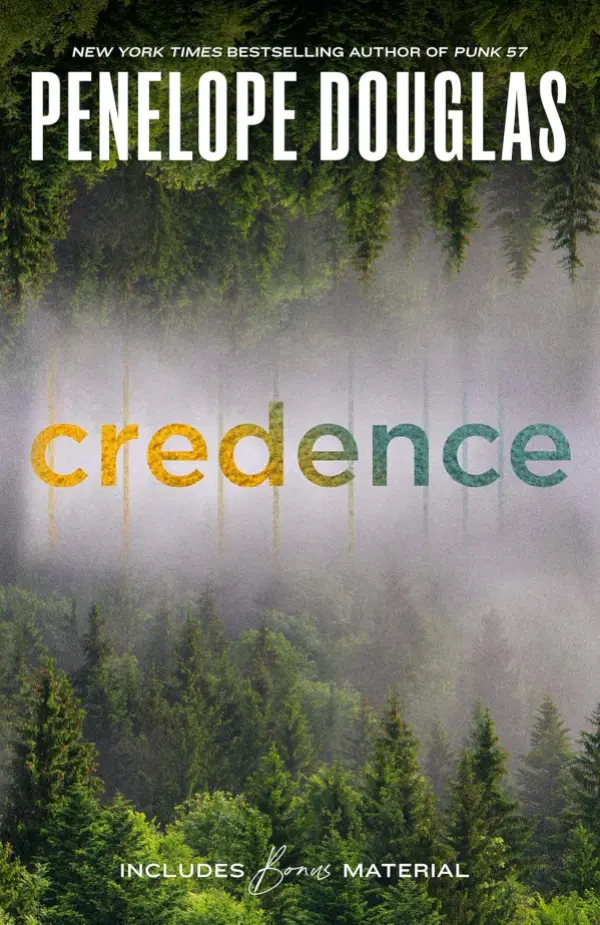
Credence
Average Goodreads rating4.2
- Forbidden Romance
- Morally Grey Characters

Author · American
enelope Douglas is a bestselling author known for dark, angsty contemporary romance and new adult fiction. Celebrated for bully romance, enemies-to-lovers dynamics, and morally grey characters, she crafts intense, emotionally charged stories with high steam.
New to Penelope Douglas? A popular place to start
Credence by Penelope Douglas follows Tiernan, sent to live with her estranged uncle and his two sons in rural Colorado after tragedy. This controversial standalone explores forbidden desires, isolation, and complicated relationships in the remote wilderness.
Picked from Penelope Douglas’s most widely rated books on Goodreads, starting at the beginning of its series.
Retailer links may earn Trope Trove a commission, at no extra cost to you.
Not part of a series listed on Trope Trove
Average Goodreads rating4.2
Penelope Douglas is an American author who has become one of contemporary romance's most popular voices, particularly in the new adult and dark romance subgenres. Known for pushing boundaries with taboo themes, bully romance, enemies-to-lovers intensity, and morally grey antiheroes, Douglas crafts emotionally charged stories that explore power dynamics, trauma, redemption, and the complicated line between love and obsession. Her books dominate BookTok and have achieved massive commercial success, establishing her as a go-to author for readers seeking angsty, steamy romance that doesn't shy from darkness.
Douglas's career launched with the Fall Away series, beginning with Bully (2013), which helped establish the bully romance subgenre. Following Tate and Jared's toxic, intense relationship from childhood friends to enemies to lovers, the series showcased Douglas's talent for writing damaged characters, explosive chemistry, and relationships that balance darkness with emotional growth. The series' success - Bully, Until July, Falling Away, Aflame, and Next to Never - established her as a new adult powerhouse.
The Devil's Night series became Douglas's most acclaimed work. Corrupt (2015), Hideaway (2018), Kill Switch (2019), Nightfall (2020), and Fire Night (2023) follow a group of wealthy, privileged friends who engage in an annual tradition of Halloween chaos and revenge. The series is notably dark - featuring kidnapping, manipulation, power imbalances, and morally grey heroes who commit genuinely problematic acts. Yet Douglas creates compelling character arcs showing growth, vulnerability beneath toxic masculinity, and ultimately redemption without erasing the darkness. The series appeals to readers seeking dark romance that acknowledges its characters' flaws whilst delivering intensely passionate relationships.
Punk 57 (2016) offers slightly lighter fare - a mistaken identity romance where pen pals who've never met face to face discover unexpected connections whilst navigating high school social hierarchies. The book showcases Douglas's range beyond her darkest work whilst maintaining the angst and chemistry her readers expect.
The Hellbent series and various standalones demonstrate Douglas's prolific output and consistent ability to deliver what fans want: alpha antiheroes with dark pasts, heroines who challenge rather than submit, explosive sexual tension, and emotional intensity that keeps readers up all night.
Douglas's writing is characterized by bully romance and enemies-to-lovers dynamics, dark themes (kidnapping, revenge, power imbalances), morally grey antiheroes, high steam/explicit content, new adult settings (often high school/college), wealthy, privileged characters, found family amongst friends, dual POV, and emotional angst balanced with passion.
Common themes include trauma and healing (but not being "fixed"), power dynamics in relationships, revenge and redemption, toxic masculinity and growth beyond it, loyalty amongst friends, class and privilege, challenging social hierarchies, and obsessive love.
Douglas's prose is accessible and emotionally direct, creating immediate intimacy with characters' internal struggles. The romance is explicit and central - Douglas writes steamy scenes that serve both character development and reader satisfaction. The darkness isn't gratuitous but serves exploration of how damaged people find connection.
What distinguishes Douglas is her commitment to morally grey characters without easy redemption arcs. Her antiheroes commit genuinely problematic acts - bullying, manipulation, sometimes criminal behavior - and Douglas doesn't erase this darkness when they fall in love. Instead, she shows growth alongside acknowledgment of harm done, creating complex relationships that spark intense reader debate about what's romantic versus what's toxic.
The bully romance subgenre she helped popularize is controversial - some readers find the power dynamics problematic, others appreciate the fantasy exploration of intense, complicated dynamics within safe fictional spaces. Douglas navigates this by showing consequences, character growth, and heroines who challenge rather than simply accept toxic behavior.
Her BookTok success stems from perfectly executed tropes, quotable angsty moments, and passionate fan discussions about whether her antiheroes deserve forgiveness.
Penn Cole
The Kindred's Curse Saga, book 1
Average Goodreads rating4.4

Sarah J. Maas
A Court of Thorns and Roses (ACOTAR), book 1
Average Goodreads rating4.5
Jennifer L. Armentrout
Blood And Ash, book 1
Average Goodreads rating4.6
Kate Golden
Sacred Stones, book 1
Average Goodreads rating4.3
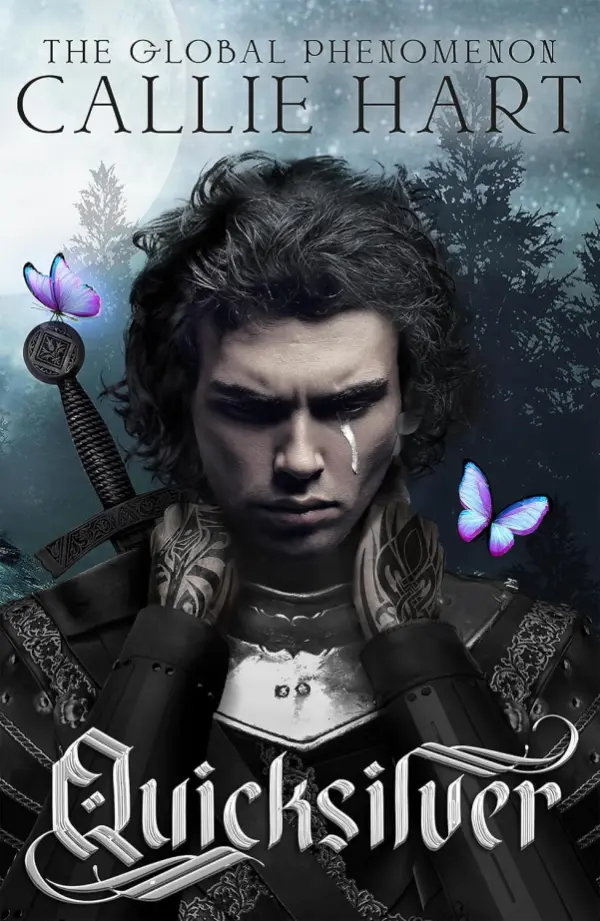
Callie Hart
Fae & Alchemy, book 1
Average Goodreads rating4.6
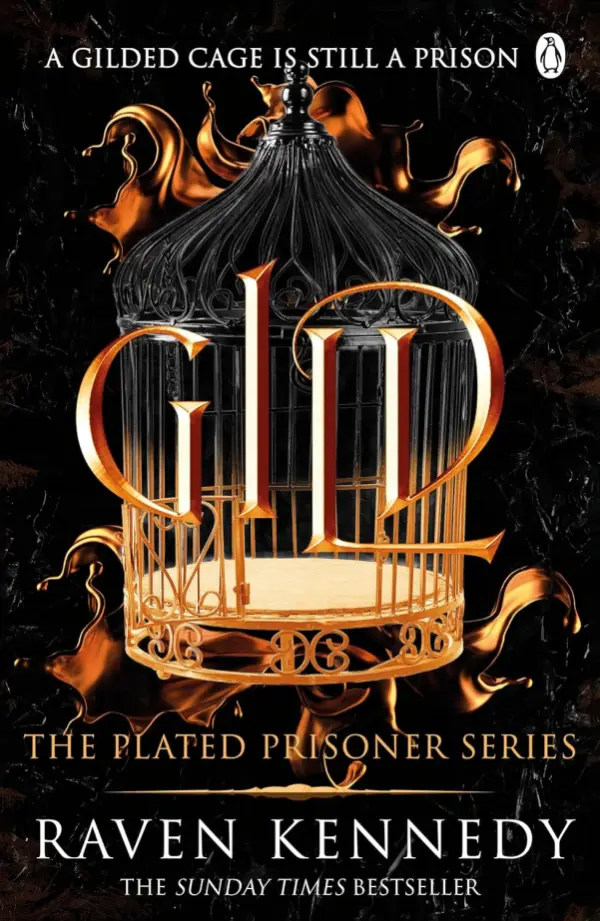
Raven Kennedy
The Plated Prisoner Series, book 1
Average Goodreads rating4.0
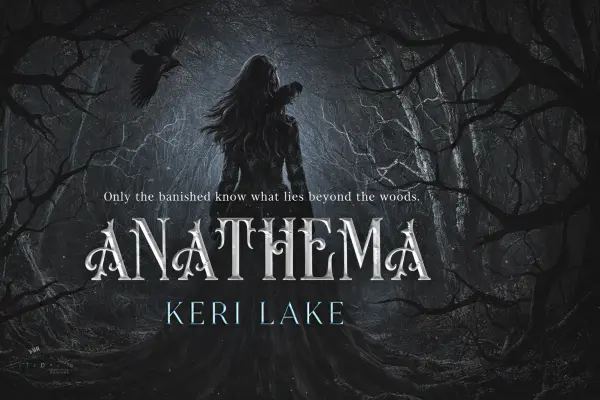
If you devoured Anathema's gothic atmosphere, morally grey anti-hero, and all-consuming romance, discover 13 dark fantasy romances with the same addictive blend of danger, obsession, and devotion.
Occasional emails with new recommendations, series news and trope round-ups.