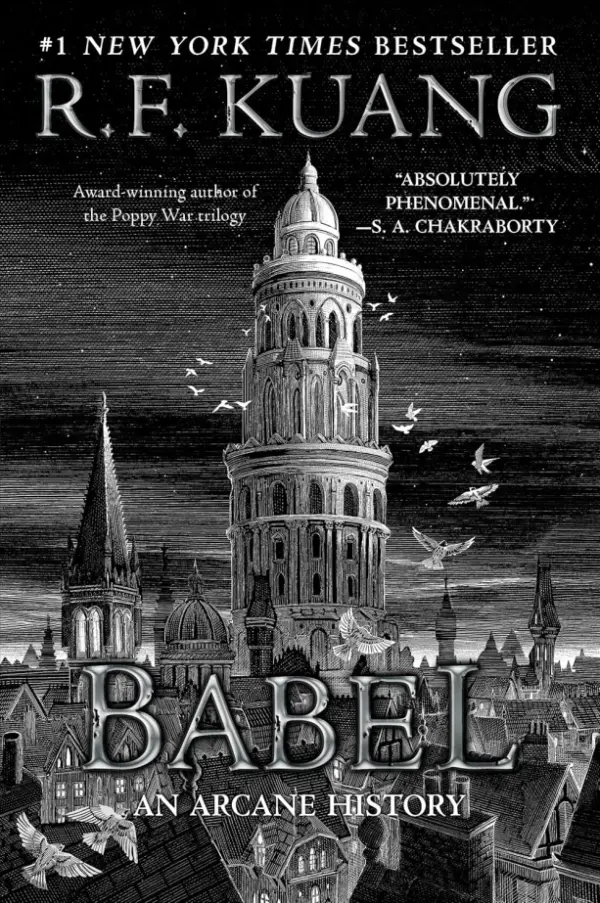
Babel
R. F. Kuang
Average Goodreads rating4.2
- Rebellion Against Oppressive System
- Political and Social Commentary

Book trope · 13 books
Fantasy and romance have always drawn on mythology, history, and culture to build their worlds, and Asian-inspired fiction represents one of the most vibrant corners of that tradition.
More about the Asian-inspired trope1 is tagged with Asian-inspired individually. The others belong to a series tagged with it, which doesn’t mean every book in it features the trope, so they’re marked “Matched via its series”.
Updating books…
13 books found
R. F. Kuang
Average Goodreads rating4.2
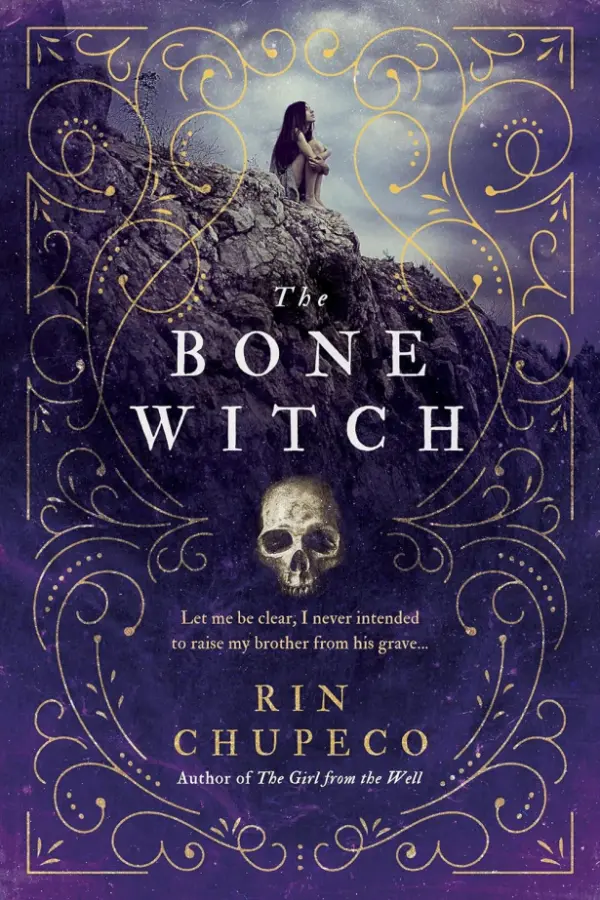
Rin Chupeco
The Bone Witch, book 1
Average Goodreads rating4.3
Matched via its series

Fonda Lee
The Green Bone Saga, book 1
Average Goodreads rating4.3
Matched via its series

Jay Kristoff
The Lotus War, book 1
Matched via its series

R. F. Kuang
The Poppy War, book 1
Average Goodreads rating4.3
Matched via its series
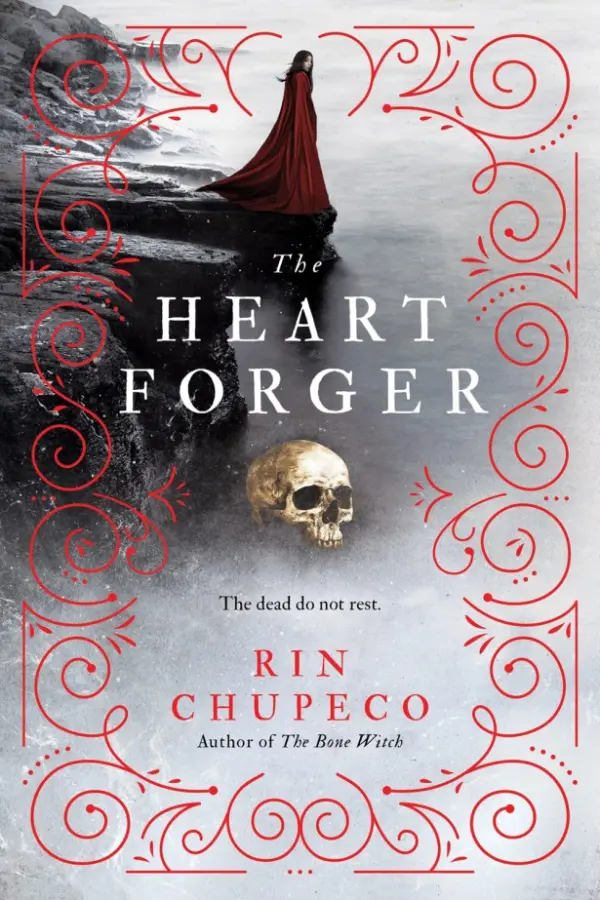
Rin Chupeco
The Bone Witch, book 2
Average Goodreads rating4.6
Matched via its series
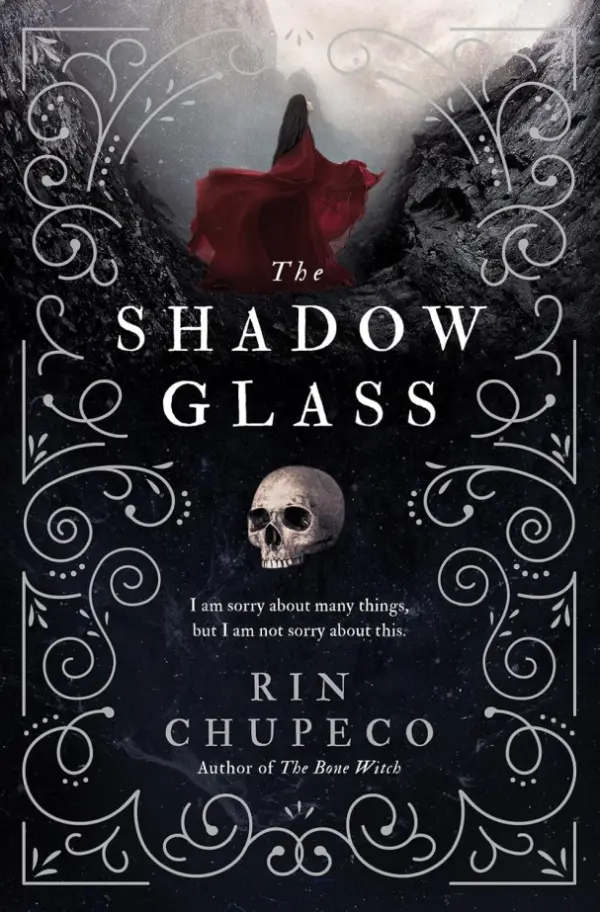
Rin Chupeco
The Bone Witch, book 3
Average Goodreads rating4.6
Matched via its series

Jay Kristoff
The Lotus War, book 3
Matched via its series

Fonda Lee
The Green Bone Saga, book 3
Average Goodreads rating4.7
Matched via its series

Fonda Lee
The Green Bone Saga, book 2
Average Goodreads rating4.3
Matched via its series

Jay Kristoff
The Lotus War, book 2
Matched via its series

R. F. Kuang
The Poppy War, book 3
Average Goodreads rating4.4
Matched via its series

R. F. Kuang
The Poppy War, book 2
Average Goodreads rating4.5
Matched via its series
Tropes that share the most books with Asian-inspired
Fantasy and romance have always drawn on mythology, history, and culture to build their worlds, and Asian-inspired fiction represents one of the most vibrant corners of that tradition. These are stories that reach beyond the default European medieval template and find their foundations in the landscapes, belief systems, court politics, and folklore of East, South, and Southeast Asian cultures. Think imperial courts with elaborate hierarchies, spirit worlds borrowed from Taoist or Shinto cosmology, magic systems rooted in chi or elemental balance, and social codes where honour and duty shape every decision a character makes.
The appeal is immediate. Readers who grew up with these stories find recognition and representation. Those encountering them for the first time find something genuinely unfamiliar — a different logic to how power works, how gods behave, how love is expressed or suppressed. That freshness is part of the draw, but the depth is what keeps readers coming back.
The setting does a lot of work here. Architecture matters: pagodas, palace complexes, bamboo forests, mountain temples. So does clothing — silk robes, elaborate hairpins, armour that looks nothing like plate mail. But the strongest Asian-inspired fiction goes further than aesthetics. It builds systems of governance, religion, and social structure that feel internally consistent and historically grounded, even when magic is layered on top.
Spirit worlds and ancestral magic appear frequently. So do fox spirits, dragons (rarely the Western fire-breathing variety — here they're divine, serpentine, associated with water and wisdom), demons that blur the line between monster and misunderstood, and gods who are fallible, political, sometimes petty. The tension between mortal duty and divine interference gives many of these stories their emotional engine.
Romance in this setting often carries an extra charge. Class difference, arranged marriages, forbidden bonds between mortals and immortals — the constraints imposed by court life or spiritual law make longing more acute. A stolen glance carries weight that a straightforward declaration never could.
Chinese-inspired settings are the most prevalent, particularly those drawing on Tang or Ming dynasty aesthetics and Taoist mythology. But the category is genuinely broad. Japanese-inspired stories might centre on samurai codes or the spirit-haunted world of Shinto folklore. Korean-inspired fiction often weaves in shamanic tradition and the complex social dynamics of the Joseon period. Southeast Asian settings — drawing on Khmer, Filipino, Thai, or Indonesian mythology — are rarer but growing in visibility, and they bring entirely distinct pantheons and story logics with them.
Some stories lean hard into the fantasy: cultivation systems where characters gain power through spiritual practice, wuxia-style martial arts that blur into magic, or reincarnation arcs spanning multiple lifetimes. Others are more grounded, using the cultural framework to tell political or romantic stories without much magic at all. There's also a significant strand of romantasy here — lush, emotionally intense stories where the romance and the worldbuilding are equally central, neither one an afterthought.
There's something about Asian-inspired fiction that rewards patience and attention in a way not every fantasy does. The worldbuilding often assumes you'll pick things up gradually, that you'll learn the rules of the court or the spirit world as the protagonist does. That immersiveness creates a particular kind of reader loyalty — once you're in, you're properly in.
The trope has also produced some of the most beloved series in contemporary fantasy, with passionate readerships and lengthy re-read cultures. Readers find themselves attached not just to characters but to the worlds themselves, returning to them the way you'd return to a place you love. Mythology that feels genuinely different from Western defaults, magic with its own internal logic, and emotional stakes shaped by entirely distinct cultural values — that combination is, for many readers, simply irresistible.
Occasional emails with new recommendations, series news and trope round-ups.