
The Will of the Many
James Islington
Hierarchy, book 1
Average Goodreads rating4.7

Book series · 2 books
The Kingkiller Chronicle by Patrick Rothfuss is an epic fantasy of myth, music, and memory - where a legendary figure recounts the truth behind his own legend.
Start the series here · book 1
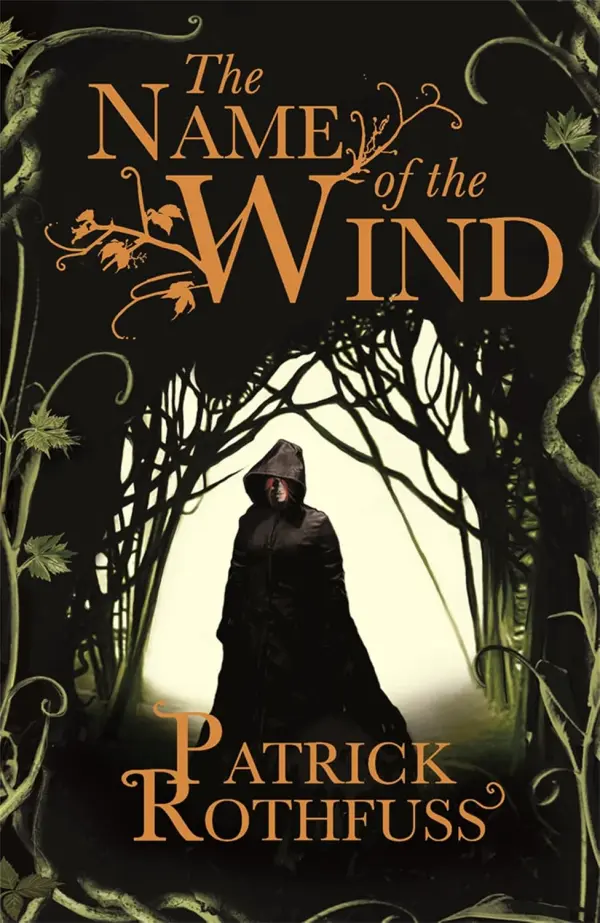
The Name of the Wind by Patrick Rothfuss is an epic fantasy where myth meets memory, following a legendary figure as he tells the true story behind his own fame.
672 pages
Retailer links may earn Trope Trove a commission, at no extra cost to you.
Start here 672 pages Goodreads rating4.6
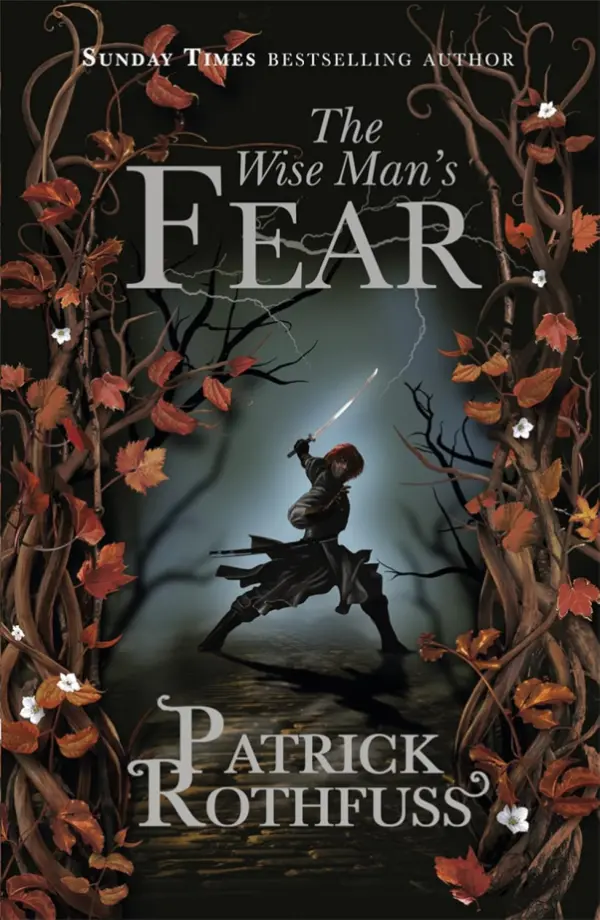
1,008 pages Goodreads rating4.7
The Kingkiller Chronicle by Patrick Rothfuss is a landmark epic fantasy series that blends lyrical prose, intimate character study, and mythic storytelling. Framed as a legend told by its subject, the series follows Kvothe - once a prodigy, now an innkeeper - as he recounts the life events that forged his reputation as hero, villain, and myth. Beginning with The Name of the Wind and continuing with The Wise Man’s Fear, the saga interrogates how stories are made, remembered, and misunderstood.
The series’ defining feature is its frame narrative. Kvothe tells his story across a limited number of days, shaping events through memory, performance, and selective truth. This approach foregrounds the unreliable narrator trope, inviting readers to question not only what happened, but how reputation and rumor transform lived experience into legend. Rothfuss turns epic fantasy inward, replacing constant spectacle with reflection on consequence, pride, and loss.
At its heart, The Kingkiller Chronicle is a coming-of-age epic. Kvothe’s talents - music, magic, intellect - open doors, but they also draw danger. The series subverts the chosen-one arc by emphasizing cost: brilliance invites scrutiny, knowledge provokes fear, and success often breeds isolation. Kvothe’s journey is driven as much by hunger, grief, and obsession as by destiny.
Rothfuss’s worldbuilding is subtle and scholarly. Magic is rule-bound and intellectual, centered on systems like sympathy and naming that reward discipline and understanding rather than brute force. Knowledge is power - but it is also restricted, politicized, and dangerous. Universities, libraries, and secret archives become battlegrounds where truth is hoarded and myths are curated. This focus on secret knowledge lends the series a distinctive, contemplative tone.
Music and language are integral. Songs preserve history, names shape reality, and stories influence politics. Rothfuss treats art as both refuge and weapon, capable of healing and harm. Romance, when present, is restrained and melancholic, shaped by distance and timing rather than certainty - reinforcing the series’ bittersweet atmosphere.
The prose is deliberate and musical, prioritizing mood and emotional texture. Quiet moments - performances, conversations by firelight, solitary study - carry as much weight as conflict. When violence occurs, it resonates because it punctures long-built calm. The pacing rewards patient readers with depth and resonance rather than constant action.
The Kingkiller Chronicle is ideal for readers who enjoy Fantasy that is introspective, character-driven, and beautifully written. It stands as a meditation on fame, memory, and the peril of believing one’s own story - asking not just how legends rise, but what they cost the people who live them.
Patrick Rothfuss is an epic fantasy author renowned for lyrical prose, deep mythmaking, and character-driven storytelling, best known for The Kingkiller Chronicle.
Books, series and tropes by Patrick Rothfuss
James Islington
Hierarchy, book 1
Average Goodreads rating4.7

Robin Hobb
Liveship Traders Trilogy, book 1
Average Goodreads rating4.5

Ryan Cahill
The Bound and the Broken, book 1
Average Goodreads rating4.4

Christopher Paolini
The Inheritance Cycle, book 1
Average Goodreads rating4.6

Brent Weeks
Lightbringer, book 1
Average Goodreads rating4.5
Holly Black & Cassandra Clare
Magisterium, book 1
Average Goodreads rating4.0
Brandon Sanderson
3 books
Sarah J. Maas
5 books
Brandon Sanderson
4 books
Sarah J. Maas
7 books
Hannah Kaner
3 books · complete series
James Islington
2 books · complete series

Dragons, magic, and mayhem - these are the fantasy books that do dragons best. Whether you want epic battles, ancient lore, or unbreakable bonds between human and beast, we've got your next read right here.

Not all fantasy is created equal - and "it's a fantasy novel" tells you almost nothing about whether you'll love it. Choosing by trope is the smartest way to find your next obsession. Here's how to do it.
Occasional emails with new recommendations, series news and trope round-ups.


