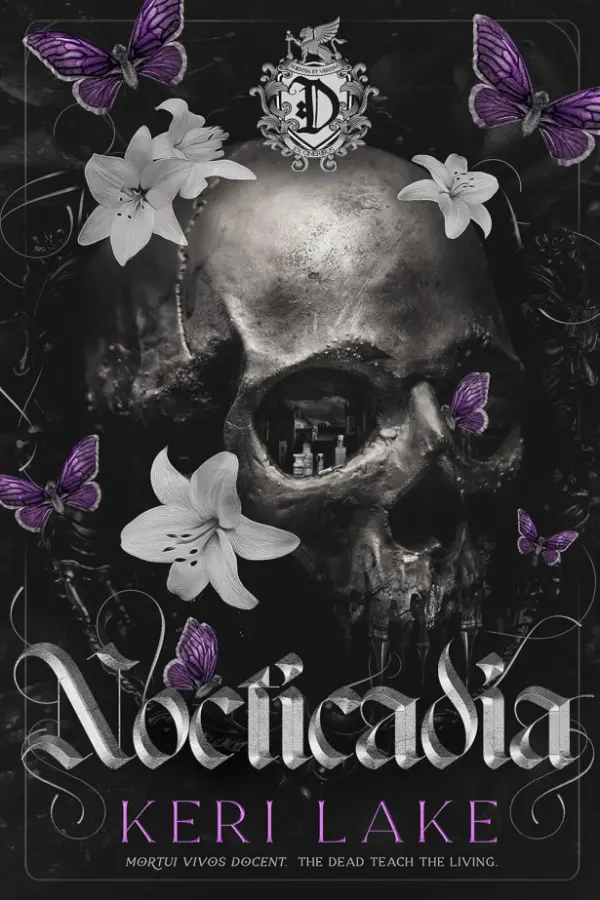
Nocticadia
Keri Lake
Average Goodreads rating4.4
- Forbidden Romance
- Morally Grey Characters

Book trope · 6 books
Gothic horror sits at the intersection of dread and desire. It's the genre that gave us brooding castles, cursed bloodlines, and heroines who absolutely should not open that door — and yet do, because something pulls them forward.
More about the Gothic Horror trope4 are tagged with Gothic Horror individually. The others belong to a series tagged with it, which doesn’t mean every book in it features the trope, so they’re marked “Matched via its series”.
Updating books…
6 books found
Keri Lake
Average Goodreads rating4.4
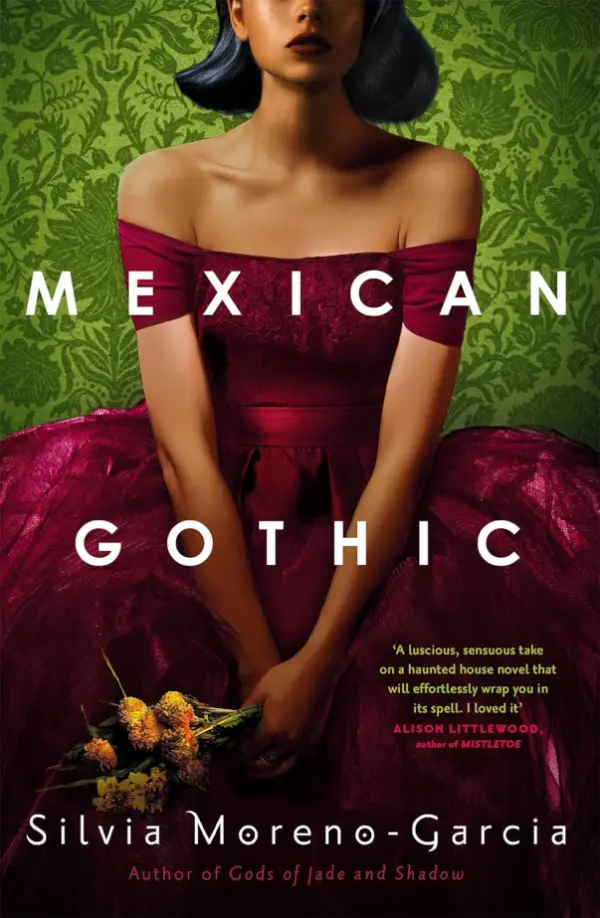
Silvia Moreno-Garcia
Average Goodreads rating3.9
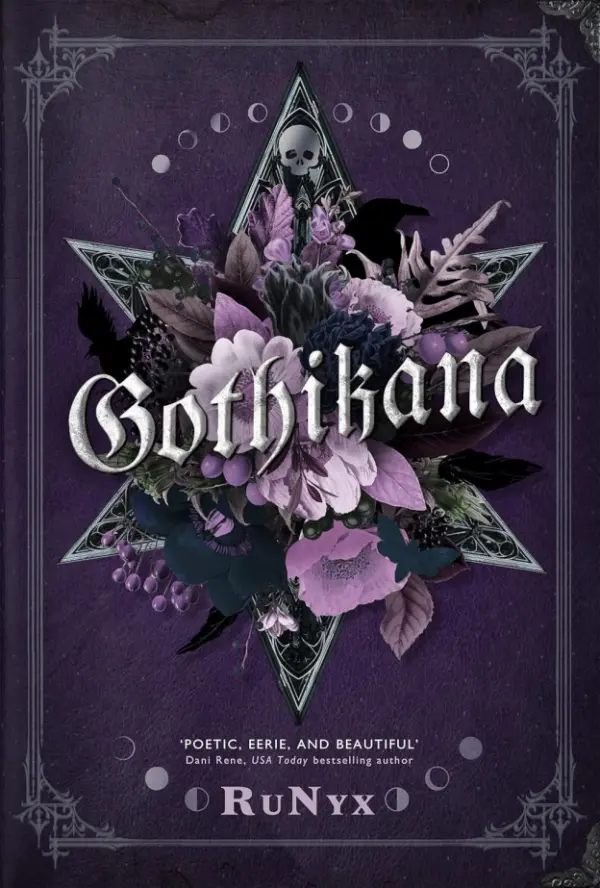
RuNyx
Average Goodreads rating4.3
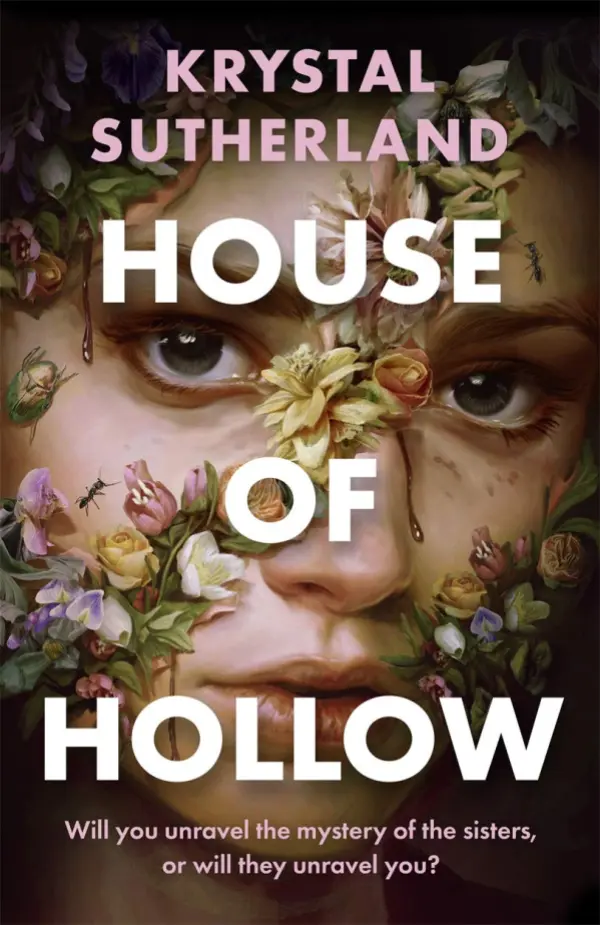
Krystal Sutherland
Average Goodreads rating4.2
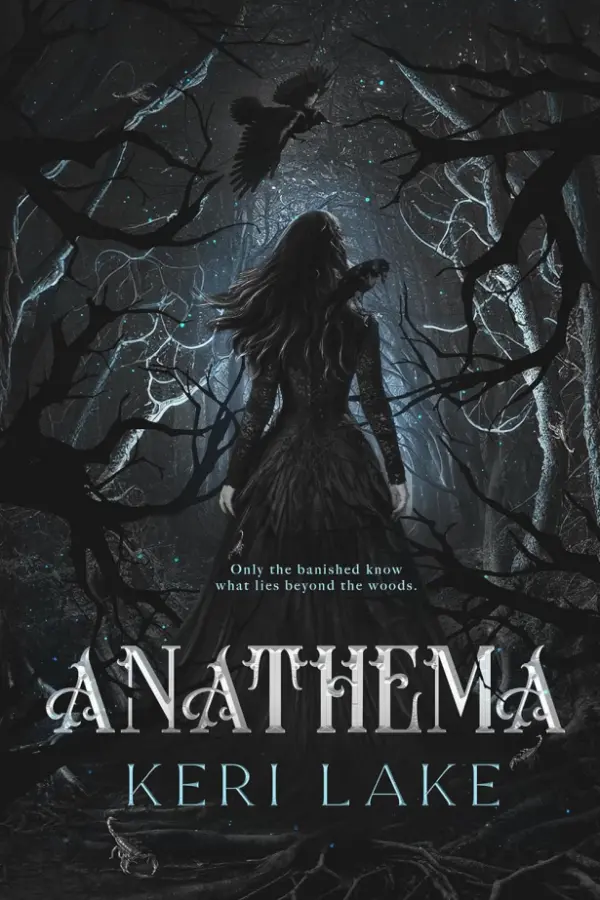
Keri Lake
The Eating Woods, book 1
Average Goodreads rating4.4
Matched via its series
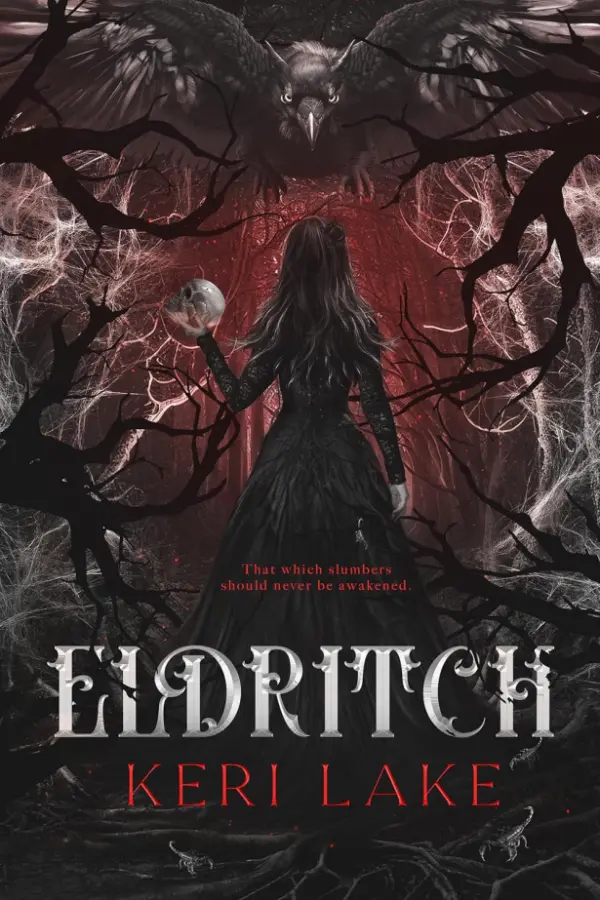
Keri Lake
The Eating Woods, book 2
Average Goodreads rating4.4
Matched via its series
Tropes that share the most books with Gothic Horror
Gothic horror sits at the intersection of dread and desire. It's the genre that gave us brooding castles, cursed bloodlines, and heroines who absolutely should not open that door — and yet do, because something pulls them forward. At its core, gothic horror is less interested in jump scares than in atmosphere: the slow accumulation of unease, the sense that the past is alive and malevolent, and the creeping realisation that the most dangerous things wear familiar faces.
Unlike straightforward horror, which often delivers fear through external monsters, gothic horror tends to internalise its terrors. Madness, grief, obsession, and repressed desire are just as likely to destroy a character as any supernatural force. The two are frequently one and the same.
Certain elements appear so consistently in gothic horror that they've become its grammar. Isolated settings — a crumbling estate, a fog-smothered moor, a village that feels cut off from the rational world — do much of the narrative work before a single uncanny event occurs. Architecture matters enormously here. The house isn't just a backdrop; it's a character with its own memory and its own grudges.
Alongside the setting, you'll almost always find a protagonist caught between two worlds: the safe, ordinary life they came from and the consuming, possibly supernatural world they've stumbled into. Secrets buried for generations have a way of surfacing. Family histories conceal violence. Portraits seem to watch. And the line between what is genuinely supernatural and what might be psychological unravelling is left productively blurred — often right up to the final pages.
Gothic horror has always had an intimate relationship with romance, and the two modes bleed into each other more than either would care to admit. The brooding, morally complex love interest — brilliant, wounded, and probably hiding something significant — is as much a gothic convention as the locked room or the unreliable narrator. Desire and danger are bound together in this genre almost by design.
This is partly why gothic horror has proven so durable in both literary fiction and genre publishing. It speaks directly to the tension between what we're drawn towards and what we know, on some level, we should fear. The emotional stakes feel personal even when the horrors are overtly supernatural, because the genre is fundamentally about the things we inherit, the secrets we keep, and the cost of both.
There's a particular pleasure in gothic horror that other genres struggle to replicate: the feeling of being safely unsettled. Readers know they're in capable hands, that the dread is crafted and controlled, and yet the atmosphere genuinely gets under the skin. The genre rewards patience — the tension is built slowly, deliberately, and the payoff is less a resolution than a revelation.
It also has an extraordinary range. Gothic horror can be Victorian in flavour or entirely contemporary. It can lean into the supernatural or stay firmly within the realm of the psychological. It can be bleak and punishing or shot through with dark romance. What holds it all together is that quality of atmosphere: the feeling that something old and unhappy has been waiting, and that your arrival has disturbed it.
Once the genre has its hooks in you, ordinary settings start to feel a little too quiet.
Occasional emails with new recommendations, series news and trope round-ups.