
The Crimson Moth
Kristen Ciccarelli
The Crimson Moth, book 1
Average Goodreads rating4.3
Matched via its series

Book trope · 11 books
Fear is one of the most powerful tools a society can wield against its own members. It does not require evidence. It does not require fairness.
More about the Witch Hunts & Persecution trope0 are tagged with Witch Hunts & Persecution individually. The others belong to a series tagged with it, which doesn’t mean every book in it features the trope, so they’re marked “Matched via its series”.
Updating books…
11 books found
Kristen Ciccarelli
The Crimson Moth, book 1
Average Goodreads rating4.3
Matched via its series
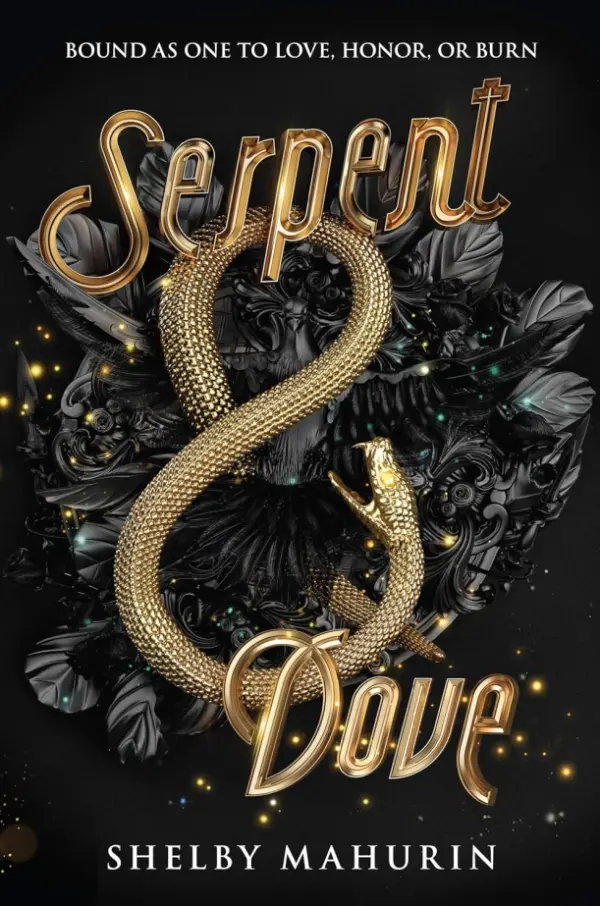
Shelby Mahurin
Serpent & Dove, book 1
Average Goodreads rating4.3
Matched via its series
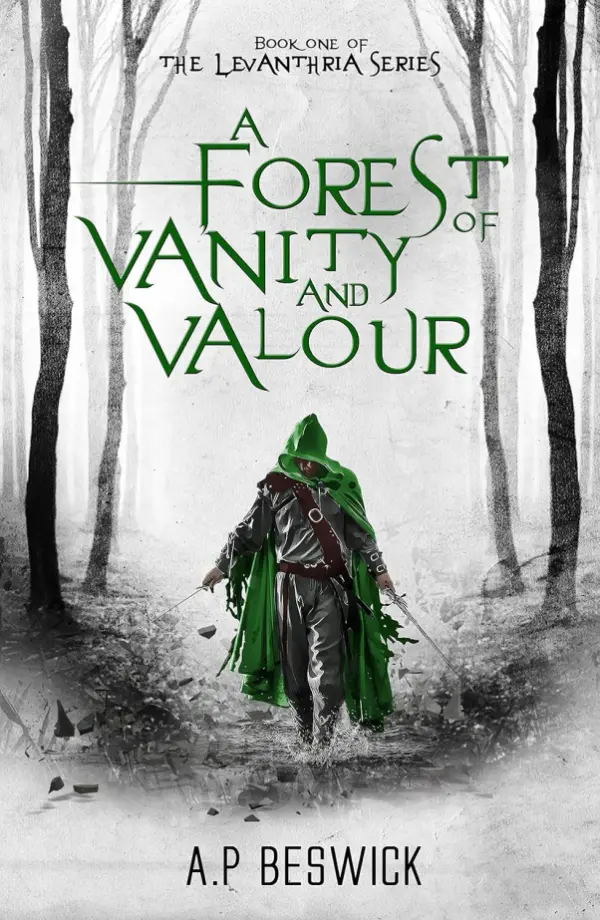
A. P. Beswick
The Levanthria Series, book 1
Average Goodreads rating3.9
Matched via its series

Kristen Ciccarelli
The Crimson Moth, book 2
Average Goodreads rating4.4
Matched via its series

Shelby Mahurin
Serpent & Dove, book 2
Average Goodreads rating4.2
Matched via its series
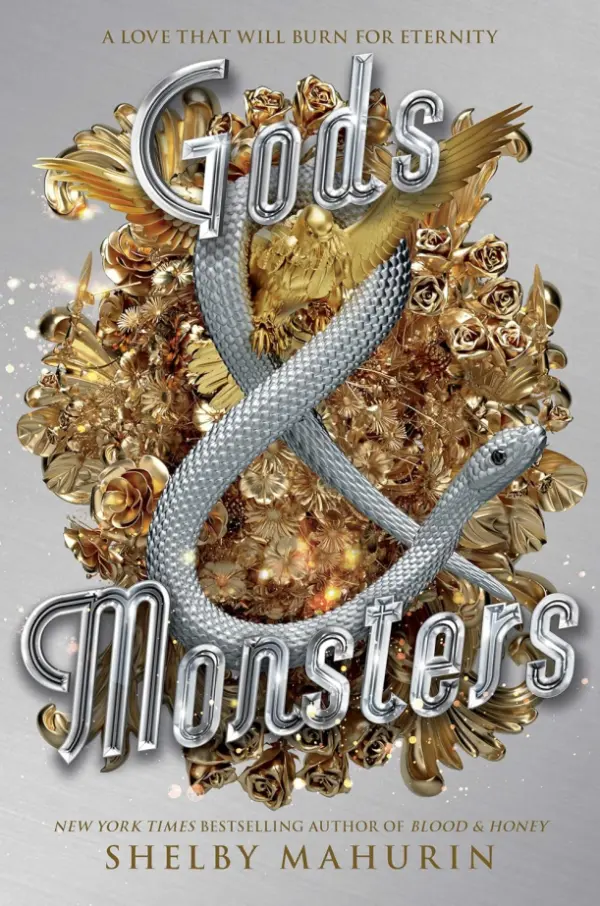
Shelby Mahurin
Serpent & Dove, book 3
Average Goodreads rating4.4
Matched via its series
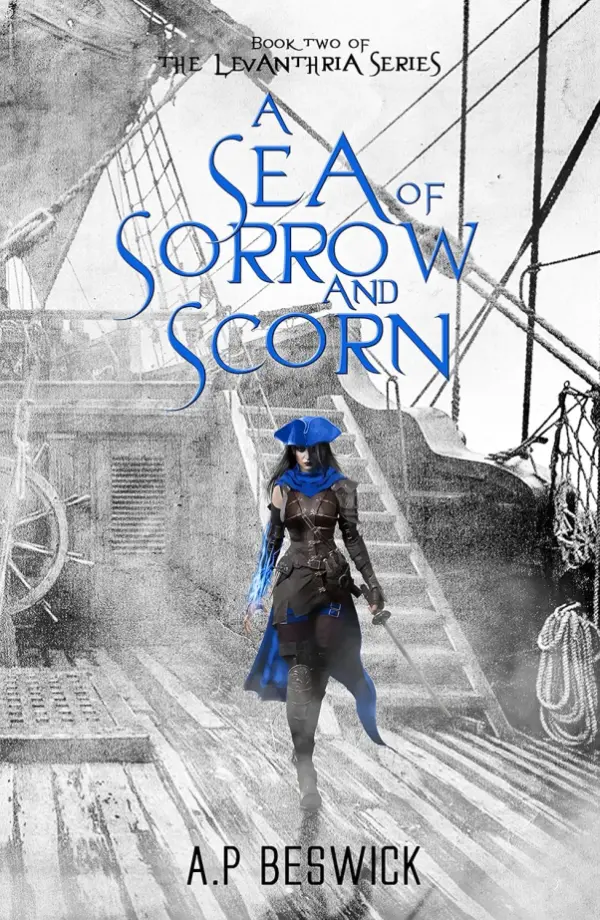
A. P. Beswick
The Levanthria Series, book 2
Average Goodreads rating3.9
Matched via its series
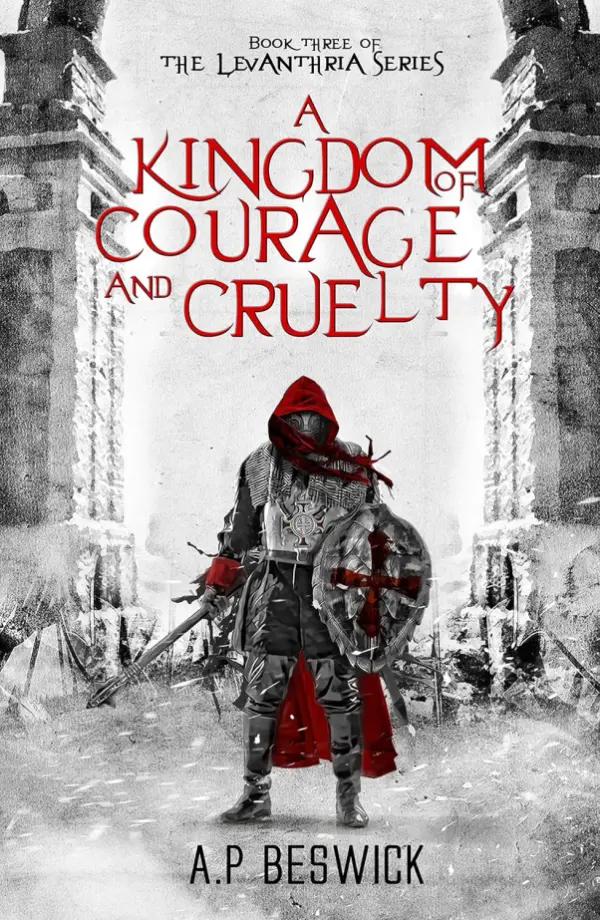
A. P. Beswick
The Levanthria Series, book 3
Average Goodreads rating4.1
Matched via its series
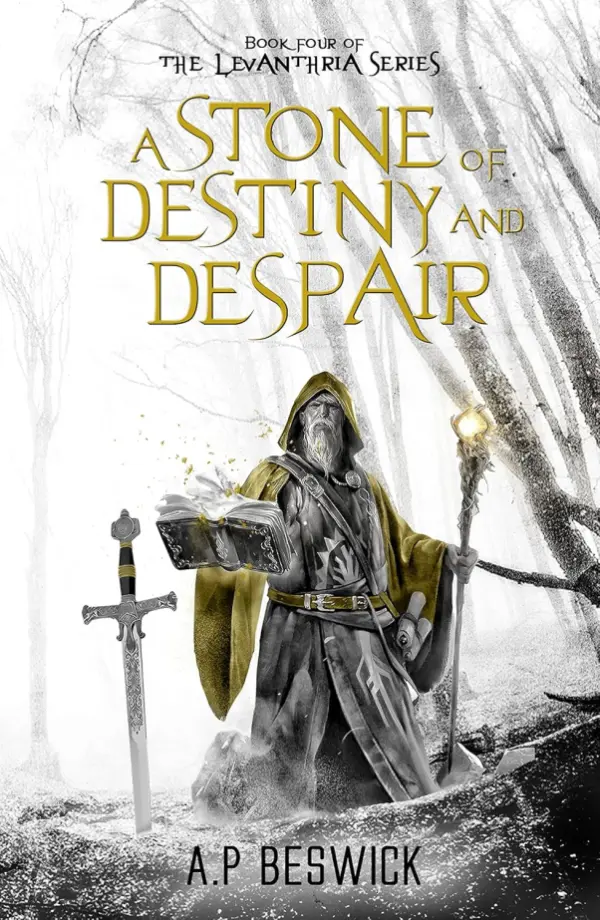
A. P. Beswick
The Levanthria Series, book 4
Average Goodreads rating4.2
Matched via its series
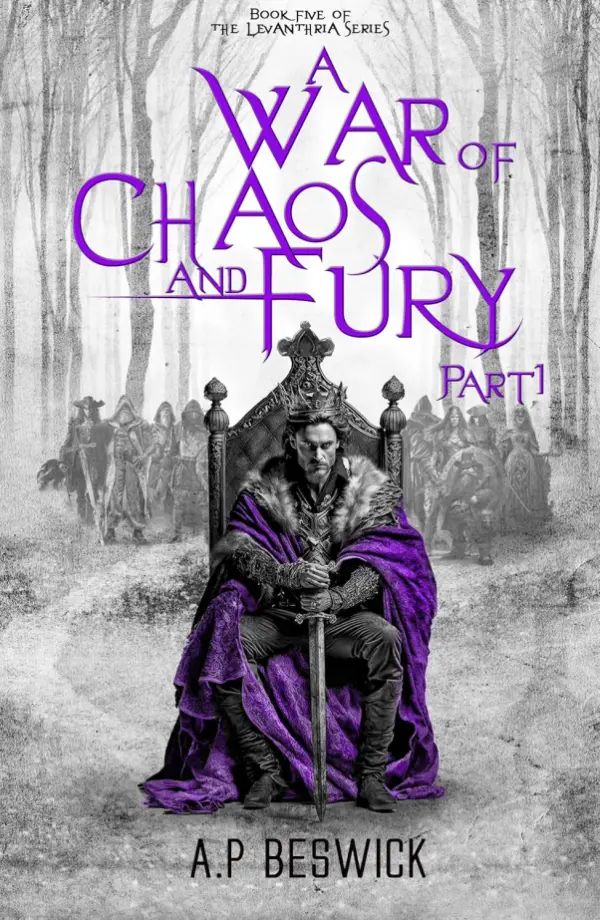
A. P. Beswick
The Levanthria Series, book 5
Average Goodreads rating4.4
Matched via its series
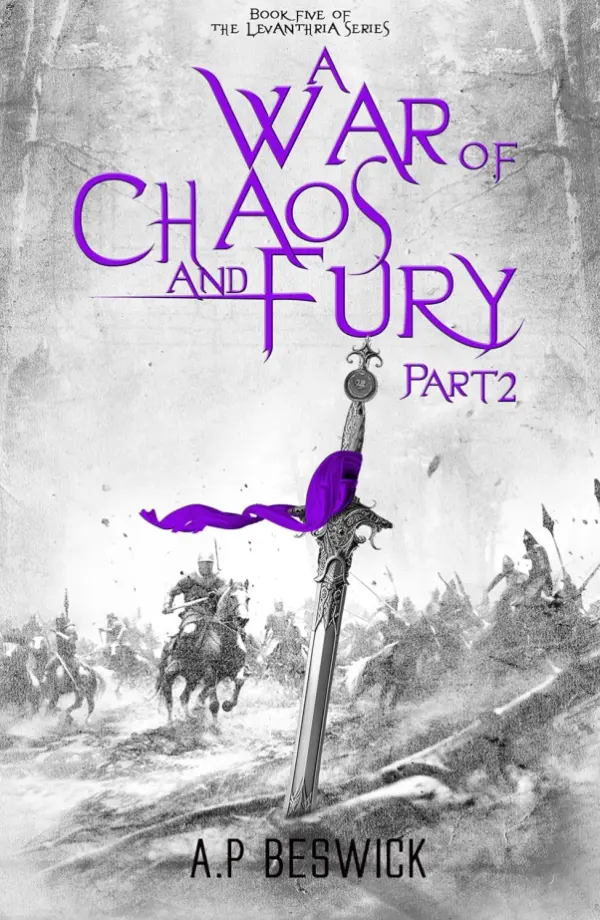
A. P. Beswick
The Levanthria Series, book 6
Average Goodreads rating4.4
Matched via its series
Tropes that share the most books with Witch Hunts & Persecution
Fear is one of the most powerful tools a society can wield against its own members. It does not require evidence. It does not require fairness. It requires only a target, a sufficiently frightened or sufficiently angry crowd, and the machinery of authority willing to direct that fear somewhere useful. The Witch Hunts & Persecution trope takes that dynamic - ancient, recurring, and never entirely historical - and places it at the centre of a story. Someone, or some group, has been designated as dangerous. The designation may have nothing to do with actual danger. What matters is that enough people believe it, and that belief has consequences.
This trope is defined by the systematic targeting of individuals or groups by a society, institution, or authority on the basis of difference - real or invented, understood or misrepresented. The persecution might be explicitly supernatural in framing: those with magic are hunted, those who consort with forbidden powers are tried and condemned. Or it might use the language of witchcraft and heresy as a thin cover for what is actually the suppression of the inconvenient, the different, or the threatening. What defines it is the machinery: accusation, trial, punishment, and the social pressure that makes ordinary people complicit in extraordinary cruelty. The individual is caught inside a system designed to grind them down, and the story asks what they do from inside it.
The Witch Hunts & Persecution trope resonates with a force that goes well beyond historical interest because its essential dynamic - the scapegoating of difference, the weaponisation of fear, the way communities turn on their own members when frightened enough - is not confined to any particular era. Readers recognise it. The specifics change across centuries and cultures; the structure does not. Fiction that engages with this trope gives readers a way to examine that structure at a remove, to understand how persecution operates from the inside, and to sit with the discomfort of recognising it in contexts both distant and uncomfortably close. It is the kind of story that stays with you because it refuses to feel entirely like the past.
These narratives often place their protagonist in a position of acute vulnerability: accused, suspected, or simply different in a world that has decided difference is dangerous. The story tends to move through escalating pressure - the narrowing of safe spaces, the loss of allies who cannot afford association, the discovery of who can be trusted and who cannot when the stakes are real. Alongside the individual story, the trope typically offers a portrait of how persecution functions at the social level: the accusers with their own agendas, the authorities who benefit from the fear, the bystanders who know something is wrong and say nothing. The most powerful versions of this trope make complicity visible - and refuse to let anyone off the hook for it.
The Witch Hunts & Persecution trope endures because the phenomenon it describes endures. Every generation produces its own version of the designated threat, its own moral panic, its own moment where the machinery of collective fear is turned against people who were, in most cases, doing nothing more dangerous than existing differently. Fiction that takes this seriously - that follows a persecuted character through the experience with honesty and without false comfort - serves a purpose that goes beyond entertainment. It builds the muscle of recognition. It makes the pattern legible. It insists, page after page, that this has happened before, and that the first step toward it happening again is the failure to see it coming.
Occasional emails with new recommendations, series news and trope round-ups.