Unexpected Healer
Jonathan Brooks
Earthen Contenders, book 1
Average Goodreads rating4.5
Matched via its series

Book trope · 25 books
Some of the most beloved relationships in fantasy and romance fiction aren't between lovers at all. The loyal companion trope centres on a bond of unwavering devotion — a character who stands beside the hero or heroine not because of obligation or reward, but because they simply wouldn't be anywhere else.
More about the Loyal Companions trope0 are tagged with Loyal Companions individually. The others belong to a series tagged with it, which doesn’t mean every book in it features the trope, so they’re marked “Matched via its series”.
Updating books…
25 books found
Jonathan Brooks
Earthen Contenders, book 1
Average Goodreads rating4.5
Matched via its series

Chloe Walsh
Boys of Tommen, book 1
Average Goodreads rating4.7
Matched via its series

Jay Kristoff
Empire of the Vampire, book 1
Average Goodreads rating4.7
Matched via its series

John Gwynne
The Faithful and the Fallen, book 1
Average Goodreads rating4.4
Matched via its series

Jay Kristoff
The Nevernight Chronicle, book 1
Matched via its series

Megan O'Keefe
The Scorched Continent, book 1
Average Goodreads rating4.1
Matched via its series
Jonathan Brooks
Earthen Contenders, book 2
Average Goodreads rating4.5
Matched via its series
Jonathan Brooks
Earthen Contenders, book 3
Average Goodreads rating4.5
Matched via its series
Jonathan Brooks
Earthen Contenders, book 4
Average Goodreads rating4.5
Matched via its series
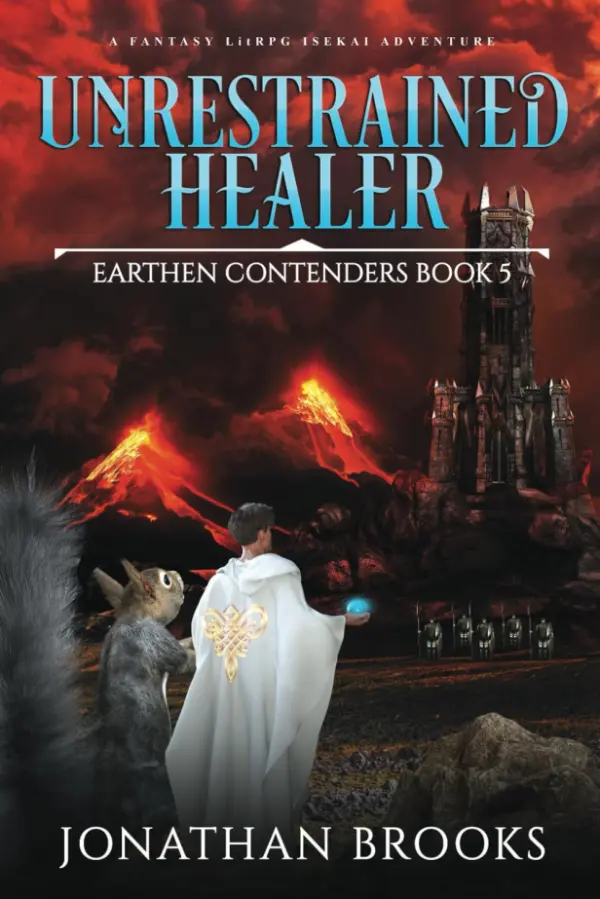
Jonathan Brooks
Earthen Contenders, book 5
Average Goodreads rating4.6
Matched via its series
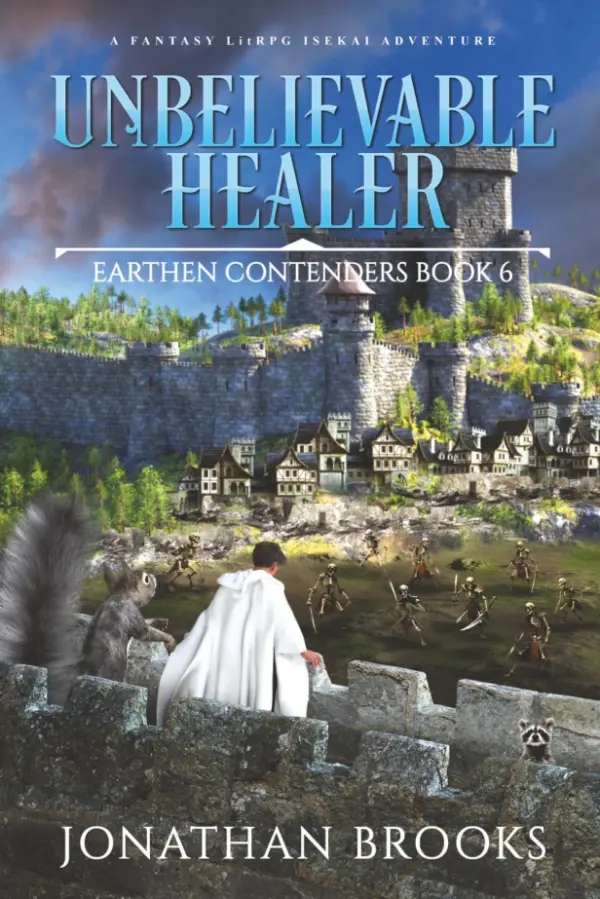
Jonathan Brooks
Earthen Contenders, book 6
Average Goodreads rating4.5
Matched via its series

Megan O'Keefe
The Scorched Continent, book 2
Average Goodreads rating4.4
Matched via its series

Megan O'Keefe
The Scorched Continent, book 3
Average Goodreads rating4.4
Matched via its series

Jay Kristoff
The Nevernight Chronicle, book 3
Matched via its series

Jay Kristoff
Empire of the Vampire, book 2
Average Goodreads rating4.8
Matched via its series

Jay Kristoff
Empire of the Vampire, book 3
Average Goodreads rating4.7
Matched via its series

Jay Kristoff
The Nevernight Chronicle, book 2
Matched via its series

Chloe Walsh
Boys of Tommen, book 2
Average Goodreads rating4.8
Matched via its series

Chloe Walsh
Boys of Tommen, book 4
Average Goodreads rating4.8
Matched via its series

Chloe Walsh
Boys of Tommen, book 6
Average Goodreads rating4.7
Matched via its series

John Gwynne
The Faithful and the Fallen, book 3
Average Goodreads rating4.6
Matched via its series

Chloe Walsh
Boys of Tommen, book 3
Average Goodreads rating4.6
Matched via its series

Chloe Walsh
Boys of Tommen, book 5
Average Goodreads rating4.6
Matched via its series

John Gwynne
The Faithful and the Fallen, book 2
Average Goodreads rating4.6
Matched via its series

John Gwynne
The Faithful and the Fallen, book 4
Average Goodreads rating4.7
Matched via its series
Tropes that share the most books with Loyal Companions
Some of the most beloved relationships in fantasy and romance fiction aren't between lovers at all. The loyal companion trope centres on a bond of unwavering devotion — a character who stands beside the hero or heroine not because of obligation or reward, but because they simply wouldn't be anywhere else. Whether it's a childhood friend, a sworn knight, a wisecracking sidekick, or a creature bonded by magic, these figures represent something readers find deeply reassuring: the idea that someone will always show up.
It's a trope built on consistency. The loyal companion doesn't waver when things get dark, doesn't abandon the protagonist at the worst possible moment, and doesn't need to be the centre of the story to matter enormously to it. That reliability is the whole point.
At its core, a loyal companion is defined by choosing to stay. The bond is rarely contractual — it persists through danger, disagreement, and doubt. What separates a loyal companion from a generic supporting character is that their loyalty has been tested. Readers feel it because the story has made it credible, not just declared it.
These characters often carry the emotional weight of a narrative quietly. They're the ones who notice when the protagonist is struggling before the protagonist admits it themselves. They offer practical help, a well-timed bit of humour, or simply a steady presence. In fantasy especially, the loyal companion frequently has their own backstory, their own wounds, their own reasons for staying — which is what makes the devotion feel earned rather than decorative.
Loyal companions appear in a striking range of forms. The most familiar is the long-standing human friend — someone who's known the protagonist since before the story began, whose history together does a lot of silent work. Then there's the unlikely companion: the former rival, the gruff mercenary, or the morally grey figure who finds themselves defending someone they didn't expect to care about. Their loyalty, when it arrives, hits harder precisely because it wasn't inevitable.
Animal companions deserve their own mention. Bonded creatures — familiars, mounts, magical beasts — can carry all the hallmarks of the trope with an added layer of wordless, unconditional trust that tends to be particularly affecting. Meanwhile, in romance novels, the loyal companion often serves a slightly different function: the best friend or confidant who sees the protagonist's heart more clearly than the protagonist does, and who becomes a narrative anchor across a whole series.
There's something quietly radical about fiction that insists loyalty is its own kind of love. The loyal companion trope isn't glamorous — it doesn't get the dramatic confession scene or the climactic duel. But it does get the moment where someone turns up anyway, tired and road-worn, because that's just what they do. Readers return to this trope because it taps into a very human wish: to be known completely, and still not be left behind.
When it's written well, a loyal companion can make an entire world feel worth saving.
Occasional emails with new recommendations, series news and trope round-ups.