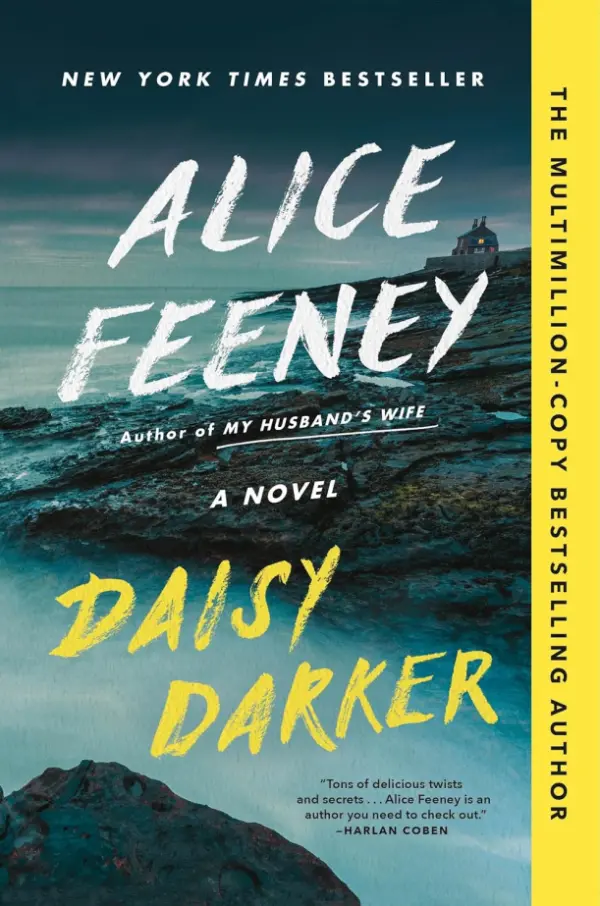
Daisy Darker
Alice Feeney
Average Goodreads rating3.8
- Twist Ending
- Dark Secrets

Book trope · 9 books
At its core, generational conflict is the friction — emotional, ideological, or outright hostile — that erupts between characters from different generations.
More about the Generational Conflict trope2 are tagged with Generational Conflict individually. The others belong to a series tagged with it, which doesn’t mean every book in it features the trope, so they’re marked “Matched via its series”.
Updating books…
9 books found
Alice Feeney
Average Goodreads rating3.8
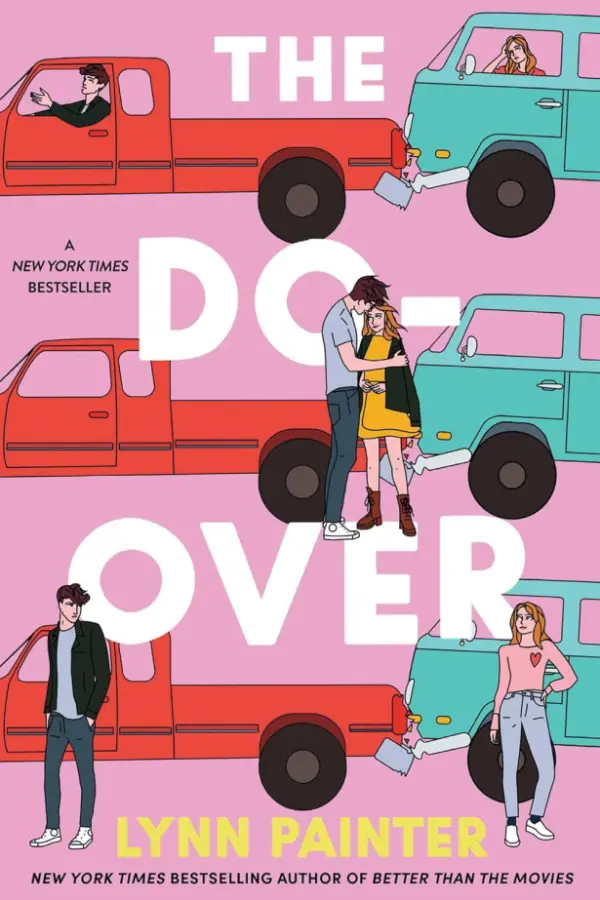
Lynn Painter
Average Goodreads rating3.9

Fonda Lee
The Green Bone Saga, book 1
Average Goodreads rating4.3
Matched via its series

Ken Liu
The Dandelion Dynasty, book 1
Average Goodreads rating4.2
Matched via its series

Fonda Lee
The Green Bone Saga, book 3
Average Goodreads rating4.7
Matched via its series

Fonda Lee
The Green Bone Saga, book 2
Average Goodreads rating4.3
Matched via its series

Ken Liu
The Dandelion Dynasty, book 4
Average Goodreads rating4.6
Matched via its series

Ken Liu
The Dandelion Dynasty, book 3
Average Goodreads rating4.4
Matched via its series

Ken Liu
The Dandelion Dynasty, book 2
Average Goodreads rating4.5
Matched via its series
Tropes that share the most books with Generational Conflict
At its core, generational conflict is the friction — emotional, ideological, or outright hostile — that erupts between characters from different generations. Parents and children. Grandparents and grandchildren. Elders steeped in tradition versus the young who've inherited a world those traditions helped break. The conflict might be a quiet, painful estrangement or a full-throated war over power, belief, and who gets to define the future.
Fantasy and romance both return to this trope constantly, and for good reason. Few tensions feel as universal. Nearly every reader has experienced some version of it: the parent who can't understand, the elder who won't listen, the young person whose ambitions look like ingratitude to everyone who came before them.
The best generational conflict stories resist making either side simply wrong. The elder generation often carries genuine wisdom, real grief, and hard-won survival instincts. The younger generation often carries equally genuine insight, moral clarity, and the particular courage that comes from having less to lose. When a story holds both perspectives with honesty, the conflict becomes genuinely uncomfortable in the best possible way.
In fantasy especially, this tension can be literalised in spectacular fashion. Ancient magical bloodlines that demand loyalty. Prophecies handed down through families for centuries. A ruling dynasty convinced its methods are the only methods, facing heirs who've seen the human cost. The genre lets writers externalise what is usually a private, domestic wound and spread it across kingdoms, mythologies, and centuries.
Generational conflict shows up in several distinct forms. The most intimate is the parent-child dynamic, where love and resentment are genuinely inseparable. Then there's the institutional version, in which an entire older order — a guild, a council, a religious hierarchy — resists the next generation of practitioners or leaders. Some stories locate the conflict between cultures rather than families, where colonisation, migration, or magical upheaval has created a generation that no longer recognises itself in its elders' values.
Romance uses the trope differently but just as effectively. A protagonist's family disapproving of a match. A love interest shaped and damaged by their own parents' expectations. Two people from families whose long history makes their connection feel like betrayal. The romantic stakes sharpen when a character must choose between the love they're building and the loyalty they were born into.
There's something quietly radical about a story that refuses to let older characters simply be obstacles and younger characters simply be heroes. Generational conflict, done well, asks harder questions: What do we owe the people who raised us? What do we owe ourselves? When does respecting tradition become enabling harm, and when does rejecting it become arrogance?
Those questions don't resolve neatly, which is exactly why the trope endures. The most resonant generational conflict stories don't end with one side winning. They end with someone — reader included — understanding something they didn't before.
Occasional emails with new recommendations, series news and trope round-ups.