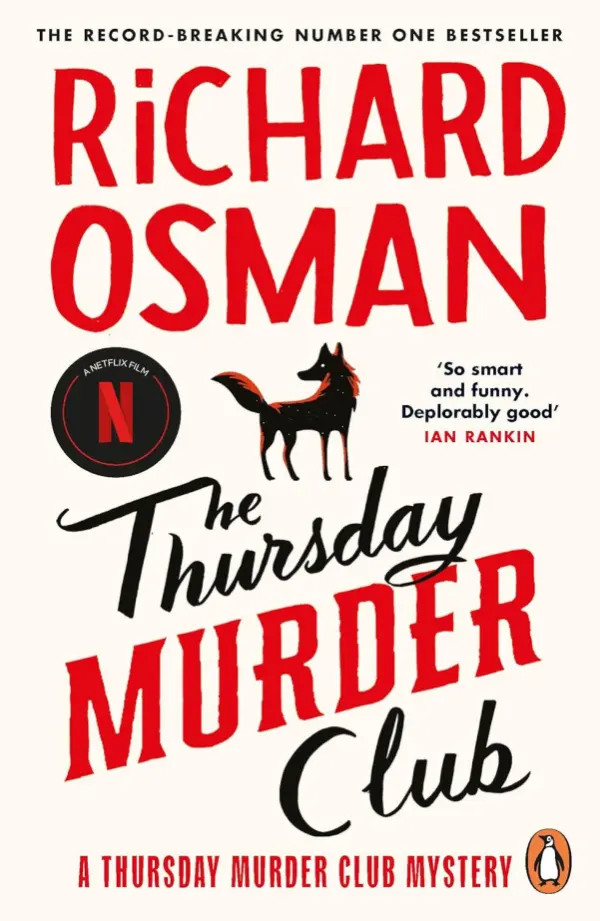
The Thursday Murder Club
Richard Osman
Thursday Murder Club Mysteries, book 1
Average Goodreads rating4.4
Matched via its series

Book trope · 4 books
Stories centred on older characters — those in their sixties, seventies, eighties, or beyond — who sit at the heart of the narrative rather than on its edges.
More about the Elderly protagonists trope0 are tagged with Elderly protagonists individually. The others belong to a series tagged with it, which doesn’t mean every book in it features the trope, so they’re marked “Matched via its series”.
Updating books…
4 books found
Richard Osman
Thursday Murder Club Mysteries, book 1
Average Goodreads rating4.4
Matched via its series
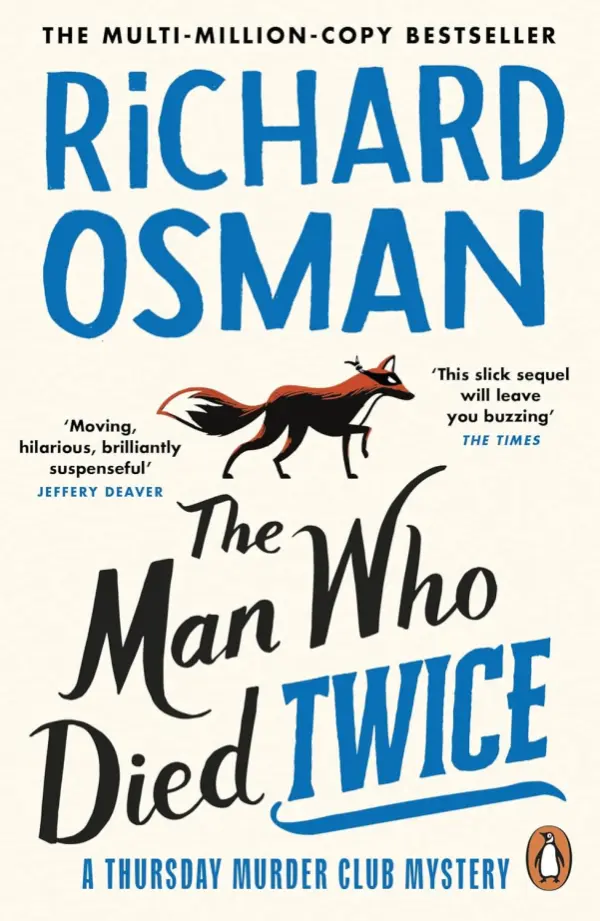
Richard Osman
Thursday Murder Club Mysteries, book 2
Average Goodreads rating4.7
Matched via its series
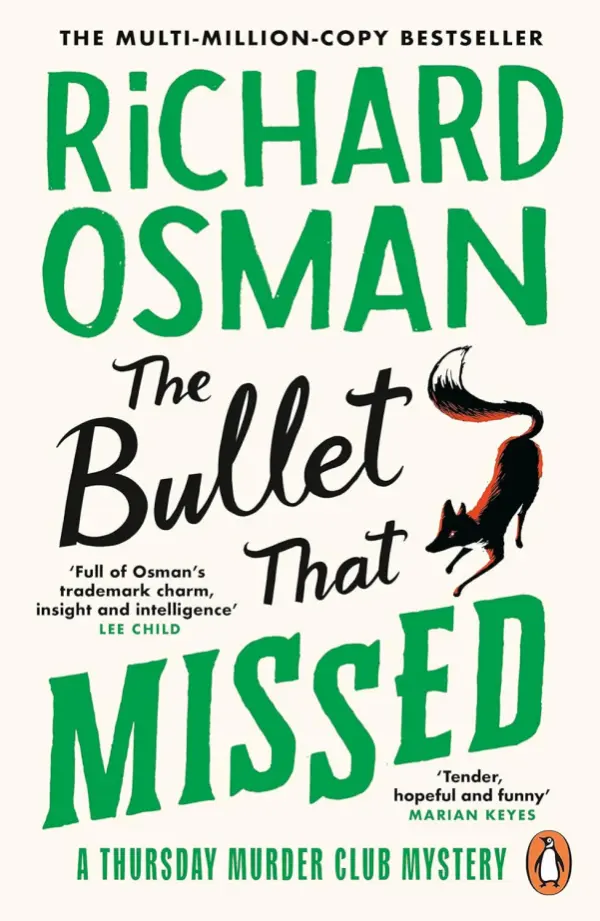
Richard Osman
Thursday Murder Club Mysteries, book 3
Average Goodreads rating4.7
Matched via its series
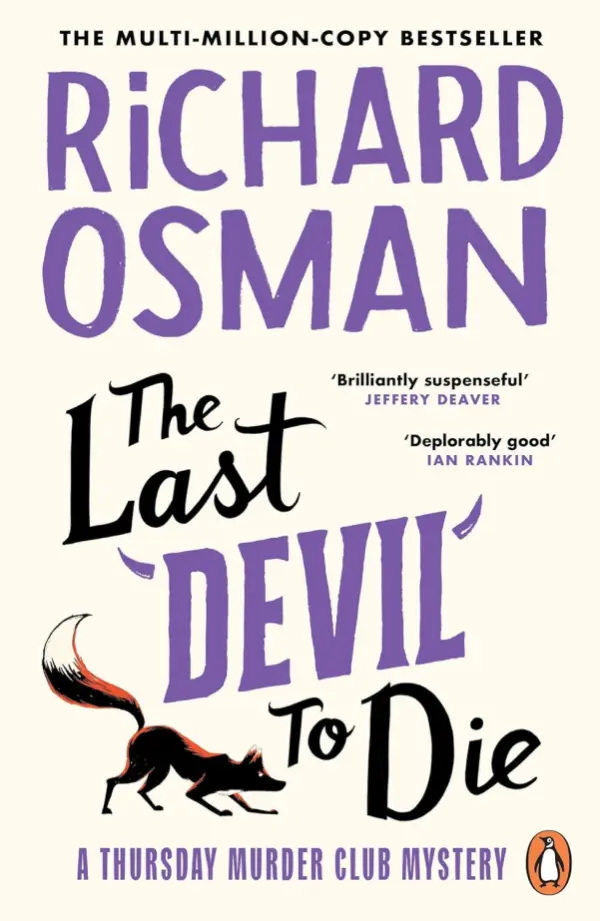
Richard Osman
Thursday Murder Club Mysteries, book 4
Average Goodreads rating4.7
Matched via its series
Tropes that share the most books with Elderly protagonists
Stories centred on older characters — those in their sixties, seventies, eighties, or beyond — who sit at the heart of the narrative rather than on its edges. In genre fiction especially, youth dominates. The elderly protagonists trope pushes back against that, placing decades of lived experience, accumulated grief, hard-won wisdom, and stubborn vitality front and centre. These aren't background grandparents dispensing advice before stepping aside. They're the ones making the choices, taking the risks, and carrying the emotional weight of the story.
Readers gravitate towards these books for reasons that are hard to articulate until you're actually in one — there's a particular quality of interiority that older protagonists bring. They've already survived their formative traumas. They know who they are, mostly. That self-knowledge doesn't make conflict disappear; it makes conflict feel different, more layered, sometimes more desperate.
The best examples of this trope resist two temptations simultaneously: sentimentality and tragedy. The sentimental version makes the older character quaint and endearing, full of folksy wisdom, essentially harmless. The tragic version treats age itself as the antagonist, a slow diminishment the narrative mourns. Neither is particularly interesting. What works is an older protagonist treated with the same narrative complexity as any other lead — capable of being wrong, reckless, selfish, funny, or furious.
Physical limitations, when they appear, are handled honestly rather than dramatically. A character might need to rest more than they used to, or find certain things genuinely harder. But the story doesn't wallow in this. It simply acknowledges reality and moves on, the same way a twenty-year-old protagonist's body is noted without becoming the whole point. Memory — its sharpness, its gaps, what it returns unbidden — often plays a thematic role in ways that feel earned rather than convenient.
In fantasy, elderly protagonists frequently appear as mages, witches, or retired warriors called back into conflict. The retired-warrior variation has particular appeal: someone who thought that chapter of their life was closed, who perhaps hoped it was closed, finding themselves drawn back in. There's a specific melancholy and dry humour that often accompanies these characters, and authors who get the tone right produce something genuinely distinctive.
In romance, older protagonists open up questions the genre rarely gets to ask. Late-life love stories — first loves after long marriages, finding connection after decades of solitude, navigating intimacy when the body and heart have both changed — carry emotional stakes that feel quite different from their younger counterparts. Not more important, but different in texture. There's less time for certain mistakes. Characters know this, and readers feel it.
Cosy fantasy and cosy mystery have embraced this trope with particular enthusiasm, often pairing an older protagonist's sharp observational skills and social invisibility with plots that require exactly those qualities. Being underestimated, it turns out, is a superpower.
Fiction shapes who we imagine as worthy of adventure, love, and consequence. When older characters consistently populate only supporting roles, it quietly suggests that the interesting part of life happens early and then you're spectating. Elderly protagonists refuse that idea entirely. They insist — sometimes loudly, sometimes with a kind of weary stubbornness — that there's still something left worth fighting for.
That insistence is, when done well, completely irresistible.
Occasional emails with new recommendations, series news and trope round-ups.