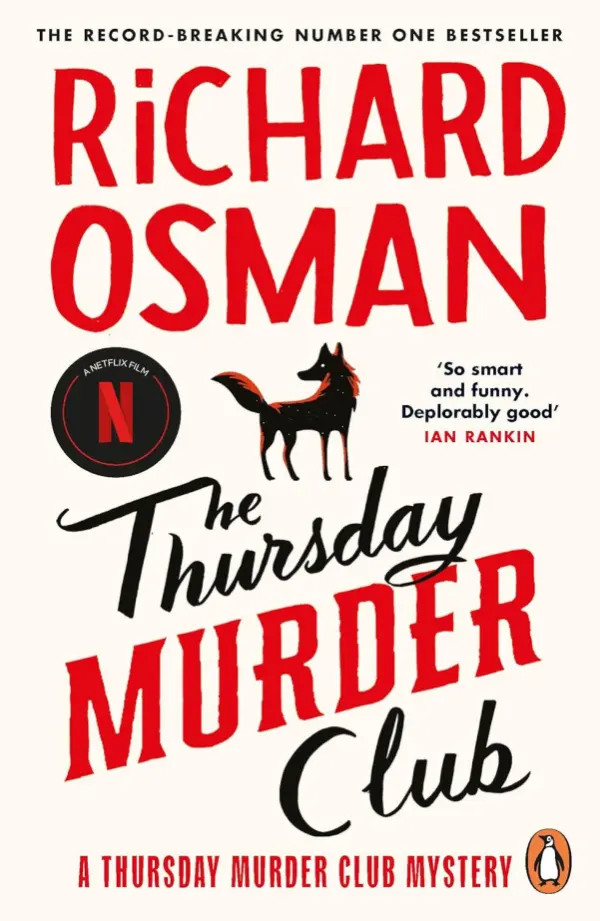
The Thursday Murder Club
Richard Osman
Thursday Murder Club Mysteries, book 1
Average Goodreads rating4.4
Matched via its series

Book trope · 4 books
Dry wit, absurdist logic, and an almost pathological aversion to sincerity — British humour in fiction is a flavour all its own. It's the kind of comedy that doesn't announce itself.
More about the British humour trope0 are tagged with British humour individually. The others belong to a series tagged with it, which doesn’t mean every book in it features the trope, so they’re marked “Matched via its series”.
Updating books…
4 books found
Richard Osman
Thursday Murder Club Mysteries, book 1
Average Goodreads rating4.4
Matched via its series
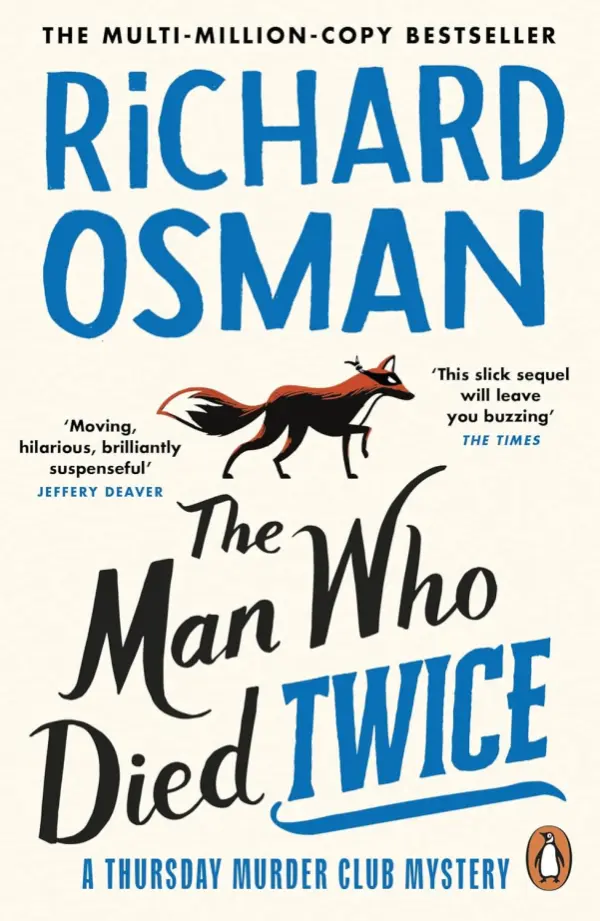
Richard Osman
Thursday Murder Club Mysteries, book 2
Average Goodreads rating4.7
Matched via its series
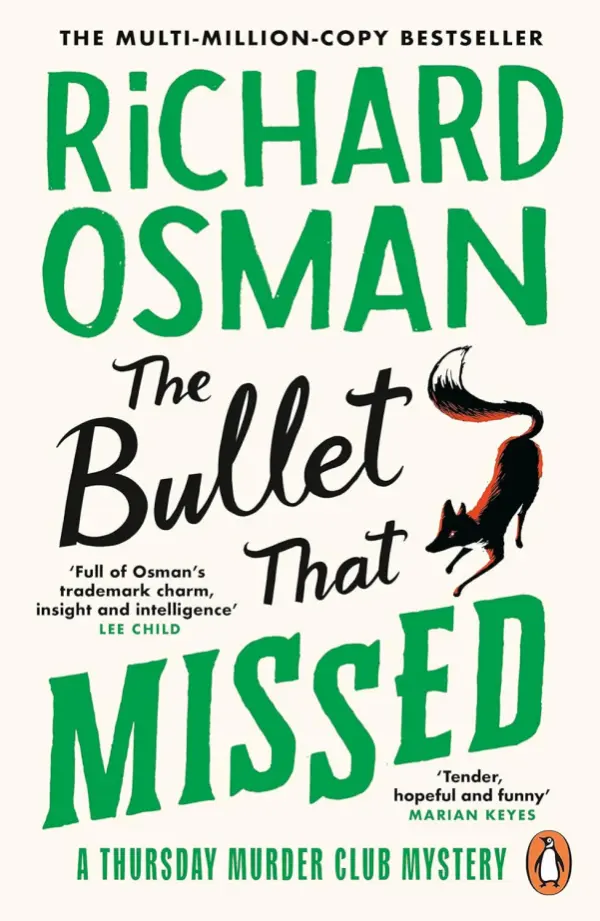
Richard Osman
Thursday Murder Club Mysteries, book 3
Average Goodreads rating4.7
Matched via its series
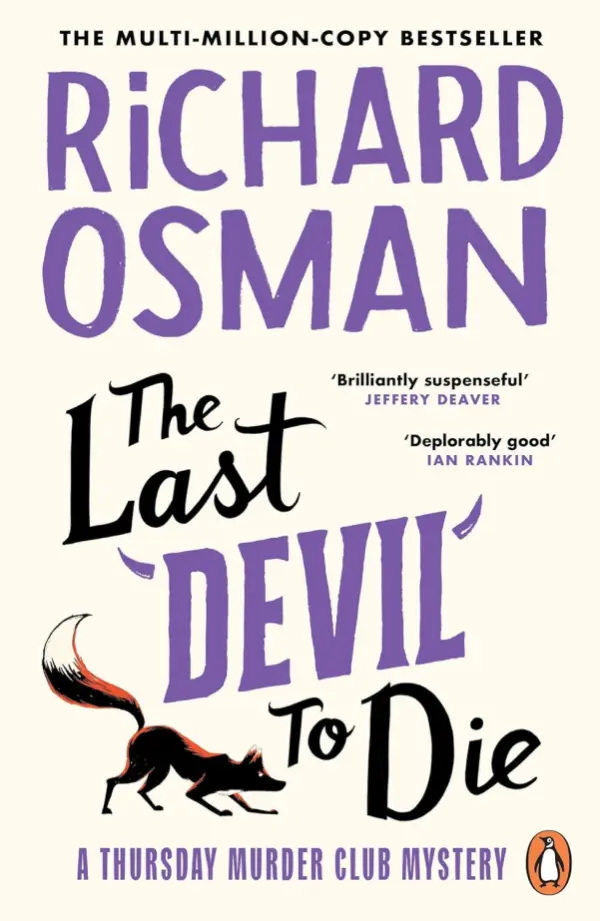
Richard Osman
Thursday Murder Club Mysteries, book 4
Average Goodreads rating4.7
Matched via its series
Tropes that share the most books with British humour
Dry wit, absurdist logic, and an almost pathological aversion to sincerity — British humour in fiction is a flavour all its own. It's the kind of comedy that doesn't announce itself. Characters deliver devastating observations with complete deadpan conviction, situations spiral into farce while everyone pretends they haven't, and the funniest line in a chapter might be tucked inside a subordinate clause where only the attentive reader will catch it.
In fantasy and romance particularly, this sensibility does something rather useful: it deflates tension without destroying it. A hero facing genuine peril who still manages an exquisitely timed complaint about the weather is somehow more endearing than one who doesn't. The humour signals intelligence, self-awareness, and a refusal to take oneself too seriously — qualities readers tend to find irresistible.
The core of British humour on the page is understatement. Where American comic writing often escalates to the punchline, British comic writing retreats from it. A character might describe a catastrophic magical accident as "a bit unfortunate" and move on. The gap between what's said and what's meant is where the laugh lives.
Closely related is the absurdist streak — the acceptance of completely unreasonable premises without any apparent awareness that they're unreasonable. Bureaucratic nightmares, deeply inconvenient prophecies, and ancient institutions operating on rules that made sense to no one even when they were written: these are beloved comic territories. Class consciousness also turns up regularly, often as the engine of irony, with characters acutely aware of social hierarchy while simultaneously pretending the whole thing is perfectly normal.
Banter matters too. Dialogue in this mode tends to be sharp, quick, and slightly combative — characters score points off each other not out of cruelty but as a form of affection. The snark, when it lands, is almost always warm underneath.
The self-deprecating narrator is one of the most familiar shapes this trope takes — a protagonist who is thoroughly aware of their own failings and catalogues them with a kind of fond resignation. Then there's the straight-faced absurdist cast, in which every character behaves as though the chaos around them is simply the expected state of affairs. Romantic comedies using this trope often rely on the misunderstanding played for farce rather than melodrama, with both parties too stubbornly British to simply say what they mean.
Fantasy settings benefit particularly from the clash between the genre's inherent grandeur and a cast that refuses to be grand about any of it. Ancient evils, chosen ones, and world-ending stakes all become funnier when someone is also worrying about whether they've been rude to the innkeeper.
There's a particular pleasure in humour that trusts you to keep up. British comic writing rarely explains the joke, and that implicit agreement between writer and reader — that you're both in on it — creates a reading experience that feels almost conspiratorial. The laughter is quieter than a belly laugh, but it tends to last longer.
If you've ever snorted at a sentence while sitting in complete silence, the British humour trope is almost certainly responsible.
Occasional emails with new recommendations, series news and trope round-ups.