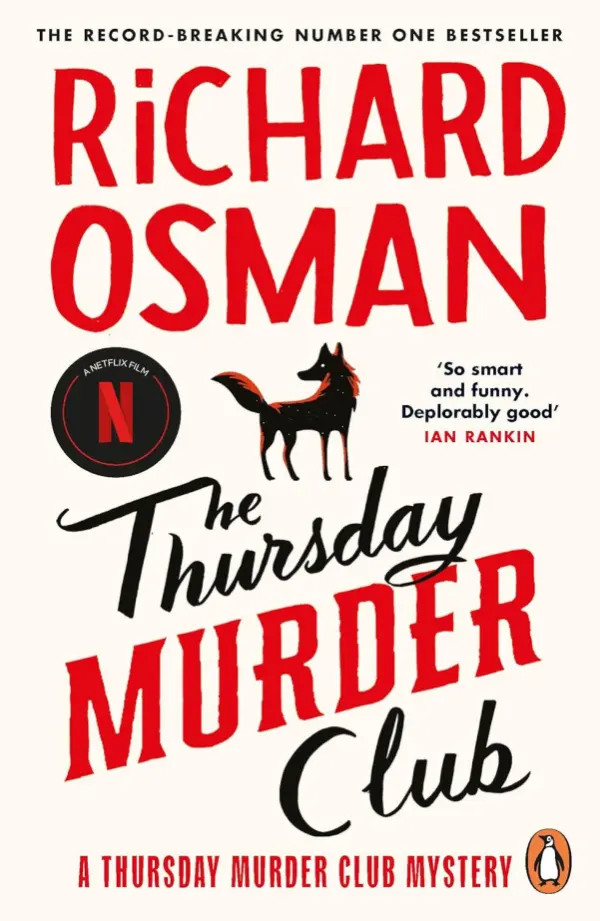
The Thursday Murder Club
Richard Osman
Thursday Murder Club Mysteries, book 1
Average Goodreads rating4.4
Matched via its series

Book trope · 4 books
The amateur detective is exactly what it sounds like: an ordinary person, with no badge, no warrant, and no official authority whatsoever, who finds themselves drawn into solving a crime.
More about the Amateur detectives trope0 are tagged with Amateur detectives individually. The others belong to a series tagged with it, which doesn’t mean every book in it features the trope, so they’re marked “Matched via its series”.
Updating books…
4 books found
Richard Osman
Thursday Murder Club Mysteries, book 1
Average Goodreads rating4.4
Matched via its series
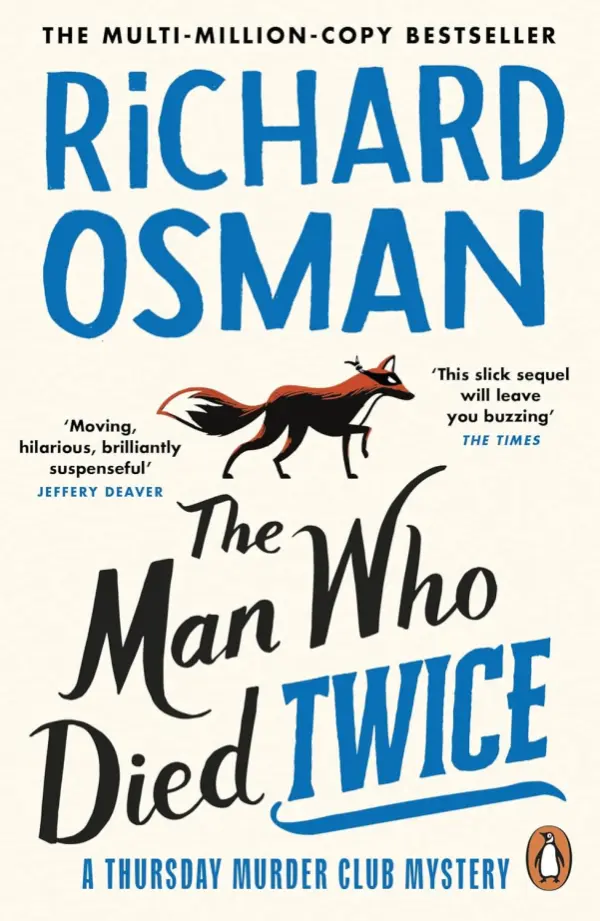
Richard Osman
Thursday Murder Club Mysteries, book 2
Average Goodreads rating4.7
Matched via its series
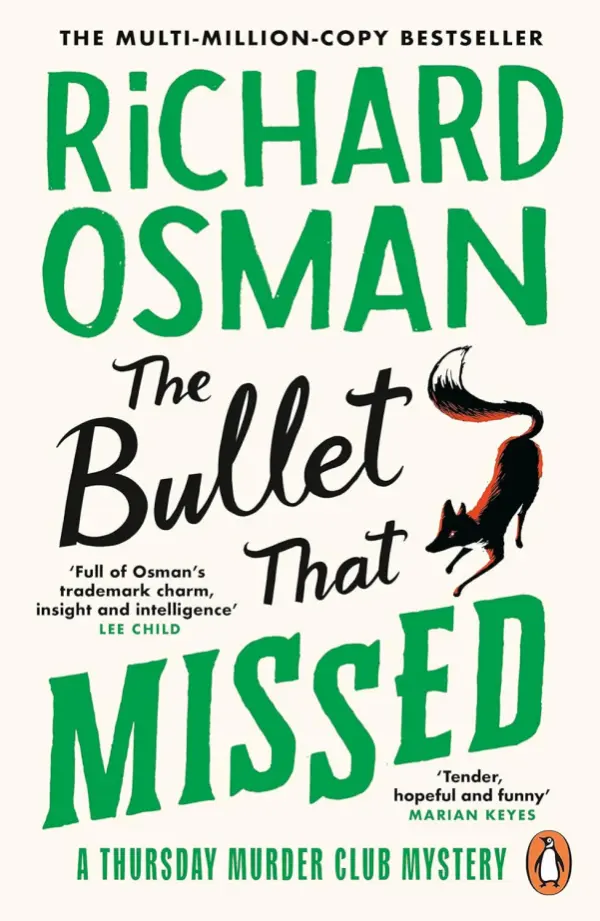
Richard Osman
Thursday Murder Club Mysteries, book 3
Average Goodreads rating4.7
Matched via its series
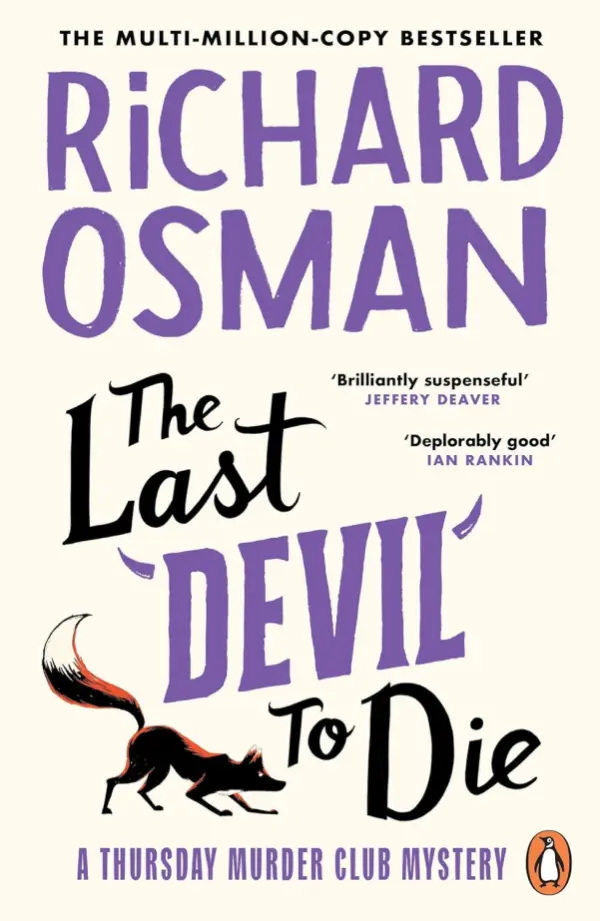
Richard Osman
Thursday Murder Club Mysteries, book 4
Average Goodreads rating4.7
Matched via its series
Tropes that share the most books with Amateur detectives
The amateur detective is exactly what it sounds like: an ordinary person, with no badge, no warrant, and no official authority whatsoever, who finds themselves drawn into solving a crime. Maybe a body turns up in their village. Maybe a friend is accused of something they didn't do. Maybe sheer nosy curiosity gets the better of them. Whatever the trigger, the result is the same — a civilian picking up where the professionals either can't or won't.
It's one of fiction's most enduring setups, and for good reason. There's an inherent tension in someone operating outside their expertise, relying on wit, observation, and local knowledge rather than forensic labs and police procedure. Readers love it because it feels accessible. The detective could be anyone. Could be you.
At the heart of the trope is a particular kind of intelligence — not the cold, clinical kind, but the socially perceptive kind. The amateur detective notices things. The wrong cup on the wrong shelf. A neighbour who mentions something they shouldn't know. A lie told too smoothly. These characters succeed not by outrunning or outgunning anyone, but by paying attention when everyone else has stopped looking.
The best amateur detectives also carry a specific vulnerability that professional investigators don't. They can be threatened. They can be wrong in ways that cost them personally. The stakes aren't just about solving the case — they're about relationships, reputation, and safety. That emotional exposure is what keeps the tension high even in the cosiest of settings.
Often, there's a fractious relationship with an official investigator. A local detective inspector who finds them irritating. A police officer who keeps telling them to leave it alone. That friction is almost a genre requirement, and when it tips into reluctant respect — or something warmer — readers tend to be very pleased about it.
Cosy mysteries are the most familiar home for this trope. Think small English villages, independent bookshops, tea rooms, and flower shows with a surprisingly high body count. The amateur detective here tends to be charming, slightly eccentric, and embedded in a tight-knit community that gives them both motive and access to investigate.
But the trope travels well into other genres. Historical fiction puts amateur sleuths into periods where women especially had to operate outside official channels, lending their investigations an extra charge of subversion. Fantasy and romantasy versions relocate the same instincts into magical worlds — the healer who notices the poison, the court lady who spots the conspiracy. Romance frequently uses the trope as the engine for a slow-burn pairing, with the investigation throwing two unlikely people into repeated, increasingly tense proximity.
Then there are the darker iterations: amateur detectives who get genuinely in over their heads, whose interference has real consequences, where the line between curious and reckless becomes uncomfortably blurry.
Part of the appeal is participatory. A good amateur detective story invites you to solve alongside the protagonist, spotting clues before they do or, satisfyingly, just after. But the deeper pull is about agency — watching someone without power or authority decide that finding the truth matters enough to pursue it anyway, despite the inconvenience, the danger, and the very reasonable advice to mind their own business.
There's something quietly optimistic about that. The idea that one person, paying close enough attention, can make things right.
Occasional emails with new recommendations, series news and trope round-ups.