Half-Blood
Jennifer L. Armentrout
Covenant, book 1
Average Goodreads rating4.1
Matched via its series
- Mentor/Mentee
- Underdog Rising

Book trope · 21 books
When gods fight, mortals suffer. That simple truth sits at the heart of one of storytelling's oldest and most enduring dynamics. The Divine Conflict Between Gods trope takes the scale of conflict beyond armies and kingdoms, beyond politics and power struggles, into something cosmological - a war or rivalry between…
More about the Divine Conflict Between Gods trope0 are tagged with Divine Conflict Between Gods individually. The others belong to a series tagged with it, which doesn’t mean every book in it features the trope, so they’re marked “Matched via its series”.
Updating books…
21 books found
Jennifer L. Armentrout
Covenant, book 1
Average Goodreads rating4.1
Matched via its series
A. E. Rayne
The Furyck Saga, book 1
Average Goodreads rating4.2
Matched via its series
A. E. Rayne
The Lords of Alekka, book 1
Average Goodreads rating4.5
Matched via its series
A. E. Rayne
The Furyck Saga
Average Goodreads rating4.4
Matched via its series

Hannah Kaner
Fallen Gods, book 1
Average Goodreads rating4.3
Matched via its series
Jennifer L. Armentrout
Covenant, book 2
Average Goodreads rating4.1
Matched via its series
Jennifer L. Armentrout
Covenant, book 3
Average Goodreads rating4.2
Matched via its series
Jennifer L. Armentrout
Covenant, book 4
Average Goodreads rating4.3
Matched via its series
Jennifer L. Armentrout
Covenant, book 5
Average Goodreads rating4.4
Matched via its series
A. E. Rayne
The Furyck Saga, book 6
Average Goodreads rating4.6
Matched via its series
A. E. Rayne
The Furyck Saga, book 2
Average Goodreads rating4.4
Matched via its series
A. E. Rayne
The Furyck Saga, book 3
Average Goodreads rating4.5
Matched via its series
A. E. Rayne
The Furyck Saga, book 4
Average Goodreads rating4.5
Matched via its series
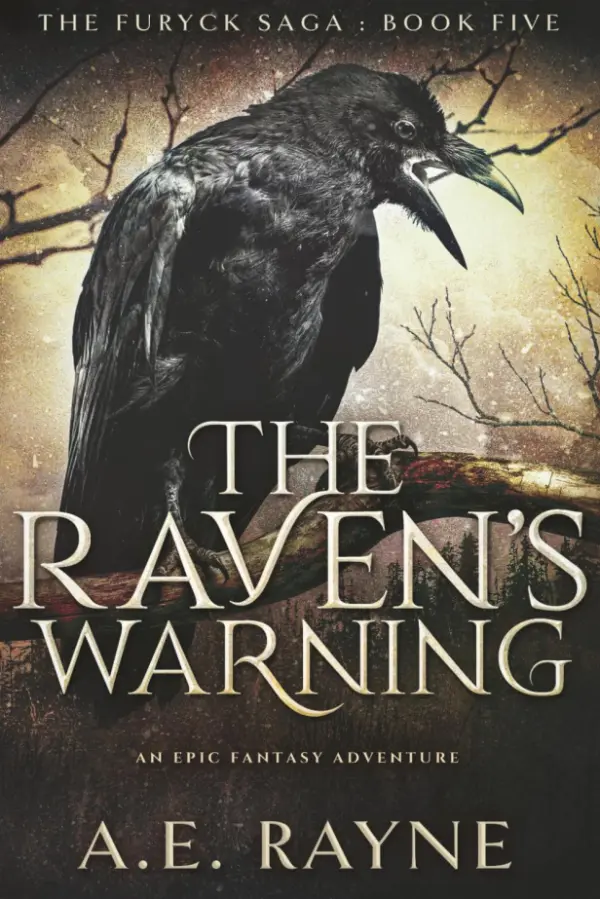
A. E. Rayne
The Furyck Saga, book 5
Average Goodreads rating4.6
Matched via its series
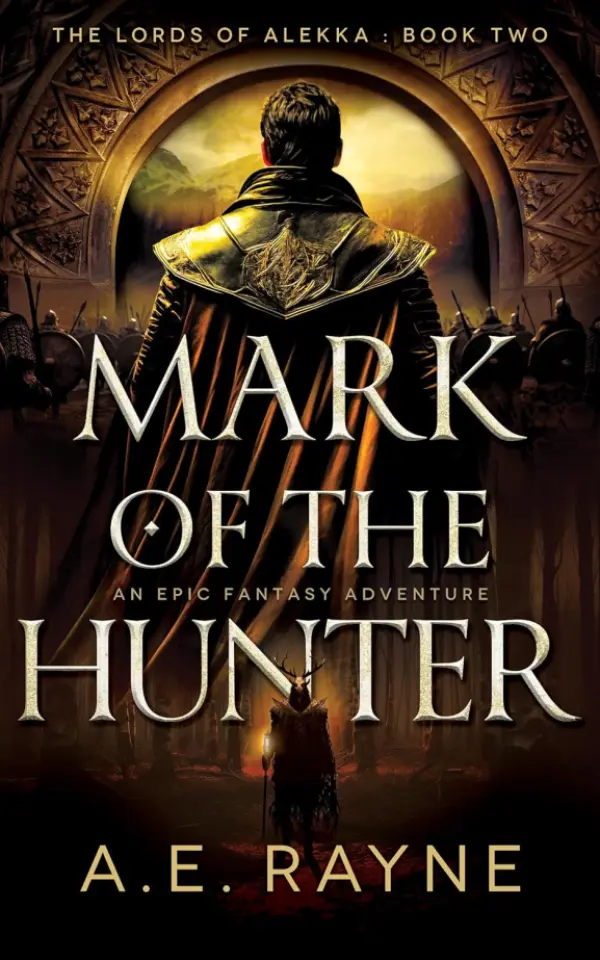
A. E. Rayne
The Lords of Alekka, book 2
Average Goodreads rating4.5
Matched via its series
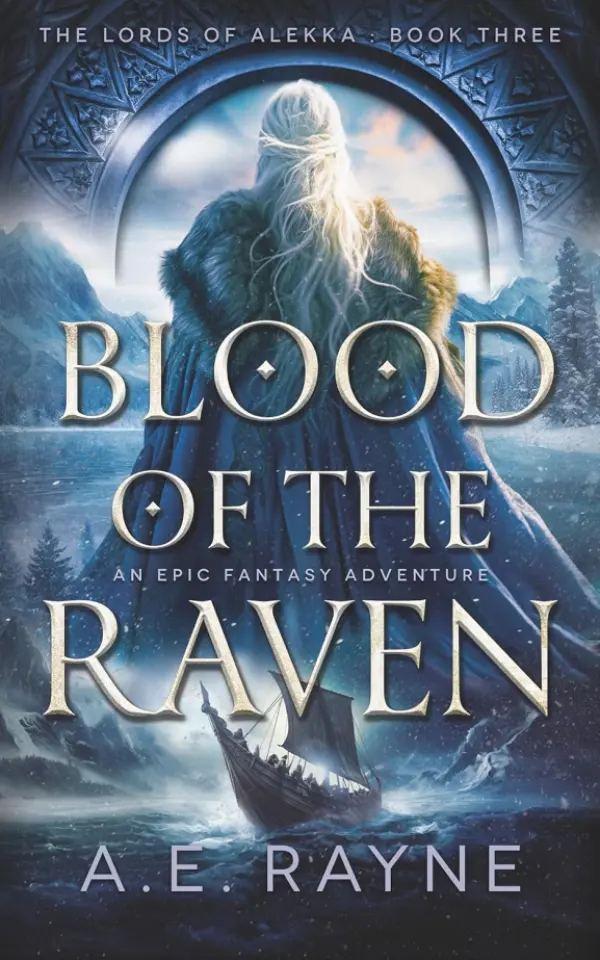
A. E. Rayne
The Lords of Alekka, book 3
Average Goodreads rating4.6
Matched via its series
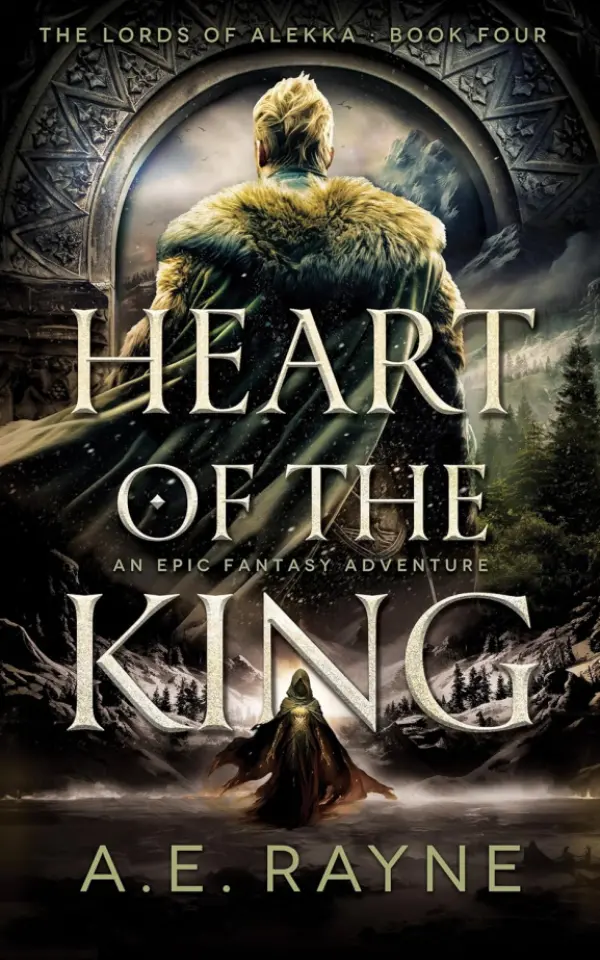
A. E. Rayne
The Lords of Alekka, book 4
Average Goodreads rating4.6
Matched via its series
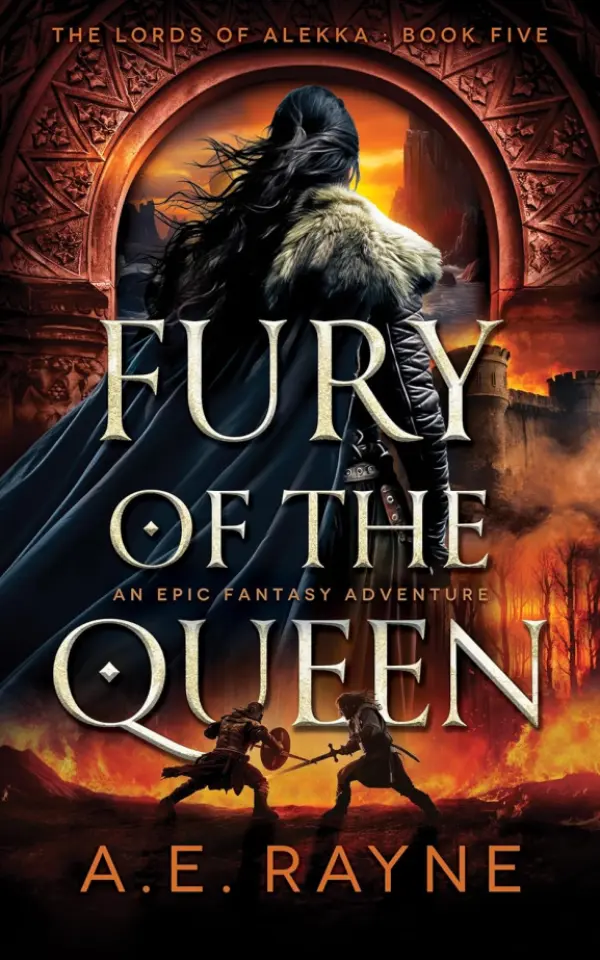
A. E. Rayne
The Lords of Alekka, book 5
Average Goodreads rating4.7
Matched via its series

Hannah Kaner
Fallen Gods, book 3
Average Goodreads rating4.5
Matched via its series

Hannah Kaner
Fallen Gods, book 2
Average Goodreads rating4.3
Matched via its series
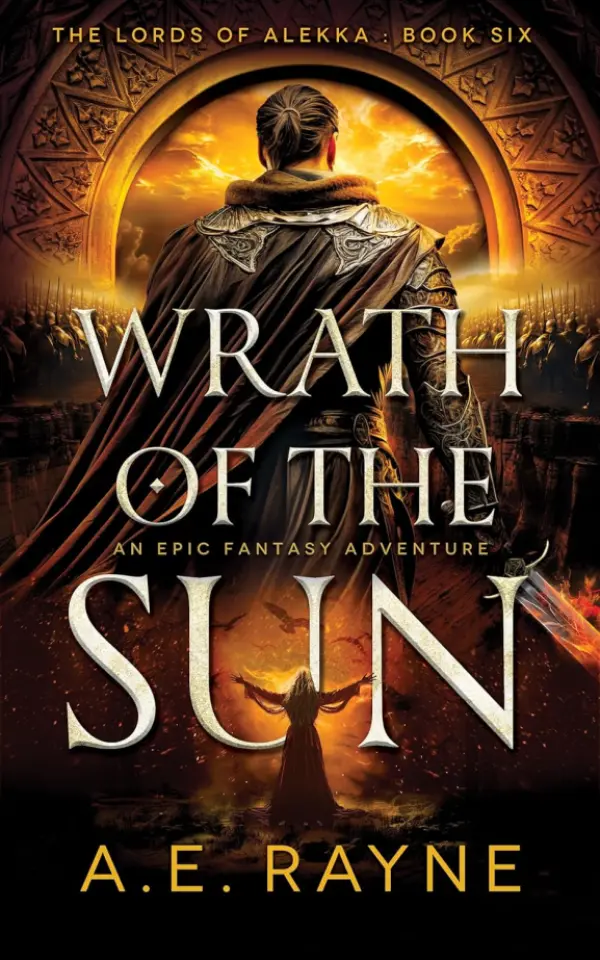
A. E. Rayne
The Lords of Alekka, book 6
Matched via its series
Tropes that share the most books with Divine Conflict Between Gods
When gods fight, mortals suffer. That simple truth sits at the heart of one of storytelling's oldest and most enduring dynamics. The Divine Conflict Between Gods trope takes the scale of conflict beyond armies and kingdoms, beyond politics and power struggles, into something cosmological - a war or rivalry between beings whose disagreements reshape reality itself. The stakes are not territorial or ideological in any ordinary sense. When gods are in conflict, the world is the battlefield, and the people living in it are rarely consulted about whether they want to be involved.
This trope is defined by conflict between divine or near-divine beings whose power operates on a scale that dwarfs ordinary human agency - and whose war, rivalry, or opposition has direct and devastating consequences for the mortal world. The conflict might be ancient, rooted in a fracture that predates the current story entirely. It might be newly ignited by an event that tips a long-held balance. It might be open warfare or something slower and more political - a divine cold war played out through mortal proxies, chosen champions, and carefully managed catastrophes. What defines it is the collision of powers that are not accountable to ordinary moral frameworks, whose motives are vast and whose methods are not constrained by anything mortals would recognise as consequence.
There is something specifically thrilling about conflict at divine scale - the sense that the story is operating at the outermost edges of what a narrative can contain. Readers are drawn to this trope because it delivers genuine grandeur: battles that reshape geography, rivalries that have persisted across centuries, beings whose anger manifests as storms or famines or the slow unravelling of natural law. But the best versions of this trope are compelling not just because of their scale but because of what they reveal about power unchecked. Gods in conflict are fascinating partly because they are so recognisably flawed - petty, proud, grievance-driven - despite their extraordinary capacities.
Mortal characters in these stories typically begin on the periphery of a conflict they do not fully understand, gradually drawn toward its centre as events make neutrality impossible. The divine antagonists are often revealed in layers - first as distant forces, then as present ones, then as beings with histories and motivations that reframe everything the protagonist thought they understood about the world. A common structural move is to place mortal characters in positions where they must navigate between opposing divine forces, finding ways to act with agency inside a conflict designed to leave them none. The resolution rarely involves defeating the gods outright - it tends to involve finding the leverage point, the fracture, or the forgotten rule that changes the terms of the conflict entirely.
The Divine Conflict Between Gods trope endures because it is myth in its purest narrative form. Every culture that has ever told stories has imagined its gods in conflict - because doing so externalises the forces that feel too large for ordinary human drama, and gives them faces, voices, and motivations that a story can work with. It also allows fiction to explore the uncomfortable question at the heart of divine power: if beings this powerful are also this flawed, what does that mean for the world they created and the people living in it? The heavens are at war. The answer, when it comes, is never just about the gods.
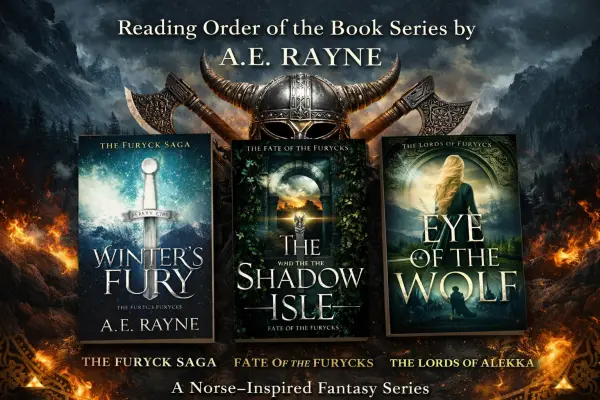
New to A. E. Rayne? This complete reading order guide covers The Furyck Saga, The Lords of Alekka, and Fate of the Furycks - three interconnected epic fantasy series set in the same world, full of warring kingdoms, dark magic, and unforgettable characters.
Occasional emails with new recommendations, series news and trope round-ups.