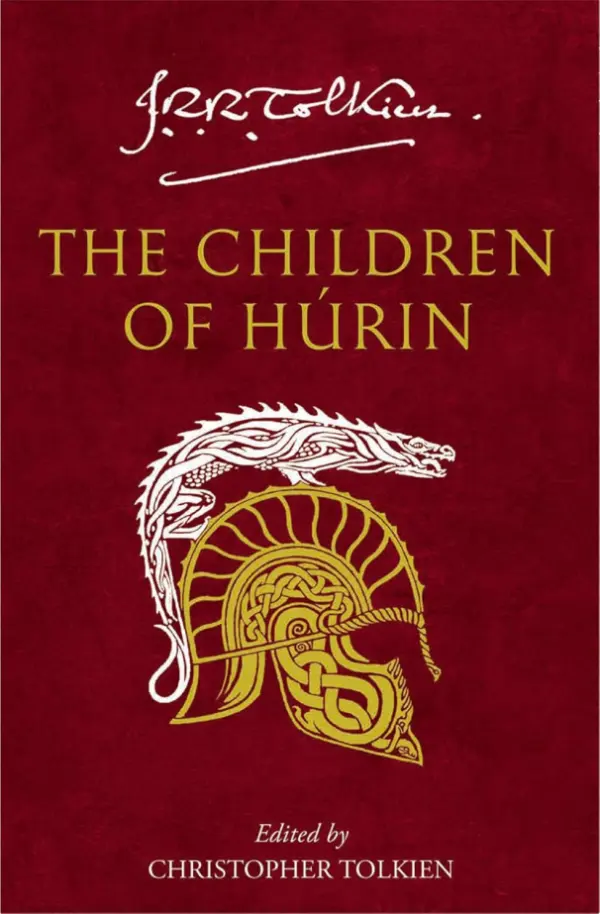
The Children of Húrin
Average Goodreads rating4.6
- Dragon Lore
- Norse-inspired fantasy

Author · British
J.R.R. Tolkien was the father of modern fantasy, creator of Middle-earth and author of The Hobbit and The Lord of the Rings. His meticulous worldbuilding, invented languages, and mythological depth established the template for epic fantasy that endures today.
New to J. R. R. Tolkien? A popular place to start
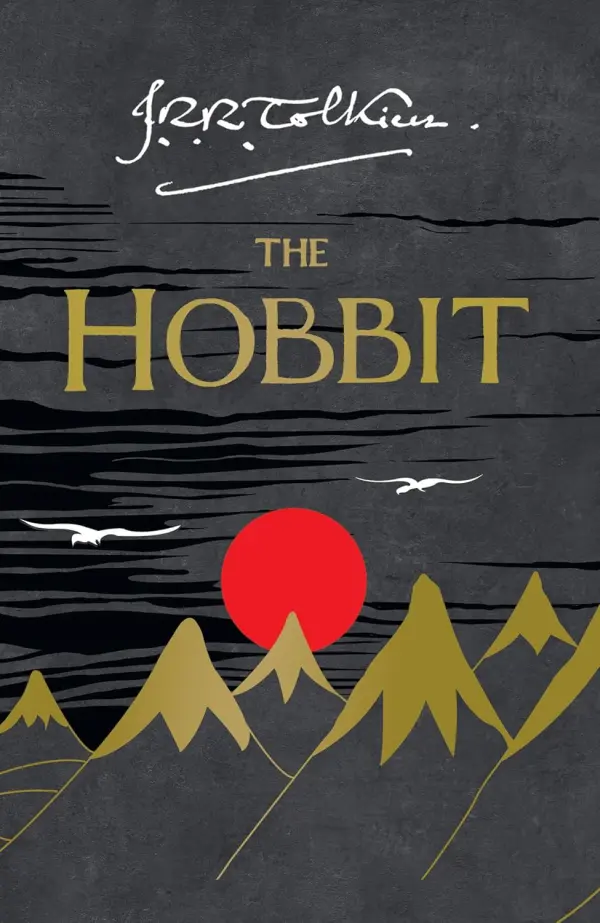
The Hobbit by J.R.R. Tolkien follows comfort-loving Bilbo Baggins recruited for a dwarven quest to reclaim a mountain from a dragon. This beloved fantasy classic delivers adventure, humor, and the first glimpse of Middle-earth that changed fantasy forever.
Picked from J. R. R. Tolkien’s most widely rated books on Goodreads, starting at the beginning of its series.
Retailer links may earn Trope Trove a commission, at no extra cost to you.
Not part of a series listed on Trope Trove
Average Goodreads rating4.6
Average Goodreads rating4.6
Average Goodreads rating4.7
John Ronald Reuel Tolkien (1892-1973) was an English author, poet, and academic whose creation of Middle-earth established the foundations of modern epic fantasy, influencing virtually every fantasy author who followed whilst creating works that remain among the most beloved in literary history. A professor of Anglo-Saxon and English Language and Literature at Oxford University, Tolkien brought academic rigor to his creative work - inventing complete languages with grammatical systems, constructing detailed histories spanning thousands of years, creating mythologies with internal consistency, and building a secondary world so thoroughly realized that readers experience it as genuinely existing rather than merely imagined. His influence on fantasy as a genre is so complete that it remains the dominant template decades after his death.
The Hobbit (1937) began as a story told to Tolkien's children, following Bilbo Baggins - a comfort-loving hobbit - recruited by the wizard Gandalf and a company of thirteen dwarves to help reclaim their mountain home from the dragon Smaug. More accessible and lighter in tone than his later work, The Hobbit introduces Middle-earth through Bilbo's perspective as an ordinary creature thrust into extraordinary adventure, establishing hobbits as a species and introducing key elements - the Shire, Rivendell, dwarven culture - that would become central to the later trilogy.
The Lord of the Rings (1954-1955), published in three volumes (The Fellowship of the Ring, The Two Towers, The Return of the King), represents Tolkien's masterwork - an epic quest following Bilbo's nephew Frodo as he inherits the One Ring and must journey to Mordor to destroy it before the Dark Lord Sauron can reclaim it and dominate Middle-earth. The trilogy established conventions that define epic fantasy: the quest structure, the fellowship of diverse companions, the struggle between light and darkness, the ancient evil threatening the world, and the ordinary person discovering heroic capacity. Its scope, depth, and emotional resonance set a standard that remains extraordinarily difficult to match.
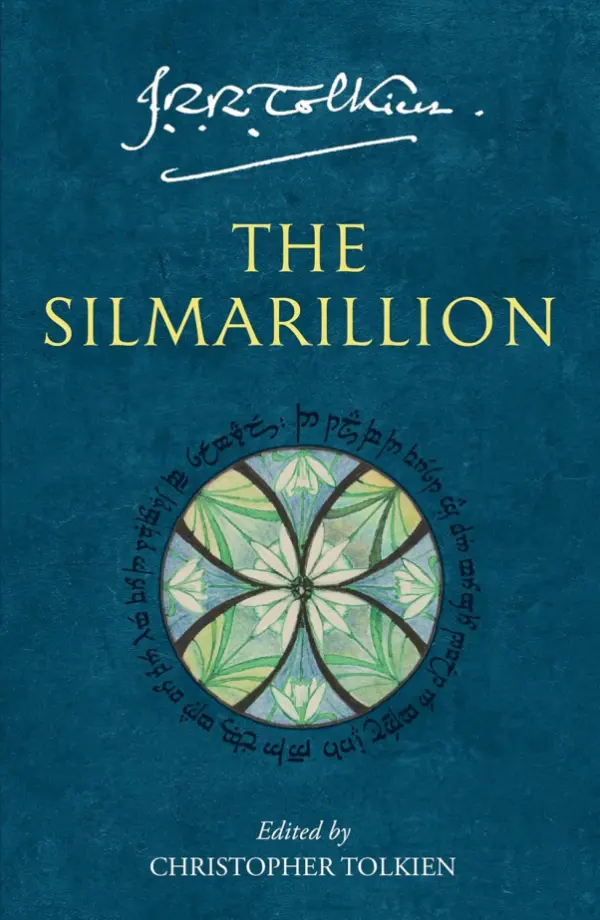
The Silmarillion (1977), published posthumously by his son Christopher Tolkien, collects the mythological and historical writings forming the deep background of Middle-earth - the creation myth, the ages of the world before The Hobbit, and the stories of the Elves, Men, and Valar that informed everything Tolkien wrote. Essential reading for those who want to understand Middle-earth's full depth, though demanding for those seeking straightforward narrative.
Tolkien's writing is characterized by meticulous worldbuilding spanning thousands of years, invented languages with complete grammatical systems (Quenya, Sindarin), mythological depth drawing from Norse, Finnish, and Anglo-Saxon traditions, detailed maps and appendices, themes of loss and eucatastrophe (sudden joyous turn), ordinary heroes, ancient evil, and prose that ranges from accessible adventure to archaic grandeur.
Common themes include the corrupting nature of power, preservation versus change, the importance of ordinary courage, loss of beauty and innocence, friendship and fellowship, duty versus desire, and the persistence of good despite overwhelming darkness.
Tolkien's concept of "subcreation" - the idea that creating secondary worlds is a fundamentally human and meaningful act - shaped both his approach and how subsequent fantasy authors understood their work.
What distinguishes Tolkien is the depth beneath the surface - Middle-earth's history, languages, and cultures exist whether or not they appear in the narratives, creating a sense of reality that few secondary worlds have achieved since.

Hannah Kaner
Fallen Gods, book 1
Average Goodreads rating4.3

George R. R. Martin
A Song of Ice and Fire, book 1
Average Goodreads rating4.7
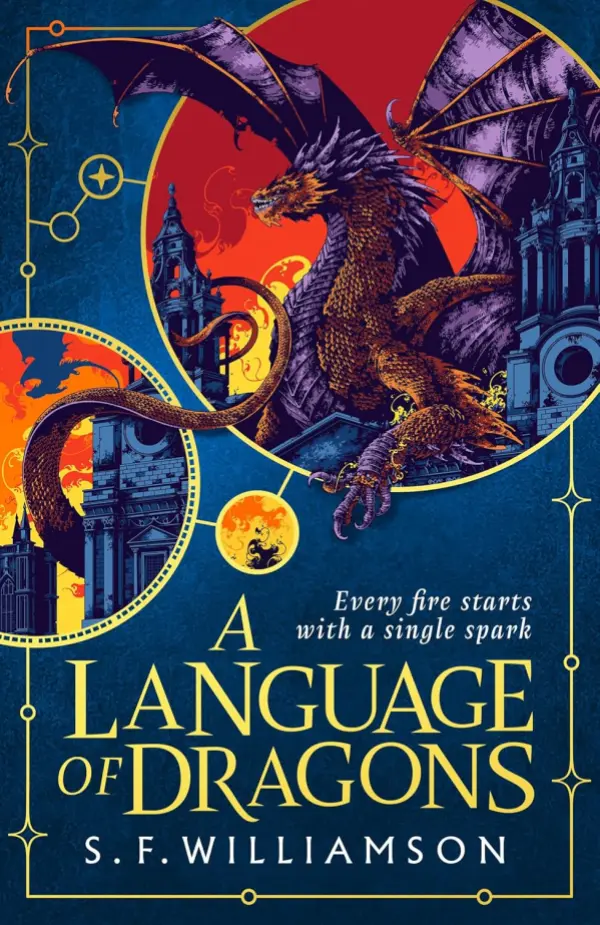
S. F. Williamson
A Language of Dragons, book 1
Average Goodreads rating4.3
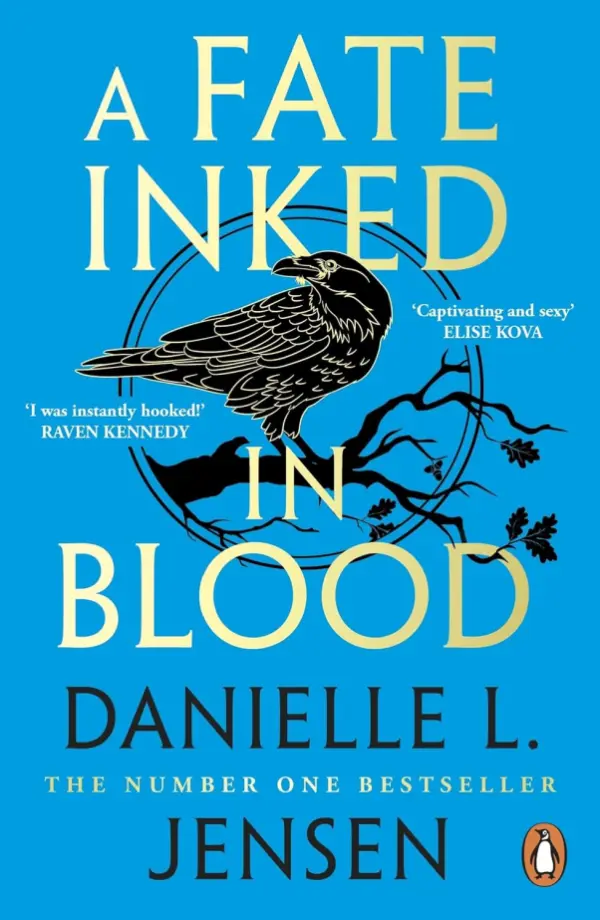
Danielle L. Jensen
Saga of the Unfated, book 1
Average Goodreads rating4.2
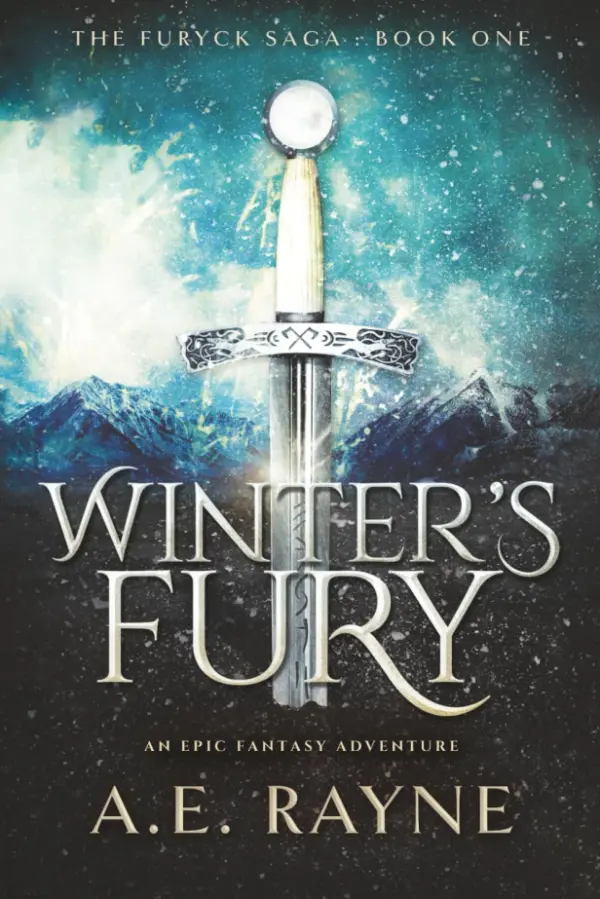
A. E. Rayne
The Furyck Saga, book 1
Average Goodreads rating4.2
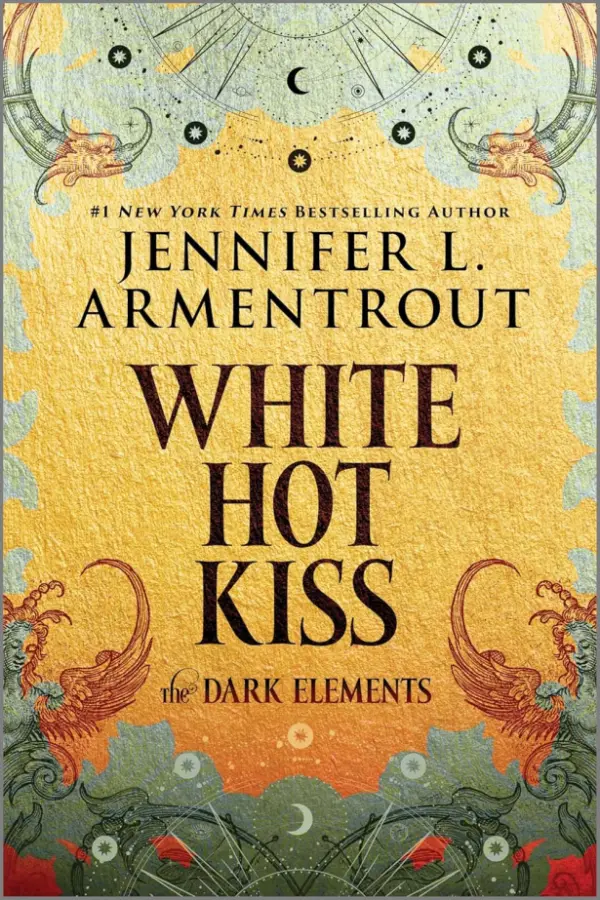
Jennifer L. Armentrout
The Dark Elements, book 1
Average Goodreads rating4.1

Dragons, magic, and mayhem - these are the fantasy books that do dragons best. Whether you want epic battles, ancient lore, or unbreakable bonds between human and beast, we've got your next read right here.
Occasional emails with new recommendations, series news and trope round-ups.