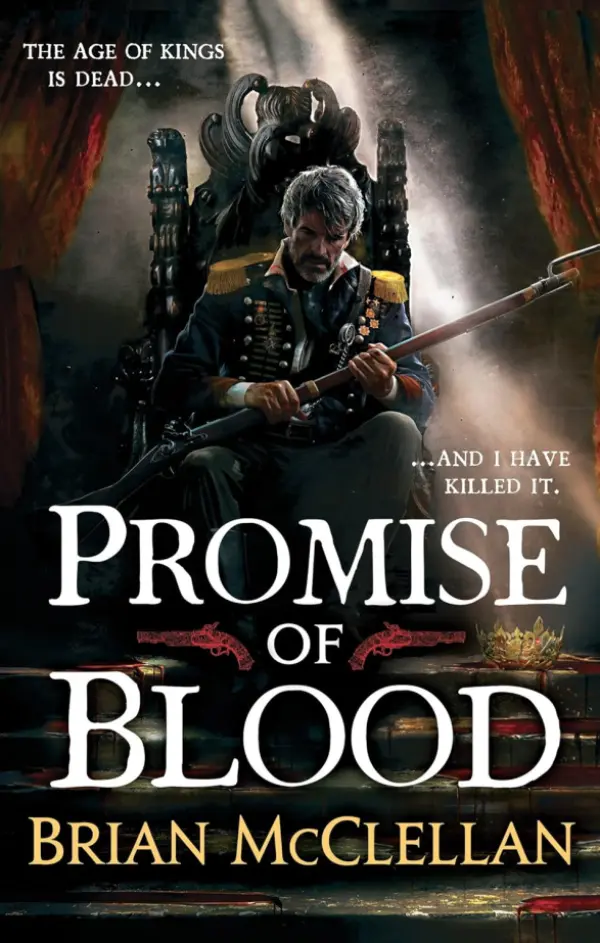
Book 1
Promise of Blood
Average Goodreads rating4.5

Author
Brian McClellan is a fantasy author known for flintlock epic fantasy, blending magic and muskets, political revolution, and morally grey power struggles.
New to Brian McClellan? A popular place to start
Book 1 of The Powder Mage Trilogy
Promise of Blood by Brian McClellan is a flintlock fantasy of revolution and gunpowder magic, where generals rule, gods intervene, and power demands blood.
Picked from Brian McClellan’s most widely rated books on Goodreads, starting at the beginning of its series.
Retailer links may earn Trope Trove a commission, at no extra cost to you.
3 books in reading order
Book 1
Average Goodreads rating4.5
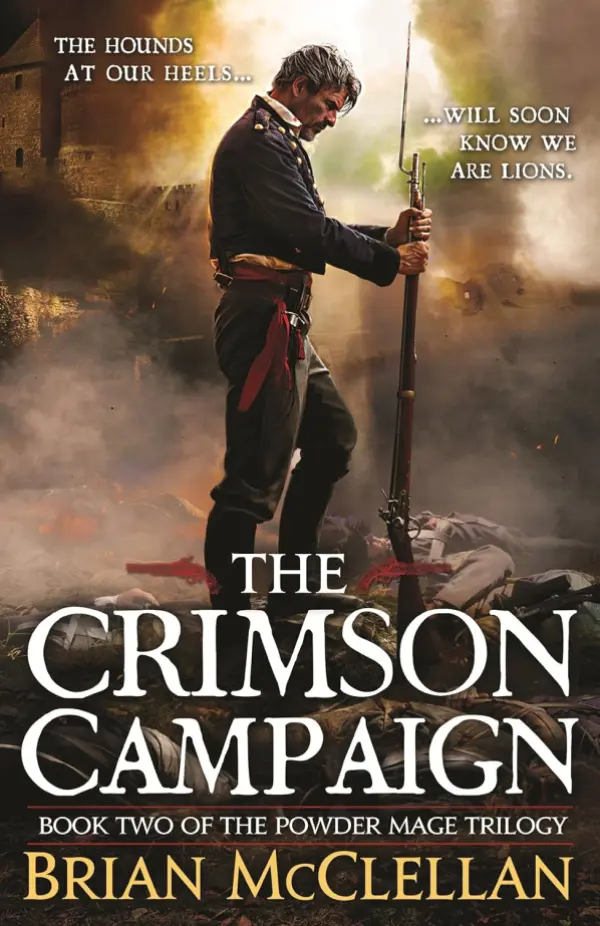
Book 2
Average Goodreads rating4.6
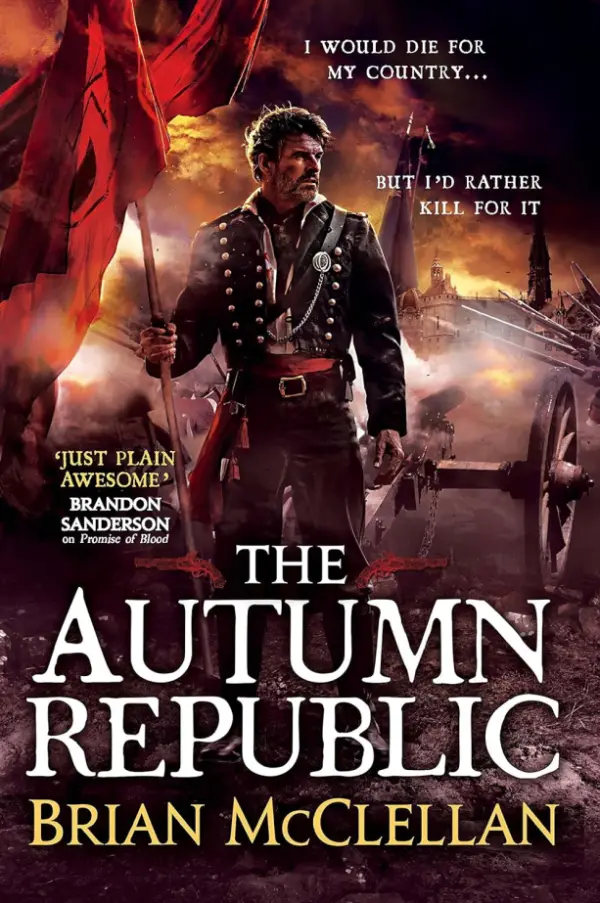
Book 3
Average Goodreads rating4.6
Brian McClellan is a celebrated fantasy author best known for pioneering modern flintlock fantasy, a subgenre that merges epic magic systems with early gunpowder technology, political upheaval, and military conflict. A student of Brandon Sanderson, McClellan brings a meticulous approach to worldbuilding while maintaining fast-paced, character-driven storytelling rooted in consequence and moral ambiguity.
McClellan rose to prominence with the Powder Mage universe, beginning with Promise of Blood. Set in a world undergoing violent revolution, the series replaces traditional medieval fantasy tropes with muskets, cannons, and industrial-era warfare. Magic users draw power from gunpowder itself, snorting powder to enhance strength, precision, and perception. This innovative system grounds fantastical elements in physical cost and limitation, reinforcing the series’ gritty realism.
A defining strength of McClellan’s work is his focus on political power and revolution. His stories examine what happens after tyrants fall - when idealism collides with governance, and victory brings instability rather than peace. Generals become politicians, rebels become rulers, and morality becomes increasingly compromised. Authority is never simple, and leadership often demands choices that blur heroism and atrocity.
McClellan’s characters are shaped by war, loyalty, and conflicting ideals. Protagonists are frequently morally grey, driven by conviction rather than righteousness. Fathers and sons, mentors and protégés, rulers and soldiers - these relationships form the emotional backbone of his narratives, grounding large-scale conflict in personal stakes. Violence is portrayed as costly and traumatic, never clean or triumphant.
Beyond the original trilogy, McClellan expanded his world with the Gods of Blood and Powder series, deepening the mythology and exploring the long-term consequences of revolution. Gods are not distant abstractions but active forces whose interference destabilises nations. Divinity is portrayed as dangerous and political, reinforcing the theme that power - mortal or divine - corrupts without accountability.
McClellan’s prose is direct and propulsive, favouring clarity and momentum over ornamentation. Action scenes are tactical and visceral, reflecting his interest in military strategy and battlefield realism. Yet emotional weight is never sacrificed; grief, guilt, and loyalty echo throughout his work, ensuring that spectacle never overshadows consequence.
Another recurring theme in McClellan’s writing is progress versus tradition. His worlds sit at the edge of modernity, where technology reshapes warfare and governance faster than society can adapt. This tension adds thematic depth, asking whether progress inevitably demands bloodshed - and whether revolutions ever truly end.
Brian McClellan’s novels are ideal for readers who enjoy Fantasy that prioritises political intrigue, innovative magic systems, and morally complex storytelling. Explosive, intelligent, and uncompromising, his work offers epic stakes without simple answers - where every victory reshapes the world in dangerous ways.

N. K. Jemisin
The Broken Earth, book 1
Average Goodreads rating4.4

Brent Weeks
Lightbringer, book 1
Average Goodreads rating4.5

Brandon Sanderson
Mistborn (The Original Trilogy), book 1
Average Goodreads rating4.6

R. F. Kuang
The Poppy War, book 1
Average Goodreads rating4.3

Evan Winter
The Burning, book 1
Average Goodreads rating4.4

John Gwynne
The Faithful and the Fallen, book 1
Average Goodreads rating4.4
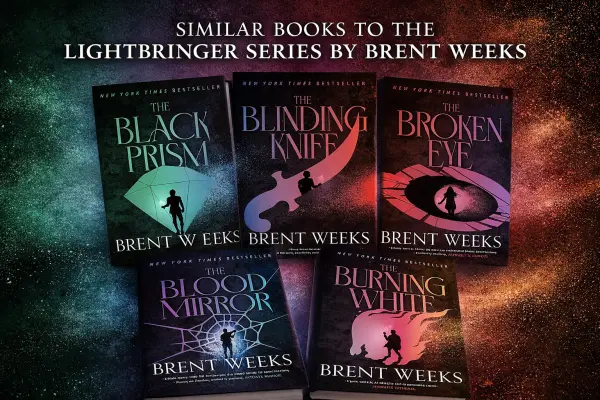
If you loved The Lightbringer series for its colour-based magic, political intrigue, and morally complex characters, these epic fantasy series deliver the same depth, twists, and high-stakes storytelling.
Occasional emails with new recommendations, series news and trope round-ups.