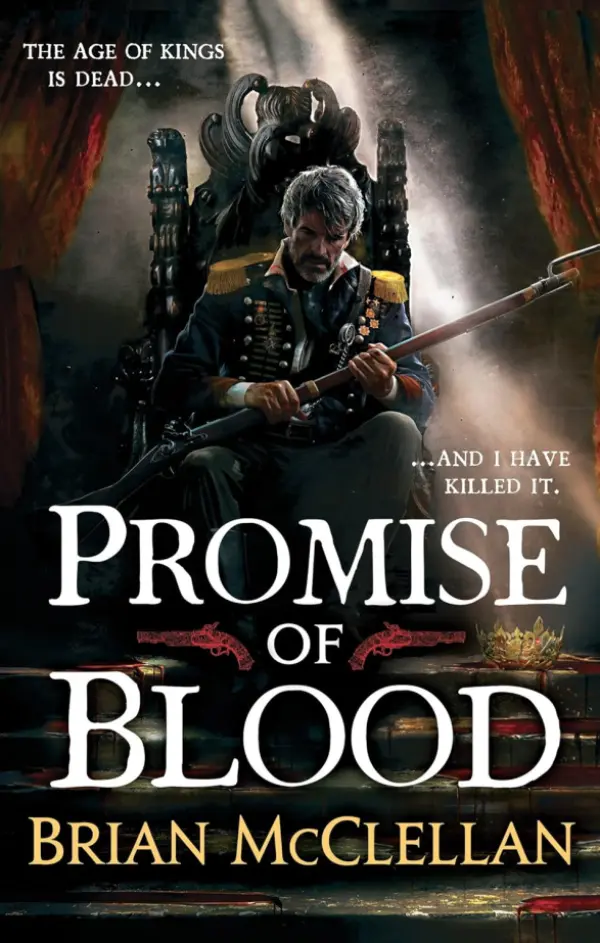
Promise of Blood
Brian McClellan
The Powder Mage Trilogy, book 1
Average Goodreads rating4.5
Matched via its series

Book trope · 3 books
Flintlock fantasy sits at the intersection of the fantastical and the historical, set in worlds that feel roughly analogous to the early modern period — think muskets, black powder, tricorn hats, and the smoke-choked chaos of battlefield artillery.
More about the Flintlock Fantasy trope0 are tagged with Flintlock Fantasy individually. The others belong to a series tagged with it, which doesn’t mean every book in it features the trope, so they’re marked “Matched via its series”.
Updating books…
3 books found
Brian McClellan
The Powder Mage Trilogy, book 1
Average Goodreads rating4.5
Matched via its series
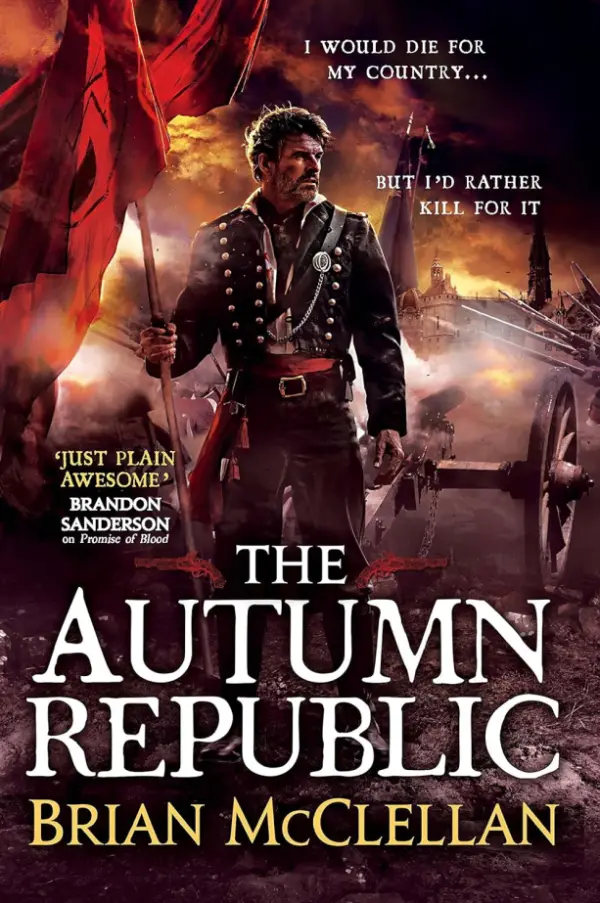
Brian McClellan
The Powder Mage Trilogy, book 3
Average Goodreads rating4.6
Matched via its series
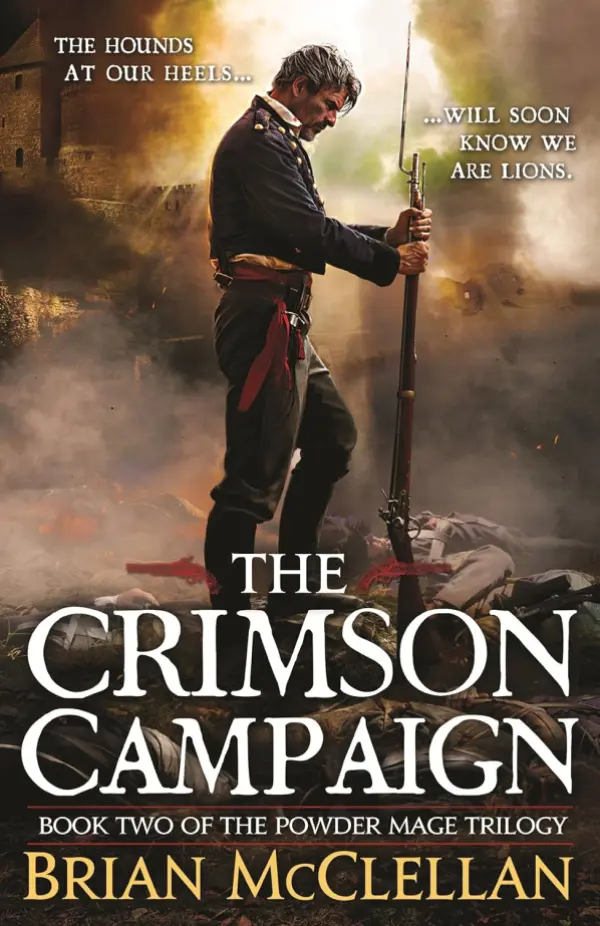
Brian McClellan
The Powder Mage Trilogy, book 2
Average Goodreads rating4.6
Matched via its series
Tropes that share the most books with Flintlock Fantasy
Flintlock fantasy sits at the intersection of the fantastical and the historical, set in worlds that feel roughly analogous to the early modern period — think muskets, black powder, tricorn hats, and the smoke-choked chaos of battlefield artillery. Magic exists, but it has to compete with gunpowder. Political intrigue hums beneath the rattle of cannon fire. These are stories where empires are built and broken not just by swords and sorcery, but by the cold logic of a pistol barrel.
The name comes from the flintlock mechanism — the firing technology that defined warfare from the seventeenth century through to the early nineteenth. That period of transition, when old hierarchies were crumbling and new industrial and military powers were rising, gives flintlock fantasy its distinctive mood: urgent, morally complicated, and rarely optimistic about who ends up holding the reins of power.
Part of the appeal is the texture. Flintlock worlds feel lived-in and gritty in a way that high fantasy sometimes doesn't. There are supply lines to worry about, powder that gets wet in the rain, soldiers who are frightened and underpaid. The stakes feel grounded even when the magic is spectacular.
There's also a political edge that the subgenre tends to lean into hard. Colonialism, revolution, class conflict, the cost of empire — these themes map naturally onto a world of competing nations armed with muskets and accompanied by a handful of dangerous mages. Readers who want their fantasy to say something about power and who wields it often find flintlock fiction delivers in ways that more traditional secondary-world fantasy doesn't.
Magic in flintlock fantasy is almost always constrained. It might be rare, painful, politically controlled, or simply outgunned — sometimes literally. A lone mage on a battlefield is dangerous, but a disciplined infantry line with volley fire is arguably more so. This balance is crucial. When magic becomes too dominant, the aesthetic tension collapses.
Military settings are common, though not universal. Some flintlock stories follow soldiers and officers through campaigns; others centre on spies, smugglers, revolutionary agitators, or court figures navigating the same powder-keg world from the inside. What they share is an atmosphere — the sense that the old order is ending and something uncertain is coming to replace it. The world is in motion, and the characters are caught up in it whether they want to be or not.
Found-family dynamics crop up frequently, particularly in military ensemble casts. Morally grey protagonists are almost a prerequisite. And unlike much epic fantasy, the enemy is rarely a dark lord — it's more often an institution, an ideology, or simply the people in charge.
Some authors push the timeline later, borrowing from Napoleonic warfare or even early industrialisation, which edges the subgenre towards gaslamp or steampunk territory. Others pull it earlier, drawing on Renaissance or early colonial settings. The common thread is the coexistence of gunpowder-era technology with active, if constrained, magic systems.
Flintlock fantasy overlaps significantly with military fantasy and low magic fantasy, and readers who love one usually have strong feelings about the others. It also tends to attract writers with an interest in detailed worldbuilding — the mechanics of how armies move, how economies function under war, how magic interacts with logistics. The research shows, and readers notice.
If you want fantasy that treats warfare as a grinding, complicated business rather than a stage for heroics, and magic as one dangerous variable among many, this is the subgenre that takes it seriously.
Occasional emails with new recommendations, series news and trope round-ups.