
A Game of Thrones
George R. R. Martin
A Song of Ice and Fire, book 1
Average Goodreads rating4.7

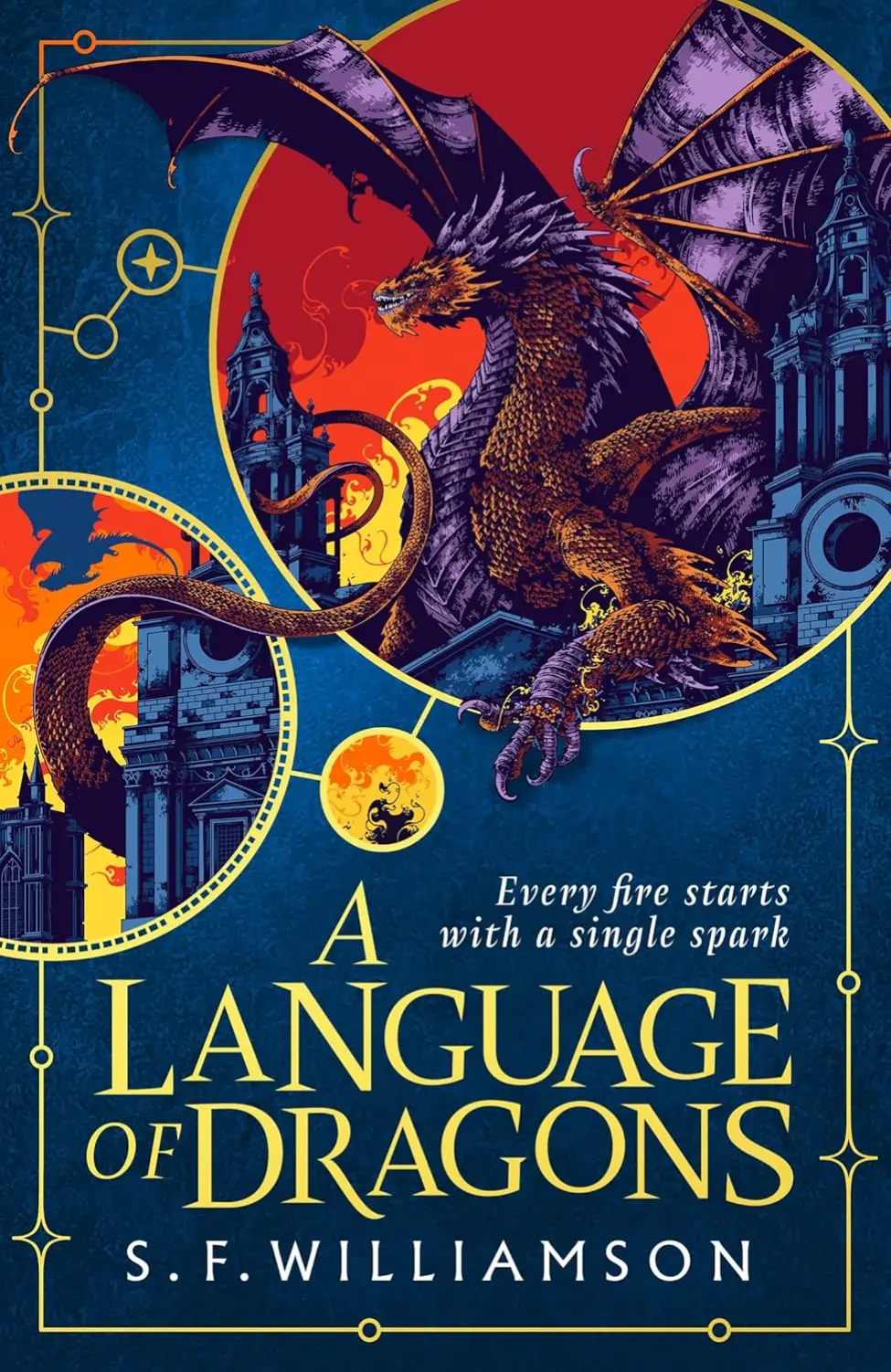
Book 1 in A Language of Dragons
We independently select and recommend books. Purchases made through our links may earn us a commission, at no extra cost to you. Prices and availability are set by each retailer.
A Language of Dragons by S. F. Williamson is a fantasy novel where dragons, politics, and translation collide, revealing how language itself becomes a weapon of power.
Tagged on the series as a whole, so not every book will feature each one.
A Language of Dragons by S. F. Williamson is the opening novel in the A Language of Dragons series, a sophisticated work of Fantasy that blends dragon mythology with political intrigue and linguistic power. Rather than centring on conquest or prophecy, the novel explores how control over knowledge - especially language - can shape empires, determine identity, and rewrite history.
Set in a world governed by imperial expansion, the story unfolds within systems where dragons are not simply beasts of legend but sentient beings whose communication holds immense political value. Understanding dragon language grants influence, legitimacy, and authority. Williamson positions translation and interpretation as acts of power, showing how meaning can be manipulated to preserve dominance or spark resistance.
At the heart of the novel is a protagonist whose survival depends not on physical strength, but on intellect and perception. Scholarship becomes both shield and liability as academic institutions are revealed to be deeply entwined with imperial ambition. Williamson interrogates education as gatekeeping, exposing how knowledge is restricted, weaponised, and used to justify inequality.
The dragons themselves are complex, intelligent, and resistant to simple moral classification. They are entwined in systems of exploitation and diplomacy, raising ethical questions about consent, coexistence, and autonomy. Williamson avoids romanticising dragons as symbols of freedom, instead presenting them as participants in a fragile political balance shaped by history and mistrust.
A major theme of the novel is language as power. Treaties hinge on translation, histories are curated through selective preservation, and cultural erasure occurs quietly through mistranslation and academic authority. Williamson highlights how empires do not only conquer through violence, but through controlling narrative and meaning. Words determine who belongs, who rules, and who is silenced.
Political intrigue drives much of the tension. Alliances are unstable, loyalty is conditional, and truth is negotiable. Characters are forced to navigate layered hierarchies where rebellion is rarely overt and often intellectual. Moral certainty is elusive, reinforcing the novel’s morally grey tone. Choices carry consequences that ripple beyond individual lives, shaping cultures and futures.
Williamson’s prose is immersive and precise, balancing lyrical description with clarity of thought. Worldbuilding unfolds gradually through dialogue, research, and lived experience rather than exposition, encouraging readers to engage actively with the setting. The result is a richly textured fantasy world grounded in believable systems of power.
A Language of Dragons stands out for its cerebral approach to dragon fantasy. Wonder and danger remain, but the true conflict lies in who controls understanding itself. By centring language, scholarship, and politics, Williamson delivers a novel that feels both epic and intimate.
This book is ideal for readers who enjoy Fantasy that prioritises intellectual tension, political depth, and dragons as cultural forces rather than spectacle. Thoughtful, immersive, and sharply relevant, A Language of Dragons asks a powerful question: when words shape reality, who gets to decide their meaning?
George R. R. Martin
A Song of Ice and Fire, book 1
Average Goodreads rating4.7

Evan Winter
The Burning, book 1
Average Goodreads rating4.4
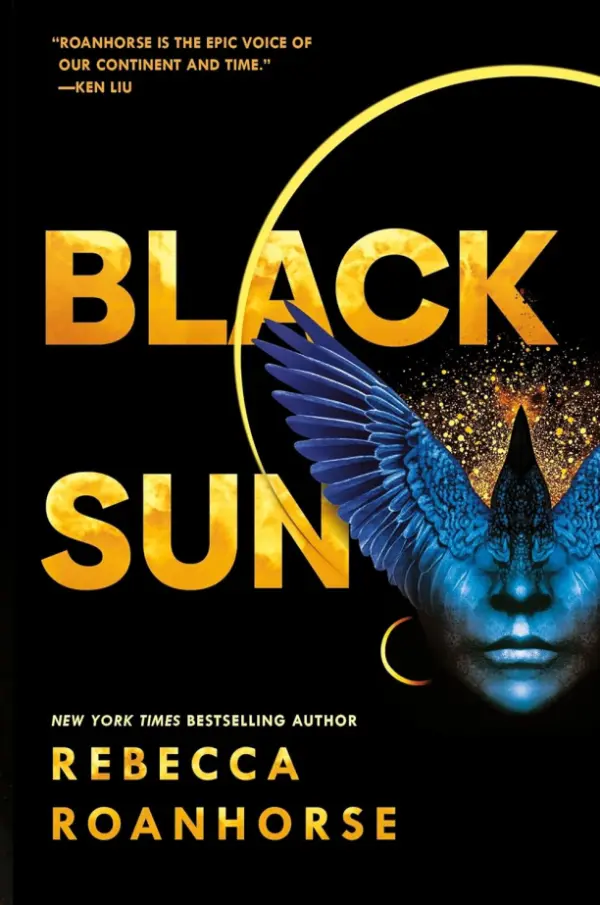
Rebecca Roanhorse
Between Earth and Sky, book 1
Average Goodreads rating4.4
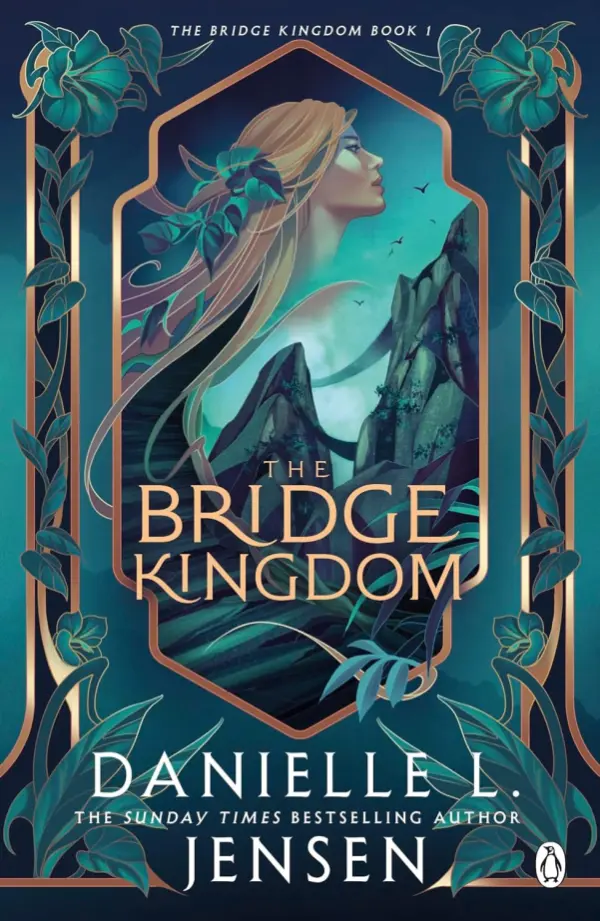
Danielle L. Jensen
The Bridge Kingdom, book 1
Average Goodreads rating4.3
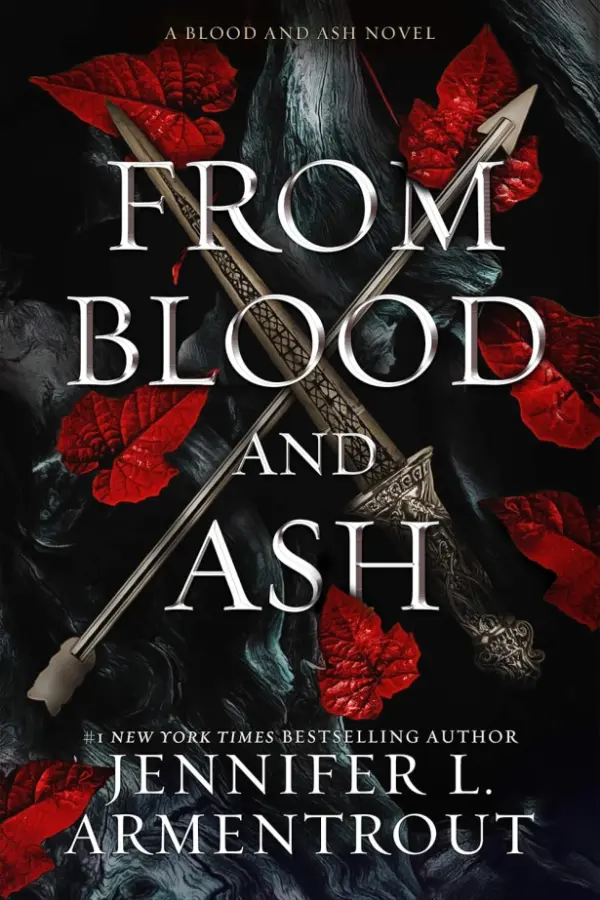
Jennifer L. Armentrout
Blood And Ash, book 1
Average Goodreads rating4.6

Brent Weeks
Lightbringer, book 1
Average Goodreads rating4.5
Still Looking?
Further down our similarity list, but still sharing tropes and genres with this book.

Ryan Cahill
The Bound and the Broken, book 1
Average Goodreads rating4.4
Buy from Amazon (opens Amazon in a new tab)
Robin Hobb
Liveship Traders Trilogy, book 1
Average Goodreads rating4.5
Buy from Amazon (opens Amazon in a new tab)
Shannon Chakraborty
The Daevabad Trilogy, book 1
Average Goodreads rating4.4
Buy from Amazon (opens Amazon in a new tab)S. F. Williamson is a fantasy author known for immersive worlds, political tension, and dragon-centric stories where language, power, and identity collide.
Books, series and tropes by S. F. WilliamsonA Language of Dragons
Buy from Amazon (opens Amazon in a new tab)Occasional emails with new recommendations, series news and trope round-ups.