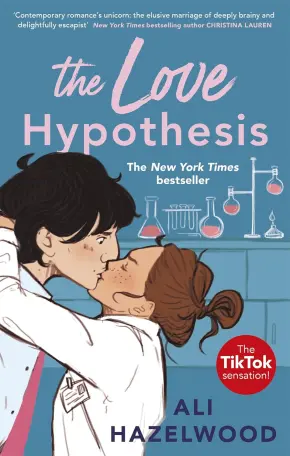
The Love Hypothesis
Ali Hazelwood
Average Goodreads rating4.1
- Witty Banter & Sharp Dialogue
- Grumpy-Sunshine Dynamic

Book trope · 9 books
At its core, Women in STEM is a character-driven trope centred on heroines who are scientists, engineers, mathematicians, doctors, or technologists — women whose intelligence is their defining trait rather than a quirk to be softened or explained away.
More about the Women in STEM tropeUpdating books…
9 books found
Ali Hazelwood
Average Goodreads rating4.1
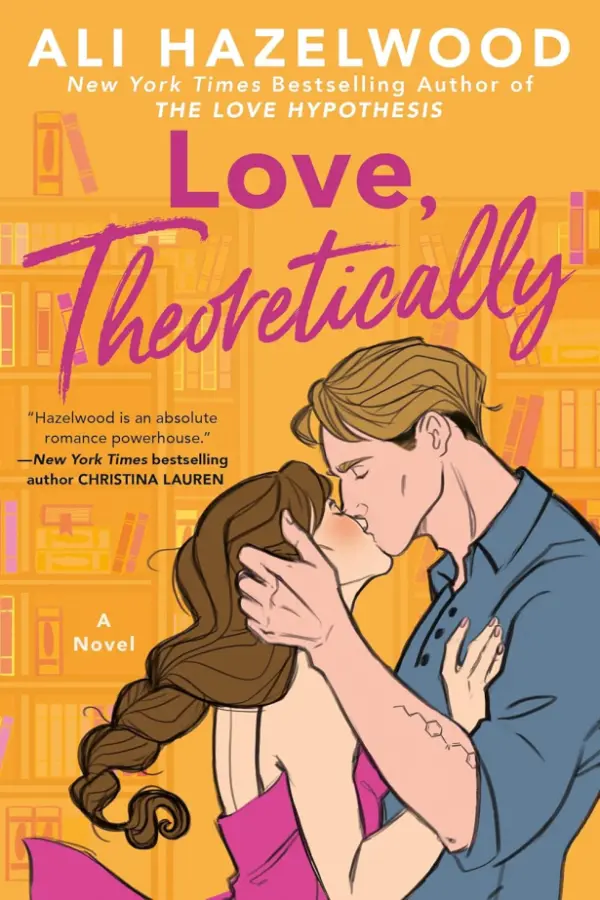
Ali Hazelwood
Average Goodreads rating4.1
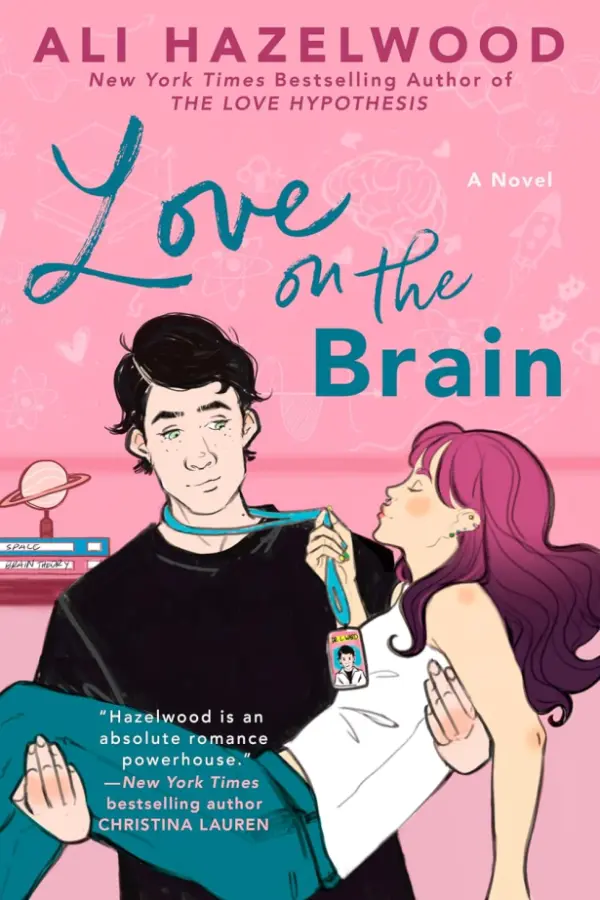
Ali Hazelwood
Average Goodreads rating3.9

Ali Hazelwood
Average Goodreads rating3.6
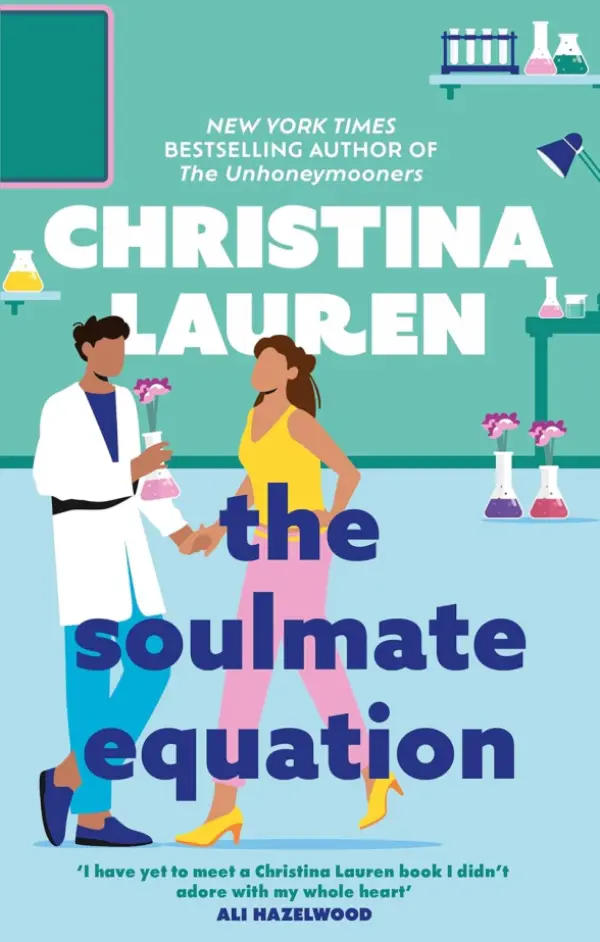
Christina Lauren
Average Goodreads rating4.0
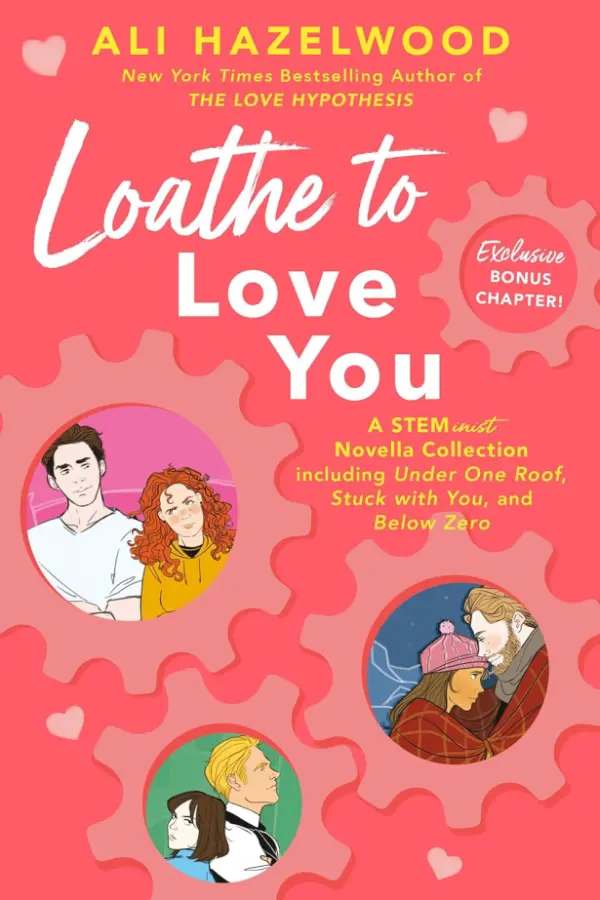
Ali Hazelwood
Average Goodreads rating3.8

Ali Hazelwood
Average Goodreads rating4.4

Ali Hazelwood
Average Goodreads rating4.4

Christina Lauren
Tropes that share the most books with Women in STEM
At its core, Women in STEM is a character-driven trope centred on heroines who are scientists, engineers, mathematicians, doctors, or technologists — women whose intelligence is their defining trait rather than a quirk to be softened or explained away. These protagonists think analytically, solve problems methodically, and often see the world through a lens of evidence and logic. Their expertise isn't decoration. It shapes how they fall in love, how they face danger, and how they ultimately succeed.
It's a trope that resonates because it reflects reality — women have always worked in science and technology, even when history forgot to record it. Seeing that reflected in fiction, particularly in romance and fantasy where heroines have traditionally skewed toward other archetypes, feels both validating and quietly radical.
There's something deeply satisfying about watching a heroine talk about her research with the same intensity most fictional women reserve for the love interest. Often, she does both simultaneously — and that tension between professional passion and romantic feeling is where the real drama lives. Readers who've spent years being told their technical interests were unfeminine find something almost cathartic in a protagonist who never once apologises for knowing things.
The love interest dynamic tends to be particularly charged. Whether he's a brooding CEO who underestimates her, a fellow academic competing for the same grant, or a historical lord baffled by her telescope, the moment he realises she's the most capable person in the room is almost always electric. Competence as foreplay, essentially.
A strong Women in STEM narrative gives the heroine's specialism genuine weight. Her biology PhD or her engineering project isn't just a convenient excuse to put her in a lab coat — it creates real stakes, real obstacles, and often the central conflict of the plot. When done well, readers actually learn something, woven into the story so naturally they barely notice.
These heroines are also frequently contending with institutional resistance: dismissive colleagues, funding bodies who overlook them, a historical period that actively barred their participation. That friction isn't incidental background texture. It's usually what forges the character. She's had to be twice as good for half the recognition, and the story knows it.
Romantically, the trope pairs neatly with enemies-to-lovers, forced proximity (lab partners, research expeditions, late nights in the archive), and the slow burn that comes from two people who are too busy being professionally competitive to admit they're also desperately attracted to each other.
In contemporary romance, the setting is often academia, biotech, or medicine — environments with built-in hierarchies and plenty of opportunity for rivalry and collaboration to blur into something warmer. Historical romance reaches back to real figures and invented ones: female naturalists, astronomers, chemists working in an era that handed their discoveries to their husbands or brothers.
Fantasy and science fiction open up the possibilities considerably. The court mage who's really a theoretical physicist with a magic system. The engineer keeping a generation ship alive. The forensic alchemist. The setting changes; the core appeal doesn't. A woman who is extraordinary at what she does, who refuses to shrink herself, and who eventually meets someone worthy of her whole self — that formula works across centuries and across worlds.
If you want a heroine who solves things, Women in STEM delivers her every time.
Occasional emails with new recommendations, series news and trope round-ups.