
His & Hers
Alice Feeney
Average Goodreads rating4.1
- Multiple POV
- Twist Ending

Book trope · 15 books
On the surface, everything looks charming. The bakery opens early, everyone knows your name, and the church fête has been running for forty years.
More about the Small Town with Dark Underbelly trope4 are tagged with Small Town with Dark Underbelly individually. The others belong to a series tagged with it, which doesn’t mean every book in it features the trope, so they’re marked “Matched via its series”.
Updating books…
15 books found
Alice Feeney
Average Goodreads rating4.1
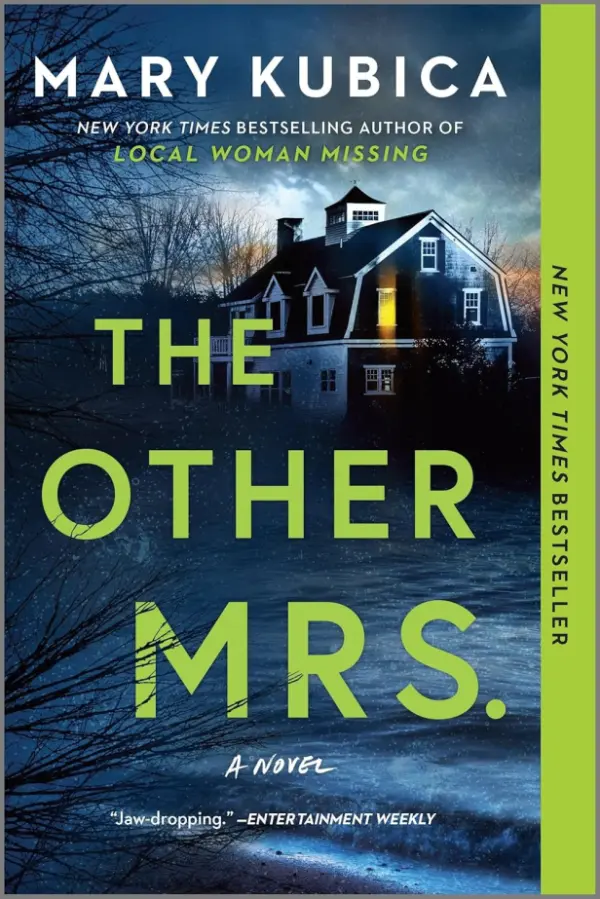
Mary Kubica
Average Goodreads rating3.7

Shari Lapena
Average Goodreads rating3.8

S. J. Watson
Average Goodreads rating3.1

Tana French
Cal Hooper, book 1
Average Goodreads rating3.8
Matched via its series

Keri Lake
The Eating Woods, book 1
Average Goodreads rating4.4
Matched via its series
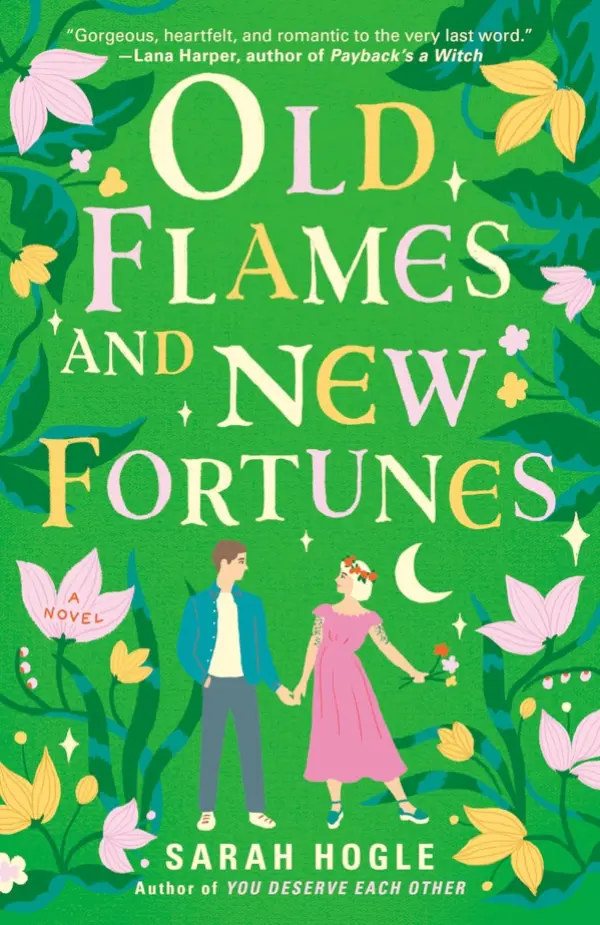
Sarah Hogle
Moonville, book 1
Average Goodreads rating3.5
Matched via its series

Chloe Walsh
Pocket, book 1
Average Goodreads rating4.6
Matched via its series

Tana French
Cal Hooper, book 2
Average Goodreads rating4.1
Matched via its series

Tana French
Cal Hooper, book 3
Average Goodreads rating4.3
Matched via its series

Keri Lake
The Eating Woods, book 2
Average Goodreads rating4.4
Matched via its series
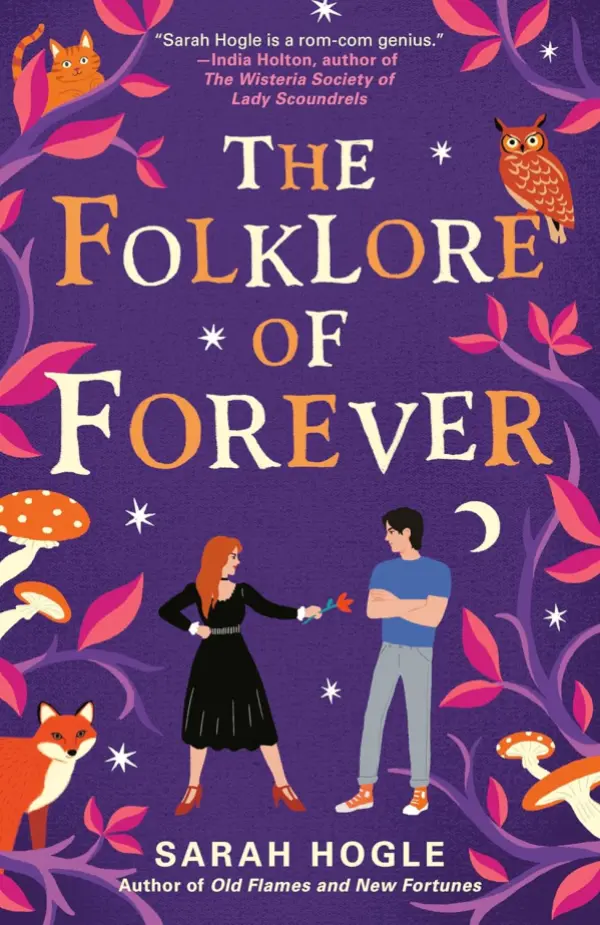
Sarah Hogle
Moonville, book 2
Average Goodreads rating3.2
Matched via its series

Chloe Walsh
Pocket, book 2
Average Goodreads rating4.7
Matched via its series

Chloe Walsh
Pocket, book 4
Average Goodreads rating4.6
Matched via its series

Chloe Walsh
Pocket, book 3
Average Goodreads rating4.7
Matched via its series
Tropes that share the most books with Small Town with Dark Underbelly
On the surface, everything looks charming. The bakery opens early, everyone knows your name, and the church fête has been running for forty years. But something is wrong. Maybe it's a feeling at first — a curtain dropping back into place a second too late, a conversation that stops the moment a stranger walks in. The small town with a dark underbelly is built on that gap between appearance and reality, between the warmth communities project and the secrets they'll do almost anything to protect.
This trope turns the idyllic village or close-knit rural town into something genuinely unsettling precisely because of how familiar and welcoming it first appears. The cosiness is the trap. Readers love it because it plays on a tension most of us recognise — that sense that beneath any sufficiently tight-knit group lies a shared history that outsiders aren't supposed to touch.
The setting does most of the work. Whether it's a fog-wrapped coastal village, a sun-baked American small town, or a picture-perfect English market town, the location itself becomes a character with its own agenda. Gossip functions as surveillance. Long-standing social hierarchies decide who gets believed and who gets dismissed. And history — old grudges, old crimes, old allegiances — has nowhere to go in a town with a long memory.
A newcomer or returning native often serves as the reader's way in, someone who can ask the questions that locals have stopped asking. The further they dig, the more the charming surface begins to crack. This is a trope that rewards slow reveals and careful atmosphere-building over shock tactics. The dread tends to accumulate quietly, detail by detail, until it's impossible to look at the town the same way again.
The trope sits most naturally in gothic fiction, mystery, and psychological thriller, but it's made itself very much at home in contemporary romance, too — particularly in stories where a protagonist returns to their hometown and finds that unresolved tensions from the past have been quietly festering. In darker fantasy, the close community becomes a place where old magic or ritual has calcified into something the townspeople accept as normal and outsiders find horrifying.
Cosy mysteries, despite their lighter tone, lean heavily on this structure. The pleasant village is always one body in the library away from revealing what's been simmering underneath. Southern Gothic fiction has arguably perfected the formula, using heat, decay, and generations-deep family secrets to make the familiar feel deeply, specifically wrong. Wherever it appears, the trope asks the same uncomfortable question: how well do you ever really know a place, or the people who've always lived there?
There's something almost cathartic about watching a supposedly safe space refuse to stay safe. Small towns in fiction often represent a fantasy of simplicity and belonging — and this trope interrogates that fantasy without quite destroying it. Even when the underbelly is fully exposed, there's usually still something worth saving, some genuine warmth buried under the rot.
The best versions of this trope make you feel the pull of the community even as it closes ranks against you. That's the real hook. Not just the secret, but the fact that you almost understand why they kept it.
Occasional emails with new recommendations, series news and trope round-ups.