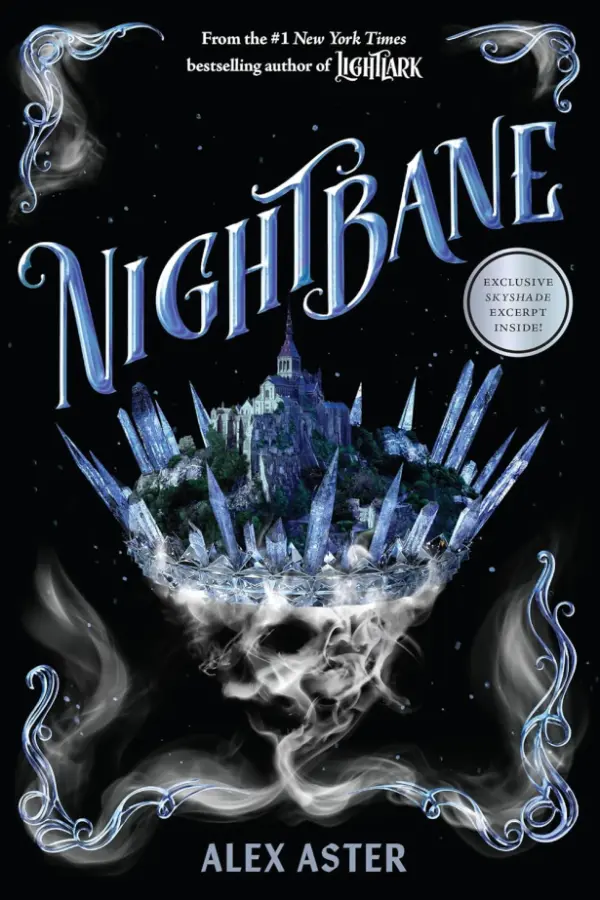
Nightbane
Alex Aster
Lightlark, book 2
Average Goodreads rating4.1
- Emotional Angst
- Plot Twists

Book trope · 26 books
At its core, the power struggles trope is exactly what it sounds like: characters fighting for control. That control might be a throne, a magical hierarchy, a pack, a court, a corporation — or something far less tangible, like influence, loyalty, or the right to determine the future.
More about the Power Struggles trope2 are tagged with Power Struggles individually. The others belong to a series tagged with it, which doesn’t mean every book in it features the trope, so they’re marked “Matched via its series”.
Updating books…
26 books found
Alex Aster
Lightlark, book 2
Average Goodreads rating4.1
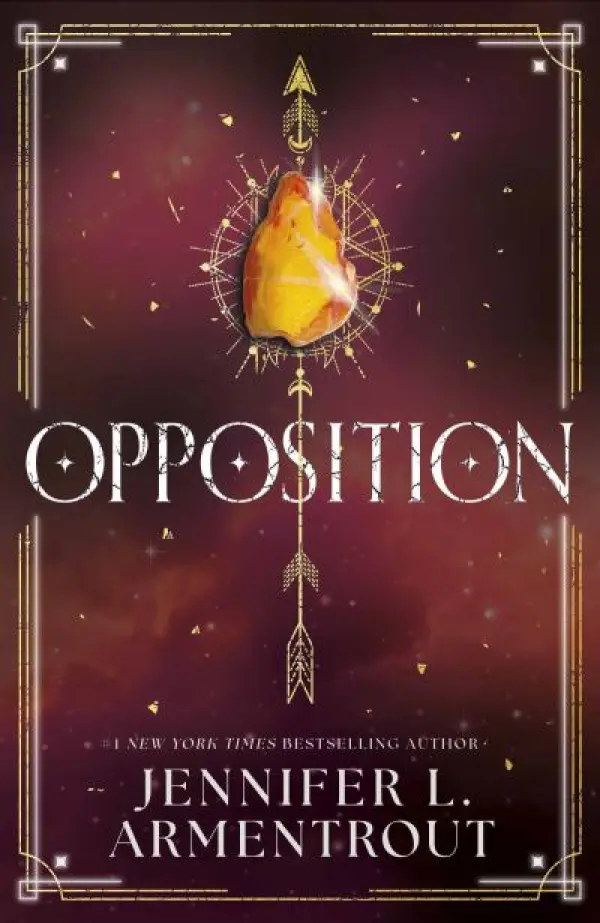
Jennifer L. Armentrout
Lux, book 5
Average Goodreads rating4.2

George R. R. Martin
A Song of Ice and Fire, book 1
Average Goodreads rating4.7
Matched via its series

Leigh Bardugo
King of Scars, book 1
Average Goodreads rating4.6
Matched via its series

Shannon Chakraborty
The Daevabad Trilogy, book 1
Average Goodreads rating4.4
Matched via its series
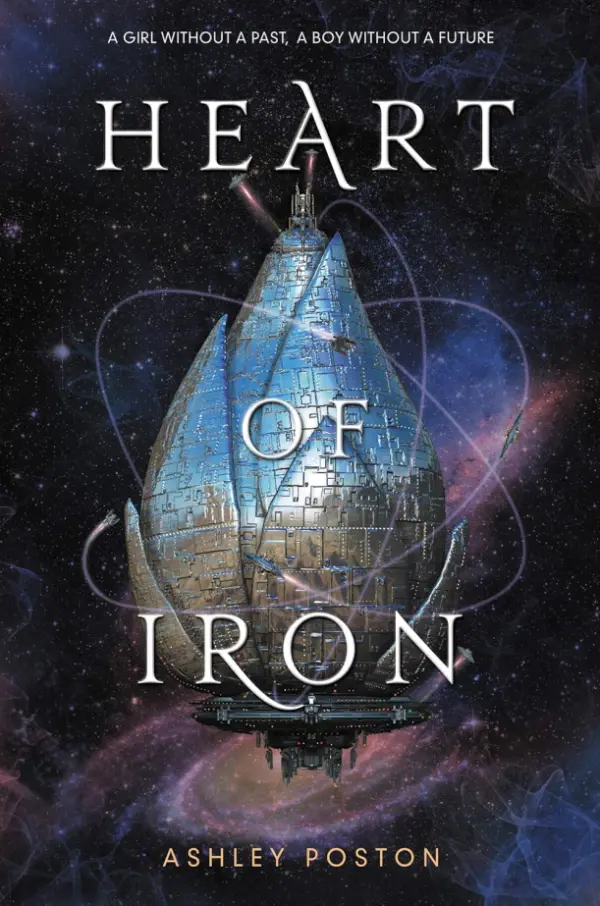
Ashley Poston
Heart of Iron, book 1
Average Goodreads rating3.7
Matched via its series

Naomi Novik
Temeraire, book 1
Average Goodreads rating4.5
Matched via its series

Megan O'Keefe
The Scorched Continent, book 1
Average Goodreads rating4.1
Matched via its series

George R. R. Martin
A Song of Ice and Fire, book 5
Average Goodreads rating4.6
Matched via its series

George R. R. Martin
A Song of Ice and Fire, book 2
Average Goodreads rating4.6
Matched via its series

George R. R. Martin
A Song of Ice and Fire, book 4
Average Goodreads rating4.5
Matched via its series

George R. R. Martin
A Song of Ice and Fire, book 3
Average Goodreads rating4.7
Matched via its series

Leigh Bardugo
King of Scars, book 2
Average Goodreads rating4.7
Matched via its series

Shannon Chakraborty
The Daevabad Trilogy, book 2
Average Goodreads rating4.6
Matched via its series

Shannon Chakraborty
The Daevabad Trilogy, book 3
Average Goodreads rating4.7
Matched via its series

Naomi Novik
Temeraire, book 2
Average Goodreads rating4.4
Matched via its series

Naomi Novik
Temeraire, book 9
Average Goodreads rating4.6
Matched via its series

Naomi Novik
Temeraire, book 3
Average Goodreads rating4.4
Matched via its series

Naomi Novik
Temeraire, book 8
Average Goodreads rating4.4
Matched via its series

Naomi Novik
Temeraire, book 5
Average Goodreads rating4.6
Matched via its series

Naomi Novik
Temeraire, book 7
Average Goodreads rating4.4
Matched via its series

Naomi Novik
Temeraire, book 6
Average Goodreads rating4.3
Matched via its series

Naomi Novik
Temeraire, book 4
Average Goodreads rating4.5
Matched via its series
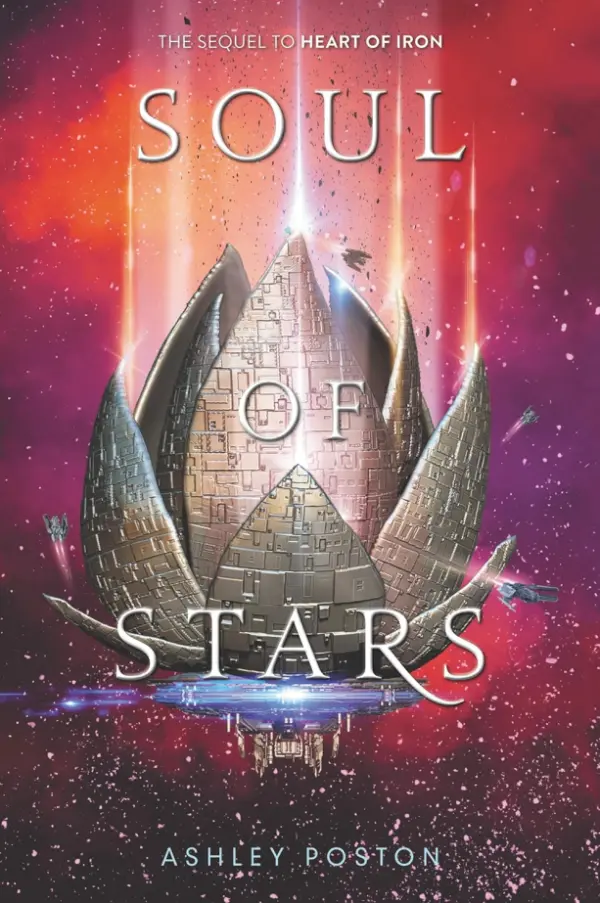
Ashley Poston
Heart of Iron, book 2
Average Goodreads rating4.0
Matched via its series

Megan O'Keefe
The Scorched Continent, book 2
Average Goodreads rating4.4
Matched via its series

Megan O'Keefe
The Scorched Continent, book 3
Average Goodreads rating4.4
Matched via its series
Tropes that share the most books with Power Struggles
At its core, the power struggles trope is exactly what it sounds like: characters fighting for control. That control might be a throne, a magical hierarchy, a pack, a court, a corporation — or something far less tangible, like influence, loyalty, or the right to determine the future. The conflict can be external, played out in grand political manoeuvring and open confrontation, or it can simmer beneath the surface in cutting remarks and careful alliances. Either way, the tension is the point.
Readers are drawn to it because power, and the hunger for it, reveals character like almost nothing else. Strip away comfort and safety, put someone in a room where they might gain everything or lose it all, and you find out who they really are. That's compelling whether you're reading epic fantasy or contemporary romance.
The best versions of this trope aren't simply about who wins. They're about the cost. A character clawing their way up a corrupt hierarchy might have to become something they despise. Two rivals competing for the same prize might discover they need each other. The struggle itself reshapes the people inside it.
Stakes matter enormously here. Low stakes produce low tension. When a power struggle is written well, the reader genuinely can't be sure what the outcome will be — or whether winning would even be worth it. Moral ambiguity tends to thrive in this territory. Villains with comprehensible motivations, heroes who make questionable choices, and side characters whose allegiances shift for reasons that make perfect sense to them.
Dialogue is another hallmark. The verbal sparring in a well-constructed power struggle can be as gripping as any action sequence. A line delivered in the right room at the right moment can topple everything.
Fantasy is the natural home for this trope, particularly secondary world fantasy with monarchies, magical academies, fae courts, or shifter hierarchies. These settings offer built-in structures of power — thrones to take, councils to outmanoeuvre, bloodlines to challenge — with the added dimension of magic as either a tool or a weapon in the contest.
Romantasy has made the trope its own, often pairing the power struggle with enemies-to-lovers tension. When two characters are competing for the same position or locked in a clash of ideologies, and attraction complicates everything, the emotional pressure doubles. The reader is simultaneously hoping they'll destroy each other and that they'll kiss.
Beyond fantasy, the trope appears in historical fiction (Tudor courts are practically built from it), dark romance, and even contemporary fiction set in corporate or political environments. The window dressing changes; the human dynamics underneath it don't.
There's something deeply satisfying about watching power shift hands — or watching someone fight to keep it from slipping away. Power struggles give readers permission to root fiercely, to dread betrayal, and to think about what they themselves would sacrifice in the same position. The best stories in this vein don't just entertain. They leave you wondering which side you would have chosen — and whether you'd have been proud of that choice.
Occasional emails with new recommendations, series news and trope round-ups.