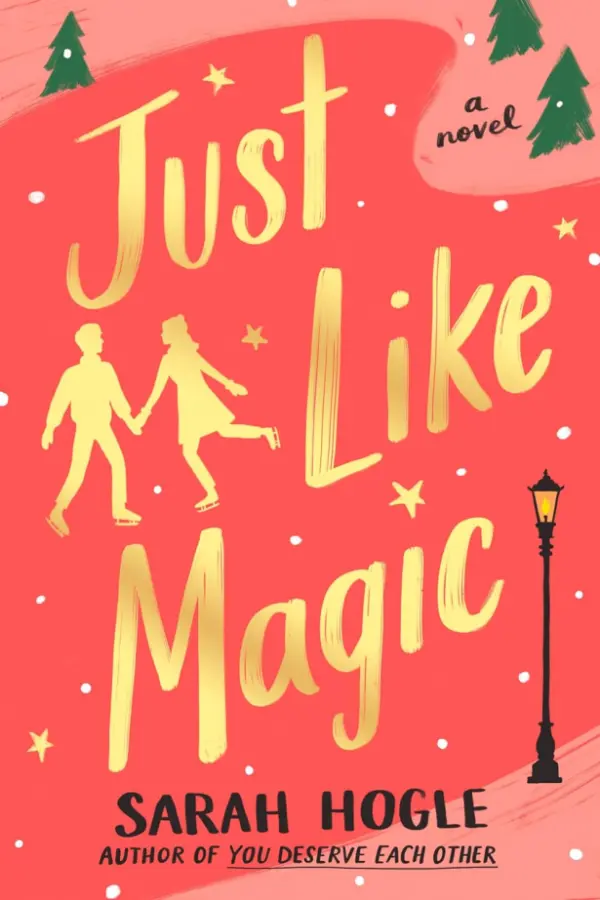
Just Like Magic
Sarah Hogle
Average Goodreads rating3.5
- Found Family
- Deception

Book trope · 5 books
At its core, Love & Mortality is a romance or fantasy trope built around the collision of love and death — not as background tragedy, but as the central tension the story can't escape.
More about the Love & Mortality trope2 are tagged with Love & Mortality individually. The others belong to a series tagged with it, which doesn’t mean every book in it features the trope, so they’re marked “Matched via its series”.
Updating books…
5 books found
Sarah Hogle
Average Goodreads rating3.5
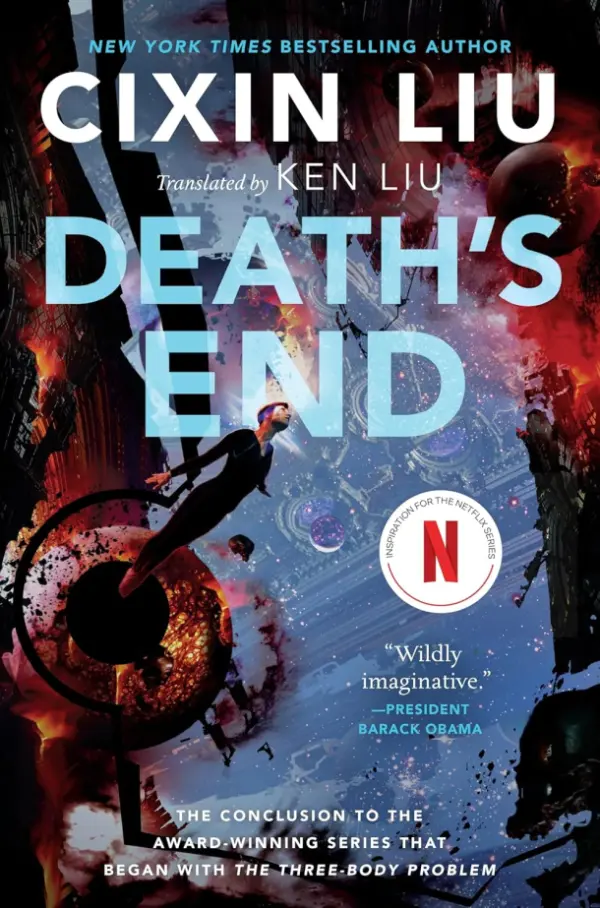
Liu Cixin
The Three-Body Problem, book 3
Average Goodreads rating4.4
Adam Silvera
They Both Die at the End, book 1
Average Goodreads rating4.5
Matched via its series
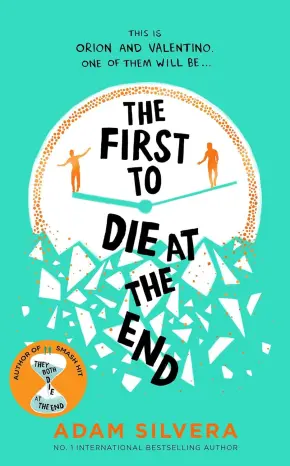
Adam Silvera
They Both Die at the End, book 2
Average Goodreads rating4.6
Matched via its series
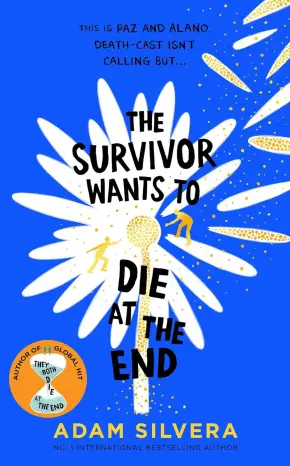
Adam Silvera
They Both Die at the End, book 3
Average Goodreads rating4.6
Matched via its series
Tropes that share the most books with Love & Mortality
At its core, Love & Mortality is a romance or fantasy trope built around the collision of love and death — not as background tragedy, but as the central tension the story can't escape. One or both characters may be dying, immortal, cursed to outlive everyone they cherish, or caught in a bargain where love itself carries a fatal cost. The stakes aren't just emotional. They're existential.
What draws readers to it is the clarity that mortal stakes produce. When time is running out — or stretching on impossibly long — every quiet moment between two people carries more weight. A shared meal, a hand held in the dark, a confession made too late or just in time. Ordinary gestures become unbearable in the best possible way.
There's something about mortality that strips a love story down to its bones. The usual romantic obstacles — misunderstandings, pride, circumstance — feel thin by comparison when one character is counting their remaining days or will still be standing centuries after the other is gone. Readers respond to that urgency. It makes the love feel earned and real in a way that safer stories sometimes don't.
The trope also tends to surface bigger questions that linger after the final page. Is it cruel to love someone you know you'll lose? Can an immortal being truly understand a human life? Would you choose more time over a better life? These aren't questions the story always answers, and the ambiguity is part of the pull.
The trope shows up in several distinct shapes. Sometimes it's an immortal and a mortal falling in love, the imbalance between their lifespans becoming a source of grief neither can fully prepare for. Sometimes a character is terminally ill and the romance unfolds in the shadow of a known ending. In darker fantasy settings, a death deity, a ghost, or a creature of the underworld becomes a love interest — someone whose very nature is bound up with endings.
Cursed love stories often fall here too, particularly when the curse is tied to death or sacrifice. And then there's the variant where love is literally dangerous: a magical bond, a prophecy, or a cosmic rule that punishes attachment with mortality. The specific shape changes; the emotional architecture stays recognisable.
Pacing is everything in this trope. The best versions resist the urge to rush toward tragedy or salvation. They let characters make choices knowing the cost, and they make the reader sit with that knowledge alongside them. Denial, bargaining, and a particular kind of fierce joy — loving harder because of the limit, not despite it — tend to define the emotional arc.
The ending doesn't have to be a tragedy, but it rarely lets you off the hook entirely. Even when love finds a way, something is usually changed or lost. That residue of grief is part of what makes the trope so lasting. You finish the story and carry it with you, which is, in the end, what the best love stories about mortality are really about.
Occasional emails with new recommendations, series news and trope round-ups.