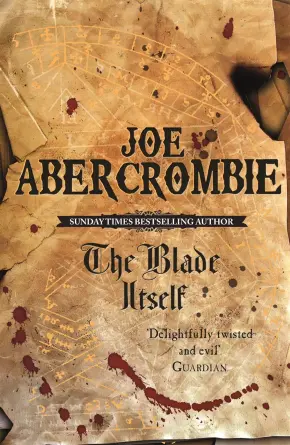
The Blade Itself
Joe Abercrombie
The First Law Trilogy, book 1
Average Goodreads rating4.7
Matched via its series

Book trope · 11 books
Grimdark fantasy is the genre's refusal to look away. Where traditional epic fantasy softens its edges with noble heroes and satisfying moral clarity, grimdark plants its boots in the mud and insists on staying there.
More about the Grimdark Fantasy trope0 are tagged with Grimdark Fantasy individually. The others belong to a series tagged with it, which doesn’t mean every book in it features the trope, so they’re marked “Matched via its series”.
Updating books…
11 books found
Joe Abercrombie
The First Law Trilogy, book 1
Average Goodreads rating4.7
Matched via its series
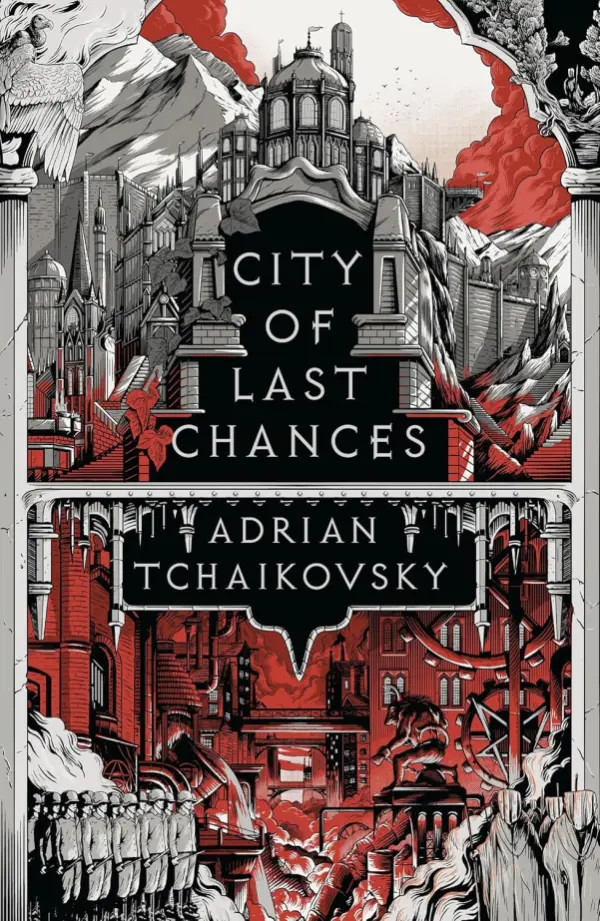
Adrian Tchaikovsky
The Tyrant Philosophers, book 1
Average Goodreads rating3.9
Matched via its series
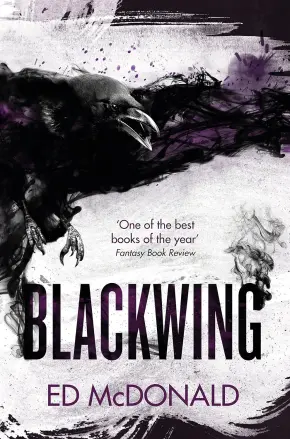
Ed McDonald
Raven's Mark, book 1
Average Goodreads rating4.4
Matched via its series
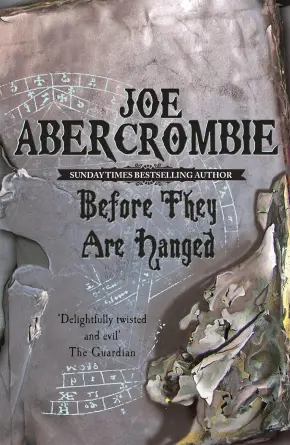
Joe Abercrombie
The First Law Trilogy, book 2
Average Goodreads rating4.6
Matched via its series
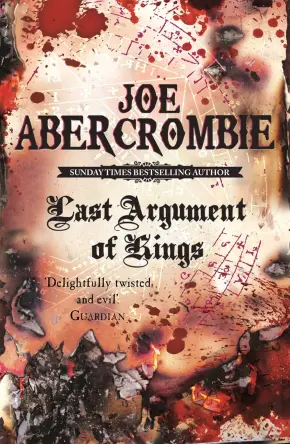
Joe Abercrombie
The First Law Trilogy, book 3
Average Goodreads rating4.6
Matched via its series
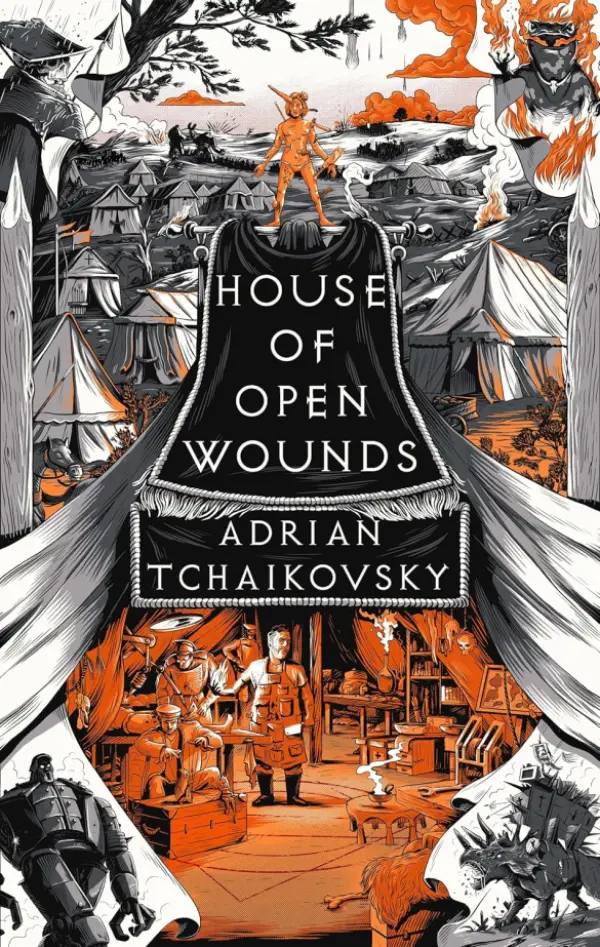
Adrian Tchaikovsky
The Tyrant Philosophers, book 2
Average Goodreads rating4.5
Matched via its series
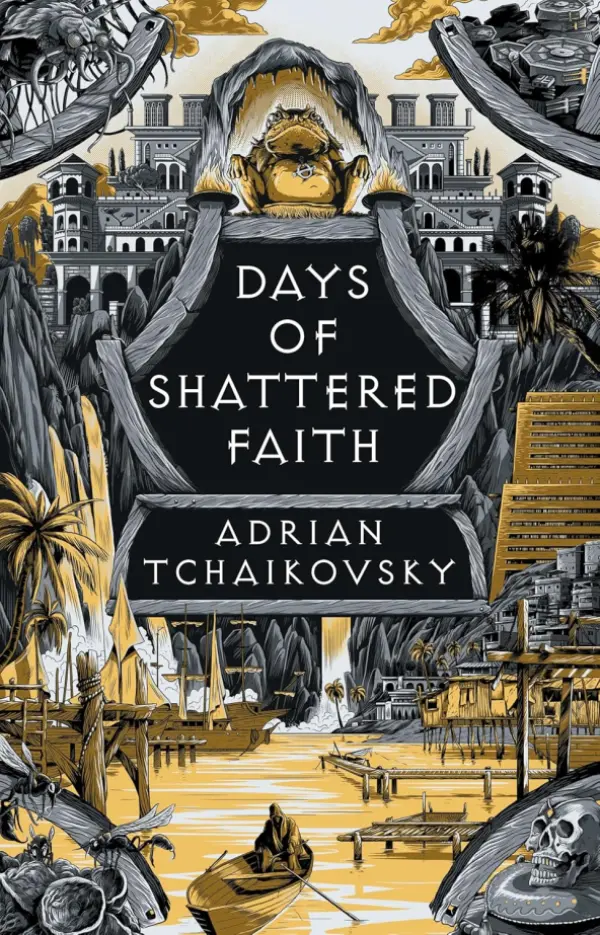
Adrian Tchaikovsky
The Tyrant Philosophers, book 3
Average Goodreads rating4.4
Matched via its series
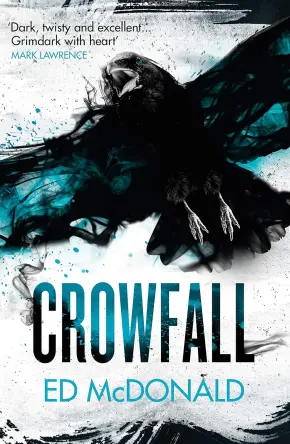
Ed McDonald
Raven's Mark, book 3
Average Goodreads rating4.5
Matched via its series
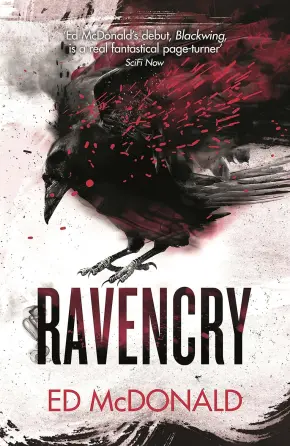
Ed McDonald
Raven's Mark, book 2
Average Goodreads rating4.5
Matched via its series
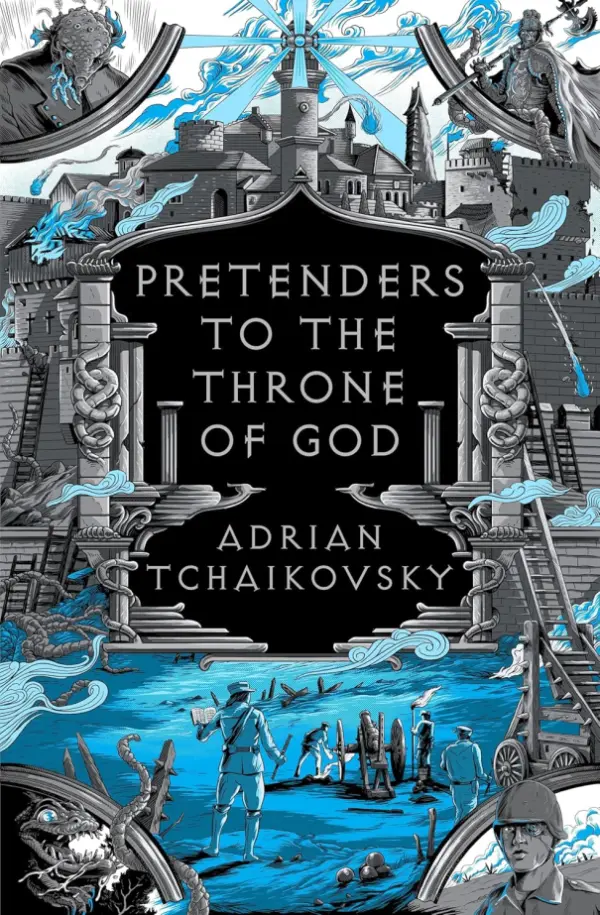
Adrian Tchaikovsky
The Tyrant Philosophers, book 4
Average Goodreads rating4.6
Matched via its series
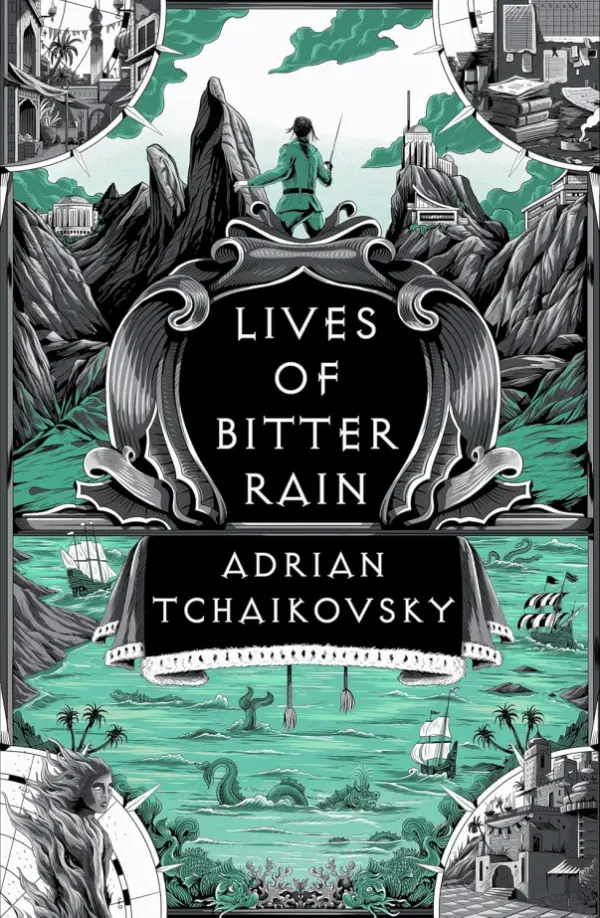
Adrian Tchaikovsky
The Tyrant Philosophers, book 3.5
Matched via its series
Tropes that share the most books with Grimdark Fantasy
Grimdark fantasy is the genre's refusal to look away. Where traditional epic fantasy softens its edges with noble heroes and satisfying moral clarity, grimdark plants its boots in the mud and insists on staying there. Violence has consequences. Power corrupts in specific, unglamorous ways. The line between protagonist and villain blurs until you're not entirely sure you want the person you've been following to win.
The term itself is borrowed from the grim darkness of the far future — a phrase from Warhammer 40,000 — but the sensibility applies to any secondary-world fiction that foregrounds moral ambiguity, systemic brutality, and the grinding reality of survival in a world that doesn't reward goodness simply for existing.
At its core, grimdark is defined by a rejection of narrative safety nets. Characters make terrible choices under impossible circumstances, and the story doesn't let them off the hook. Institutions — churches, empires, guilds, royal bloodlines — are corrupt or at least deeply compromised. Magic often comes with a cost that isn't metaphorical. It actually takes something from you.
Grimdark protagonists tend to sit somewhere between antihero and outright villain. They may do genuinely awful things and remain sympathetic, or they may be sympathetic people slowly worn down into awful things. Either way, the reader is implicated. You root for them anyway. That discomfort is part of the point.
Prose style tends to match the tone — spare, unflinching, occasionally bleak. Humour, when it appears, is dark. World-building often draws on the less glamorous periods of human history: plague, famine, institutionalised cruelty, the economics of war.
The spectrum within grimdark is wider than the label suggests. Some entries are relentlessly nihilistic — no character is redeemable, no institution worth saving, and the ending will hurt. Others pull off something more nuanced: a story where genuine humanity flickers inside the darkness, where small acts of loyalty or tenderness matter precisely because the world is trying to extinguish them.
Military grimdark zooms in on soldiers and the machinery of war, stripping away heroism to show exhaustion, moral injury, and the specific horror of following orders. Political grimdark is slower-burning, built from scheming courts and the violence that hides inside civil language. Low fantasy grimdark tends to scale things down — fewer chosen ones, more thieves and mercenaries scraping by in cities that smell like sewage.
There's also a strand of grimdark that engages directly with the conventions of epic fantasy, deconstructing the chosen hero narrative, the benevolent king, the ancient prophecy — treating those tropes as the myths powerful people tell themselves to justify their power.
Grimdark earns devoted readers in part because it takes them seriously. It doesn't promise that courage will be rewarded or that love will save anyone. What it offers instead is a kind of honesty that fantasy can sometimes avoid — the acknowledgement that systems of power are hard to dismantle, that good people fail, and that complexity is not a flaw in human nature but the whole of it.
There's also, frankly, the tension. When no character has plot armour, every chapter carries genuine stakes. Readers who've grown accustomed to genre conventions that protect certain characters find themselves genuinely uncertain, genuinely anxious — which is its own kind of pleasure.
Grimdark isn't misery for its own sake. The best of it earns its darkness by putting something worth caring about inside it.
Occasional emails with new recommendations, series news and trope round-ups.