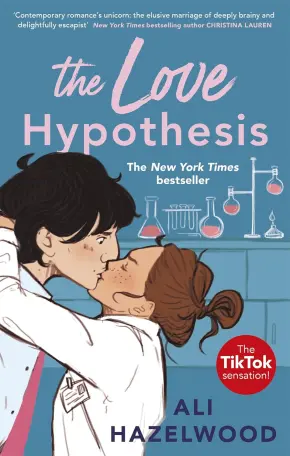
The Love Hypothesis
Ali Hazelwood
Average Goodreads rating4.1
- Witty Banter & Sharp Dialogue
- Grumpy-Sunshine Dynamic

Book trope · 29 books
It starts, almost always, with a problem that a real relationship cannot solve quickly enough. A family event that requires a plus-one. A professional situation where being single is a liability.
More about the Fake Dating trope16 are tagged with Fake Dating individually. The others belong to a series tagged with it, which doesn’t mean every book in it features the trope, so they’re marked “Matched via its series”.
Updating books…
29 books found
Ali Hazelwood
Average Goodreads rating4.1
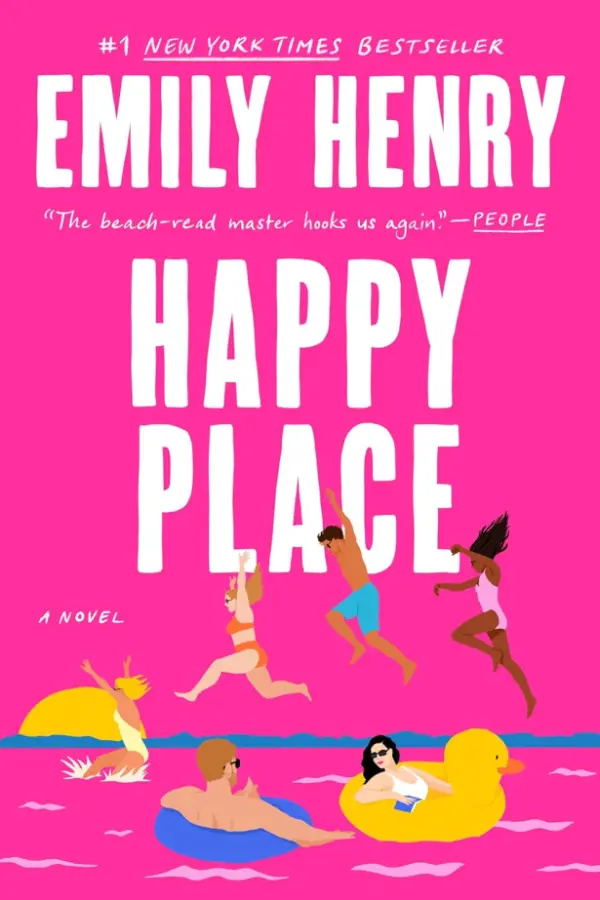
Emily Henry
Average Goodreads rating4.2
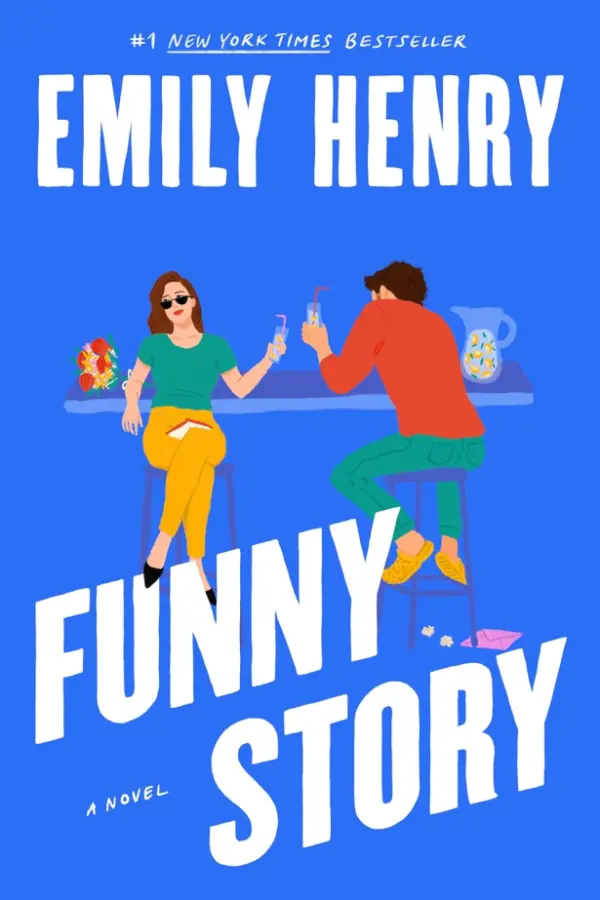
Emily Henry
Average Goodreads rating4.2
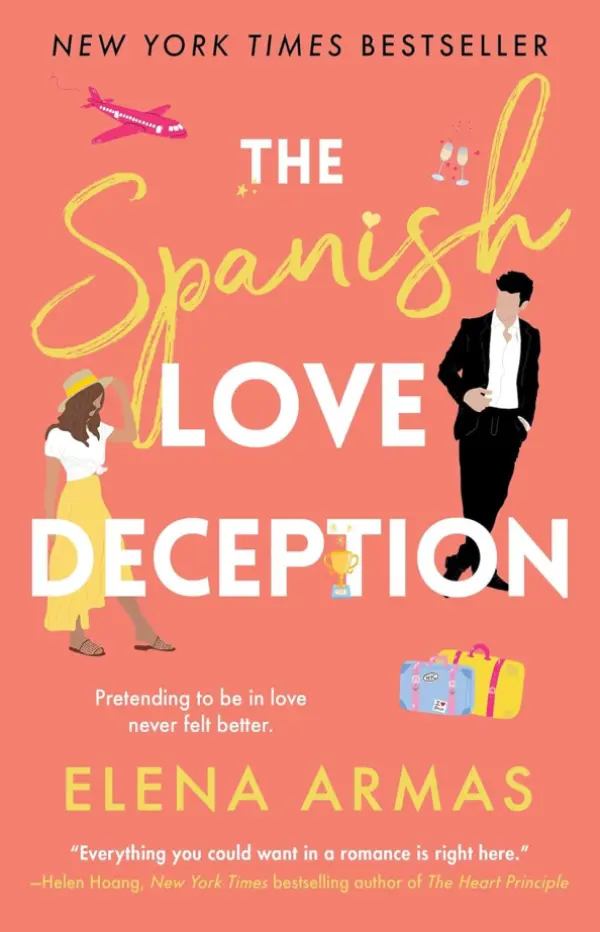
Elena Armas
Average Goodreads rating3.8
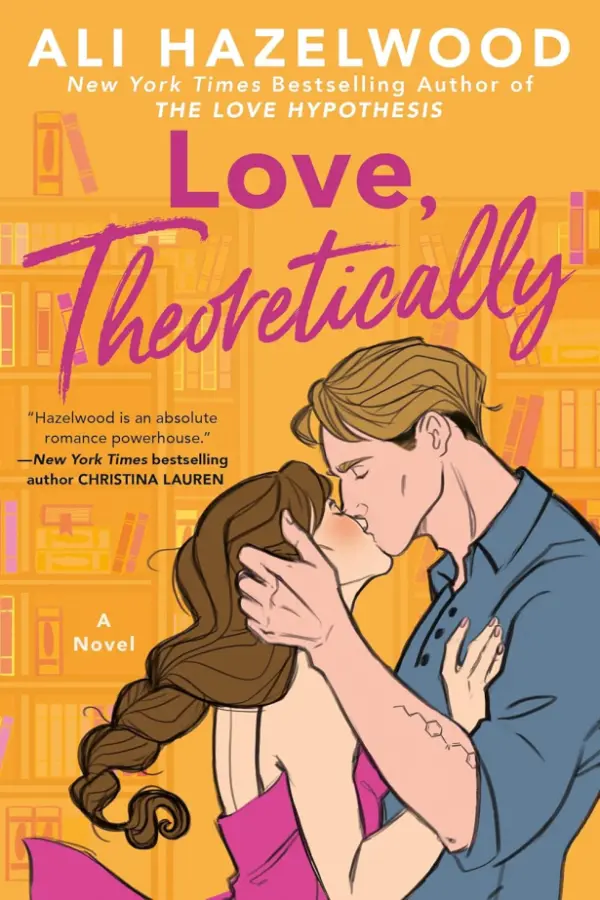
Ali Hazelwood
Average Goodreads rating4.1
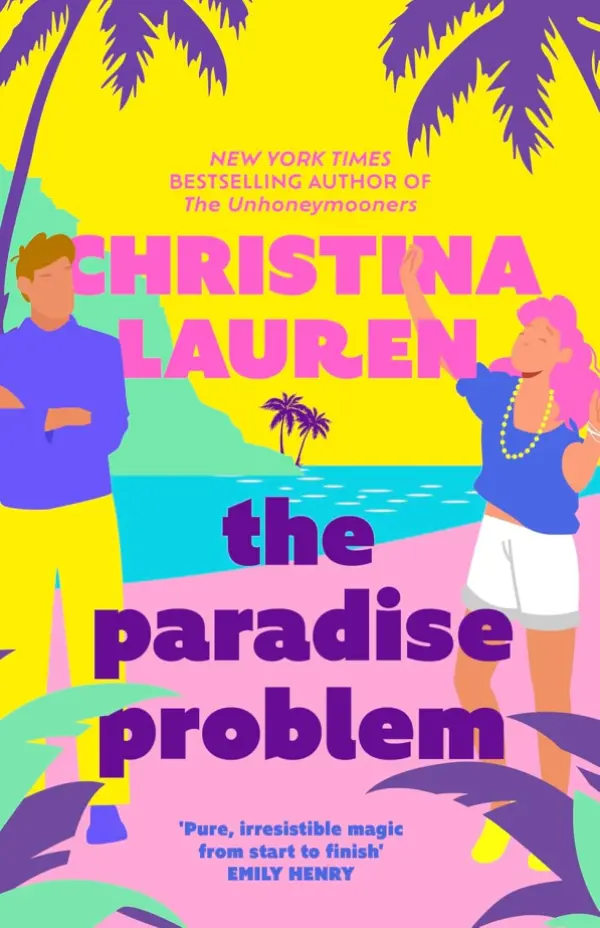
Christina Lauren
Average Goodreads rating4.1
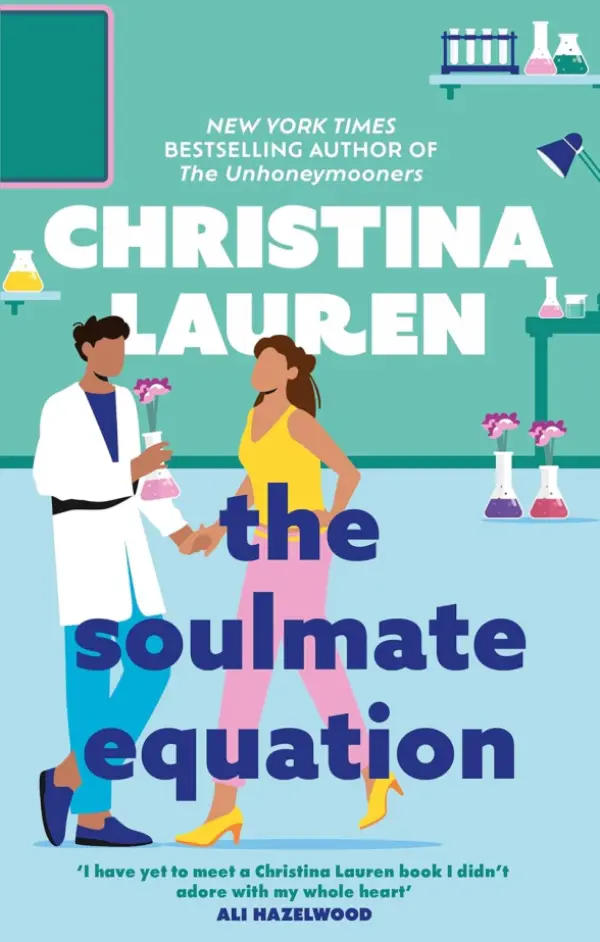
Christina Lauren
Average Goodreads rating4.0
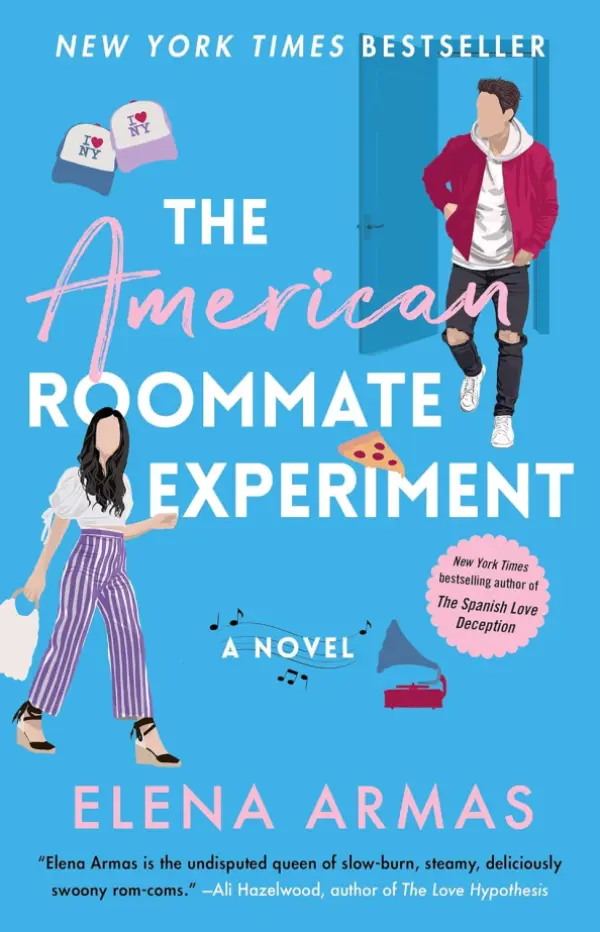
Elena Armas
Average Goodreads rating3.8
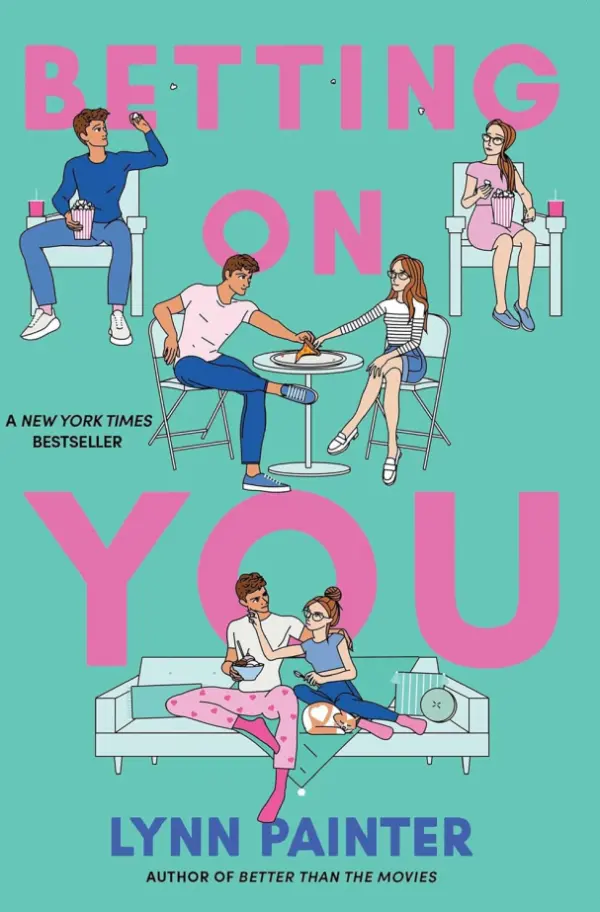
Lynn Painter
Average Goodreads rating4.1
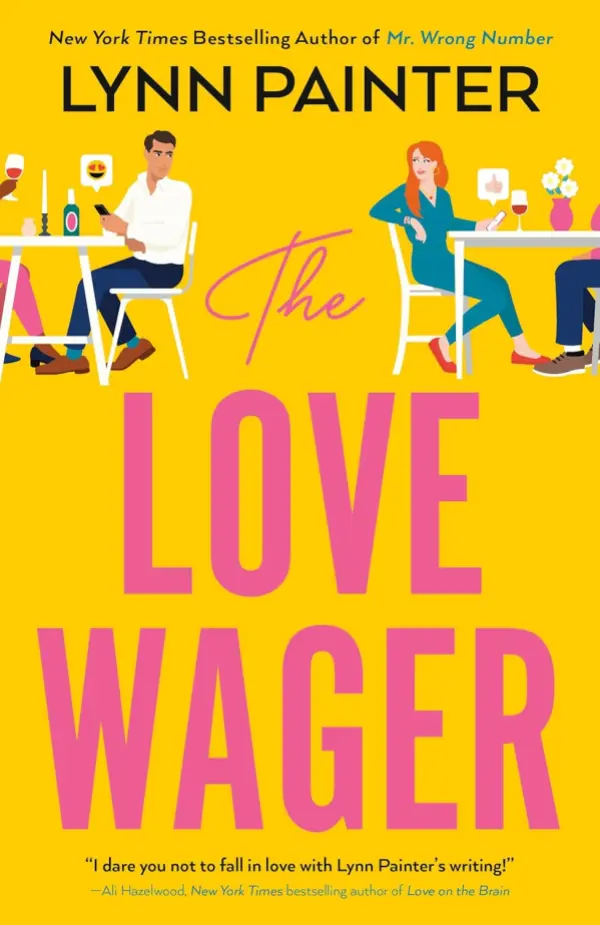
Lynn Painter
Average Goodreads rating3.9
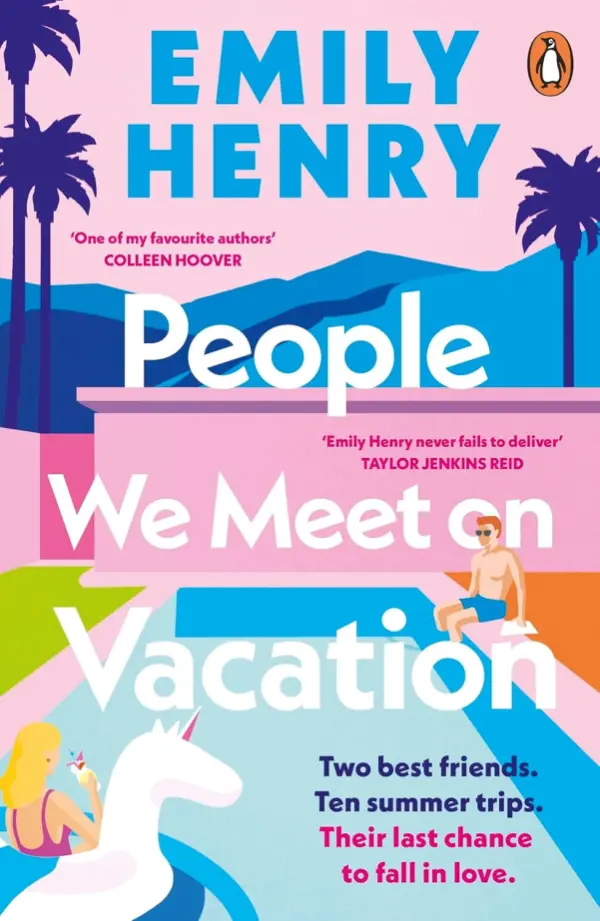
Emily Henry
Average Goodreads rating4.1
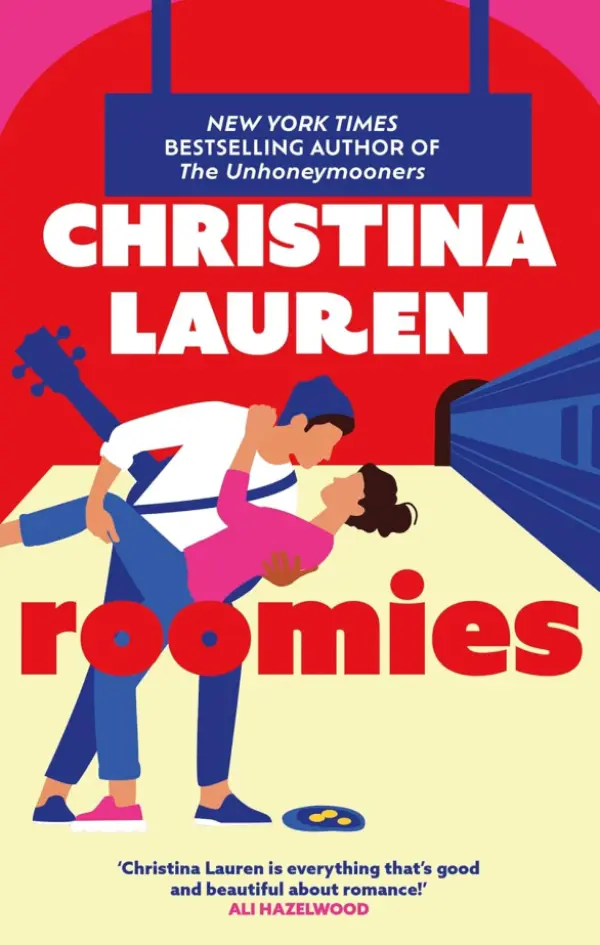
Christina Lauren
Average Goodreads rating3.7
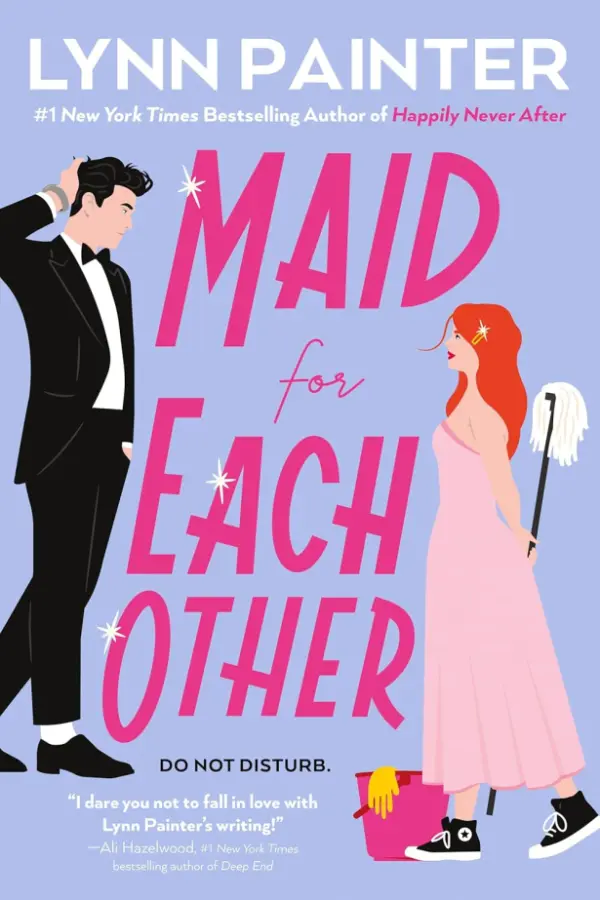
Lynn Painter
Average Goodreads rating3.7
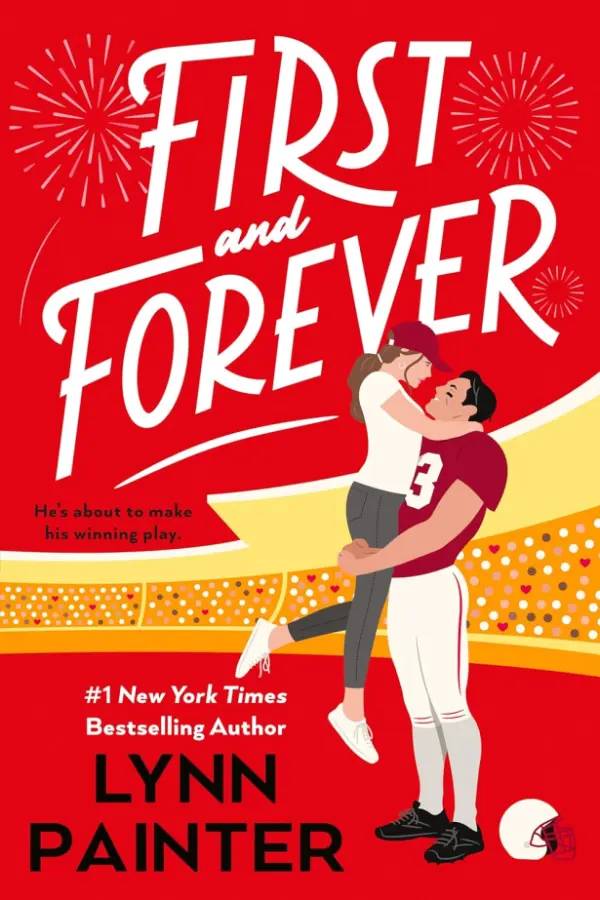
Lynn Painter
Average Goodreads rating3.8
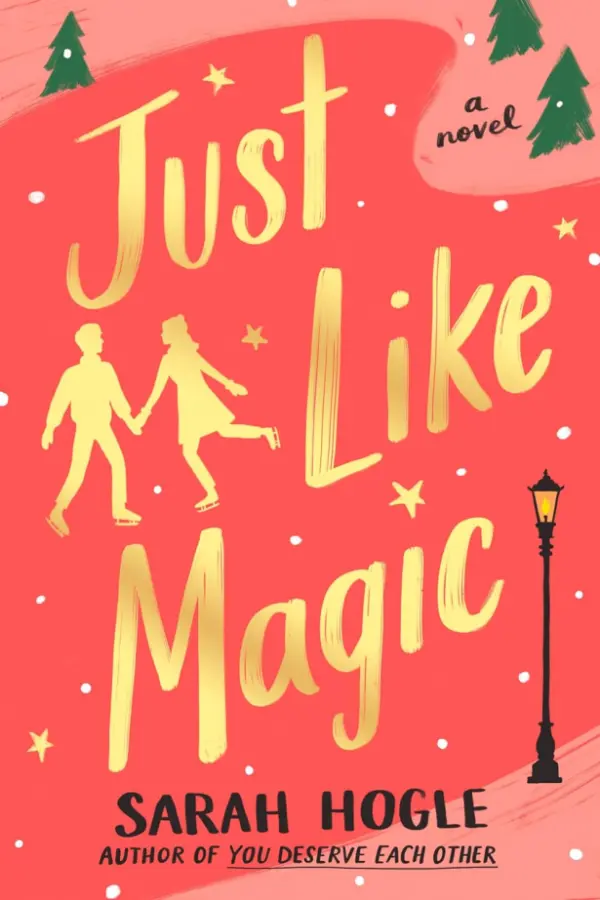
Sarah Hogle
Average Goodreads rating3.5
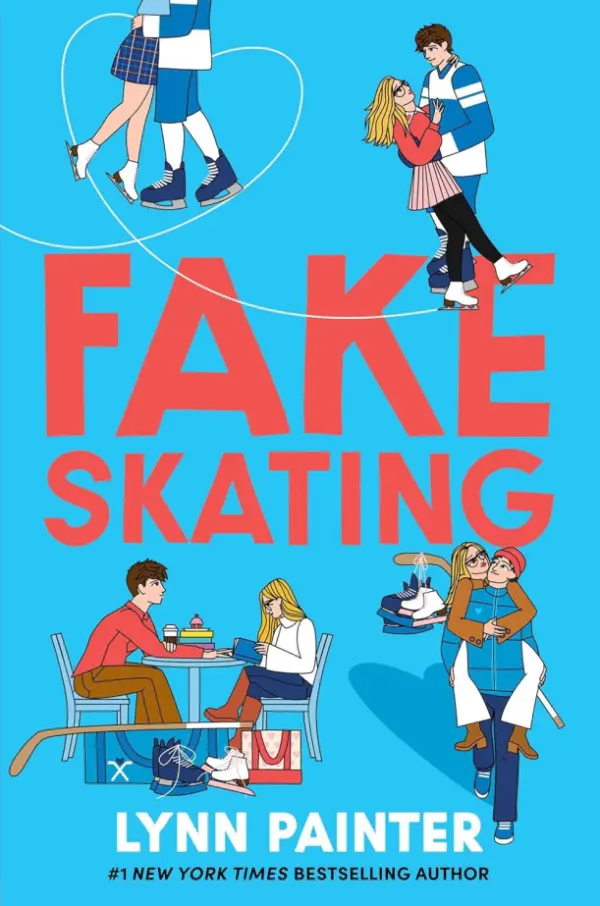
Lynn Painter
Average Goodreads rating4.5
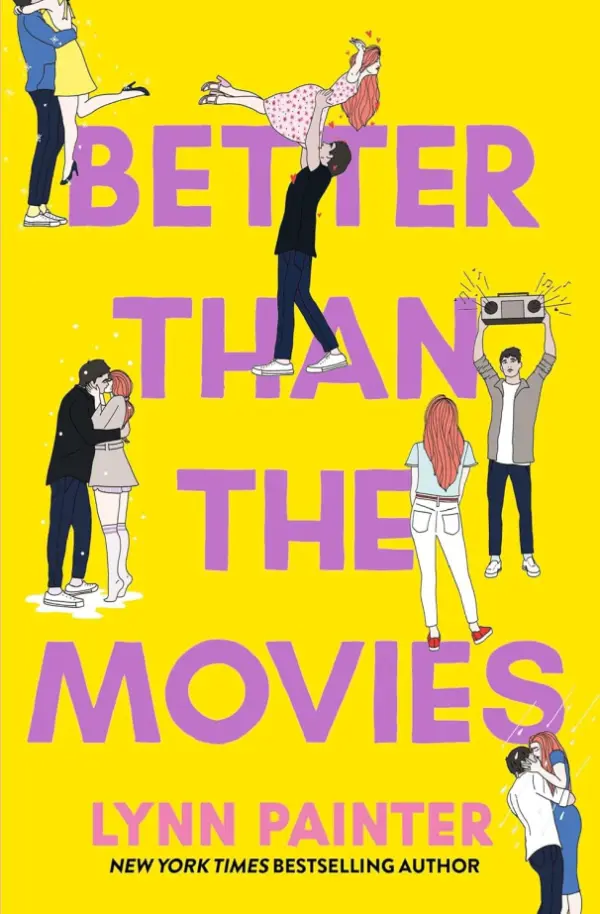
Lynn Painter
Better Than the Movies, book 1
Average Goodreads rating4.3
Matched via its series
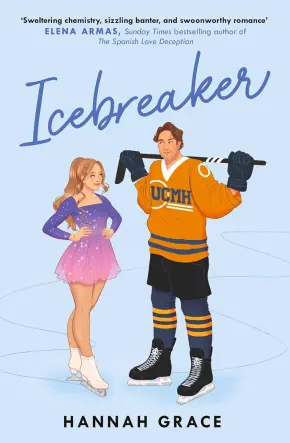
Hannah Grace
Maple Hills, book 1
Average Goodreads rating4.4
Matched via its series
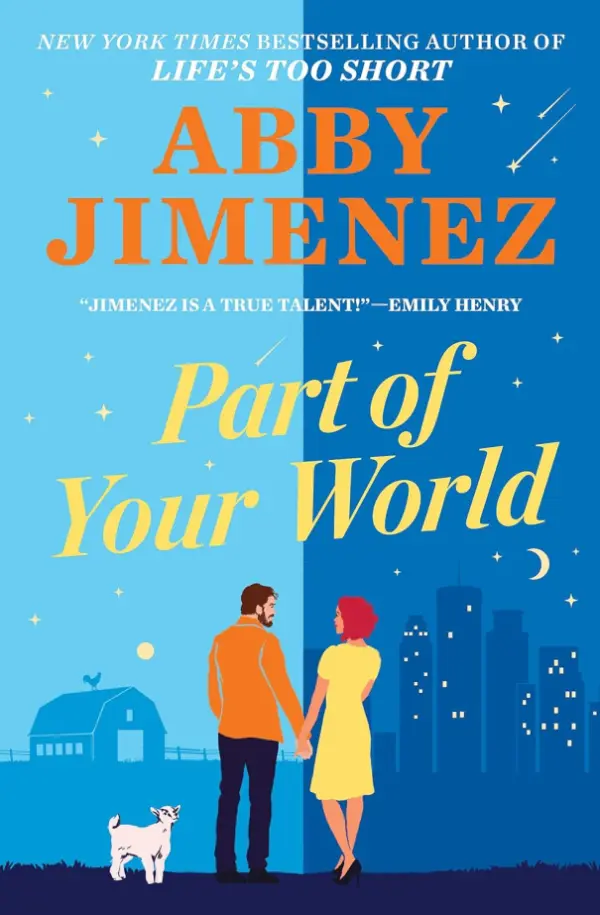
Abby Jimenez
Part of Your World, book 1
Average Goodreads rating4.3
Matched via its series
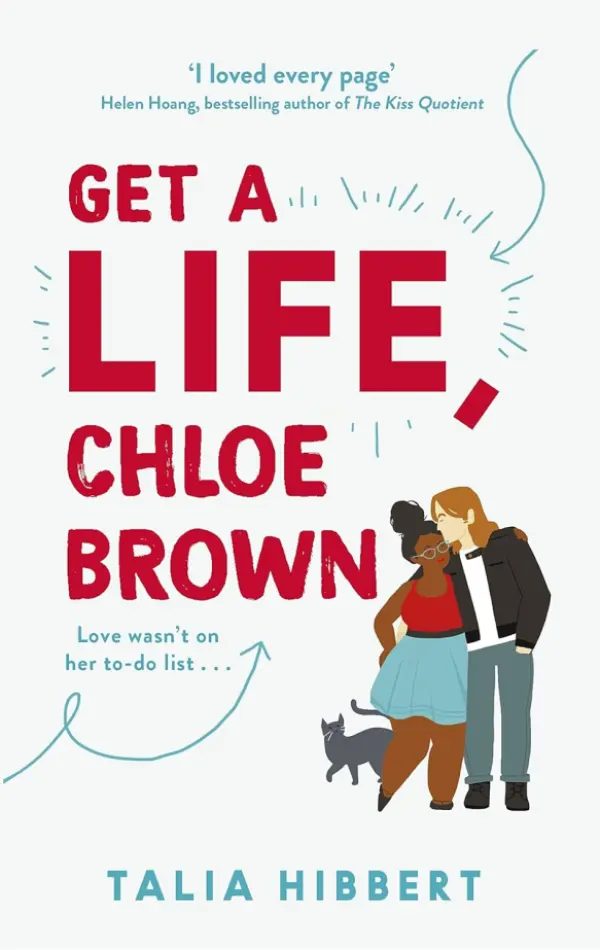
Talia Hibbert
The Brown Sisters, book 1
Average Goodreads rating4.2
Matched via its series
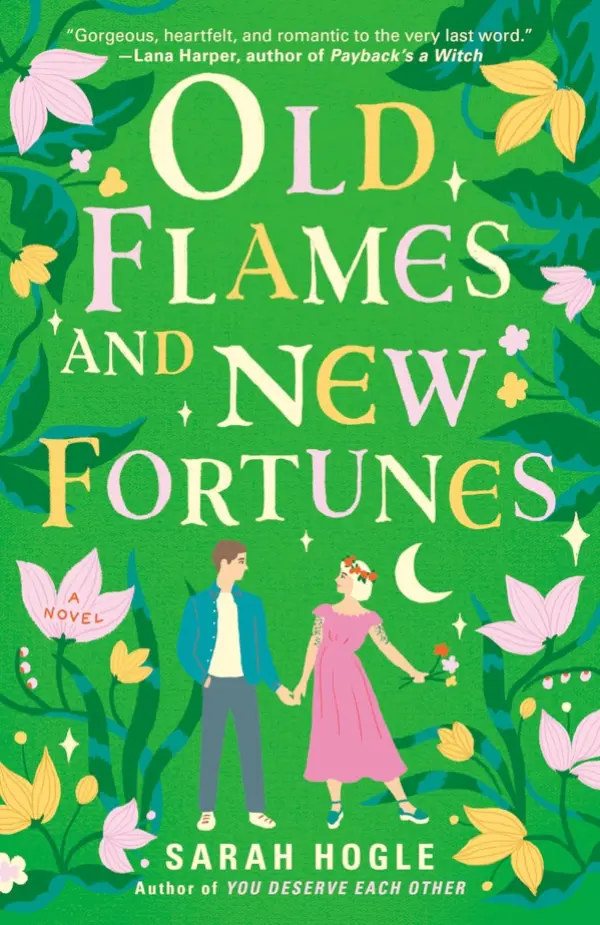
Sarah Hogle
Moonville, book 1
Average Goodreads rating3.5
Matched via its series
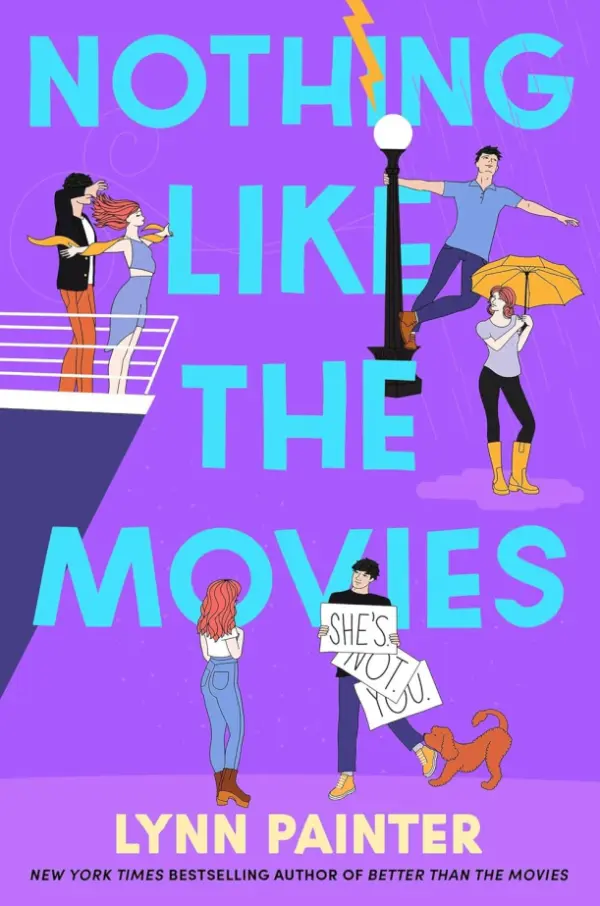
Lynn Painter
Better Than the Movies, book 2
Average Goodreads rating4.0
Matched via its series
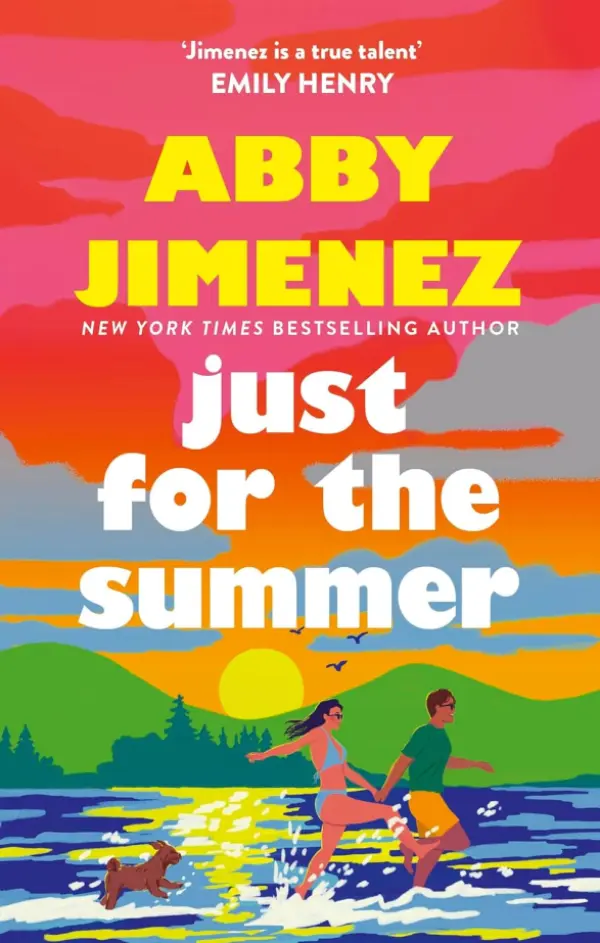
Abby Jimenez
Part of Your World, book 3
Average Goodreads rating4.5
Matched via its series
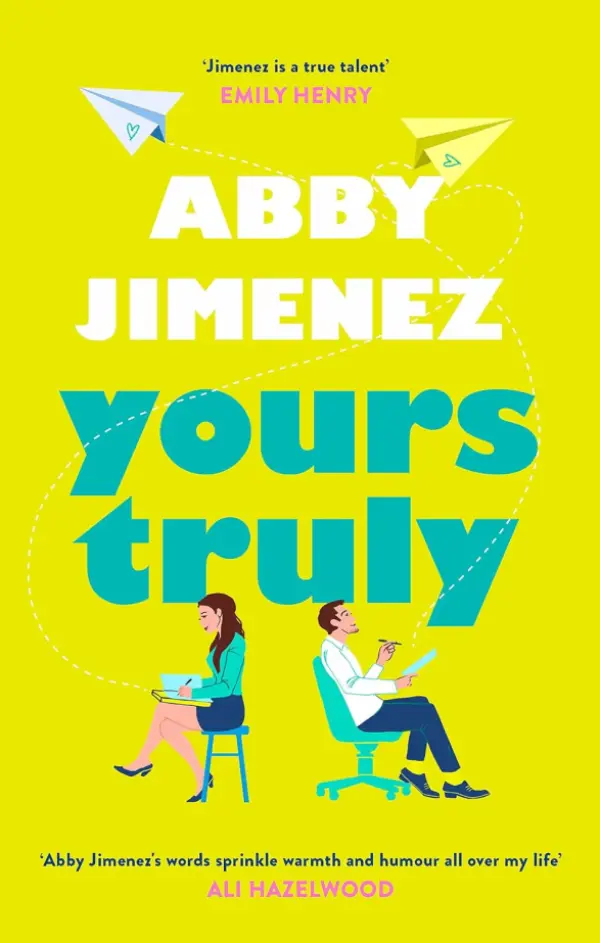
Abby Jimenez
Part of Your World, book 2
Average Goodreads rating4.4
Matched via its series
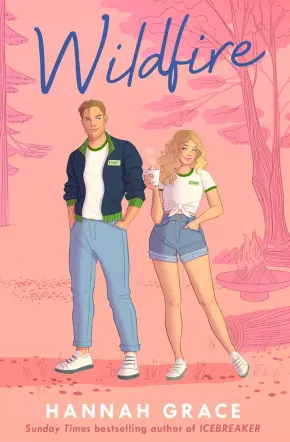
Hannah Grace
Maple Hills, book 2
Average Goodreads rating4.3
Matched via its series
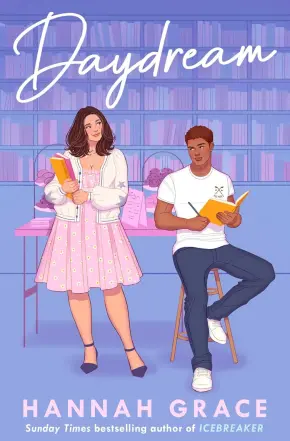
Hannah Grace
Maple Hills, book 3
Average Goodreads rating4.4
Matched via its series
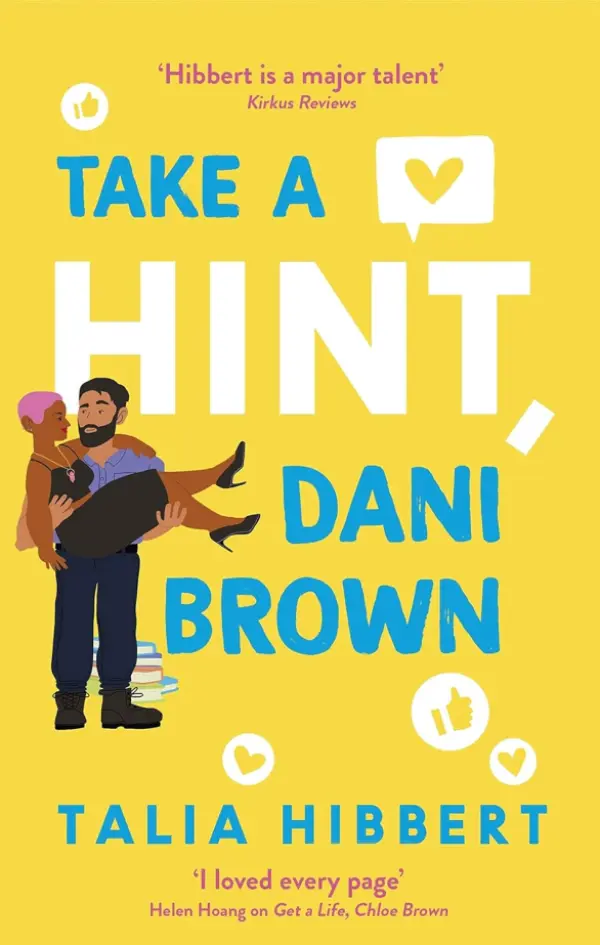
Talia Hibbert
The Brown Sisters, book 2
Average Goodreads rating4.3
Matched via its series
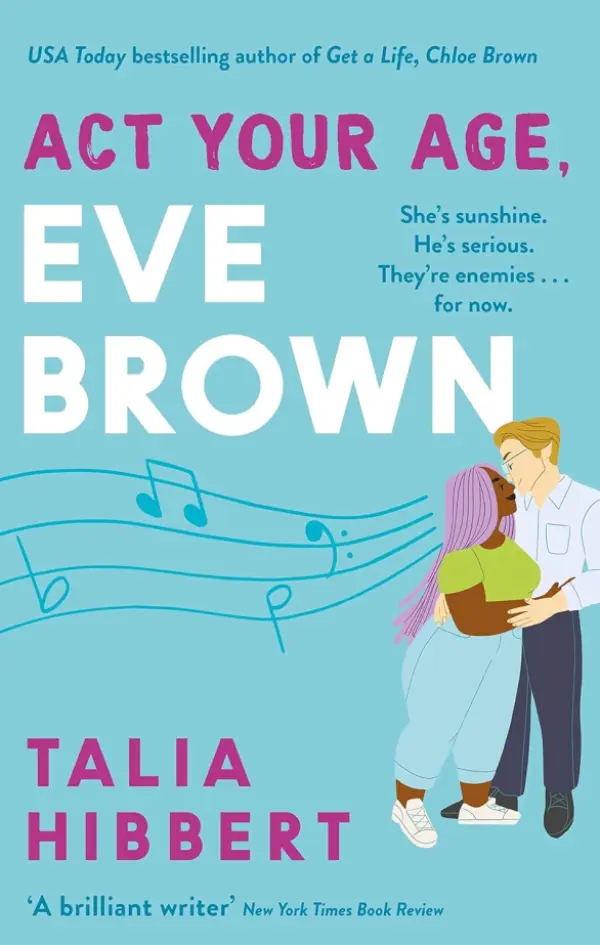
Talia Hibbert
The Brown Sisters, book 3
Average Goodreads rating4.4
Matched via its series
Sarah Hogle
Moonville, book 2
Average Goodreads rating3.2
Matched via its series
Tropes that share the most books with Fake Dating
It starts, almost always, with a problem that a real relationship cannot solve quickly enough. A family event that requires a plus-one. A professional situation where being single is a liability. A bet, a misunderstanding, a moment of impulse that spiralled further than anyone intended. The solution - absurd, convenient, entirely manageable - is to pretend. To perform a relationship that does not exist, for an audience that must be convinced, with a person the protagonist would never have chosen for this under any other circumstances. The Fake Dating trope is built on a premise so structurally transparent that readers can see exactly where it is going from the first page. That foreknowledge is not a flaw. It is the entire point.
Fake Dating is defined by two characters who agree - explicitly, reluctantly, or through some combination of desperation and poor planning - to present themselves as a couple whilst privately maintaining that the arrangement is purely transactional. The performance must be convincing, which requires proximity, coordination, and a level of attention to each other that a genuinely casual relationship would never demand. What defines the trope is the gap between the public fiction and the private reality - and the way that gap slowly, inevitably closes. The characters know the relationship is fake. The reader knows it is fake. The only ones who need to be convinced are the people around them - and, eventually, themselves.
The Fake Dating trope delivers something that romance readers understand instinctively: the pleasure of watching two people fall for each other whilst believing they are successfully pretending not to. There is a particular quality of dramatic irony that this trope produces better than almost any other - the reader sees what the characters cannot, or will not, admit. Every moment of genuine warmth that the characters dismiss as performance, every instinctive act of care they explain away as staying in character, every time the fiction requires them to be closer than comfort allows - all of it accumulates into a tension that is deeply satisfying precisely because the reader knows, and the characters do not yet, where it is going.
These stories follow a reliably pleasurable architecture: the establishment of the arrangement and its rules, the first tests of the performance under social pressure, the gradual blurring of the boundary between pretence and feeling, and the crisis - usually a moment where the fiction either breaks or demands something real - that forces both characters to reckon honestly with what has developed between them. Along the way, the performance creates situations that accelerate intimacy far beyond what would naturally occur: shared spaces, coordinated stories, physical proximity that the arrangement requires and that neither party is entirely immune to. The fake relationship becomes, in a very real sense, the most honest one either character has been in for some time.
The Fake Dating trope endures because it is, underneath the contrivance, a story about the courage required to stop pretending. Both characters spend the narrative performing - not just the relationship but their own indifference to it - and the moment that performance becomes unsustainable is the moment the real story arrives. It also endures because the premise, however artificial, produces genuine emotional truth: that proximity creates feeling, that care extended under any pretence still counts as care, and that the line between playing at something and meaning it is far more permeable than anyone entering the arrangement would like to believe. The relationship was fake. What grew inside it was not.
Occasional emails with new recommendations, series news and trope round-ups.