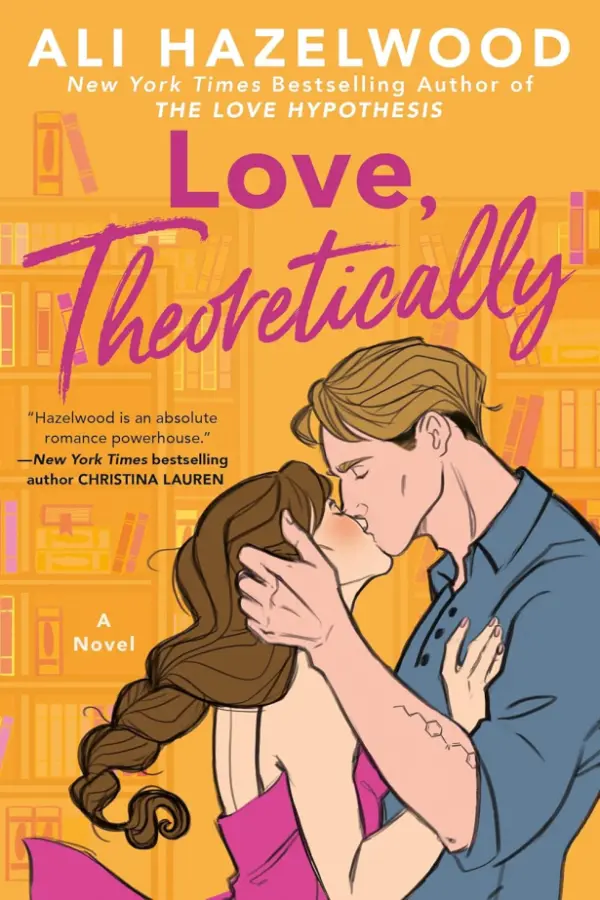
Love, Theoretically
Ali Hazelwood
Average Goodreads rating4.1
- Witty Banter & Sharp Dialogue
- Heat / Spice

Book trope · 9 books
Diverse Representation isn't a single plot device or a narrative twist — it's a foundational quality of how a story is built. It describes fiction in which characters across a range of identities, backgrounds, and experiences are given meaningful, fully realised roles.
More about the Diverse Representation trope5 are tagged with Diverse Representation individually. The others belong to a series tagged with it, which doesn’t mean every book in it features the trope, so they’re marked “Matched via its series”.
Updating books…
9 books found
Ali Hazelwood
Average Goodreads rating4.1
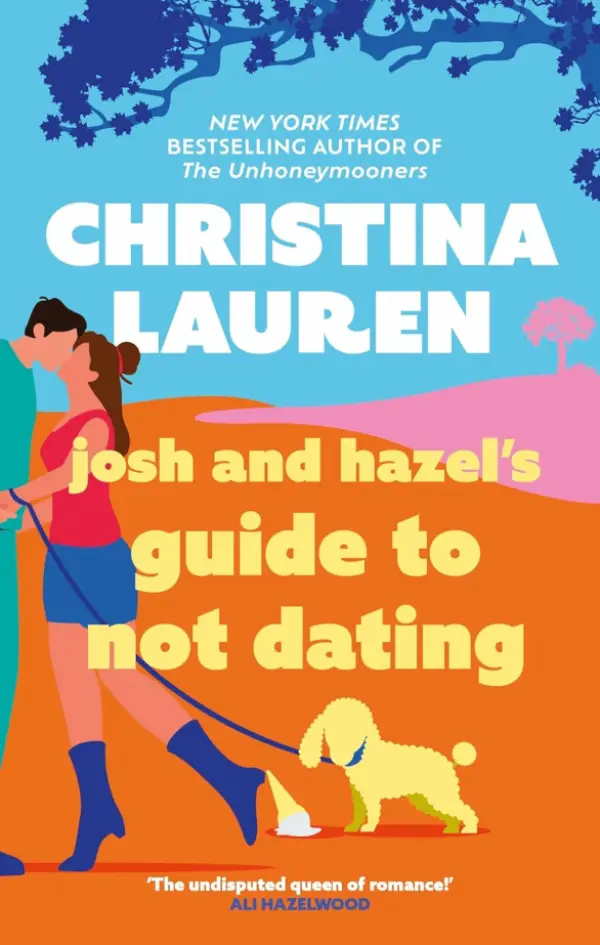
Christina Lauren
Average Goodreads rating3.9
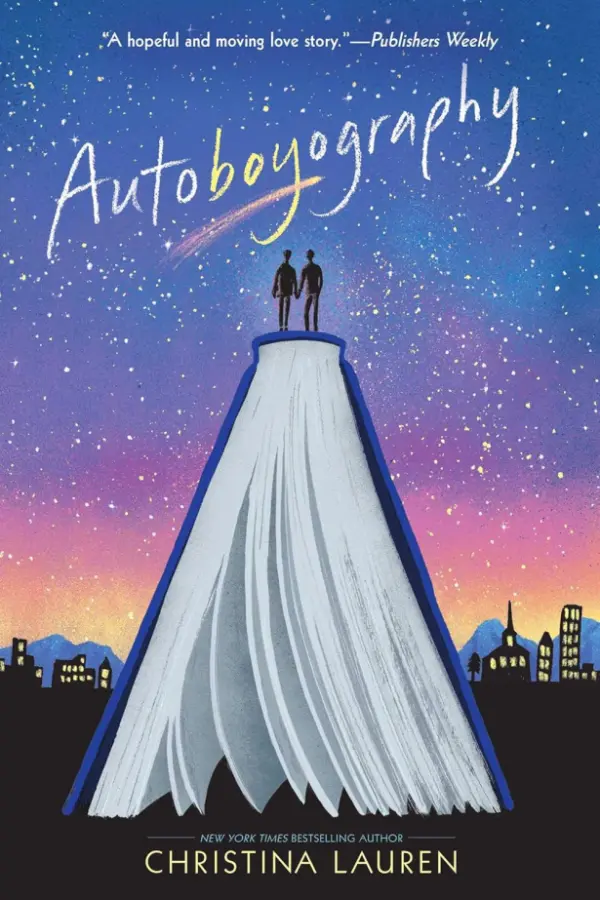
Christina Lauren
Average Goodreads rating4.6
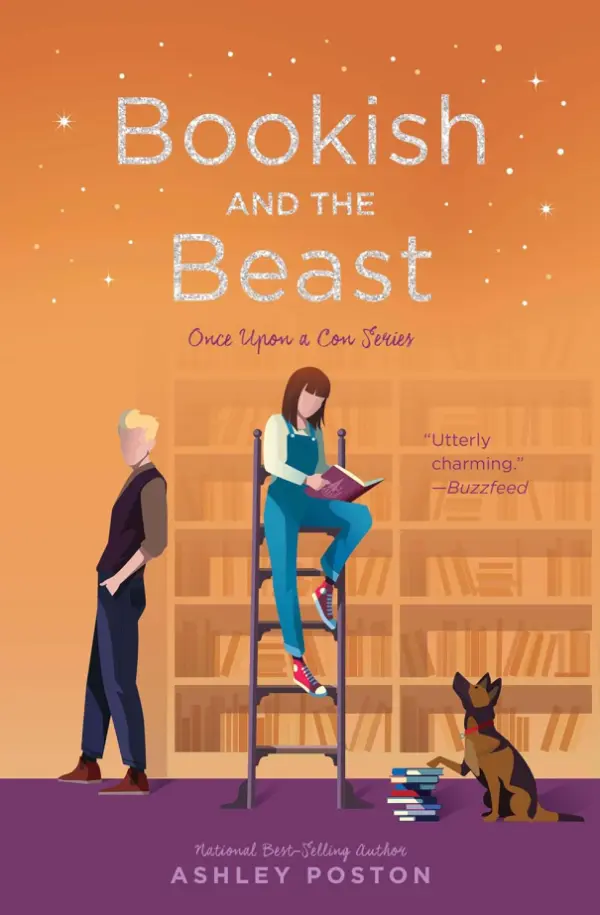
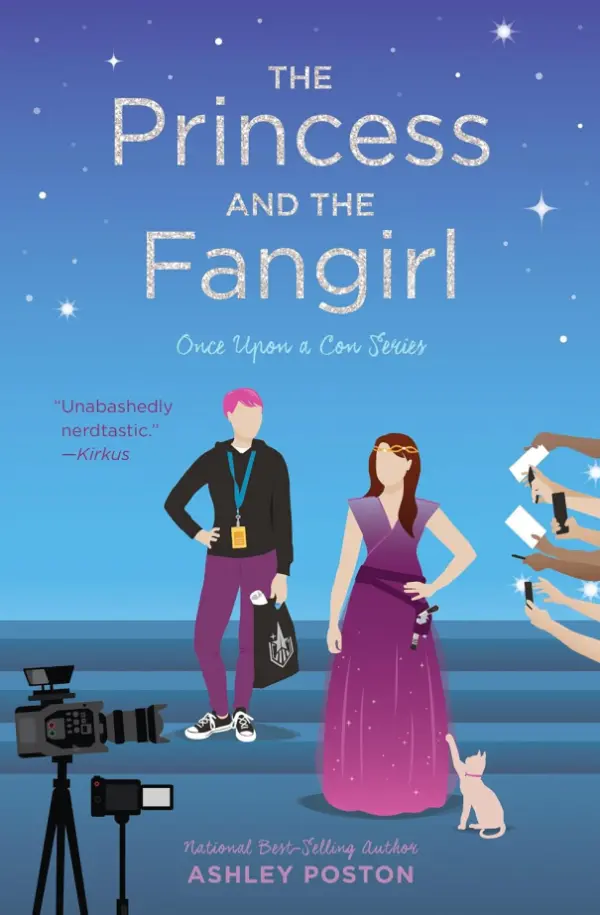
Ashley Poston
Once Upon A Con, book 3
Average Goodreads rating3.7
Ashley Poston
Once Upon A Con, book 2
Average Goodreads rating3.7
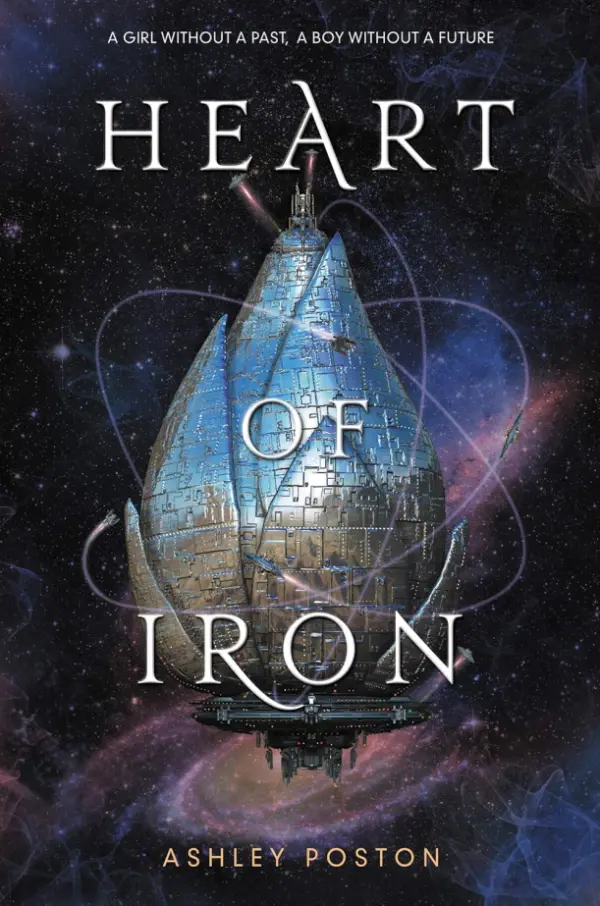
Ashley Poston
Heart of Iron, book 1
Average Goodreads rating3.7
Matched via its series

Shannon Chakraborty
Amina al-Sirafi Adventures, book 1
Average Goodreads rating4.4
Matched via its series
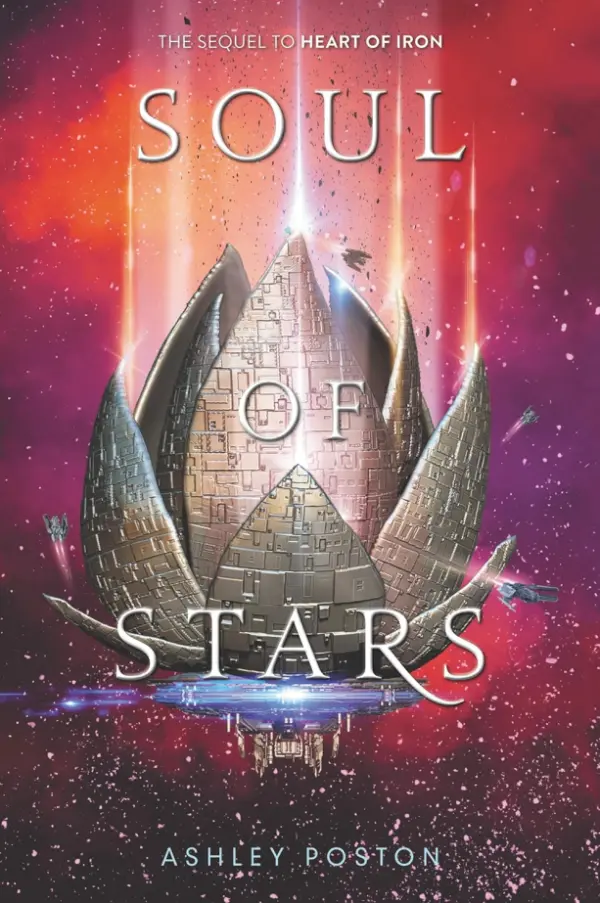
Ashley Poston
Heart of Iron, book 2
Average Goodreads rating4.0
Matched via its series

Shannon Chakraborty
Amina al-Sirafi Adventures, book 2
Matched via its series
Tropes that share the most books with Diverse Representation
Diverse Representation isn't a single plot device or a narrative twist — it's a foundational quality of how a story is built. It describes fiction in which characters across a range of identities, backgrounds, and experiences are given meaningful, fully realised roles. That might mean protagonists of colour, disabled heroes, LGBTQ+ leads, working-class perspectives, neurodivergent characters, or any combination of these — written with specificity and depth rather than used as window dressing.
Readers drawn to this trope aren't simply looking for a checkbox. They're looking for books that feel like the actual world: complicated, varied, and full of people who rarely got to be the hero before.
For many, finding themselves in a story for the first time is genuinely transformative. Fantasy and romance have historically centred a very narrow set of protagonists, so when a book breaks from that pattern with confidence, readers notice. There's a particular pleasure in picking up a novel and immediately trusting that the author has thought carefully about who deserves to take up space on the page.
It's also, frankly, better storytelling. Characters shaped by specific cultural contexts, embodied experiences, and underrepresented perspectives bring texture that generic archetypes simply can't. The conflicts feel more grounded. The relationships carry more weight. The magic systems, court intrigues, and love stories land differently when they're filtered through a lens you haven't encountered a hundred times before.
Genuine diverse representation goes beyond a character's skin colour or sexuality being mentioned once. It shows up in how a character's identity shapes their worldview, their relationships, and the obstacles they face. A Deaf protagonist navigating a court full of whispered conspiracies. A bisexual heroine whose past relationships with women inform how she approaches a new romance with a man. A hero whose chronic illness is neither a tragedy to be fixed nor conveniently forgotten by chapter three.
What it isn't: tokenism, trauma as shorthand for depth, or a supporting cast of diverse faces circling a default protagonist. Readers are increasingly sharp at spotting the difference, and the books celebrated for this trope tend to be ones where the author has lived experience or done serious, accountable research.
You'll find diverse representation across every subgenre — secondary world fantasy with non-Eurocentric mythologies, contemporary romance with South Asian family dynamics at its centre, romantasy with explicitly queer leads in worlds where queerness is simply unremarkable. Some books wear it as their central identity; others weave it in as a matter of course, which increasingly feels like the more radical move.
The conversation around this trope has shifted noticeably in recent years. Reader communities have grown more vocal about demanding it, and publishing has followed, however imperfectly. The result is a wave of fantasy and romance that feels genuinely new — not because the stories themselves are unprecedented, but because the people telling them, and the people living inside them, finally are. Stories have always had the power to say you exist, you matter, you belong here. Diverse representation is simply the insistence that they actually do it.
Occasional emails with new recommendations, series news and trope round-ups.